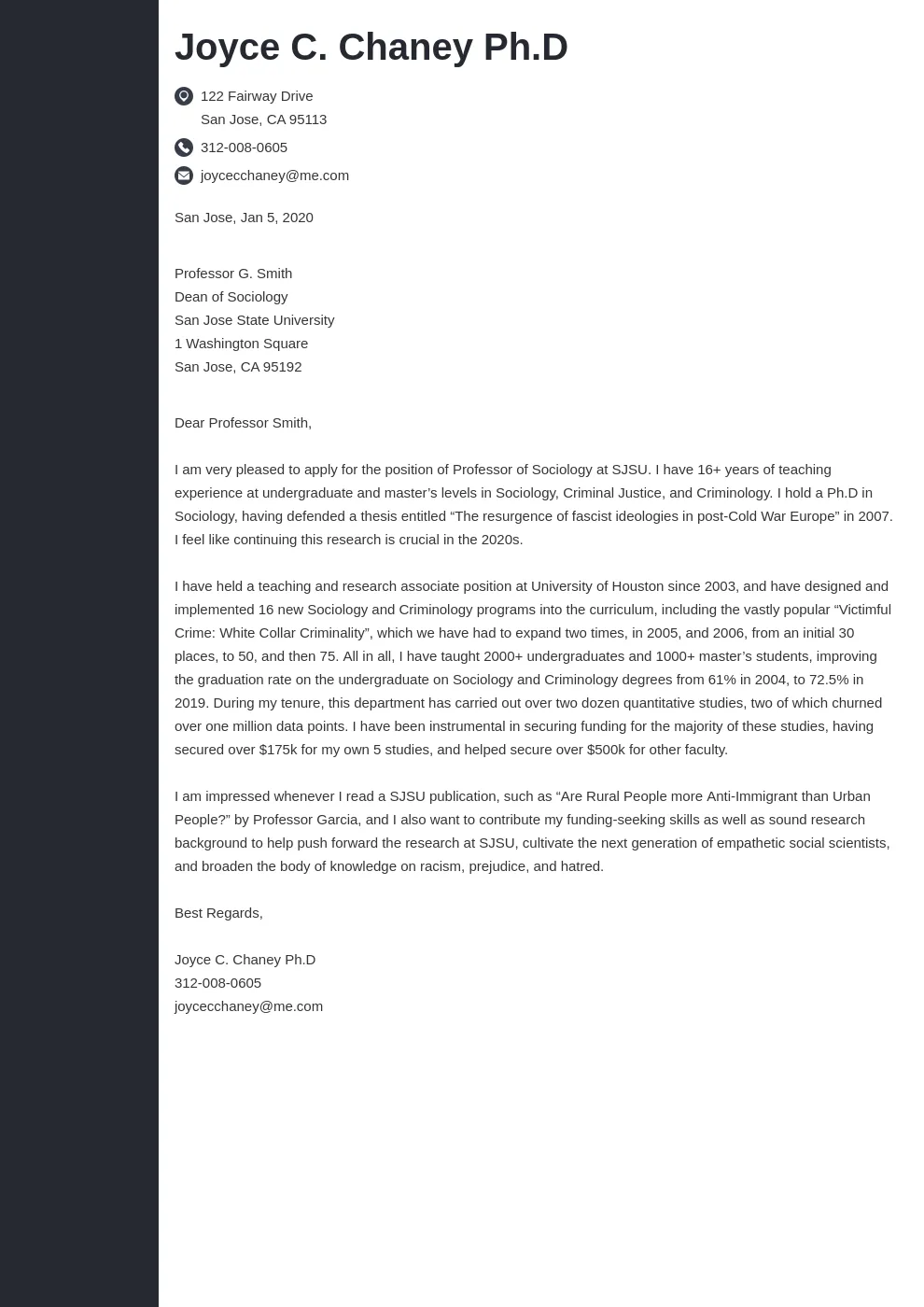
Landing an academic job is a significant accomplishment, and your cover letter is often the first impression you make on a search committee. Unlike cover letters for non-academic positions, these letters require a specific approach to highlight your qualifications and demonstrate your suitability for the role and the institution. Mastering the art of the academic cover letter can significantly increase your chances of success in a competitive job market. This guide will provide you with essential tips to craft a compelling cover letter that showcases your strengths and captures the attention of potential employers.
Understanding the Academic Cover Letter
An academic cover letter is more than just a formality; it’s a crucial tool for presenting yourself as the ideal candidate. It offers an opportunity to go beyond your CV and provide context, detail, and a narrative that demonstrates your research interests, teaching abilities, and overall fit with the university’s values. The goal is to persuade the search committee that you not only possess the required skills but also that you’re the perfect person for the job and the university community.
Why a Strong Cover Letter Matters
A well-written cover letter serves multiple purposes. First, it introduces you professionally and allows you to explain your interest in the position and the institution. Second, it enables you to highlight your key accomplishments and how they align with the job requirements. Third, it provides an opportunity to show your understanding of the university’s mission and your vision for contributing to its goals. Finally, a strong cover letter sets you apart from other applicants by showcasing your personality, communication skills, and enthusiasm.
Key Differences from a Non-Academic Cover Letter
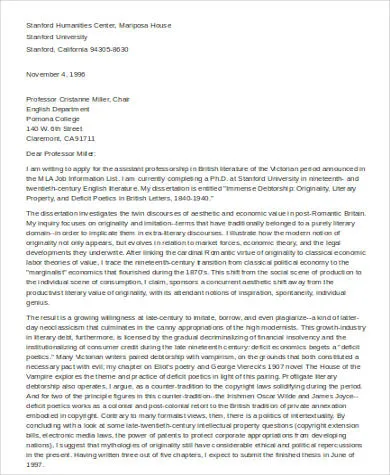
Academic cover letters differ significantly from those used in non-academic settings. They typically place more emphasis on research experience, publications, and teaching philosophy. They also require a deeper understanding of the specific department and university culture. Non-academic letters may focus more on industry experience, transferable skills, and career goals. Therefore, it is essential to tailor your cover letter to the expectations of the academic environment. It also needs to demonstrate how your skills will contribute to the research, education, and service missions of the university. The language used should also be more formal and professional.
Structuring Your Academic Cover Letter
A well-structured cover letter is easy to read and highlights the most important information effectively. The typical structure involves a clear introduction, several body paragraphs that address specific aspects of your qualifications, and a concise conclusion. Each section should build upon the previous one, creating a coherent narrative that showcases your suitability for the role. The structure is important for clarity and ensures that you address all required aspects of your application, such as research, teaching, and service contributions.
Formatting and Presentation
Professional formatting is crucial. Use a standard font, such as Times New Roman or Arial, and maintain consistent font sizes throughout. Keep the letter to one or two pages, with clear margins and spacing. Avoid excessive use of bolding or italics; let your content speak for itself. The presentation should be clean and uncluttered. Proofread meticulously for any typos or grammatical errors. The goal is to make your letter easy to read and visually appealing, which demonstrates attention to detail and professionalism.
Contact Information and Salutation

Start with your contact information, including your name, address, email, and phone number. Then, address the letter to the hiring committee or the specific person named in the job posting, if available. If you cannot find a specific name, use a general salutation like “Dear Search Committee.” Using a specific name, when available, shows that you have taken the time to research the department. This demonstrates your genuine interest in the position and the institution. If no name is available, using a generic greeting remains professional.
The Opening Paragraph
Your opening paragraph should immediately capture the reader’s attention. State the position you’re applying for and how you learned about it. Briefly mention your most relevant qualifications or achievements, and express your enthusiasm for the opportunity. Avoid generic opening lines. Instead, demonstrate a clear understanding of the department’s needs and how your skills and experience align with them. The opening should set the tone for the rest of the letter and entice the reader to continue.
Highlighting Your Research Experience
Research experience is often the most critical factor in academic hiring. Dedicate a significant portion of your cover letter to showcasing your research contributions. Emphasize the significance of your research, the methodologies you use, and the impact of your findings. Use clear and concise language, and avoid jargon that the search committee might not be familiar with. Providing specifics, such as grants secured, publications, and presentations, will demonstrate your ability to conduct and disseminate research.
Showcasing Your Publications

Publications are a direct measure of your research productivity and impact. List your key publications, highlighting those most relevant to the position. Mention the journals or venues where your work has been published. If possible, briefly explain the contribution of each publication to the field. A strong publication record signals your commitment to research and your ability to contribute to the department’s scholarly output. You can also include works in progress or accepted for publication.
Describing Your Research Projects
Provide details about your research projects, including the aims, methodologies, and findings. Explain how your research aligns with the department’s research priorities and how you can contribute to collaborative projects. Discuss your grant-writing experience and your ability to secure funding. Demonstrating your ability to secure funding and conduct impactful research is highly valued in academic positions, so include this in your cover letter. Showing how your work aligns with the department’s needs shows that you are a strategic thinker.
Emphasizing Teaching Experience
Teaching experience is an essential component of academic jobs. Highlight your teaching experience, including the courses you have taught, the level of students, and any innovative teaching methods you have employed. Show that you understand the importance of effective pedagogy and that you are committed to student success. If you have received any teaching awards or positive student evaluations, be sure to mention them. Demonstrating your ability to engage students and contribute to the department’s teaching mission is a significant advantage.
Discussing Your Teaching Philosophy

Include a brief discussion of your teaching philosophy, including your beliefs about education, your approach to student engagement, and your commitment to creating an inclusive classroom environment. Explain how you create a positive learning environment and encourage student participation. Demonstrate that you have a clear understanding of your teaching approach and its effectiveness. A well-articulated teaching philosophy showcases your understanding of the pedagogical aspects of higher education.
Providing Evidence of Teaching Effectiveness
Support your claims about your teaching effectiveness with evidence. This might include student evaluations, teaching awards, or examples of innovative teaching strategies. Include data and positive feedback from students to back up your claims. Showing that you can create a positive and engaging learning environment is a significant asset for any academic position. Providing evidence of teaching effectiveness strengthens your case.
Aligning with the Institution and Job
Demonstrate your understanding of the institution’s mission, values, and goals. Show how your research, teaching, and service align with the university’s priorities. Highlight your interest in the specific position and explain why you are a good fit for the department. Tailor your letter to the specific requirements of the job description. This shows the search committee that you have taken the time to understand the position and its requirements.
Researching the Department and Position

Thoroughly research the department and the specific position before writing your cover letter. Visit the department’s website, read faculty profiles, and understand their research interests and teaching needs. Identify any faculty members whose research aligns with yours and mention them in your letter. Demonstrating a deep understanding of the department and the position demonstrates your interest and preparedness. Tailoring your application to the specific needs of the position is very important.
Tailoring Your Letter to the Specific Job
Customize your cover letter for each job application. Avoid using a generic template. Carefully review the job description and address each of the required qualifications and responsibilities. Use the same language and keywords as in the job description. This shows that you have carefully read the job description and that you understand what the department is looking for. Tailoring your letter shows you have a high level of engagement.
Demonstrating Fit with the University’s Mission
Show how your skills and experiences align with the university’s mission and values. Discuss how you can contribute to the university’s goals for research, teaching, and service. Research the university’s strategic plan and highlight your ability to support its initiatives. Emphasizing your fit with the university’s mission makes your application more compelling. Demonstrate how you can contribute to a positive and productive work environment.
Addressing Potential Weaknesses
Be honest about any potential weaknesses in your application, such as gaps in your CV or a lack of experience in a specific area. Explain these weaknesses briefly and positively. Focus on how you have addressed them or how you plan to do so. Showing that you can acknowledge and address weaknesses shows your maturity and self-awareness.
Explaining Gaps in Your CV
If there are any gaps in your CV, such as periods of unemployment or career breaks, briefly explain them. Be honest and straightforward. Frame the gaps positively, focusing on what you learned or how you used the time productively. Do not dwell on the negative aspects. Instead, highlight the positive aspects of the break. Explaining gaps helps to prevent any assumptions that might work against you. If possible, show how you were still engaged with your field during the break.
Addressing Career Changes
If you are transitioning from a different career, explain your reasons for the change and how your skills and experience are transferable to an academic position. Highlight any relevant experience that you have. Demonstrate your commitment to the academic profession and your understanding of its expectations. Show how your previous experiences will benefit your new role. Frame the change as a positive step in your career.
The Closing Paragraph
Your closing paragraph should leave a lasting positive impression. Thank the search committee for their time and consideration. Express your enthusiasm for the position. Restate your interest and reiterate your qualifications. Keep the tone professional, positive, and confident. Make sure to proofread the closing paragraph to ensure accuracy and professionalism. It is a good opportunity to re-iterate the main points.
Reiterating Your Interest and Enthusiasm
Reiterate your interest in the position and the university. Emphasize what makes you excited about the opportunity. Show that you are genuinely enthusiastic about the prospect of joining the department. Make sure your passion is clear. Showing enthusiasm is important in showing that you are the right fit for the position.
Including a Call to Action
Include a call to action, such as expressing your availability for an interview. Provide your contact information again. Reiterate your willingness to discuss your qualifications further. This shows that you are proactive and serious about the opportunity. Make sure to include your contact information in your closing paragraph.
Proofreading and Editing
Proofread your cover letter carefully for any typos, grammatical errors, or inconsistencies. Read the letter aloud to catch any awkward phrasing or unclear sentences. Ask a trusted colleague or mentor to review your letter and provide feedback. Errors can undermine your credibility. Proofreading is a crucial step in ensuring that your letter presents you in the best possible light.
Common Mistakes to Avoid
Avoid generic language and clichés. Do not simply rehash your CV. Instead, provide context and elaborate on your accomplishments. Do not submit a letter that is too long or too short. Do not address the letter to the wrong person or misspell the names of faculty members or the university. Do not include irrelevant information or focus excessively on personal details. Avoiding common mistakes increases your chance of being considered for the position.
Seeking Feedback from Others
Seek feedback from mentors, colleagues, or career advisors. Ask them to review your cover letter and provide constructive criticism. Take their feedback seriously and revise your letter accordingly. Getting a second opinion can help you identify areas for improvement and ensure that your letter is as strong as possible. Asking for feedback shows your willingness to improve.
In conclusion, a successful academic jobs cover letter is a key to the door of your dream job. By understanding the nuances of the academic job market, crafting a compelling narrative, and highlighting your skills and experiences effectively, you can significantly increase your chances of landing an interview and ultimately securing a position. Remember to tailor your letter to each job, proofread carefully, and seek feedback from trusted sources. Good luck with your job search!