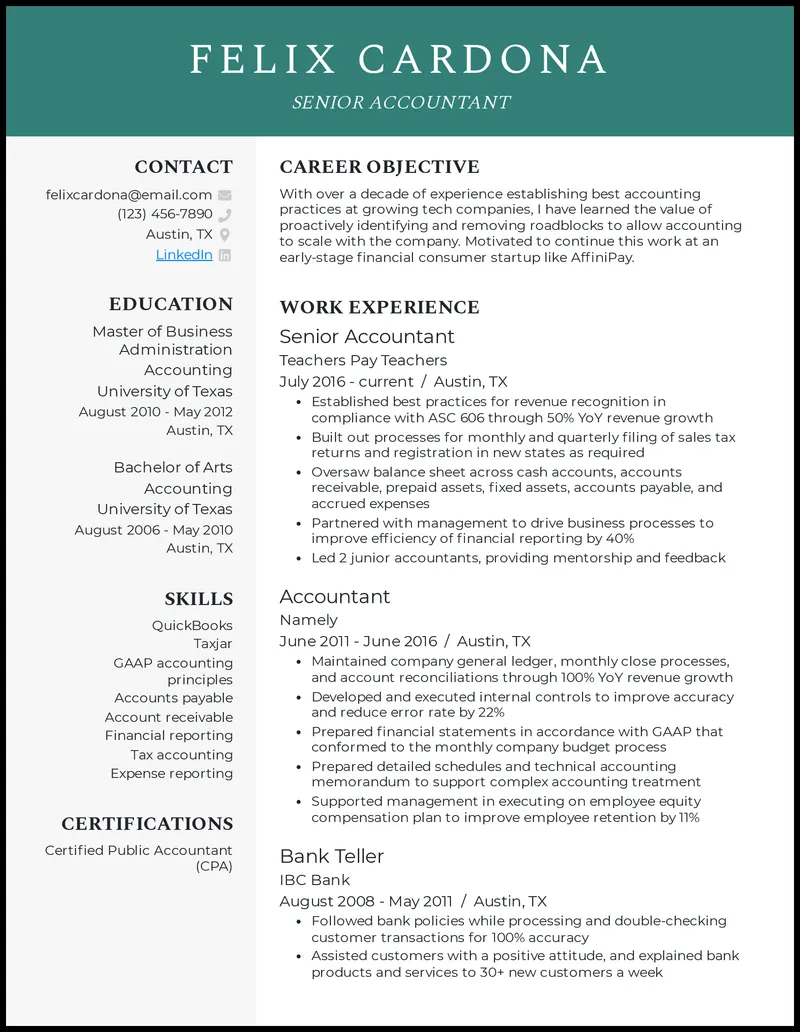
What is an Accountant Resume Cover Letter?
An accountant resume cover letter is a crucial document that accompanies your resume when applying for accounting positions. Its primary purpose is to introduce you to the hiring manager, highlight your most relevant skills and experience, and express your interest in the specific role and company. Unlike your resume, which provides a factual summary of your qualifications, the cover letter allows you to showcase your personality, communication skills, and enthusiasm for the opportunity. It is your first chance to make a positive impression and convince the employer that you are a strong candidate worthy of an interview. A well-crafted cover letter can significantly increase your chances of landing an interview and ultimately securing the job. The cover letter should be tailored to each position you apply for, emphasizing the skills and experience that are most relevant to the job description.
Why You Need an Accountant Cover Letter
In the competitive field of accounting, a cover letter is often the deciding factor between getting an interview or being overlooked. It provides an opportunity to go beyond the static information presented in your resume and demonstrate your passion for accounting and your understanding of the company’s needs. It allows you to explain any gaps in your employment history, address specific requirements mentioned in the job posting, and provide context to your achievements. By personalizing your cover letter, you can show that you have taken the time to research the company and understand the role. It also serves as a sample of your writing and communication skills, which are essential in the accounting profession. A well-written cover letter can set you apart from other applicants, making you memorable and increasing your chances of getting hired.
Key Elements of an Accountant Cover Letter

A successful accountant cover letter contains several key elements that work together to create a compelling case for your candidacy. These elements include a professional header with contact information, a personalized greeting, a concise and engaging introduction, well-structured body paragraphs that highlight your skills and achievements, a clear call to action, and a professional closing with your signature. The content should be tailored to each specific job application, showcasing how your experience aligns with the role’s requirements and demonstrating your understanding of the company’s values and objectives. Furthermore, the language used should be professional, clear, and concise, avoiding jargon and focusing on the value you bring to the organization. Proper formatting, including appropriate fonts, spacing, and layout, contributes to the overall readability and professionalism of your cover letter. Proofreading is crucial to eliminate any errors that could negatively impact your application.
Header and Contact Information
The header of your accountant cover letter should include your full name, contact information (phone number, email address, and LinkedIn profile URL), and the date. Additionally, include the hiring manager’s name, title, and company address if you have this information. This ensures the hiring manager can easily contact you. Always use a professional email address. Ensure your header is well-formatted and easy to read. Keep the information concise and accurate. Using the correct format is essential for a polished and professional appearance. If you are unsure about the hiring manager’s name, research the company’s website or LinkedIn to find the relevant contact. If you cannot find a specific name, you can use a generic greeting like “Dear Hiring Manager”.
Greeting the Hiring Manager
Start your cover letter with a professional greeting, such as “Dear Mr./Ms./Mx. [Last Name],” if you know the hiring manager’s name. Researching the hiring manager’s name shows you care enough to find the contact. If you don’t know the hiring manager’s name, use a general greeting like “Dear Hiring Manager” or “Dear [Company Name] Hiring Team.” Avoid using generic greetings such as “To Whom It May Concern.” Ensure the greeting is appropriate for the context and reflects a professional tone. Using the hiring manager’s name, if possible, shows you’ve taken the initiative to research the company and the role. Always double-check the spelling of the hiring manager’s name to avoid any errors that may give a negative impression. A strong, personalized greeting immediately captures the reader’s attention and sets a positive tone for your application.
Body Paragraph 1 Highlight Your Skills

The first body paragraph should highlight your relevant skills and experience. Focus on the key requirements mentioned in the job description. Mention specific skills like financial analysis, budgeting, tax preparation, or auditing. Use action verbs to describe your accomplishments and responsibilities in previous roles, such as “managed,” “analyzed,” “prepared,” or “oversaw.” Provide specific examples of how you have successfully utilized these skills to achieve positive outcomes in your past positions. Quantify your achievements whenever possible to demonstrate your impact, such as “reduced expenses by 15%” or “improved accuracy by 10%.” This paragraph should provide a snapshot of your key qualifications, showing how you meet the specific requirements of the job. Tailor this paragraph to match the job description, ensuring that you emphasize the skills and experiences that are most relevant to the position.
Body Paragraph 2 Showcase Your Achievements
The second body paragraph allows you to showcase your significant achievements and contributions in previous roles. Provide quantifiable results that demonstrate your value to employers. For example, if you improved the efficiency of a process, state the percentage improvement. If you identified cost savings, specify the amount saved. Use the STAR method (Situation, Task, Action, Result) to structure your examples. Describe the situation you were in, the task you were assigned, the actions you took, and the results you achieved. This approach helps to paint a clear picture of your capabilities. Be specific and avoid generic statements. Use numbers, percentages, or other data to back up your claims. Mention any awards, promotions, or special recognitions you received. Focus on achievements that align with the job requirements. Showcase your ability to exceed expectations and make a tangible impact.
Body Paragraph 3 Express Your Enthusiasm
The final body paragraph should express your enthusiasm for the specific role and the company. Demonstrate that you have researched the company and understand its mission, values, and goals. Explain why you are interested in the position and how it aligns with your career aspirations. Mention any specific projects or aspects of the company that particularly interest you. Show that you have a genuine interest in the company culture and the opportunity to contribute to its success. Highlight how your skills and experience would benefit the organization. Conclude this paragraph by reiterating your interest and your confidence in your ability to excel in the role. This will make a memorable and positive impression on the hiring manager, and it will also reinforce your suitability for the position.
Call to Action Encouraging a Response

End your cover letter with a clear call to action. Request an interview and express your availability. State that you look forward to discussing your qualifications in more detail. Provide your contact information again for easy reference. You can also thank the hiring manager for their time and consideration. Ensure the call to action is polite and professional. Keep the tone confident but not presumptuous. Reinforce your interest in the position and express your confidence in your ability to contribute to the company. Make it easy for the hiring manager to take the next step. Use a statement such as, “I am eager to discuss my qualifications further and am available for an interview at your earliest convenience.” This final statement should leave the reader with a positive impression.
Proper Closing and Signature
Use a professional closing such as “Sincerely,” “Best regards,” or “Thank you.” Avoid casual closings like “Cheers” or “Best.” Leave space for your handwritten signature if you are printing the cover letter or submitting a hard copy. Below your signature, type your full name. Ensure that your closing is consistent with the overall tone of your cover letter. A professional closing demonstrates respect and adds a polished touch. Make sure your closing and signature are aligned with the format of your cover letter and make it easy for the hiring manager to identify you. This ensures a professional and polished finish. This helps you get hired for your job.
Formatting and Design Tips for Cover Letters
The formatting and design of your cover letter play a crucial role in its readability and professional appearance. Use a standard font such as Times New Roman, Arial, or Calibri. Maintain a font size between 10 and 12 points for optimal readability. Use single spacing within paragraphs and double spacing between paragraphs. Use clear headings and subheadings to organize your content. Maintain consistent formatting throughout the document. Use bolding and italics sparingly to highlight key information. Ensure consistent margins (typically 1 inch on all sides) to create a clean, uncluttered look. Keep the letter concise; aim for one page. Proper formatting shows attention to detail and professionalism, which is important in the accounting field. Ensure your cover letter is visually appealing and easy to read.
Font and Layout Considerations

Selecting an appropriate font and layout is critical. Choose a font that is easy to read. Stay away from overly decorative or unusual fonts. Ensure your layout is balanced, with appropriate spacing and margins. Avoid overly dense text. Use bullet points or lists to break up long blocks of text. Use clear and concise language. Keep the layout simple and professional. Ensure that your document looks neat and organized. The font and layout you choose should enhance readability and make your letter visually appealing. Select a font that is legible and easy on the eyes. A well-formatted layout can improve the hiring manager’s impression of your application. Avoid cluttering the page with too much information. A clean, uncluttered layout enhances readability and highlights your key points.
Proofreading and Editing Your Cover Letter
Proofreading and editing your cover letter is essential. Check for typos, grammatical errors, and punctuation mistakes. Review the content for clarity, conciseness, and accuracy. Ask someone else to proofread your cover letter. Ensure your writing style is appropriate for the accounting field. Verify that all your contact information is correct and up-to-date. Incorrect information can lead to missed opportunities. A polished, error-free cover letter demonstrates your attention to detail and professionalism. Thoroughly proofread your document before submitting it. Proofreading is an important step in making a strong first impression. Proofread multiple times to catch any errors.
Common Mistakes to Avoid in Accountant Cover Letters
Several common mistakes can undermine your cover letter and reduce your chances of getting hired. Avoiding these pitfalls is crucial for making a positive impression. These common mistakes can prevent you from getting an interview. It’s crucial to review your cover letter before submitting it. Ensuring your cover letter is free from these errors significantly improves your chances of success in the job application process.
Generic Content and Lack of Personalization

Using a generic cover letter that is not tailored to the specific job or company is a common mistake. Hiring managers can quickly identify if a cover letter is a template. Avoid simply restating your resume; instead, provide additional context. Show that you have researched the company and understand its needs. Personalize your cover letter by addressing specific requirements. Tailoring your cover letter to each role shows initiative. Tailoring your cover letter is a key factor in making a good impression. Ensure your letter matches the job description and the company. This will make it easier for the hiring manager to get to know you and see how you will fit in.
Typos and Grammatical Errors
Typos and grammatical errors can damage your credibility. Proofread your cover letter carefully before submitting it. Use grammar-checking tools. Ask someone else to review your cover letter for any errors. Ensure your writing is clear, concise, and professional. Poor grammar and typos can make you look careless. Errors demonstrate a lack of attention to detail. A cover letter filled with errors can lead to rejection. Proofread your cover letter multiple times to catch any mistakes. Ensure you are using the correct word for the context. Good grammar shows attention to detail and professionalism. Ensure your writing meets professional standards.
Overly Formal or Informal Tone
Maintain a professional tone throughout your cover letter. Avoid being overly formal or informal. Strike a balance that shows you are professional. Use clear and concise language. Avoid jargon or slang. Ensure your writing is appropriate for the accounting field. Your cover letter needs to be respectful. The tone of your cover letter will impact the impression you give to a hiring manager. Use a tone that is appropriate for the company culture. Match the tone with the tone of the job description. Make sure your cover letter is easy to understand.
Tailoring Your Cover Letter for Different Roles

Your cover letter should be tailored to each specific role you apply for. Carefully review the job description. Identify the key skills, experience, and qualifications required. Highlight how your skills and experience align with the job requirements. Customize your cover letter to emphasize the most relevant information. Address the specific needs of the company. This increases your chances of getting an interview. Tailoring your cover letter demonstrates your interest in the specific role. Ensure that your cover letter matches the job description. This is an essential aspect of the hiring process. Customize your cover letter for each job you apply for, highlighting the experience and skills that match the requirements of the position.
Entry-Level Accountant Cover Letter
For entry-level positions, emphasize your educational background. Highlight relevant coursework, certifications, and any internships or volunteer experiences. Show your understanding of accounting principles. Demonstrate your eagerness to learn and grow in the field. Showcase any technical skills, such as proficiency with accounting software. Mention any extracurricular activities or leadership roles that showcase your skills. Focus on your potential and your enthusiasm for the role. Even if you have little professional experience, you can still craft a compelling cover letter. Demonstrate your strong foundation in accounting principles. Tailor your cover letter to show your qualifications for entry-level roles.
Experienced Accountant Cover Letter
For experienced accountant roles, focus on your accomplishments. Provide quantifiable results from previous positions. Highlight your expertise in specific areas of accounting. Mention any certifications or licenses, such as CPA. Emphasize your leadership skills and ability to manage teams. Showcase your ability to analyze financial data and make recommendations. Demonstrate your understanding of industry best practices. Tailor your cover letter to highlight the achievements that are most relevant to the job description. Mention accomplishments such as reducing expenses, improving efficiency, or streamlining processes. Demonstrate how you can bring value. This is an advantage for experienced applicants. This will help the hiring manager understand your work history.
Cover Letter for Specific Accounting Fields

If you’re applying for a specialized role (e.g., tax accountant, forensic accountant, or auditor), tailor your cover letter. Highlight your experience and knowledge in that specific field. Mention relevant certifications or training. Address the unique requirements of the role. Emphasize your specialized skills and expertise. Provide examples of your accomplishments in that specific area. This will help the hiring manager see how you fit in their company. Show how your unique skills and experience will benefit them. Tailor your cover letter to showcase the experience that is applicable to the role. This also helps them see how your qualifications fit within the framework of the open role.
Examples of Successful Accountant Cover Letters
Review examples of successful accountant cover letters. Look for samples online that align with your experience and the roles you are targeting. Pay attention to the structure, formatting, and language used. Note how the candidates highlight their skills and accomplishments. Use these examples as a guide to create your own cover letter. Adjust the templates to match your experience and goals. Look for examples that match the roles you are pursuing. There are several online resources that can provide templates, which can assist you in drafting your own letter.
Where to Find Accountant Cover Letter Templates
Many online resources provide cover letter templates. Websites like Indeed, Resume.com, and others offer a variety of templates. Use these templates as a starting point. Customize the templates to match your experience and the job description. Ensure that the template aligns with the formatting and design tips discussed earlier. Choose a template that suits your needs. Remember that templates are just a guide. You still need to personalize your cover letter. Templates can help with formatting, and they can ensure that all key points are addressed. Customize the template to make sure it matches your experience and skills.
Best Practices for Submitting Your Cover Letter
Always follow the application instructions provided by the employer. If the application asks for a cover letter, be sure to submit one. If the job posting specifies a particular format or file type, adhere to those instructions. Proofread your cover letter before submitting it. Use a professional file name for your cover letter, such as “[Your Name]_CoverLetter.pdf.” Submit your cover letter and resume as a single PDF document. This helps ensure that your documents are correctly formatted. Avoid submitting your application late. Submit your application on time to increase your chances. Be as professional as possible when submitting your cover letter. Follow all of the instructions to ensure that you are presenting the best possible image of yourself.
The Importance of Following Instructions
Following instructions is extremely important. Review the job posting carefully. Pay close attention to any specific requirements. Failure to follow instructions can lead to your application being rejected. Proofread your cover letter before submitting it. Submit your cover letter in the format requested by the employer. Always check for these details. Following instructions is crucial. Pay attention to these instructions to ensure your application is not rejected. This shows you are reliable and pay attention to details. This demonstrates attention to detail and professionalism, essential traits in the accounting field. Always prioritize following all instructions.