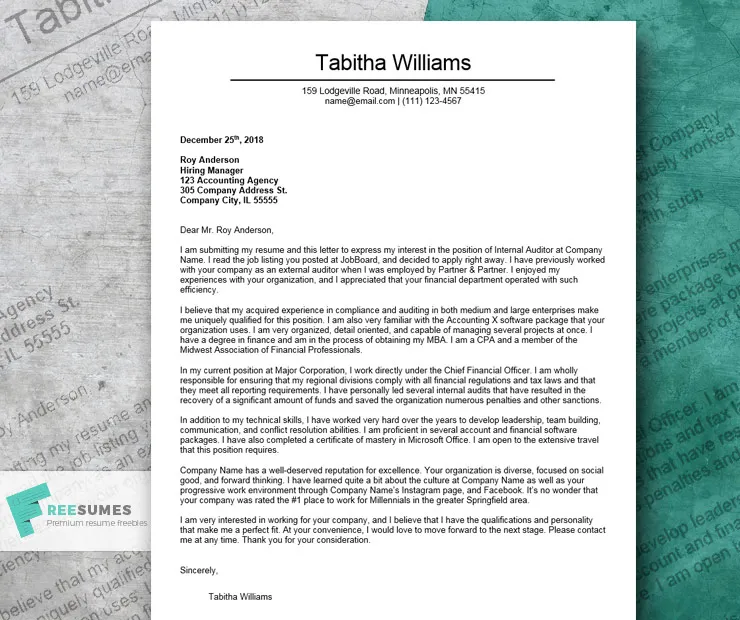
Understanding the Accounting Cover Letter’s Importance
As an accounting student, the job market can seem daunting. A well-crafted accounting cover letter is your first impression. It’s more than just a formality; it’s your chance to stand out from the crowd. This document offers a space to connect your academic skills and experiences to the specific requirements of the job. A cover letter is an introduction. A successful cover letter captures the reader’s attention and encourages them to learn more about you. It gives potential employers a glimpse into your personality, aspirations, and what sets you apart from other candidates. Consider it a tool that you can use to showcase your passion and enthusiasm for accounting. A strategic cover letter is the key to opening doors.
Why a Great Cover Letter Matters for Accounting Students
In a competitive field like accounting, a strong cover letter provides a critical advantage. It supplements your resume, giving you a platform to detail your professional goals and the value you offer. It allows you to explain any gaps in your resume or address specific concerns a recruiter might have. By showing that you understand the role and the company, you demonstrate that you’ve taken the time to research them. Your passion for accounting is shown in the cover letter, making you a more appealing candidate to potential employers. A cover letter that is well-written increases your chances of getting an interview, and consequently, landing the job. Your attention to detail and communication skills become evident in the quality of your cover letter.
Highlighting Your Skills and Qualifications

Your cover letter is an opportunity to present your relevant skills and qualifications in detail. Emphasize your technical proficiencies, such as expertise in accounting software (e.g., QuickBooks, SAP) or financial modeling. Make sure to mention any coursework, projects, or internships that align with the job requirements. Quantify your achievements with numbers whenever possible; for example, state that you ‘managed accounts payable for a team of 10’. Always highlight your understanding of accounting principles and standards (GAAP, IFRS). Use action verbs like ‘managed,’ ‘analyzed,’ and ‘prepared’ to make your statements more compelling. Tailor your list of skills to the specific requirements of the job, showing the employer that you have the specific qualifications they seek.
Key Skills to Showcase in Your Cover Letter
When listing your key skills, be sure to include both hard and soft skills. Hard skills might include proficiency in tax preparation, financial analysis, budgeting, and auditing. Soft skills, such as communication, problem-solving, and teamwork, are equally important. Demonstrate your ability to work under pressure, meet deadlines, and maintain accuracy. Mention any certifications you possess (e.g., CPA, CMA) or are in the process of obtaining. If you’ve participated in any relevant extracurricular activities, such as accounting clubs or volunteer work, include them as well. Tailor your skills section to match the job description. This targeted approach shows you’re a great match and have the specific qualities and knowledge necessary for the position.
For a compelling cover letter, quantify your accomplishments. Instead of saying you ‘improved efficiency,’ state by what percentage you improved efficiency. Share any instances where your efforts led to cost savings, process improvements, or increased revenue. Instead of saying you ‘managed accounts receivable,’ share the number of accounts you managed or the reduction in outstanding invoices. Show your value by providing metrics that prove the impact you had. Using numbers makes your achievements more credible and provides a tangible impression of your abilities. When using numbers, make sure you provide proper context for your statements. Your quantified accomplishments make your application stand out.
Tailoring Your Cover Letter to the Job
A generic cover letter won’t cut it. Every job application should be tailored to the specific position and company you’re applying for. Your cover letter must address the specific requirements outlined in the job description. Always mention the company by name and highlight how your skills and experiences align with their needs. Show your familiarity with the company’s products, services, and values. A customized cover letter demonstrates that you’ve put in the effort to understand the role. Use the job description as a guide to select the most relevant skills and experiences to showcase. A tailored cover letter shows that you’re serious about the opportunity.
Researching the Company and Role
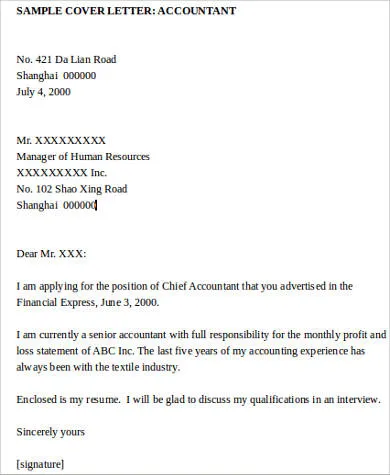
Before you start writing, research the company thoroughly. Visit their website, check their social media profiles, and read news articles about them. Find out about their mission, values, and recent projects. Identify the key challenges and opportunities facing the company. Understand the role you’re applying for, and what responsibilities it entails. Check the job description to find out what they’re looking for in a candidate. Tailor your cover letter to match the company’s culture. This research is critical for showing you’re a great match for the company.
To customize your cover letter successfully, focus on the specifics. Use keywords from the job description throughout your cover letter. Highlight specific projects or experiences that directly address the requirements. Instead of simply stating your skills, provide examples of how you’ve used those skills in the past. For example, mention that ‘In my internship, I utilized Excel to analyze financial data and identify cost-saving opportunities.’ Customize each cover letter to show that you know what the company wants and that you can deliver on it. This will make your application a lot more powerful.
Formatting and Structure for Success
A well-formatted cover letter makes a great impression. Use a professional font such as Times New Roman or Arial, and set the font size to 11 or 12 points. Maintain consistent margins (1 inch is standard) and use single-spaced lines with a blank line between paragraphs. Divide your cover letter into clear sections, including an introduction, body paragraphs, and a conclusion. Keep the tone of your cover letter professional and respectful. A well-structured cover letter enhances readability and conveys your professionalism.
Essential Formatting Elements for Cover Letters
Your cover letter should begin with your contact information (name, address, phone number, email) and the date. Add the hiring manager’s name and title, if known; if not, use the title of the hiring manager. In the introduction, state the position you’re applying for and how you found out about it. The body paragraphs should explain why you’re a good fit for the job. The conclusion should restate your interest in the position and include a call to action (e.g., ‘I look forward to hearing from you.’). Always remember to use a professional font and format, ensuring readability. A well-formatted cover letter enhances the professionalism of your application.
Structuring Your Cover Letter Effectively

Follow a clear and logical structure. Start with a strong opening statement. The opening statement should capture the hiring manager’s attention. The body paragraphs should discuss your skills, experiences, and qualifications, with examples to support your claims. Wrap up your letter by summarizing your interest and expressing your enthusiasm for the position. Keep your paragraphs concise and easy to read. Divide your letter into paragraphs with clear and concise headings. This makes it easier for the hiring manager to quickly grasp your qualifications. The structured approach makes your cover letter more persuasive.
Proofreading and Polishing Your Cover Letter
Your cover letter should be free of any errors. Errors in grammar, spelling, and punctuation can undermine your credibility. Check your cover letter multiple times, and consider having someone else proofread it. Read your cover letter aloud to catch any awkward phrasing or sentence structure. Ensure that your formatting is consistent throughout. A polished cover letter makes a great impression and reflects your attention to detail.
Common Mistakes to Avoid
Avoid generic cover letters that are not tailored to the specific job. Don’t use overly complex language, jargon, or slang. Avoid typos, grammatical errors, and spelling mistakes. Don’t include irrelevant information or overly personal details. Do not exceed the recommended length (one page). Avoid negative statements about previous employers or colleagues. Avoid using templates without customizing them to the specific job. These common mistakes can undermine your application.
Ensuring Clarity and Professionalism

Use clear and concise language. Write in a professional tone, and avoid sounding too casual. Use action verbs, and be specific about your accomplishments. Make sure your statements are accurate, and avoid exaggerating your qualifications. Keep the focus on your skills and how they align with the job requirements. Your cover letter should be well-written and easy to read. A clear and professional cover letter leaves a positive impression.
Finalizing and Submitting Your Cover Letter
Before submitting your cover letter, double-check all the details. Make sure your contact information is correct. Verify the hiring manager’s name, title, and company details. Confirm that the formatting is consistent and professional. Save your cover letter as a PDF file. This will ensure that your formatting remains consistent regardless of the recipient’s system. Send a test email to yourself to confirm that everything looks correct. Submitting a polished cover letter increases your chances of success. A well-prepared cover letter will give you the best chance of landing an interview.
By following these tips, you’ll greatly increase your chances of creating a strong and effective accounting cover letter. This will set you on the path to a successful accounting career.