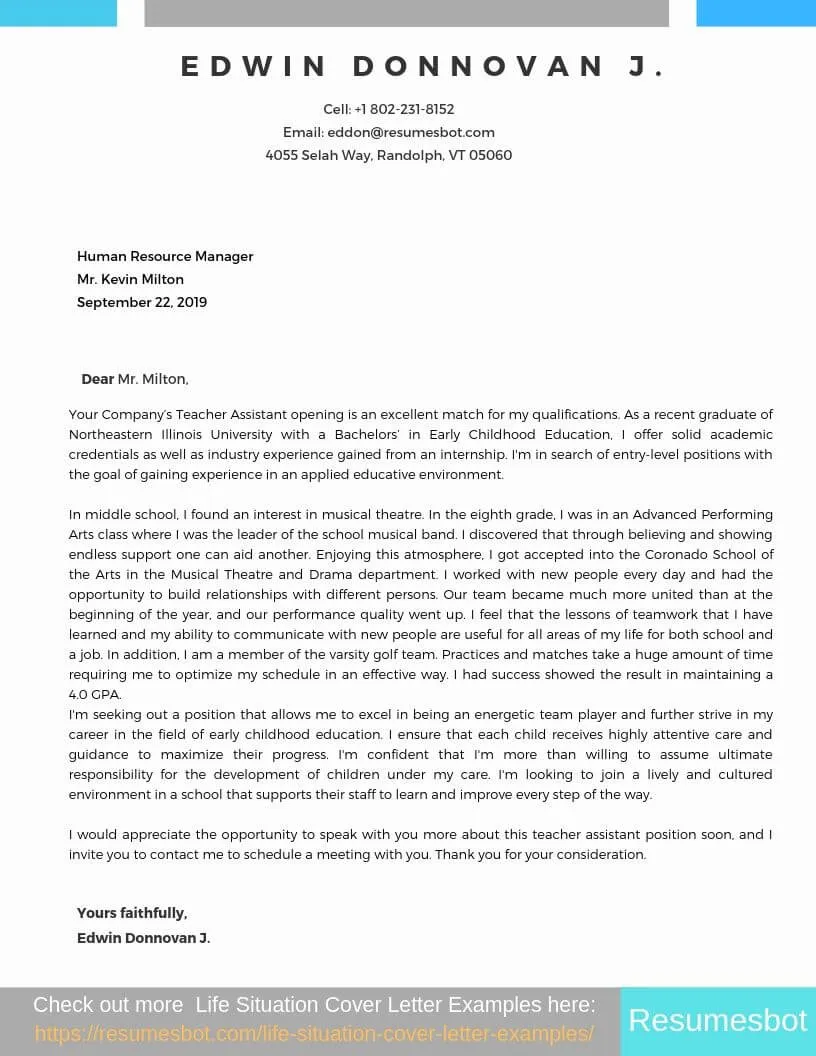
Landing an adjunct professor position can be a fantastic way to break into academia. However, without direct teaching experience, the cover letter becomes your primary tool for demonstrating your suitability. This guide unlocks the secrets to writing a compelling cover letter, even if you’re starting with no prior experience, ensuring you stand out from the competition and get noticed by potential employers. We will navigate the key components, offer actionable advice, and help you craft a cover letter that highlights your strengths and makes a strong case for your candidacy. Let’s embark on a journey to craft a cover letter that opens doors.
Why Your Adjunct Professor Cover Letter Matters
Your cover letter is more than just a formality; it’s your first impression. It’s your chance to present a compelling narrative that goes beyond what’s listed on your resume or CV. For positions requiring adjunct professors, especially if you lack direct teaching experience, the cover letter is your opportunity to showcase your potential, enthusiasm, and relevant skills. It’s where you articulate your passion for the subject matter, demonstrate how your experiences align with the institution’s needs, and persuade the hiring committee that you’re the right fit. A well-crafted cover letter sets the stage for an interview, highlighting your unique value proposition and significantly increasing your chances of securing the role. Think of it as your personal introduction to the department, a chance to connect with them before you even meet face-to-face, thus providing context to your application.
Understanding the Role of an Adjunct Professor
Before crafting your cover letter, you must understand the nature of an adjunct professor role. These positions often involve teaching specific courses on a part-time basis, bringing practical knowledge and real-world experience to the classroom. Institutions typically seek adjuncts who can complement the full-time faculty and provide a diverse range of perspectives. Understanding this context is crucial because it allows you to tailor your cover letter to the specific needs of the institution and the demands of the role. Highlighting how your skills, knowledge, and experiences align with these needs will be very persuasive to the hiring committee. Demonstrate a clear understanding of the role’s responsibilities and how you can contribute to the academic environment.
Key Components of a Winning Cover Letter

A successful cover letter for an adjunct professor position includes several essential components. Start with a professional salutation, addressing the hiring manager by name whenever possible. Briefly introduce yourself and state the position you’re applying for. The body of the letter should highlight your relevant skills, experiences, and qualifications, even if you lack direct teaching experience. Emphasize transferable skills from other roles, such as communication, leadership, and project management. Demonstrate your understanding of the institution’s needs and how you can contribute to the academic environment. End with a strong closing that reiterates your interest and invites the hiring manager to contact you for an interview. Proofread carefully to eliminate any errors and ensure a polished presentation.
Contact Information and Formatting
Begin your cover letter with your contact information, including your name, address, phone number, and email address. Ensure this information is accurate and up-to-date. Use a professional font, such as Times New Roman or Arial, in a readable size (11 or 12 points). Maintain a consistent and clean format throughout the letter, with clear paragraphs and appropriate spacing. Address the hiring manager by name, using the correct title (Dr., Professor, etc.) if known. If you cannot find a specific name, use a general greeting like “Dear Hiring Committee.” This attention to detail demonstrates your professionalism and respect for the opportunity. Proper formatting makes your cover letter easier to read and more visually appealing.
Crafting a Compelling Opening
The opening of your cover letter is crucial; it sets the tone and captures the reader’s attention. Avoid generic opening lines. Instead, immediately state the position you’re applying for and where you found the job posting. Express your enthusiasm for the opportunity and the institution. Briefly mention a key skill or experience that makes you a strong candidate. Demonstrate your understanding of the department’s needs and how you can contribute. For example, “I am writing to express my keen interest in the Adjunct Professor position in the Department of [Department Name], as advertised on [Platform]. With my background in [Your Background] and passion for [Subject], I am eager to contribute to your department’s commitment to [Department’s Mission/Values].”
Highlighting Transferable Skills (Even with No Experience)

Even without direct teaching experience, you likely possess transferable skills that are highly valuable in an adjunct professor role. These skills include communication, presentation, leadership, time management, critical thinking, and problem-solving. If you have experience in professional fields, you can showcase your subject matter expertise and practical knowledge. Highlight any instances where you trained or mentored others, led projects, or delivered presentations. Emphasize your ability to explain complex concepts clearly, engage an audience, and foster a positive learning environment. Connect these skills to the specific requirements of the adjunct position, showing how they can benefit students and the institution. Use examples from your past to illustrate your abilities.
Demonstrating Passion and Enthusiasm
Passion and enthusiasm are essential qualities in an adjunct professor. Demonstrate your enthusiasm for the subject matter and your dedication to student success. Share your excitement for the opportunity to share your knowledge and experience with the next generation of professionals. Discuss why you are passionate about teaching and how you plan to inspire and engage students. Mention specific courses you are interested in teaching or research projects you would like to pursue. Show genuine interest in the institution’s mission and values, aligning your goals with those of the department. This passion will set you apart from other applicants and show the hiring committee that you are highly motivated to contribute.
Showcasing Relevant Education and Training
Even if you lack teaching experience, your education and training are essential assets. Highlight your academic background, including degrees, certifications, and any specialized training relevant to the position. Mention any coursework or research projects that align with the course or subjects the department offers. If you’ve completed any teaching-related workshops or seminars, be sure to include them. If you have experience in related fields, describe how your education has prepared you for success in the classroom. Emphasize any practical knowledge or skills you’ve acquired that will enable you to provide students with real-world insights. This section should demonstrate your preparation and foundational knowledge base.
Addressing the Needs of the Hiring Institution

To increase your chances of getting hired, tailor your cover letter to the specific needs of the hiring institution. Research the institution’s mission, values, and strategic goals. Review the job description carefully, identifying the key skills, experiences, and qualifications the department seeks. Demonstrate how your skills and experiences align with these needs. If the institution emphasizes experiential learning, show how your real-world experience can enhance the student’s learning. If the institution values diversity and inclusion, demonstrate your commitment to creating an inclusive classroom environment. Addressing these needs will show that you understand the role’s requirements and are prepared to contribute to the institution’s success.
Tailoring Your Cover Letter to the Job Description
Each cover letter you write should be customized to the specific job description. Do not send generic cover letters. Carefully analyze the job posting to identify the key requirements, such as specific skills, experiences, and qualifications. Use keywords from the job description throughout your cover letter. Highlight your relevant skills and experiences, providing examples that demonstrate your ability to meet those requirements. When describing your qualifications, use similar language as the job description, as this helps the hiring committee quickly identify how well you fit the role. Tailoring your cover letter shows you’ve taken the time to understand the position and that you are genuinely interested in the role and the institution. This will increase your chances of being noticed.
Proofreading and Editing Your Cover Letter
Proofreading and editing your cover letter is crucial to ensure it is free from errors and presents you in the best possible light. Carefully review your cover letter for any grammatical errors, typos, or formatting inconsistencies. Use a grammar and spell checker, but do not rely solely on these tools. Read your cover letter aloud to catch any awkward phrasing or unclear sentences. Ask a friend or colleague to proofread your cover letter. A fresh pair of eyes can often spot mistakes you may have missed. A polished cover letter shows that you pay attention to detail and have professional presentation skills. A poorly written cover letter can make it difficult to overcome the no-experience issue.
The Importance of a Strong Closing

The closing of your cover letter provides the opportunity to reiterate your interest and call to action. Reiterate your enthusiasm for the position and the institution. Thank the hiring manager for their time and consideration. Clearly state your availability for an interview and how you can be reached (phone number, email address). If you have a portfolio or website showcasing your work, be sure to include it. End with a professional closing, such as “Sincerely,” or “Best regards,” followed by your name. Ensure that your closing is professional and leaves a positive final impression. A strong closing will ensure the hiring committee remembers you.
Writing a compelling cover letter for an adjunct professor position with no experience can be challenging, but it is achievable. By focusing on your transferable skills, demonstrating passion and enthusiasm, and tailoring your letter to the specific needs of the hiring institution, you can create a cover letter that showcases your potential and increases your chances of getting hired. Remember to proofread your cover letter carefully and make a strong closing to ensure you leave a lasting positive impression. With a well-crafted cover letter, you can take the first steps toward launching your academic career.