Understanding the Importance of an Archaeology Cover Letter
In the competitive field of archaeology, a well-crafted cover letter is your crucial first step towards making a lasting impression on potential employers. It serves as a powerful introduction, offering a detailed narrative that complements your resume and highlights why you are the ideal candidate. Unlike a resume, which provides a static overview of your skills and experience, a cover letter provides a platform to connect with the hiring team, express your enthusiasm for the role, and offer critical context that your resume may lack. It’s a prime opportunity to demonstrate your personality and passion for archaeology, significantly increasing your chances of securing an interview and ultimately, your desired position. A strong cover letter is not merely a formality, but a strategic tool for career advancement.
Why a Cover Letter Matters
Cover letters allow for personalization, enabling you to tailor your application to the specific needs and requirements of each job. This customization is essential, showing potential employers that you have taken the time to understand the position and are genuinely interested in the opportunity. Furthermore, a cover letter provides the space to highlight and explain any gaps in your resume, detail particular project experiences, and showcase essential soft skills like communication, teamwork, and problem-solving, all of which are vital in the collaborative world of archaeological work. In addition to these factors, a cover letter enables you to display your writing skills, which are essential for preparing reports and academic publications, common in the field of archaeology. A well-written cover letter demonstrates your ability to convey complex information clearly and concisely, an important asset for any archaeologist.
Highlighting Relevant Skills and Experience

The primary purpose of an archaeology cover letter is to effectively highlight the skills and experiences that are most relevant to the job description. Begin by thoroughly reviewing the job posting, noting the essential skills, qualifications, and experiences the employer is seeking. Carefully choose the experiences and skills from your background that align perfectly with these requirements, prioritizing the most pertinent. Focus on experiences like fieldwork, excavation techniques, artifact analysis, site surveying, and laboratory work. Use the cover letter to provide specific examples of your accomplishments and explain their relevance to the job. When highlighting your skills, emphasize both technical expertise and soft skills such as project management, data analysis, and report writing. Be sure to specify your proficiency in relevant software or methodologies, such as GIS, specific excavation methods, or any other techniques crucial to the archaeological work required by the position. This will ensure the employer recognizes your expertise and suitability for the role.
Structuring Your Archaeology Cover Letter
Structuring your archaeology cover letter logically is crucial to ensure that the information is clear and effectively highlights your qualifications. The standard structure generally includes an introduction, body paragraphs, and a conclusion. Each of these sections serves a specific purpose and must be crafted carefully to present a compelling overview of your qualifications. Use clear and concise language, avoiding overly technical terms, and always proofread to eliminate typos and grammatical errors. The goal is to create a letter that is easy to navigate and enables the hiring manager to quickly see why you are the best candidate for the job.
Contact Information and Introduction
Begin your cover letter with your contact information, including your name, address, phone number, and email address. Include the date and, if known, the hiring manager’s name and the organization’s address. The introduction provides your first opportunity to make a positive impression. Specify the position you are applying for and how you learned about it. Briefly mention your most relevant qualifications and express your interest in the role. Including why you are enthusiastic about the specific organization and the opportunity can help create an early and positive connection. Maintaining a concise, job-focused introduction helps you establish a positive tone from the beginning.
Crafting a Compelling Opening
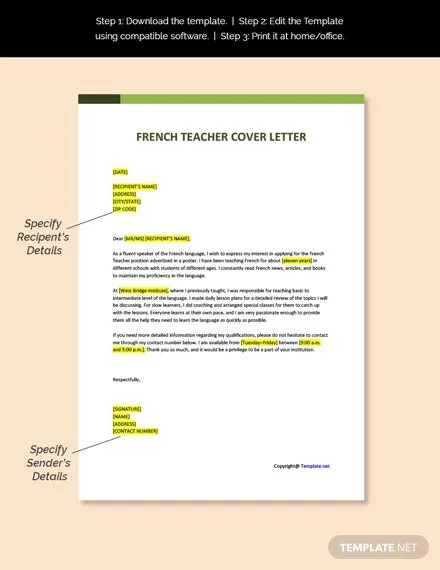
A compelling opening is key to grabbing the reader’s attention and sets the tone for your entire letter. Avoid using generic greetings; instead, tailor your opening to express genuine enthusiasm for the position and the organization. If you know the hiring manager’s name, use it. Otherwise, a professional salutation such as “Dear Hiring Manager” is appropriate. In your opening, briefly mention the specific position you are applying for and a compelling reason for your interest. This could be referencing a particular project the organization is working on, or a specific aspect of their work that excites you. Creating a strong initial connection can significantly increase your chances of keeping the reader engaged and intrigued by your qualifications.
Showcasing Your Skills and Experience
The body of your archaeology cover letter should expand on your skills and experiences, emphasizing their relevance to the specific job requirements. Each paragraph should focus on a particular skill or experience, providing concrete examples and quantifying your achievements whenever possible. Utilize active verbs to describe your accomplishments and highlight your contributions to past projects. Include details about the techniques or software you have mastered, such as excavation methodologies, artifact analysis, or GIS software proficiency. Ensure that the details align closely with the skills and responsibilities detailed in the job description. This ensures that your qualifications perfectly match the employer’s needs and illustrates your practical abilities, thus highlighting your value as a candidate for the role.
Matching Skills with Job Requirements
To effectively match your skills with the job requirements, meticulously review the job description and identify the key skills and qualifications the employer is seeking. Then, in each paragraph, explain how your experiences and skills meet those requirements. For each skill or qualification, provide a specific example of how you used it in a project or job. For example, if the job requires experience with excavation techniques, describe a time when you managed or participated in an excavation, detailing your role and the specific techniques you employed. If the job emphasizes data analysis skills, discuss any experience you have with statistical software or data management. Clearly linking your skills to the job’s specific requirements allows the hiring manager to easily understand the connection and see your value immediately.
Quantifying Achievements and Contributions

Quantifying your achievements is critical for making your cover letter more impactful and demonstrating the tangible results you achieved in your previous roles. Use numbers and specific data to support your claims. Instead of saying ‘I managed a team,’ specify the number of team members and the size of the project. If you improved efficiency or reduced costs, provide the percentage or amount saved. If you discovered a significant number of artifacts, mention the quantity. Quantifying your achievements provides concrete evidence of your capabilities and helps the employer understand the value you would bring to their team. The use of concrete examples supported by data makes your accomplishments more persuasive and memorable, directly impacting the reader and showcasing your competence.
Expressing Enthusiasm and Interest
Expressing genuine enthusiasm and interest in the position and the organization is essential for making a positive impression. Let your passion for archaeology shine through and clearly state why you are excited about the opportunity. Research the organization and mention any of their projects or values that resonate with you. Show that you understand their mission and how your skills and experiences can contribute to their goals. This level of engagement demonstrates that you are genuinely interested in the job and want to contribute to the team. It personalizes your application and greatly increases your chances of being selected for an interview.
The Closing and Call to Action
The closing of your cover letter offers a final opportunity to restate your interest and encourage the hiring manager to take action. Reiterate your enthusiasm for the position and thank the reader for their time and consideration. Clearly state your availability for an interview and how you can be reached. For example, you might say, “I am eager to discuss my qualifications further in an interview and can be reached at [phone number] or [email address].” Ensure your closing is professional and includes a call to action, such as inviting the hiring manager to contact you. End with a professional closing, such as “Sincerely” or “Best regards,” followed by your name, and ensure that your contact information is easily accessible.
Formatting and Proofreading Your Cover Letter

The formatting and proofreading of your archaeology cover letter are critical for demonstrating professionalism and attention to detail. A well-formatted letter is easy to read and makes a positive impression, while errors and inconsistencies can have a negative impact. Select a font and format that is easy to read and adheres to professional standards. Proofread your cover letter meticulously to eliminate any typos, grammatical errors, or inconsistencies. A polished, error-free cover letter shows that you take pride in your work and are serious about the job. Proper formatting and thorough proofreading significantly boost your application’s overall effectiveness and professionalism.
Choosing the Right Font and Format
Choosing the right font and format is essential to ensure your cover letter is readable and professional. Use a standard font such as Times New Roman, Arial, or Calibri in a size between 10 and 12 points. Use a clean and uncluttered format with clear headings, ample white space, and consistent margins. Keep the layout simple and easy to follow, and avoid excessive colors or graphics. The goal is to make the letter easy to read and visually appealing. Before sending, save your document as a PDF to keep your formatting consistent across different devices and platforms. A professional format improves readability and presents you as a candidate who pays close attention to detail.
Proofreading for Errors
Proofreading your cover letter is a vital step in the application process. Mistakes, no matter how small, can undermine your credibility and make you appear unprofessional. Before submitting your letter, carefully proofread it for any typos, grammatical errors, and inconsistencies. Read the letter aloud to catch any awkward phrasing or errors you might have missed. Use a grammar checker, but do not rely on it completely, as it may not catch every error. It is beneficial to have a friend or colleague review your letter as well; a fresh perspective often catches errors you might have overlooked. Ensuring your cover letter is error-free is essential for creating a positive impression and demonstrating your attention to detail.
Examples and Templates
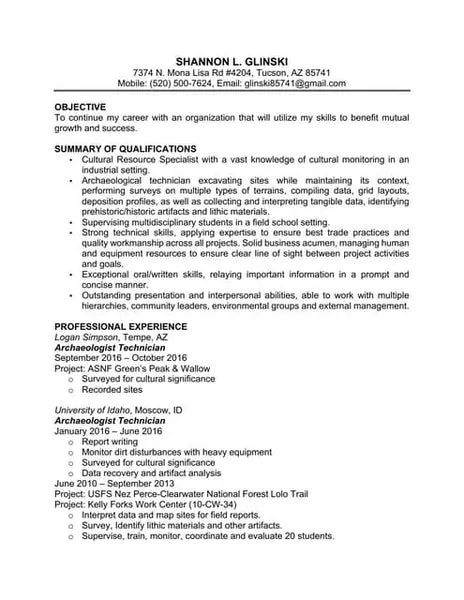
Using examples and templates can be an invaluable resource when writing your archaeology cover letter. Numerous online resources offer archaeology-specific cover letter examples, allowing you to examine how other candidates have presented their qualifications and experiences. Templates provide a structured framework you can adapt to your background and the job requirements. However, it’s important not to simply copy the templates; instead, use them as a guide. Personalize the content to reflect your unique skills, experiences, and enthusiasm. Tailoring a template to your background and the specific job requirements ensures your application stands out and showcases your personality and qualifications. Make sure to carefully review the job description to identify keywords and highlight skills that match the role’s requirements.
Example Archaeology Cover Letter
Here’s a general example demonstrating the structure and content:
[Your Name] [Your Address] [Your Phone Number] [Your Email Address]
[Date]
[Hiring Manager Name] (if known) [Hiring Manager Title] [Organization Name] [Organization Address]
Dear [Mr./Ms./Mx. Last Name],
I am writing to express my strong interest in the [Job Title] position advertised on [Platform]. With [Number] years of experience in archaeological fieldwork, artifact analysis, and project management, I am confident that my skills and expertise align well with the requirements of this role. In my previous role at [Previous Organization], I was responsible for [briefly mention key responsibilities and achievements]. I have a strong understanding of [mention relevant methodologies, software, or techniques]. My experience in [specific skill] is directly applicable to the needs of this position. I am eager to contribute to [Organization’s Name]’s work on [mention a project or area of interest]. I am available for an interview at your earliest convenience.
Sincerely, [Your Name]
Cover Letter Template for Archaeology
A template offers a structured approach to guide your writing process. These typically contain standard sections such as contact information, a compelling introduction, body paragraphs highlighting your skills and experience, and a professional closing. Use these templates as a foundation, but personalize the content. Tailor your language to align with the specific job description and the employer’s values. Adjust the sections to include any unique accomplishments or experiences that are applicable to the role you are applying for. Personalizing a cover letter template makes sure that you showcase your contributions and skills, making your application more appealing and memorable. Thoroughly review the job description to identify the keywords, then focus on the skills that match the requirements of the role.
Final Thoughts

Writing a compelling archaeology cover letter is a critical step in your job search. By following these guidelines, you can craft a cover letter that effectively showcases your skills, experience, and enthusiasm for the role. Remember to tailor your letter to each specific job, highlighting the most relevant qualifications and quantifying your achievements whenever possible. Proofread your letter carefully to ensure it’s free of errors and well-formatted. A well-written cover letter can leave a strong impression, helping you to stand out from the other applicants, thereby increasing your chances of securing an interview and ultimately, your dream job in archaeology.