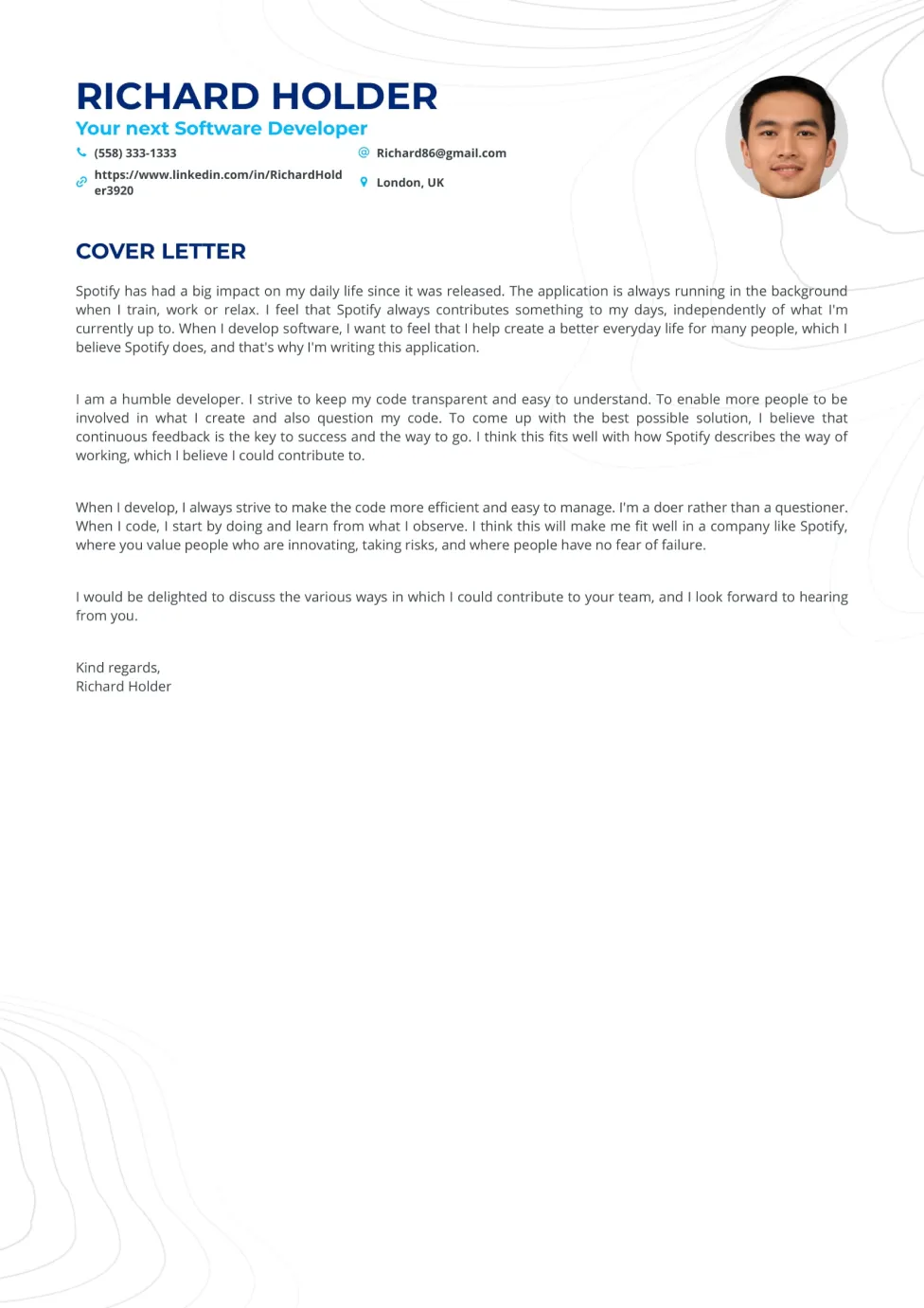
Why a Cover Letter Matters
In today’s competitive job market, a well-crafted cover letter is more than just a formality it’s your opportunity to make a strong first impression and significantly increase your chances of getting hired. While your resume provides a snapshot of your skills and experience, the cover letter allows you to tell your story, showcase your personality, and demonstrate your genuine interest in the position and the company. It’s a chance to go beyond the bullet points and connect with the hiring manager on a more personal level. A compelling cover letter immediately grabs attention, sets you apart from other applicants, and emphasizes why you are the ideal candidate for the role. In essence, it bridges the gap between your qualifications and the employer’s needs.
Highlighting Your Skills and Experience
Your cover letter is the perfect space to highlight the skills and experience most relevant to the job you’re applying for. Don’t just repeat what’s on your resume; instead, provide context and expand on your accomplishments. Focus on the skills mentioned in the job description and provide specific examples of how you’ve utilized them in previous roles. This could be through a short narrative explaining how you solved a complex problem, led a successful project, or achieved measurable results. Think of it as a way to illustrate your capabilities, showing the employer how you can contribute to their team. By providing concrete examples, you make your claims more believable and memorable, giving the hiring manager a clearer picture of your potential value.
Tailoring Your Cover Letter

Generic cover letters are easily spotted and often discarded. Customizing your cover letter for each application is essential to demonstrate your genuine interest and understanding of the role. Tailoring your cover letter shows that you’ve taken the time to understand the job requirements and company culture. This level of personalization immediately grabs the attention of the hiring manager because it indicates that you are a serious candidate. Highlighting the specific skills and experiences that align with the job description shows you understand what the employer is looking for. Remember, the goal is to convince the hiring manager that you are not just qualified, but also the best fit for the position.
Researching the Company
Before you start writing, take the time to research the company thoroughly. Visit their website, read their mission statement, and explore their social media presence. Understand their values, culture, and recent projects. This information will help you tailor your cover letter to align with their specific needs and expectations. Demonstrate your knowledge by mentioning specific initiatives, projects, or goals that resonate with you. This shows you’re genuinely interested in working for their organization. This shows you’re genuinely interested in working for their organization. This effort will make your application stand out from the rest.
Matching Skills with Requirements
Carefully review the job description and identify the key skills and qualifications the employer is seeking. Then, match your skills and experiences to those requirements. Use the job description keywords and phrases to showcase your suitability for the role. Provide specific examples of how you’ve used those skills in previous roles or projects. This ensures that your cover letter directly addresses the employer’s needs. This approach shows the hiring manager you’ve thoughtfully considered the position and are confident in your ability to meet its demands.
Crafting a Compelling Opening

The opening of your cover letter is crucial; it sets the tone and determines whether the reader will continue. Start with a strong hook that grabs attention. Avoid generic greetings like “Dear Sir/Madam.” Instead, try to find the hiring manager’s name and use a personalized greeting. State the position you’re applying for and briefly explain why you are interested. Make a bold statement about your capabilities. A strong opening is your first and best chance to convince the hiring manager to read the rest of your cover letter.
Expressing Enthusiasm and Interest
Demonstrating enthusiasm and genuine interest in the company and position is vital. Show that you’re excited about the opportunity and eager to contribute. Explain what attracts you to the company, such as its mission, values, or recent achievements. Tailor your response to show you understand the role and its responsibilities. Expressing your genuine interest makes you sound more personable and shows you’ve put thought into the opportunity. Highlight aspects of the role that excite you.
Show, Don’t Just Tell
Instead of simply stating your skills and experiences, provide concrete examples that demonstrate them. This is where you can quantify your achievements and show, rather than tell, the hiring manager what you’re capable of. Describe specific situations, projects, or tasks where you successfully applied your skills. This approach adds credibility and provides a clearer picture of your abilities.
Quantifying Your Achievements

Whenever possible, quantify your achievements with numbers and data. Using specific metrics makes your accomplishments more impactful and demonstrates your ability to drive results. Instead of saying “Improved customer satisfaction,” say “Increased customer satisfaction by 20% through implementation of a new feedback system.” The more precise you are, the more convincing your claims will be. By using numbers, you provide concrete evidence of your value and impact.
Structuring Your Cover Letter
A well-structured cover letter is easy to read and allows the hiring manager to quickly grasp your key qualifications. Organize your cover letter into clear and logical sections. Start with an engaging opening, followed by a paragraph or two highlighting your skills and experiences related to the job. Briefly discuss your qualifications in the context of the job description, then end with a strong call to action. A structured cover letter ensures that your key points are easily accessible and well-presented.
Formatting and Layout
Use a professional and easy-to-read format. Choose a standard font like Arial, Calibri, or Times New Roman, with a font size between 11 and 12 points. Use clear headings and subheadings to break up the text and guide the reader. Ensure that your formatting is consistent throughout the document. This makes your cover letter visually appealing and professional. Proper formatting demonstrates your attention to detail and professionalism.
Length and Tone

Keep your cover letter concise and to the point, ideally within one page. Use a professional and enthusiastic tone throughout your letter. Avoid slang, jargon, and overly casual language. Your tone should reflect your personality while maintaining professionalism. Tailor the tone to match the company’s culture; a formal company might call for a more formal tone, while a more relaxed environment might allow for a more casual approach.
Call to Action and Closing
End your cover letter with a clear call to action. Express your eagerness for an interview and provide your contact information. Thank the hiring manager for their time and consideration. A strong call to action encourages the hiring manager to take the next step and sets the stage for a follow-up. This final touch leaves a positive impression and makes it easier for the hiring manager to contact you.
Proofreading and Editing
Before submitting your cover letter, carefully proofread it for any errors in grammar, spelling, and punctuation. Errors can undermine your credibility and make a negative impression. Consider having someone else review your cover letter; a fresh pair of eyes can often catch mistakes you may have missed. Taking the time to edit and proofread ensures that your cover letter is polished and professional.
Common Cover Letter Mistakes

Avoiding common mistakes is crucial to a successful cover letter. Generic cover letters, poor grammar and spelling, and a lack of personalization can immediately disqualify you. Be aware of the pitfalls, and take steps to avoid them. By learning from these common mistakes, you can drastically increase your chances of making a positive impression and securing an interview.
Ignoring the Instructions
Carefully read and follow all instructions provided in the job posting. Many employers include specific guidelines for submitting your application. Failing to follow these instructions, such as neglecting to include a required document, demonstrates a lack of attention to detail. Demonstrate your attentiveness by carefully reviewing the job posting and adhering to all its requirements.
Using Generic Templates
Generic cover letters are easily identified and often discarded. Customize your cover letter for each application to show your genuine interest and demonstrate that you’ve researched the company and position. Avoid using pre-written templates without making significant changes. Tailoring your cover letter is a must to create a compelling application that catches the employer’s attention.
Spelling and Grammar Errors

Spelling and grammar errors can damage your credibility and make you appear unprofessional. Proofread your cover letter carefully before submitting it. Use spell-check and grammar-check tools to identify mistakes, but don’t rely solely on them. Have someone else review your letter. Paying attention to detail is a key aspect of any role, and making sure your cover letter is free of errors showcases your commitment to excellence.
Getting Feedback on Your Cover Letter
Seeking feedback on your cover letter can significantly improve its effectiveness. Ask trusted friends, family members, or career advisors to review your letter and provide constructive criticism. Their insights can help you identify areas for improvement and refine your message. A fresh perspective can reveal any unclear language or gaps in your presentation. Make sure your cover letter is as strong as possible by asking others for feedback.
Seeking Input From Others
Don’t hesitate to ask for feedback from people you trust. Friends, family members, mentors, and career counselors can provide valuable insights and suggestions. They can identify any areas of weakness and help you refine your cover letter. Their opinions will lead to a better, more effective cover letter. This collaboration will make the cover letter much better and will help you secure an interview.
Using Online Resources

Utilize online resources to improve your cover letter. Many websites and platforms offer cover letter templates, examples, and writing guides. Explore these resources to gain inspiration and learn best practices. However, always tailor any template to your unique situation. Many tools can also help you identify grammatical errors. Many online resources can make cover letter writing easier and more effective. This effort can drastically improve your chances of getting an interview and job offer.