Why Use Career Change Cover Letter Samples
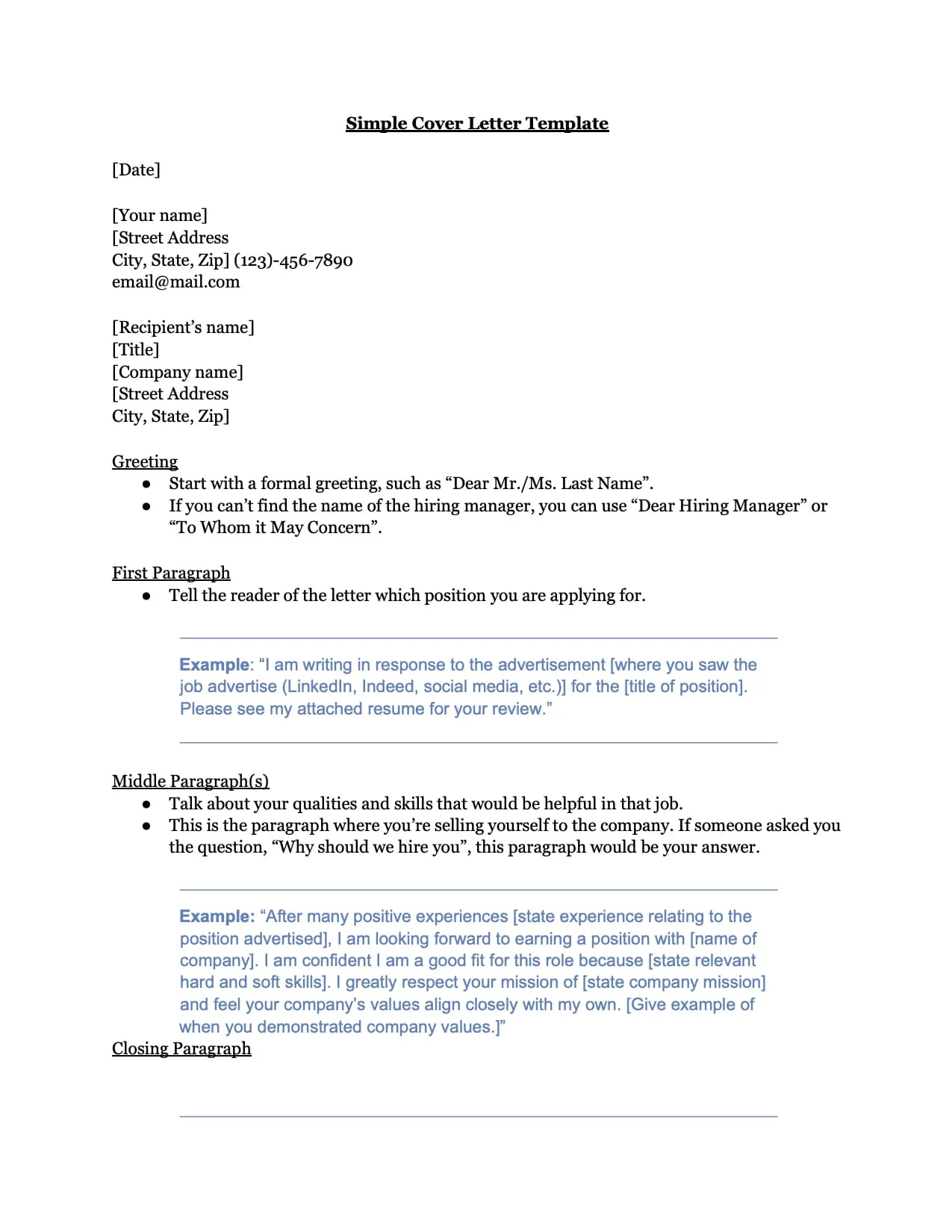
Embarking on a career change can be daunting, especially when it comes to crafting a compelling cover letter. Unlike a standard cover letter, a career change cover letter needs to address a unique set of challenges. It must explain the shift in your professional focus, highlight transferable skills, and convince a potential employer that you’re a valuable asset. Free career change cover letter samples provide a practical solution to these challenges, offering a solid foundation upon which to build your own customized letter. Using samples saves time and effort, ensuring that your letter effectively conveys your suitability for the role, despite your non-traditional background. They offer a template for presenting your skills and experience in the most favorable light, increasing your chances of landing an interview and securing your dream job. Utilizing these samples is an essential first step in a successful career transition, providing a clear roadmap to follow.
Understand the Importance
The importance of a well-crafted career change cover letter cannot be overstated. It serves as your first impression, and it’s your opportunity to make a strong case for why you deserve to be considered for the role. A cover letter for a career change differs from a standard cover letter because it must address a career shift, which requires explaining why you’re changing fields, highlighting transferable skills, and addressing any potential concerns an employer might have about your lack of direct experience. A good cover letter reassures the hiring manager that your skills are relevant, and your desire to change is well-considered. It shows your willingness to learn and adapt. Therefore, a well-written cover letter can significantly increase your chances of getting noticed and securing an interview. This document should not only sell your skills but also demonstrate your passion and commitment to your new career path. With the correct approach, you can transform a career change from a perceived disadvantage to a compelling narrative.
Save Time and Effort

Creating a cover letter from scratch can be time-consuming, especially if you are juggling various job applications and the demands of daily life. Free career change cover letter samples provide a head start, eliminating the need to start from scratch. They offer pre-written content that you can adapt and customize to fit your specific situation. This saves you valuable time and effort, allowing you to focus on tailoring the letter to the specific job and highlighting the most relevant skills. Instead of staring at a blank page, you have a framework to work from, reducing the stress associated with the job application process. Furthermore, using samples ensures that you include all essential elements, such as a compelling opening, a clear explanation of your career change, and a persuasive closing. This saves time, reduces frustration, and ensures that your cover letter effectively conveys your qualifications and enthusiasm for the role. This efficiency is especially critical when you’re applying for multiple positions concurrently.
Best Career Change Cover Letter Samples (Free Download)
Accessing high-quality free career change cover letter samples is easier than you might think. Numerous online resources offer a variety of templates and examples designed to help you craft a compelling cover letter. Many websites provide downloadable samples that you can customize to fit your specific needs. These samples often come in various formats, such as Word documents and PDFs, making them easy to edit and adapt. When searching for these samples, look for reputable sources that offer examples tailored to different industries and career paths. Ensure the samples include key elements, such as addressing the career change, highlighting transferable skills, and showcasing your enthusiasm for the new role. By using a well-crafted sample, you can significantly improve the effectiveness of your cover letter and increase your chances of landing an interview. Downloadable samples provide a convenient and cost-effective solution for job seekers looking to make a successful career transition.
The Core Elements of a Cover Letter
A strong cover letter, especially for a career change, includes several key elements that work together to present you as the best candidate. Understanding these core components is essential for crafting a compelling letter that grabs the hiring manager’s attention. Each part serves a unique purpose, contributing to the overall effectiveness of your application. When you use free career change cover letter samples, make sure that the samples have all the components described below. Mastering these elements is the key to a successful job search, increasing your chances of getting interviews and offers.
Header and Contact Information

The header of your cover letter is the first thing the hiring manager will see, and it needs to be professional and easy to read. Include your full name, address, phone number, and email address. Also, add the date and the hiring manager’s name and title, if you know it. If you don’t know the hiring manager’s name, use a professional greeting like “Dear Hiring Manager.” Ensure all contact information is accurate and up-to-date. A well-formatted header shows attention to detail and respect for the recipient. It allows the hiring manager to easily reach you for an interview. Using a clean, clear header sets a professional tone from the start, making a positive first impression. Ensure that the formatting is consistent with your resume. This ensures that your application looks cohesive and well-organized.
Professional Greeting
The greeting sets the tone for your entire cover letter. Always use a formal and professional greeting. If you know the hiring manager’s name, use “Dear Mr./Ms./Mx. [Last Name].” If you don’t know the name, use a general greeting such as “Dear Hiring Manager” or “Dear [Department Name] Hiring Team.” Avoid informal greetings like “Hi” or “Hello,” as they may make your application seem less professional. Your greeting should show respect and attention to detail. Correctly addressing the hiring manager demonstrates that you’ve done your research and are serious about the position. It’s also a good idea to research the company and find out the correct spelling of the hiring manager’s name. This small effort can make a big difference in making a positive impression. Your greeting is the first opportunity to show your professionalism. Using a professional greeting can show your respect for the company and the hiring manager.
Opening Paragraph Grab Attention
The opening paragraph is your chance to capture the reader’s attention and make them want to continue reading. Start with a strong statement that highlights your interest in the position and the company. Briefly explain why you are changing careers and how your skills and experience align with the job requirements. You might also mention how you found the job, such as through a job board or a company referral. Make sure to show enthusiasm for the role and the company, and clearly state your goal. By grabbing their attention early, you increase the chances that the hiring manager will carefully read your entire letter. The opening paragraph can show your personality and unique value. Ensure that your opening is concise and informative. The opening paragraph sets the stage for the rest of your cover letter.
Body Paragraphs Highlighting Skills

The body paragraphs are where you showcase your skills and experiences that are relevant to the job. Focus on transferable skills, even if your previous work experience is not directly related to the new field. Provide specific examples of how you’ve used these skills in past roles and how they can benefit the company. Use action verbs to describe your accomplishments, and quantify your achievements whenever possible. Clearly explain the skills and experience you have. The main purpose of the body paragraphs is to explain why you are a good fit for the job. Show how your background translates to the job requirements. This is an opportunity to explain how your skills align with the job description. By highlighting transferable skills, you demonstrate your adaptability and potential. The goal is to convince the hiring manager that you have what it takes to excel in this new role.
Quantify Achievements
Quantifying your achievements in your cover letter adds credibility and impact. Instead of simply stating you’re good at something, provide concrete examples and measurable results. For instance, instead of saying “Improved customer service,” you could say “Increased customer satisfaction scores by 15% through implementing new training programs.” This approach demonstrates your ability to make a tangible difference and provides clear evidence of your skills. Using numbers and metrics to illustrate your accomplishments allows the hiring manager to easily understand the value you bring. Quantifiable achievements make your cover letter more compelling and memorable. When possible, include specific numbers, percentages, or dollar amounts to show the positive impact you’ve had in previous roles. This helps the hiring manager to visualize your accomplishments. This practice helps differentiate you from other candidates. Concrete examples will make your cover letter stand out.
Closing Paragraph Call to Action
The closing paragraph is your last chance to leave a lasting impression. Reiterate your interest in the position and thank the hiring manager for their time and consideration. Express your enthusiasm for the opportunity to discuss your qualifications further, and include a clear call to action, such as “I look forward to hearing from you soon” or “I am eager to discuss how my skills can benefit your team.” Provide your contact information again and express your availability for an interview. A strong closing paragraph should leave the hiring manager with a positive impression and encourage them to contact you. End with a confident and proactive statement. This reinforces your enthusiasm and sets the stage for the next step in the hiring process. This final section can leave the hiring manager with a positive and proactive final impression.
Format the Cover Letter

Formatting your cover letter correctly ensures it’s easy to read and professionally presented. Use a standard font like Times New Roman, Arial, or Calibri in a 10-12 point size. Ensure that your letter is well-organized with clear paragraphs and consistent spacing. Use a business letter format with proper margins and alignment. Keep your letter concise, typically no more than one page. Break up large blocks of text with white space to improve readability. Proofread your letter carefully to eliminate typos and grammatical errors. Formatting creates a positive first impression, showing attention to detail and professionalism. Well-formatted cover letters are easier to read and more engaging. Make sure to choose a format that complements your resume and reflects the tone of the job you are applying for. Consistent formatting creates a professional presentation.
Choose the Right Sample
Selecting the right cover letter sample is crucial for maximizing its effectiveness. Look for samples that align with your career change goals and the industry you’re targeting. Consider samples that demonstrate how to highlight transferable skills from different fields. Also, see how the samples address career change concerns, demonstrating your proactive approach. Evaluate the tone and style of each sample to ensure it matches your personality and the company culture. Tailor your selected sample to fit the specific requirements of the job you are applying for. Choosing the right sample sets the foundation for a persuasive and effective cover letter. Consider samples from diverse backgrounds, as well. The right sample provides a strong framework for your job search. With the right sample, you can showcase your strengths and land your dream job.
Where to Find Free Samples
Finding free career change cover letter samples is simple, with many reputable online resources available. Job search websites, career advice blogs, and professional networking platforms often provide downloadable templates and examples. Look for websites that specialize in resume and cover letter advice. These websites offer a variety of samples. Ensure the sources are credible and offer up-to-date examples. Consider using a variety of sources to see what works best for you. Search for sites with a strong reputation for high-quality content. Many of these samples are free and easy to access. When searching for samples, be sure to search keywords related to career changes. Reputable career websites and industry blogs often share sample templates. The best resources offer tailored examples that you can easily customize. Utilize the resources to gain a competitive edge in the job market.
Tips for Customizing Samples

Customizing free career change cover letter samples is essential to ensure they accurately reflect your background and the specific job you’re applying for. Start by replacing the generic information with your own details, including your name, contact information, and the hiring manager’s name. Modify the opening paragraph to highlight your specific career change and express your enthusiasm for the role. Adjust the body paragraphs to showcase your relevant skills and experiences, using examples and quantifiable achievements. Tailor the closing paragraph to match the job requirements, and include a call to action. By customizing your sample, you will make your cover letter unique and compelling. The more you customize, the more appealing your cover letter will be. Customization ensures that the cover letter reflects your unique experience and skills. Customizing samples gives you a competitive edge. Customization is the key to presenting yourself as the best candidate.
Tailor to the Job
Tailoring your cover letter to each specific job is a critical step in the application process. Carefully review the job description and identify the key requirements and qualifications. Highlight the skills and experiences that match those requirements, and provide specific examples of how you’ve demonstrated these skills in the past. Use the same keywords and phrases from the job description throughout your cover letter. Demonstrate your understanding of the company and the role. Tailoring your letter shows the hiring manager that you’ve taken the time to understand the position and that you’re a good fit. A tailored letter is always more impactful than a generic one. Customization increases your chances of getting noticed and securing an interview. Tailor your letter to demonstrate your understanding of the role. Demonstrate your understanding of the role and the company.
Highlight Transferable Skills
When making a career change, highlighting transferable skills is crucial. These are the skills you’ve gained in previous roles that are relevant to the new position, even if the job duties are different. Identify skills like communication, problem-solving, leadership, project management, and customer service, which are valuable in almost every industry. Provide specific examples of how you’ve used these skills in your past roles, and explain how they can benefit the company in your new role. Focusing on transferable skills helps bridge the gap between your past experience and the requirements of the new job. It demonstrates your adaptability and potential. Highlighting transferable skills shows the hiring manager that you can quickly learn and excel in the new role. Highlight the transferable skills to make your experience relevant. Doing this can help you get the job.
Proofread Carefully

Proofreading your cover letter is an essential step in the application process. Typos, grammatical errors, and formatting mistakes can damage your credibility and make a negative impression on the hiring manager. Carefully read your cover letter multiple times, paying attention to spelling, grammar, punctuation, and formatting. Use a spell checker and grammar checker, but don’t rely on them completely. Have a friend or family member review your cover letter for any errors you might have missed. A well-proofread cover letter shows attention to detail and professionalism. Correctly proofreading your letter is essential. Proofreading ensures that your application makes a positive first impression. Proofread to ensure your application makes a positive first impression.
Common Mistakes to Avoid
Avoiding common mistakes can significantly improve the effectiveness of your cover letter and increase your chances of landing an interview. Be aware of the potential pitfalls. This will help you craft a compelling letter. Understanding these common errors will make you better prepared. Avoid these errors, and your application will become more effective.
Generic Content
One of the most common mistakes is using generic content that doesn’t specifically address the job requirements. Avoid using a generic cover letter that could be sent to any company or position. Instead, tailor your letter to the specific job and the company. Highlight the skills and experiences that are most relevant to the role, and use the same keywords and phrases from the job description. Generic content demonstrates a lack of effort and a lack of interest in the specific position. It can damage your chances of getting noticed and can make your application seem less impressive. Specific and targeted content is more effective. Tailor the content to the specific job description.
Ignoring the Job Description

Failing to address the requirements outlined in the job description is a major mistake. The job description provides the hiring manager with a clear understanding of the skills and qualifications they are looking for. Your cover letter should directly address these requirements by highlighting relevant skills and experiences. Use the same keywords and phrases from the job description to demonstrate your understanding of the role. Failing to tailor your letter shows you’re not paying attention to the job details. Your letter should show how your skills align with the job description. Addressing the requirements is crucial to landing an interview. Ignoring the job description signals that you don’t understand the role.
Typos and Grammatical Errors
Typos and grammatical errors can damage your credibility and make a negative impression on the hiring manager. Proofreading is essential. Ensure that your cover letter is free of spelling mistakes, grammatical errors, and formatting issues. Carefully review your letter multiple times, and use a spell checker and grammar checker. Also, have a friend or family member read it. Typos and grammatical errors make your application seem unprofessional. Showing attention to detail can positively impact your application. Eliminate all errors before submitting the letter. A clean cover letter shows professionalism and attention to detail. Correctly proofreading is an important step.
Download Now Get Started
Ready to start your career change? Download free career change cover letter samples and begin creating your perfect cover letter. These samples are designed to save you time and effort. They provide a solid foundation for crafting a compelling and effective letter. By using these samples, you can tailor your application. Customize the samples to showcase your skills and experiences, and highlight your transferable abilities. Downloadable samples offer a practical and cost-effective solution. With the right preparation, you can land your dream job. Take the first step to a successful career transition today. Download the samples to get started.