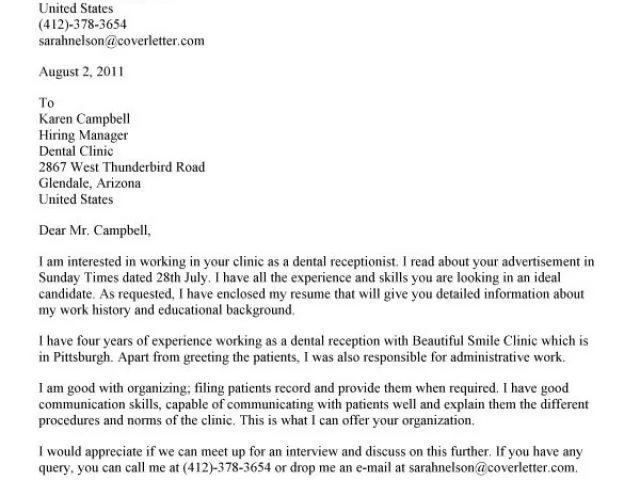
Why the Closing Sentence Matters for Cover Letters
The closing sentence of your cover letter is more than just a formality it’s your final opportunity to make a strong impression and secure the next step in the hiring process. In a competitive job market, every detail counts. A well-crafted closing can be the deciding factor in whether your application stands out or gets overlooked. It demonstrates your attention to detail, professionalism, and genuine interest in the position. This part of the cover letter summarizes your intent, reiterates your key qualifications, and often includes a call to action to encourage the recruiter to contact you for an interview. Without a strong closing sentence, you risk leaving a mediocre or incomplete impression.
First Impression Importance
Your cover letter essentially provides the first impression of your personality, skills, and enthusiasm. Recruiters often form their initial judgments based on the tone, clarity, and content of this document. An impactful closing reinforces the positive attributes presented earlier in your letter. The closing acts as the last reminder of your qualifications and helps shape the recruiter’s overall perception of you. A weak or missing closing sentence can undermine the effort you put into the rest of your cover letter, leaving the recruiter with an unclear or unmemorable impression. Every word should be strategically chosen to help you stand out.
The Purpose of a Cover Letter Closing

The closing sentence serves several key purposes. First, it should clearly restate your interest in the position and reiterate why you are a good fit for the role. Second, it provides a call to action, which encourages the hiring manager to take the next step. This could include requesting an interview or inquiring about further information. Third, a good closing expresses gratitude for the reader’s time and consideration. Finally, it should leave a lasting impression, making you memorable among numerous applicants. Your cover letter’s closing should reflect both the information you present and who you are as a professional.
Key Elements of a Great Closing Sentence
A compelling closing sentence incorporates several crucial elements to maximize its effectiveness. It should be concise, well-written, and tailored to the specific job and company. Avoid generic phrases; instead, use language that reflects your personality and enthusiasm. The best closings often summarize your key skills and how they align with the job requirements. Ensure you’re showcasing your value and making a memorable impression. This approach not only reinforces your suitability for the role but also motivates the reader to engage with your application further.
Expressing Enthusiasm
Expressing genuine enthusiasm is a powerful way to conclude your cover letter. This demonstrates your excitement about the opportunity and your desire to contribute to the company. Use words like ’eager,’ ’excited,’ or ’enthusiastic’ to show your eagerness to learn more. Show how much you have researched the company and what makes you excited about the work. Your enthusiasm will make you more memorable. Make sure to mirror the tone of the role and industry. You should always show excitement to match the overall mood of the application. (Image: enthusiasm-cover-letter.webp)
Reiterating Your Interest

Reiterating your interest is a crucial part of a good closing. Briefly restate why you’re interested in the role and why you are a good fit. This should summarize what you bring to the table. If you are applying for a specific role in a company, make sure that you show you understand the role. This can include referring to specific projects you’d like to work on, and highlight your qualifications. It allows you to remind the reader of the unique value you offer. This section should provide your overall pitch for the job.
Suggesting Next Steps
Including a call to action is an essential component of your closing. This indicates that you want to move forward in the hiring process. It may be a simple request to set up an interview or provide additional information. It’s crucial to make it easy for the hiring manager to take the next step. Ensure you provide contact information, such as your email or phone number. This encourages the hiring manager to reach out to you. Including a call to action shows that you’re proactive and that you value the opportunity.
Showcasing Professionalism
Professionalism is key, especially in a cover letter. You must maintain a professional tone, regardless of your industry or company. Always maintain a respectful and courteous tone in your cover letter. Make sure that your closing sentence reflects professionalism in the overall application. This reflects your character and ability to communicate. Your letter should be polished and free of errors. This will show that you pay attention to detail. (Image: professionalism-cover-letter.webp)
Crafting Effective Closing Sentences

Crafting effective closing sentences involves more than just following a template. You must personalize your message to the specific job and company. The goal is to be memorable and make a lasting impression. Your closing sentence should capture your qualifications and enthusiasm. Let the hiring manager know your desire to proceed to the next stage of the hiring process. Ensure your closing sentence clearly reflects both your skills and professional attitude, reinforcing that you are the ideal candidate for the role. This approach will greatly increase your chances of success.
Example 1: Highlighting Skills and Availability
“I am eager to bring my skills in project management and team leadership to [Company Name]. My availability for an interview at your earliest convenience would allow me to further demonstrate how I can contribute to your team’s success.” This is an effective closing sentence that quickly highlights key skills. The candidate also expresses enthusiasm. There is a direct call to action, which requests an interview and states the candidate’s availability. Make sure to let the reader know what you bring to the table, and what you can do for the company. Your availability is very important as well.
Example 2: Expressing Gratitude and Anticipation
“Thank you for considering my application. I am excited about the opportunity to learn more about the [Job Title] position and how I can contribute to [Company Name]’s goals. I look forward to the possibility of discussing my qualifications with you.” This is an excellent closing sentence that expresses gratitude and anticipation. It uses simple words and phrases to make the most impact on the recruiter. The job title and company’s goals are mentioned, showing that the applicant has done their research. It is crucial to use a strong closing for your application.
Example 3: Referencing Mutual Connections

“I am grateful to [Mutual Contact] for recommending me to this role, and I am highly enthusiastic to demonstrate how my skills align with the objectives of [Company Name]. I welcome an interview to delve further into my qualifications.” This closing sentence uses a reference and shows enthusiasm. It acknowledges the person who recommended the candidate, making this a strong and personal message. It includes a call to action. This is an impactful and memorable closing sentence. This is an effective example to follow.
Common Mistakes to Avoid
Avoiding common mistakes can greatly improve your cover letter’s effectiveness. The last thing you want is to lose out on the job by using poor closing sentences. Ensure that your closing sentence enhances your application rather than detracting from it. Pay close attention to these mistakes and avoid them. Focus on clarity, professionalism, and tailoring your message to the job requirements. This helps ensure a positive impression on the hiring manager. This way, you can avoid some common pitfalls. (Image: avoid-common-mistakes.webp)
Being Too Casual or Informal
Avoid informal language, slang, or overly familiar tones in your closing sentence. It’s best to remain professional and respectful, even if the company culture seems relaxed. Make sure your closing tone matches the overall tone of your cover letter. This includes using the correct grammar and punctuation. A casual approach can undermine your professionalism. Your closing sentence sets a professional tone. This shows that you take the job seriously. Always maintain a professional tone to leave a good impression.
Repeating the Same Content

Avoid simply restating what you’ve already written in the cover letter. The closing sentence provides an opportunity to offer something new or a fresh perspective. Instead of rehashing your skills or experience, try to express your enthusiasm. Demonstrate a forward-thinking attitude. Do not just repeat the same points. Instead, give the hiring manager more reasons to hire you. Add a final statement that summarizes your intention to contribute to the company. This is crucial to making sure you stand out from the competition.
Using Vague Language
Avoid vague phrases like ‘I look forward to hearing from you’ or ‘Thank you for your consideration.’ While these are polite, they lack impact and can make your application less memorable. It’s best to be specific about what you want. Try to express your skills, your availability, and your enthusiasm. Your closing sentence should convey your enthusiasm and your interest in the job. This is a crucial part of the application process. Your overall goal is to leave a lasting impression on the recruiter.
Tailoring Your Closing Sentence to the Job
Customizing your closing sentence for each job application is very important. Generic cover letters are easily recognizable and show a lack of genuine interest in the position. Always tailor your closing sentence to show you have researched the company. Researching the company shows that you’re serious about the role. It also allows you to match the language and tone to the role. By customizing your closing, you show that you care. Your goal is to make your cover letter shine. (Image: tailoring-cover-letter.webp)
Researching the Company and Role

Before you finalize your closing sentence, research the company and the specific role. This will allow you to tailor your message to their needs and values. If you’re applying for a tech company, learn more about the company culture. Then, align your closing sentence with their brand. Your research should guide your choice of language. This will allow you to be both precise and sincere. This will help you stand out from the many other applicants.
Matching the Tone of the Cover Letter
Your closing sentence should match the overall tone of your cover letter. Your application should be both engaging and professional. If your letter is formal, your closing should be as well. If your letter is casual, then your closing should be as well. The tone shows your ability to communicate effectively. You will create a consistent message. Be clear about what you want. This includes expressing your enthusiasm for the role. It is also important to reiterate why you are the right candidate. This will ensure a well-rounded and effective approach. (Image: proofreading-cover-letter.webp)
Proofreading and Editing Your Closing
Always proofread and edit your closing sentence for any errors. Errors in grammar, spelling, or punctuation can damage your credibility. Your application should be error-free and well-written. Before you submit, check everything. Always take a moment to read it carefully. Ask someone else to review it, as well. This will help you catch any mistakes that you may have missed. A polished, professional closing can make a big difference in making a great first impression. (Image: proofreading-cover-letter.webp)