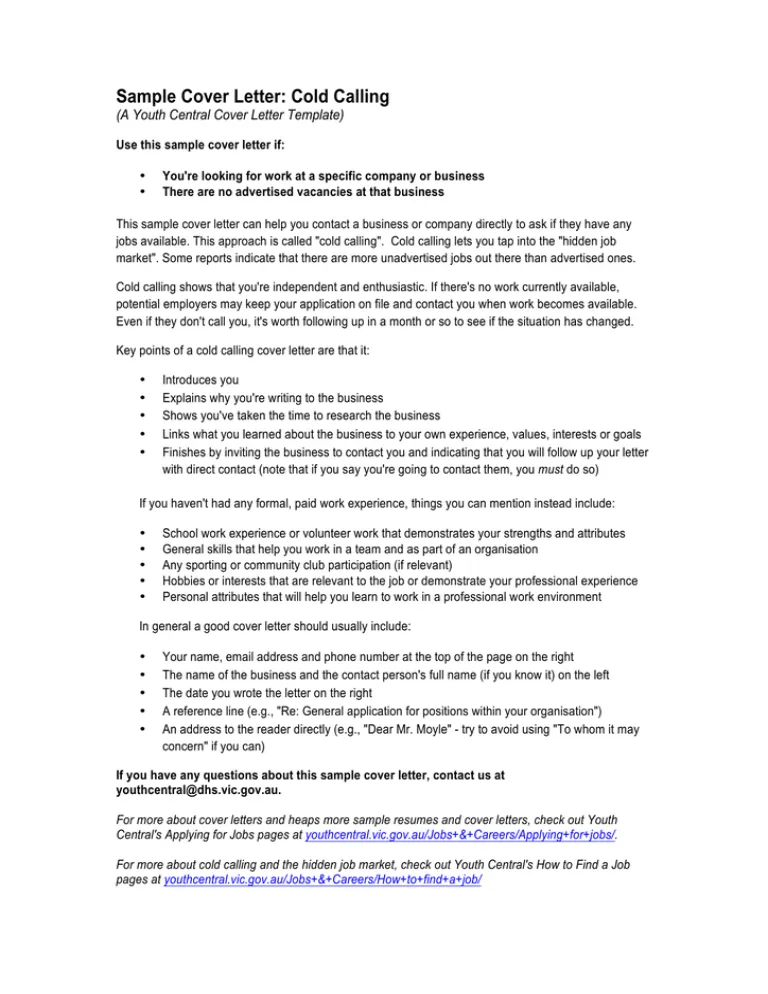
The Power of Cold Cover Letters
In the competitive world of job hunting, a cold cover letter can be your secret weapon. Unlike applications responding to posted job openings, cold cover letters are proactive, reaching out to companies even when they aren’t actively hiring. This approach demonstrates initiative and a genuine interest in the company, making you stand out from the crowd. The power of a well-crafted cold cover letter lies in its ability to create opportunities, opening doors to positions that might not have been advertised. However, success hinges on the execution. It is not about sending a generic letter; it’s about meticulous research, personalization, and showcasing your unique value. Mastering the art of cold cover letters can significantly boost your chances of landing your dream job and navigating the hidden job market.
Research and Personalization
Before you even begin writing, conduct thorough research. This is the foundation of a successful cold cover letter. Understanding the company’s mission, values, recent projects, and industry standing will enable you to tailor your letter to their specific needs and demonstrate your genuine interest. This level of detail shows that you are serious about the opportunity and have taken the time to understand their business. Furthermore, personalizing your letter indicates that you’re not just sending out a mass email. It demonstrates that you are addressing the company’s unique needs and goals.
Why Research Matters

Research allows you to align your skills and experience with the company’s specific needs. Identifying current challenges or projects allows you to position yourself as a solution provider. This targeted approach greatly increases the likelihood that your letter will capture the reader’s attention. Your research should involve more than just the company website; explore their social media, industry publications, and any news coverage to gain a comprehensive understanding. The more you know, the better equipped you are to make a compelling case for why you are the perfect fit. This is where a proper foundation of a strong cold cover letter starts.
How to Research Effectively
Begin by visiting the company’s website and exploring their ‘About Us,’ ‘Our Team,’ and ‘News’ sections. Look for recent press releases, blog posts, and social media updates to understand their current priorities. Use LinkedIn to research key individuals and identify potential hiring managers or decision-makers. Use Google News or industry-specific resources to read articles about the company and its competitors. This comprehensive approach helps you identify the key themes, challenges, and opportunities that you can address in your cover letter, making it highly relevant and impactful. Furthermore, by understanding the company, it allows you to find the proper contact and person to reach out to with your cover letter.
Highlighting Your Value Proposition
Once you’ve done your research, it’s time to showcase your value. A cold cover letter is not just about listing your skills; it’s about demonstrating how those skills can solve the company’s problems and contribute to its success. Think of it as selling a solution. Instead of merely stating what you can do, explain how your expertise aligns with their goals. Back up your claims with concrete examples and quantifiable achievements, showing potential employers exactly what you bring to the table. This approach makes it clear why you are the best candidate for the role.
Show, Don’t Tell
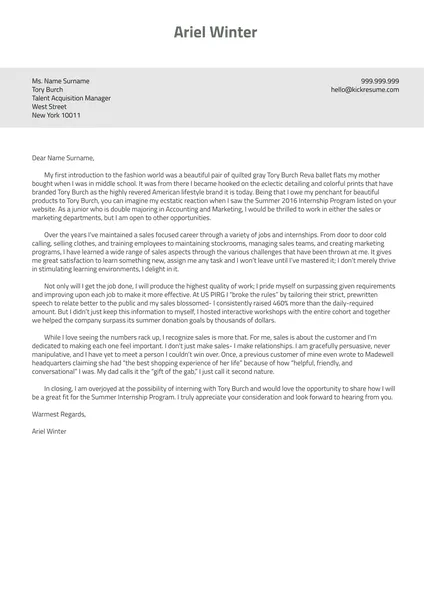
Instead of saying ‘I am a good communicator,’ provide an example of a time you effectively communicated a complex idea to a diverse audience, leading to a positive outcome. Instead of stating, ‘I am a team player,’ describe a project where you successfully collaborated with a team to achieve a specific goal. Focus on specific instances that illustrate your abilities, making your claims more credible and memorable. Use the STAR method (Situation, Task, Action, Result) to structure your examples, providing context, outlining your actions, and highlighting the results you achieved.
Quantify Your Achievements
Whenever possible, quantify your accomplishments. Instead of saying ‘Improved customer satisfaction,’ state ‘Increased customer satisfaction by 20%.’ Numbers give your claims more weight and provide concrete evidence of your impact. For example, instead of saying, ‘Managed social media,’ write ‘Grew social media following by 15,000 followers in six months, leading to a 10% increase in website traffic.’ These figures make your contributions clear and show potential employers the tangible value you bring. Even if it’s a volunteer position, provide numbers if possible. If you are a recent college grad, use your GPA to quantify your achievements.
The Importance of a Strong Opening
The opening of your cold cover letter is crucial because it determines whether the reader continues reading. You need to grab their attention from the first sentence. Avoid generic phrases and focus on what makes you stand out. This opening should be concise, engaging, and directly relevant to the company’s needs or goals. A strong start demonstrates your personality, sets the tone for the rest of the letter, and immediately establishes why you are reaching out. Think of it as the hook that grabs the reader’s attention and compels them to read on.
Avoid Generic Openings

Steer clear of clichés like ‘I am writing to express my interest…’ or ‘I am a highly motivated individual…’ These phrases are overused and fail to distinguish you from other applicants. Instead, start with a statement that showcases your understanding of the company, highlights a relevant achievement, or poses an intriguing question related to their business. For example, ‘I was impressed by your recent [project/campaign], and my experience in [relevant skill] aligns perfectly with your goals.’ This type of opening is direct, demonstrates your knowledge of the company, and immediately captures the reader’s interest.
Create Intrigue
Create curiosity by opening with a statement that is a bit of a puzzle, drawing the reader in and making them want to learn more. For example, you could start by referencing a recent company achievement, a common industry problem, or a specific goal. Then, briefly explain how your skills and experience can help them. The goal is to make the reader think, ‘Interesting, how can this person help us?’ and encourage them to read further. A bold or unique opening will set you apart and make a lasting impression.
The Art of a Compelling Closing
Your closing should reiterate your interest, summarize your key qualifications, and provide a clear call to action. Avoid simply ending with, ‘Thank you for your time.’ The goal is to leave a lasting impression and make it easy for the reader to take the next step. Restate your excitement for the opportunity, emphasize the value you bring, and make it clear that you are eager to hear back from them. This gives them a sense of closure, and reminds them of your strengths.
Call to Action

Clearly state what action you want the reader to take. Do you want to schedule a call, receive feedback, or simply be considered for future opportunities? Make it easy for the reader by providing a direct and specific call to action. For example, “I would welcome the opportunity to discuss how my skills can benefit your team. I am available for a call next week, and you can reach me at [your phone number or email address].” This directs the reader on the next step. A clear and concise call to action makes it easier for the reader to follow through and increases the likelihood of a positive response.
Follow-Up Strategy
Sending a cold cover letter is just the first step; a follow-up strategy is essential for maximizing your chances of success. Following up demonstrates persistence and a genuine interest in the opportunity. It’s also a way to ensure your letter was received and to remind the recipient of your value. Remember that the initial email might get lost in a busy inbox. A well-timed follow-up can help you stay top of mind and increase the chances of getting a response.
When and How to Follow Up
Wait about a week or two after sending your initial letter before following up. Send a brief, polite email referencing your original letter and restating your interest. Keep the follow-up concise. In your follow-up, you can reiterate your interest, provide any new information, or even offer a brief, helpful insight related to the company. Use a friendly and professional tone. If possible, try to reach out to the same person you initially contacted. Ensure your email is proofread and error-free before sending. Following up shows diligence and is a testament to your dedication to the opportunity. Make sure to follow up twice.
Formatting and Presentation

The appearance of your cold cover letter matters as much as the content. A clean, professional format makes your letter easy to read and demonstrates attention to detail. Use a standard font like Times New Roman, Arial, or Calibri, with a font size between 10 and 12 points. Ensure there’s ample white space, using single-spacing within paragraphs and double-spacing between paragraphs. Use clear and concise language throughout, and break up long blocks of text with bullet points or short paragraphs. This makes your letter more visually appealing and keeps the reader engaged.
The Importance of Proofreading
Before sending, proofread your cover letter meticulously. Errors in grammar, spelling, and punctuation can undermine your credibility. Carefully check for typos, incorrect word usage, and ensure your sentences flow smoothly. Consider having a friend or career counselor review your letter for a fresh perspective. Errors can create a bad impression and are easily avoidable, so proofread carefully to highlight your professionalism.
Common Cold Cover Letter Mistakes
Avoiding common mistakes can significantly improve your cold cover letter’s effectiveness. These errors can distract the reader, diminish your credibility, and decrease your chances of getting a positive response. Recognizing and avoiding these mistakes is essential for making a strong first impression. Take time to understand common pitfalls so you can address them.
Ignoring Company Culture

Failing to demonstrate an understanding of the company’s culture and values is a major mistake. Your cover letter should be tailored to reflect the company’s ethos. Researching their mission, values, and employee testimonials can help you tailor your letter. You should show you’re not just interested in the job, but that you are genuinely interested in the company and can align with their values. Make sure your tone, language, and examples resonate with their values. Otherwise, your cover letter might be considered irrelevant.
Sending Generic Letters
Avoid using a generic template. A mass-produced cover letter is easily identifiable and demonstrates a lack of effort or interest. Take the time to personalize each letter to the specific company and the role or area you are targeting. Research the company, tailor your resume, and highlight skills that are relevant to their needs. This shows initiative and that you’re willing to put in the work to demonstrate your value.
Focusing on Yourself Too Much
While your cover letter should highlight your qualifications, focusing solely on yourself without addressing the company’s needs is a common mistake. Frame your accomplishments in the context of how they benefit the company. Instead of saying ‘I have five years of experience in marketing,’ say ‘My five years of marketing experience have helped me develop strategies that increase customer engagement by 20%, which aligns with your goals.’ Always consider the company’s perspective and explain how your skills can solve their problems or achieve their goals. It is not about you, it’s about them.
Typos and Grammatical Errors
Typos and grammatical errors can instantly diminish your credibility. Always proofread your letter carefully before sending. Use a grammar checker, but don’t rely solely on it. Have a friend, mentor, or career counselor review your letter for a fresh perspective. Errors are easily avoidable but can have a huge impact on how you’re viewed. A well-written letter demonstrates attention to detail and professionalism, while errors show a lack of care. Make sure to carefully proofread to ensure your cover letter is the best it can be.
Examples of Successful Cold Cover Letters
Studying successful cold cover letters can provide valuable insights and inspiration. Look for examples that demonstrate effective research, personalization, and a strong value proposition. Pay attention to how the writers open their letters, structure their arguments, and include a clear call to action. Analyze how they quantify their achievements and tailor their language to resonate with the target audience. These examples can serve as models for your own letters, helping you craft compelling and effective communications.
Key Takeaways For Cold Cover Letters
Mastering the art of cold cover letters takes time, effort, and a strategic approach. Remember that success is about creating a relationship. Your goal is to open a door, not to make a sale. Your cold cover letter is a tool for showcasing your skills, demonstrating your value, and opening doors to new opportunities. By focusing on research, personalization, and a clear value proposition, you will be much more likely to land an interview and ultimately, the job. So, follow the secrets, avoid the mistakes, and write the cold cover letter that will land you your dream job.