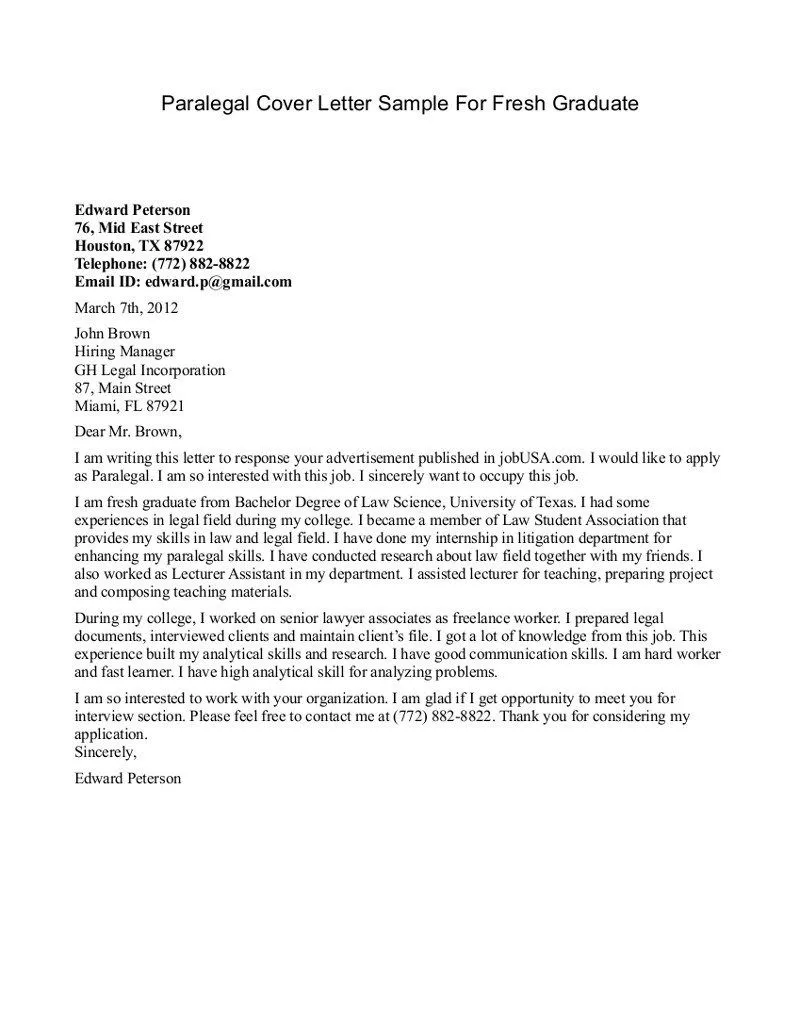
Understanding the Fresh Graduate Cover Letter
A fresh graduate cover letter is your first introduction to a potential employer. It’s a crucial document that accompanies your resume when applying for jobs. Unlike a resume, which provides a summary of your qualifications, a cover letter gives you the opportunity to express your personality, articulate your career goals, and explain how your skills and experiences align with the specific job requirements. It’s your chance to make a strong first impression and convince the hiring manager that you’re the right fit for the role.
What is a Cover Letter
A cover letter is a one-page document that you submit with your resume when applying for a job. It provides additional information about your skills and experiences, and explains why you are a good fit for the role. A well-written cover letter can significantly increase your chances of getting an interview. It’s a personalized introduction where you can showcase your personality and demonstrate your understanding of the company and the position. The goal is to convince the reader to review your resume.
Why Cover Letters are Important for Fresh Graduates

For fresh graduates, a cover letter is especially important because it helps bridge the gap of limited work experience. It allows you to highlight your academic achievements, internships, projects, and any transferable skills that make you a strong candidate. It provides context to your resume and allows you to connect your skills and experiences to the specific requirements of the job. It’s a great way to show enthusiasm, demonstrate your writing ability, and explain your career aspirations. In competitive job markets, a well-crafted cover letter can set you apart from other applicants.
Key Components of a Fresh Graduate Cover Letter
A strong cover letter consists of several key components that work together to make a compelling case for your candidacy. These components include your contact information, the date, the hiring manager’s name (if available), a compelling opening paragraph, a section highlighting your skills and qualifications, a section showcasing your relevant education and experience, a closing paragraph that expresses your enthusiasm and next steps, and proofreading for any errors. Each section plays a vital role in conveying your professionalism, highlighting your strengths, and demonstrating your suitability for the position.
Contact Information and Date
At the top of your cover letter, include your contact information: your full name, phone number, email address, and optionally, your LinkedIn profile URL. Directly below your contact information, include the date. Ensure your contact information is easy to read and accurate, as this is how the employer will reach you. Double-check that your email address is professional and that your voicemail message is also appropriate. This section is crucial for making it easy for the hiring manager to contact you for an interview.
Greeting the Hiring Manager

Always address your cover letter to a specific person if possible. Research the hiring manager’s name (e.g., by checking the job posting or company website) and use “Dear Mr./Ms. [Last Name].” If you can’t find a specific name, use a professional greeting like “Dear Hiring Manager” or “Dear [Department Name] Team.” Avoid generic greetings like “To Whom It May Concern,” as they can make your application seem impersonal. Personalizing the greeting shows you’ve taken the time to research the company and are genuinely interested in the position.
Crafting a Compelling Opening Paragraph
Your opening paragraph is your chance to immediately grab the hiring manager’s attention. Briefly state the position you’re applying for and where you saw the job posting. Then, provide a concise statement about why you’re a good fit. Highlight a key skill or achievement that aligns with the job requirements. For example, if the job requires strong communication skills, you could mention a project where you successfully led a team. This introduction sets the tone for the rest of your letter and encourages the reader to continue. Ensure this paragraph is concise, engaging, and demonstrates your enthusiasm.
Highlighting Your Skills and Qualifications
In this section, showcase the skills and qualifications that make you an ideal candidate. Review the job description and identify the key requirements. Then, provide specific examples of how you’ve demonstrated these skills in the past. This might include skills gained through coursework, projects, internships, or extracurricular activities. Use action verbs to describe your achievements and quantify your results whenever possible (e.g., “Managed a team of five,” “Increased social media engagement by 30%.”) This section demonstrates how your abilities align with the job’s demands, ensuring a targeted and relevant approach.
Showcasing Relevant Education

As a fresh graduate, your education is one of your most significant assets. Highlight your degree, major, and any relevant coursework that aligns with the job requirements. Mention any academic achievements, such as honors, awards, or a high GPA (if it’s impressive). If you have any specializations or areas of focus within your degree, be sure to mention them. Briefly describe any relevant projects or theses you completed, emphasizing the skills and knowledge gained. This demonstrates your foundation of knowledge and your ability to apply it, highlighting your preparation for the role.
Emphasizing Internship or Project Experience
If you have internship or project experience, this is the section where you showcase it. Describe your responsibilities and accomplishments in each role, emphasizing the skills you developed and the results you achieved. Use the STAR method (Situation, Task, Action, Result) to provide concrete examples of your accomplishments. For example, “During my internship at [Company Name], I was tasked with [Task]. To address this, I [Action], which resulted in [Result].” Quantify your achievements whenever possible. This section demonstrates practical experience and how you’ve applied your knowledge in a real-world setting.
Demonstrating Soft Skills
Soft skills are essential for success in any job. Highlight your soft skills, such as communication, teamwork, problem-solving, leadership, and time management. Provide examples of how you’ve demonstrated these skills in your academic, extracurricular, or internship experiences. For instance, you could mention a time when you successfully resolved a conflict within a team or led a project to completion under a tight deadline. Demonstrating soft skills will highlight your adaptability and your ability to contribute positively to a work environment, showing that you’re a well-rounded and capable candidate.
Addressing the Job Requirements

Carefully review the job description and directly address the requirements outlined in the posting. Align your skills, experiences, and qualifications with the specific needs of the role. Use keywords from the job description to demonstrate that you understand the requirements and have the necessary skills to succeed. Show the employer that you understand their needs by describing how your qualifications meet their needs. Tailoring your letter to match the job description increases your chances of being chosen for the role.
Tailoring Your Letter to Each Application
Never send a generic cover letter. Customize each cover letter to the specific job and company you’re applying to. Research the company, understand their mission, values, and culture, and tailor your letter to align with their specific needs. Mention specific projects or initiatives the company is involved in and explain how your skills and experiences could contribute. This personalized approach demonstrates your interest and shows that you’ve taken the time to understand the company and the role.
Writing a Strong Closing Paragraph
Your closing paragraph should summarize your interest in the position and reiterate your enthusiasm. Express your desire to learn more about the opportunity and thank the hiring manager for their time and consideration. Include a call to action, such as expressing your availability for an interview and providing your contact information again. Keep the tone positive and professional, making sure to leave a memorable final impression.
Expressing Enthusiasm and Next Steps

In your closing, express your enthusiasm for the position and the company. Make sure to thank the hiring manager for their time and consideration. Clearly state your interest in the next steps of the hiring process, such as an interview. Reiterate your contact information, including your phone number and email address, to make it easy for the employer to reach you. This reiterates your interest and simplifies the next steps.
Proofreading and Formatting Your Cover Letter
Before submitting your cover letter, carefully proofread it for any grammatical errors, spelling mistakes, and typos. Ensure your writing is clear, concise, and professional. Use a professional font (e.g., Times New Roman, Arial, Calibri) and maintain consistent formatting throughout your letter. A well-formatted and error-free cover letter shows attention to detail and professionalism. Proofread several times and ask a friend or career advisor to review your letter for feedback before submitting it.
Formatting Tips for Readability
Use a standard business letter format with one-inch margins and single-spacing between lines. Use a clear and easy-to-read font, such as Times New Roman or Arial, in a size between 10 and 12 points. Break up large blocks of text with short paragraphs and bullet points to make your letter easier to scan. Use bolding and italics sparingly for emphasis, and ensure your letter is no more than one page long. These formatting guidelines will make your letter more visually appealing and easier for the hiring manager to read.
Common Mistakes to Avoid

Avoid common mistakes that can hurt your chances of getting an interview. These include: sending a generic cover letter, using unprofessional language or tone, including excessive personal information, having typos or grammatical errors, and simply restating your resume. Don’t use clichés or overused phrases, and avoid being too casual. Make sure to research the company and the position thoroughly before writing your cover letter. These mistakes will reflect poorly on your candidacy.
Using Action Verbs
Use action verbs to describe your accomplishments and responsibilities in your cover letter. This makes your letter more engaging and shows that you are proactive and results-oriented. Some effective action verbs include: managed, led, created, developed, implemented, organized, improved, and achieved. Using strong action verbs will make your cover letter more compelling and help you stand out from other candidates. The use of strong action verbs shows you’re ready to act and achieve the required tasks.
Sample Cover Letter for Fresh Graduates
Here is a sample cover letter template that you can adapt for your own job applications. Remember to replace the bracketed information with your own details and tailor the content to each specific job. This template provides a starting point that you can adjust to best show your background. By tailoring the content, you can show employers how your skills and experience align with the requirements.
Example 1 Entry-Level Position
Use the cover letter to highlight your relevant skills and tailor it to the job requirements. The job posting details will help you show the requirements of the position. Highlight any relevant internships, projects, or coursework that align with the entry-level role. Emphasize your enthusiasm for the company and the opportunity to learn and grow. Show them why your skills and education make you a great fit.
Example 2 Internship Application
When applying for an internship, highlight your academic achievements, any relevant coursework, and your career goals. Focus on the skills you hope to develop during the internship and how the experience will benefit your career. Show that you are motivated to learn and contribute to the company. Explain how you’ll use this experience to grow as a professional, and show how your skills align with the company.
Example 3 Specific Skills and Experience
If you have specific skills or experience that are particularly relevant to the job, be sure to highlight them in your cover letter. Provide concrete examples of how you’ve used these skills in the past and the results you achieved. Use keywords from the job description to demonstrate that you understand the requirements and can meet the demands of the role. Show them how your unique experience will contribute to the company.
Final Tips for Success
Before submitting your cover letter, always proofread it carefully and ask a friend, career counselor, or family member to review it for feedback. Customize each cover letter to the specific job and company you’re applying to. Make sure the tone and language are appropriate for the industry and company culture. Remember, the cover letter is an opportunity to make a positive first impression and set yourself apart from the competition. Good luck in your job search! Make the most of these tips to demonstrate to prospective employers that you are the right fit for the role.