Why You Need a Cover Letter for Apartment Leasing
Even without direct experience, a well-crafted cover letter is your key to unlocking an apartment leasing position. It’s your first impression, your chance to stand out from the crowd, and a way to convince the hiring manager that you possess the necessary skills and enthusiasm, even if your resume doesn’t scream ’leasing expert.’ A cover letter for apartment leasing, especially when you have no prior experience, serves as a vital tool in demonstrating your eagerness to learn and your understanding of the industry. It lets you explain how your existing abilities translate effectively into this new field. A great cover letter can bridge the gap, showing why you’re a good fit for the role despite the lack of hands-on experience. It’s where you narrate your potential, making a compelling case for your candidacy and setting you apart from other applicants.
Highlighting Transferable Skills
When you lack direct experience, the focus shifts to transferable skills – the abilities you’ve honed in previous roles, education, or volunteer activities. These skills, while not specifically related to apartment leasing, are crucial for success in the role. Identifying and highlighting these skills is critical. Consider roles where you’ve interacted with the public, managed projects, or handled administrative tasks. Think carefully about your past and pick out the abilities that are applicable in your new field, because these are going to make or break your chances of getting an interview.
Customer Service Skills

Exceptional customer service skills are at the heart of successful apartment leasing. Highlight any experience you have in interacting with customers, resolving issues, and providing assistance. This could be from retail, hospitality, or any role where you were responsible for customer satisfaction. Explain how you actively listened to customer needs, provided solutions, and ensured a positive experience. Use specific examples of how you went above and beyond to help clients or customers, like the time you resolved a complex issue for a client or consistently received positive feedback from customers. This demonstrates a natural aptitude for the customer-facing aspects of apartment leasing.
Communication Skills
Communication is another cornerstone of apartment leasing. Emphasize your ability to communicate clearly and effectively, both verbally and in writing. This includes the ability to explain complex information, negotiate, and build rapport. Provide examples of your communication prowess. Did you deliver presentations? Manage social media? Write reports? Describe how you tailored your communication style to different audiences and situations. Any experience in public speaking, conflict resolution, or even writing persuasive emails can be valuable. Make sure to show how your communication abilities helped achieve certain goals, like increased sales, improved customer satisfaction, or successful project completion.
Organization Skills
Apartment leasing involves managing numerous tasks simultaneously, from scheduling viewings to processing applications. Highlight your organizational skills by detailing your experience with time management, prioritizing tasks, and maintaining accurate records. Mention any experience with scheduling, managing databases, or handling administrative duties. Do you use a planner or digital tools to stay organized? Have you ever implemented a system to improve efficiency? Show how you keep track of details, manage deadlines, and stay organized under pressure. Consider specific examples where you effectively managed multiple projects or responsibilities concurrently and delivered results on time.
Researching the Apartment Leasing Role

Before writing your cover letter, research the specific responsibilities of an apartment leasing agent. Understand the day-to-day tasks, the software used, and the company’s values. Research the company you’re applying to; understand their mission, values, and the specific properties they manage. This preparation enables you to tailor your letter effectively. Understanding the role requirements ensures that you speak to the most relevant skills and experiences. Tailoring your application will help your chances.
Understanding Job Responsibilities
Familiarize yourself with typical apartment leasing agent responsibilities. This includes showing apartments, processing applications, managing leases, handling tenant inquiries, and coordinating move-ins and move-outs. Research these tasks thoroughly. The more you understand the role, the better you can show your preparedness and your ability to learn quickly. You can often find this information on the company’s website, job postings, or by networking with people in the industry. Understanding the day-to-day tasks of an apartment leasing agent will help you craft a cover letter that resonates with potential employers.
Analyzing the Job Description
Carefully review the job description for each position you apply for. Identify the key skills and qualifications the employer is seeking. Make a list of the keywords and phrases used in the description. These keywords are crucial, as they tell you exactly what the hiring manager values. Tailor your cover letter to address these specific requirements. Make sure to highlight the aspects of your experience that align with those needs. By matching your skills to the job description, you significantly increase your chances of getting noticed. This demonstrates that you’ve done your homework and are genuinely interested in the role.
Formatting Your Cover Letter for Impact

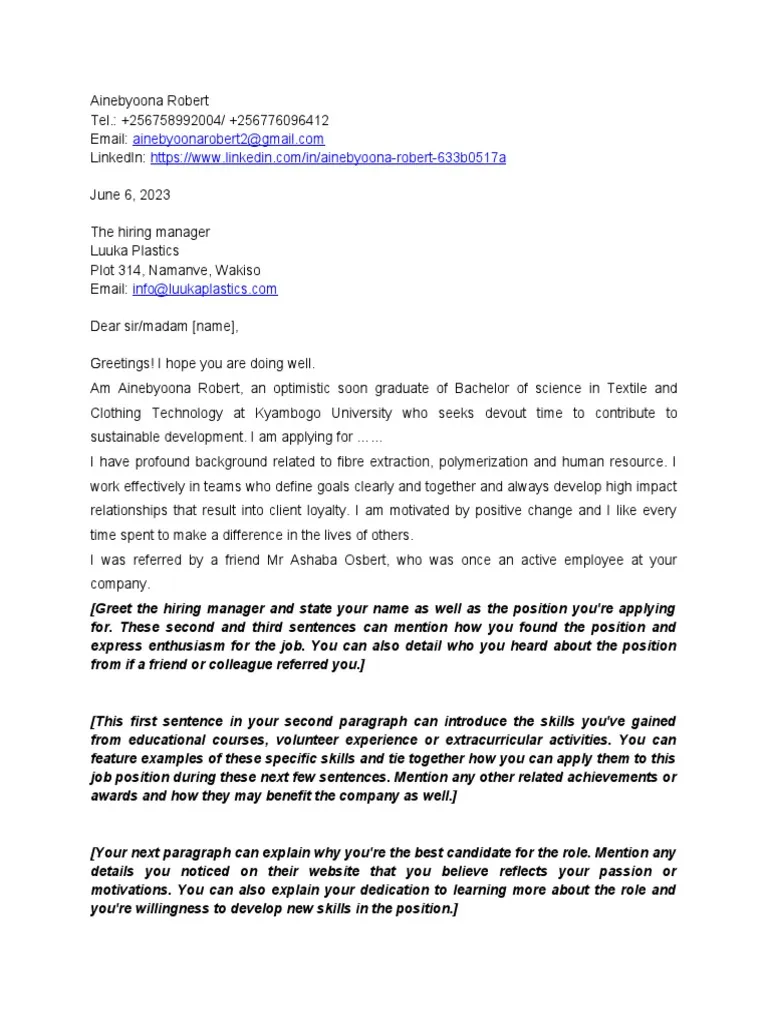
Formatting matters. Your cover letter should be clean, professional, and easy to read. Use a standard font like Times New Roman, Arial, or Calibri. Maintain consistent formatting throughout. Structure your letter with clear sections and paragraphs. Proper formatting demonstrates your attention to detail and commitment to professionalism. A well-formatted cover letter shows you respect the hiring manager’s time and makes it easier for them to quickly assess your qualifications. A professional appearance will make the most positive impression.
Contact Information and Salutation
Start your cover letter with your contact information: name, phone number, email address, and LinkedIn profile (if applicable). Then, address the letter to the hiring manager by name, if possible. Research the company website or LinkedIn to find the correct contact person. If you can’t find a name, use a professional greeting such as “Dear Hiring Manager.” Proper salutations and formatting show your attention to detail and professionalism. Personalizing your greeting makes a positive impact from the start, letting the employer know that you made an effort to learn about the role and their company.
Crafting a Compelling Opening
Your opening paragraph is your first chance to grab the reader’s attention. Express your interest in the apartment leasing position and mention where you saw the job posting. Briefly state why you’re a good fit, even without direct experience. You can also mention your enthusiasm for the company or the industry. Make the opening concise, enthusiastic, and memorable. A strong opening will set the tone for the rest of your letter. Immediately highlight your key strengths, showing your immediate value. This helps catch the hiring manager’s attention, who is likely reading many cover letters.
Body Paragraphs Highlighting Skills and Enthusiasm

The body paragraphs are where you highlight your transferable skills and demonstrate your enthusiasm for the role. Use specific examples to illustrate your skills. Instead of just saying you’re a good communicator, describe a situation where you successfully resolved a conflict or presented information. Explain how your skills will benefit the company and show that you understand the responsibilities of an apartment leasing agent. Your goal is to show how your skills can translate into success. Demonstrate your willingness to learn and your passion for the industry. Focus on your most relevant achievements and experiences that align with the job description. These paragraphs must convince the hiring manager that you’re a great fit.
Tailoring Your Letter to Each Application
Never use a generic cover letter. Customize each letter to the specific job and company. Review the job description carefully and tailor your letter to highlight the skills and experiences most relevant to the position. Research the company and mention something specific you admire about their properties or their values. This demonstrates genuine interest and initiative. Customizing your cover letter shows you’ve taken the time to understand the role and the company. This increases your chance of getting an interview.
Quantifying Achievements
Whenever possible, quantify your achievements. Instead of saying, “I improved customer satisfaction,” say, “I increased customer satisfaction scores by 15%.” Numbers and data make your accomplishments more concrete and persuasive. Quantifiable results demonstrate your impact and effectiveness. Quantifying your achievements provides a clear picture of your skills and accomplishments. Numbers make a more compelling case than general statements. Using concrete numbers shows you’ve delivered value in previous roles. This makes the hiring manager more likely to recognize your potential.
Writing a Strong Closing

End your cover letter with a strong call to action. Express your enthusiasm for the opportunity and reiterate your interest in an interview. Thank the hiring manager for their time and consideration. Provide your contact information again to make it easy to reach you. Your closing paragraph should summarize your key skills and reiterate your enthusiasm. This demonstrates your confidence and leaves a lasting impression. Make a clear request for an interview so that the hiring manager knows you are serious about the role.
Proofreading and Editing
Proofreading is essential. Before submitting your cover letter, carefully proofread it for any grammatical errors, spelling mistakes, or typos. Incorrect grammar or spelling can be a significant turnoff for hiring managers. Read your letter out loud to catch any awkward phrasing or sentence structures. Have a friend or family member review your letter as well. Correct proofreading demonstrates your attention to detail and your professionalism. Correcting errors greatly enhances the credibility of your application. Ensure that the language is clear, concise, and polished. A final review is necessary before you submit your application. Your cover letter is a reflection of your abilities; make sure it makes you look great.
Key Phrases and Keywords to Include
Incorporate relevant keywords and phrases from the job description into your cover letter. These keywords help demonstrate that you meet the specific requirements. Some important phrases include “customer service,” “communication skills,” “lease agreements,” “property management,” and any software or systems mentioned in the job description. Tailor your language to align with the job posting. This helps your application get noticed by applicant tracking systems and hiring managers alike. Using the right keywords increases your chances of getting your application noticed. The inclusion of such relevant language signals your understanding of the industry. Including industry-specific terms demonstrates you did your homework.
Using Action Verbs

Use strong action verbs to describe your skills and accomplishments. Action verbs make your cover letter more dynamic and engaging. Start your sentences with active verbs to show your initiative and drive. Some examples include managed, implemented, coordinated, created, achieved, and resolved. Using action verbs strengthens your cover letter, making it more impactful. Replace passive language with active verbs. This will make your skills and experiences feel more alive and tangible. Action verbs quickly show how your skills have produced results. Such verbs make you appear to be more active and effective.
Demonstrating Knowledge of the Company
Show that you’ve done your research by demonstrating knowledge of the company and its properties. Mention specific details that caught your interest or align with your career goals. Researching the company and its values demonstrates a genuine interest in the opportunity. Knowing the company’s mission, values, and property portfolio demonstrates initiative. This also helps you tailor your letter to reflect the company’s unique needs and values. Showing an understanding of the company’s specific goals will make your application more compelling.
Cover Letter Mistakes to Avoid
Avoid common cover letter pitfalls to ensure your application stands out for the right reasons. These mistakes can undermine your application, even if you have the skills and experience the hiring manager seeks. Attention to detail and avoiding common mistakes will give you an advantage.
Common Errors

Avoid grammatical errors, typos, and spelling mistakes. These errors can create a negative impression and suggest a lack of attention to detail. Proofread your cover letter carefully before submitting. Using incorrect grammar or misspellings is a big mistake. Carefully proofread your application to ensure it is error-free. These errors can reduce your credibility. These types of mistakes can cost you an interview. Make sure to always carefully proofread.
Using Generic Language
Avoid using generic, cookie-cutter language. Tailor your cover letter to each specific job and company. Use the job description and company website to personalize your message. Use unique language to stand out. Generic language demonstrates a lack of effort. Personalized language gives a better impression of yourself. Avoid using phrases that could apply to any job. Personalize your letter to demonstrate your genuine interest. Showing your effort in tailoring your letter significantly increases your chances.
Getting Your Cover Letter Reviewed
Having a second pair of eyes review your cover letter can significantly improve its impact. Seek feedback from friends, family members, career counselors, or professionals in the apartment leasing field. Getting feedback helps identify areas for improvement. A fresh perspective can catch errors you might have missed. Constructive feedback is a valuable tool. Take feedback and make improvements to your application. Reviewing is an essential step to ensure your letter showcases your skills. A good review is helpful when applying for jobs.
Seeking Feedback
Ask for constructive criticism. Ask the person reviewing your letter for any comments on clarity, grammar, and overall effectiveness. Be open to suggestions and willing to make revisions based on the feedback. Ask for feedback on your writing style, content, and formatting. Constructive criticism leads to improvements. The ability to accept and utilize feedback is an important workplace skill. Take feedback seriously. This shows you are open to growth. Ensure the person providing feedback understands the apartment leasing role.
Finalizing and Submitting Your Cover Letter
Once you’ve made all necessary revisions and are confident in your cover letter, it’s time to finalize and submit your application. Carefully review all the application instructions and ensure you’ve followed them correctly. Double-check the file format and make sure your contact information is accurate. Ensure all attachments are correctly submitted. Submitting your cover letter with precision demonstrates professionalism. Submitting on time gives you an advantage. This step is vital to your success. Completing this step shows your preparedness.