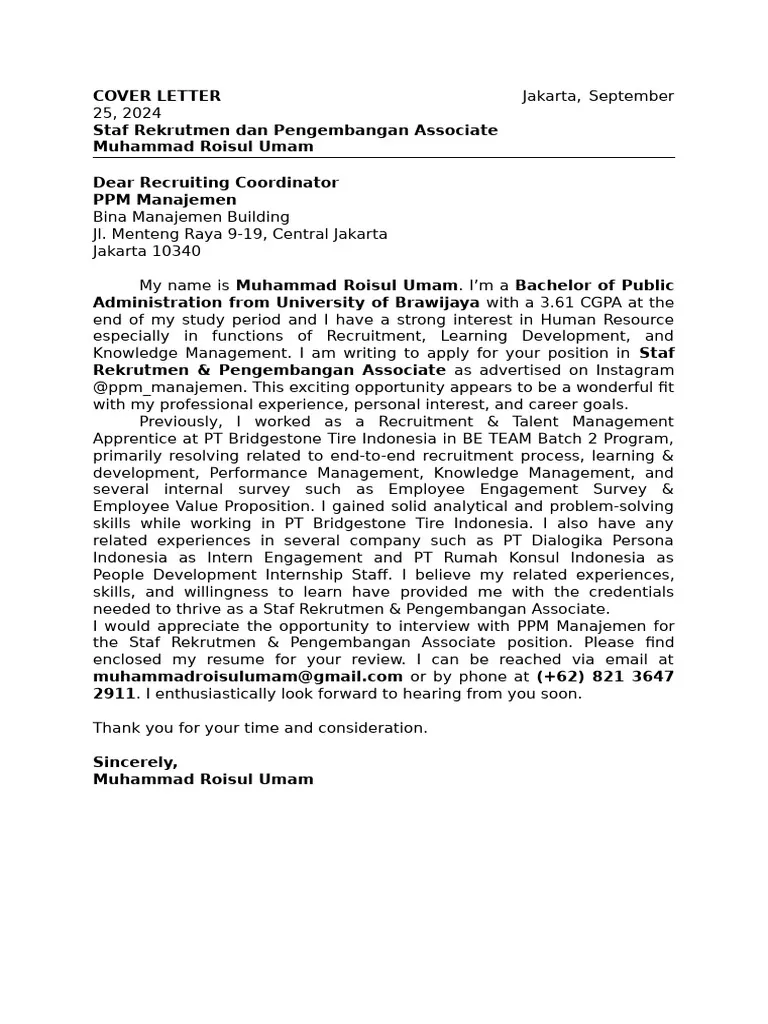
What is a Cover Letter
A cover letter is a crucial document that accompanies your resume when applying for a job. Think of it as your personal introduction to a potential employer, a chance to showcase your personality, and demonstrate why you’re the perfect fit for the role. It’s your opportunity to make a strong first impression and persuade the hiring manager to read your resume in detail. A well-crafted cover letter can significantly increase your chances of landing an interview, while a poorly written one can lead to your application being overlooked. Therefore, it’s essential to understand the components and best practices of writing an effective cover letter.
The Purpose of a Cover Letter
The primary purpose of a cover letter is to highlight your qualifications and express your interest in a specific job. It allows you to go beyond the bullet points of your resume and provide context to your skills and experience. You can explain why you’re interested in the company, what you know about the role, and how your skills align with their needs. It also helps you demonstrate your written communication skills and your understanding of the job requirements. A well-written cover letter provides a narrative that connects your past experiences to the future opportunity.
Cover Letter Basics

Cover letters should be concise, usually one page in length. They should be tailored to each job application, demonstrating your understanding of the specific requirements. They follow a standard business letter format, with a clear structure and professional tone. The language used should be formal and persuasive, showcasing your enthusiasm and professionalism. Always proofread carefully for any grammatical errors or typos. Use keywords from the job description to demonstrate your understanding of the role requirements and ensure your letter aligns with the company’s needs. Keep the tone positive and enthusiastic throughout the letter.
Key Components of a Cover Letter
Your Contact Information
At the top of your cover letter, include your full name, address, phone number, and email address. This information should be easy to find and readily accessible. Make sure your email address is professional; avoid using nicknames or casual handles. The goal is to make it simple for the employer to contact you. Accuracy is critical; double-check all details to ensure there are no errors that could hinder communication. This section establishes your identity and makes it easy for the hiring manager to get in touch with you.
The Date

Below your contact information, include the current date. This helps the hiring manager understand when the letter was written and received. Use the standard date format (Month Day, Year), e.g., September 20, 2024. This simple detail adds to the professionalism of your letter and keeps everything organized. Accuracy here also reflects your attention to detail, a quality employers appreciate.
Hiring Manager’s Information
If possible, address the cover letter to a specific person, such as the hiring manager or the recruiter. Find their name by researching the company website, LinkedIn, or the job posting. Address the letter to the correct person; it shows you have put in the effort. Use their title (Mr., Ms., Dr., etc.) and last name. If you can’t find a specific name, use a general greeting like ‘Dear Hiring Manager’ or ‘Dear [Company Name] Hiring Team’. This step personalizes your letter.
Greeting
Start your cover letter with a professional greeting. ‘Dear Mr./Ms./Dr. [Last Name]’ is a standard choice. If you don’t know the hiring manager’s name, use a general greeting like ‘Dear Hiring Manager’ or ‘To Whom It May Concern’. Avoid overly casual greetings. The greeting sets the tone for your letter, so it is essential to maintain professionalism from the start.
Opening Paragraph

The opening paragraph should immediately grab the reader’s attention. State the position you’re applying for and where you saw the job posting. Briefly mention your enthusiasm for the role and the company. Briefly outline the unique value you bring to the role, highlighting your most relevant skill or experience. Keep it concise and impactful, setting the stage for the rest of the letter. For example, “I am writing to express my keen interest in the Marketing Manager position at [Company Name], as advertised on [Platform]. With five years of experience in digital marketing and a passion for [Company’s industry/mission], I am confident I can significantly contribute to your team’s success.”
Body Paragraphs
The body paragraphs are the core of your cover letter. Use these paragraphs to showcase your skills, experience, and how they align with the job requirements. Provide specific examples of your accomplishments and quantify your achievements whenever possible. Use the STAR method (Situation, Task, Action, Result) to describe your experience. Tailor these paragraphs to the job description, emphasizing the skills and experiences most relevant to the role. Keep it focused and highlight your key qualifications and abilities to get hired.
Highlighting Your Skills and Experience
Focus on the skills and experiences most relevant to the job description. Review the job posting carefully and identify the key requirements. For each requirement, provide an example from your work history where you demonstrated that skill. Explain the situation, the task you were given, the actions you took, and the results you achieved. Use action verbs to describe your accomplishments and skills. Tailor your cover letter for each application. Don’t just list your skills; show how you’ve used them effectively.
Quantifying Your Achievements

Whenever possible, quantify your achievements to demonstrate your impact. Use numbers, percentages, and specific metrics to illustrate your accomplishments. For example, instead of saying ‘Improved sales,’ say ‘Increased sales by 20% in one quarter.’ Quantifiable results make your achievements more credible and show the hiring manager the value you can bring to the company. Specific data helps showcase the value you can bring to the company, helping you to stand out from other applicants.
Tailoring to the Job Description
Carefully tailor your cover letter to the specific job description. Review the job posting and identify the key requirements and keywords. Use these keywords throughout your cover letter to show the hiring manager that you understand the role and possess the necessary skills. Demonstrate that you have researched the company and understand its mission and values. Show how your skills and experience align with the company’s needs and goals. Customize your cover letter for each role to increase your chances of getting hired.
Closing Paragraph
In the closing paragraph, summarize your key qualifications and reiterate your interest in the position. Thank the hiring manager for their time and consideration. Express your enthusiasm for the opportunity. Keep this section concise and leave a lasting positive impression. Summarize your key qualifications and express enthusiasm, and you’re set for the next step.
Call to Action

Include a clear call to action in your closing paragraph. This could be an invitation to contact you for an interview or a statement expressing your eagerness to discuss your qualifications further. Make it easy for the hiring manager to take the next step. Your goal is to make it simple for them to contact you. Indicate how you will follow up and when, it shows proactiveness.
Thank You and Closing
End your cover letter with a professional closing such as ‘Sincerely’ or ‘Yours sincerely.’ Sign off with your full name. Thank the hiring manager for their time and consideration, and reiterate your excitement about the opportunity. A simple closing statement helps ensure your letter remains professional.
Formatting Your Cover Letter
Font and Font Size

Choose a professional and readable font like Times New Roman, Arial, or Calibri. Use a font size of 11 or 12 points. The font should be easy to read, and the size should be appropriate for the reader. Keep it consistent throughout the document, which adds to the letter’s polished appearance. A clean and readable format enhances the overall presentation.
Margins and Spacing
Use standard margins of 1 inch on all sides. Single-space the text within paragraphs and double-space between paragraphs. Proper spacing enhances readability. Make sure the letter is easy to scan. Consistent margins and spacing create a well-organized and professional look, which improves the overall presentation.
Proofreading and Editing
Carefully proofread and edit your cover letter for any grammatical errors, typos, or inconsistencies. Ensure that your writing is clear, concise, and free of errors. Mistakes can create a negative impression. Use spell-check and grammar-check tools, but also have someone else review your letter for a fresh perspective. Proofreading is critical to ensure professionalism and accuracy, as errors can negatively affect your chances.
Cover Letter Examples for Different Situations
Entry-Level Cover Letter Example
An entry-level cover letter should focus on your transferable skills and academic achievements. Highlight any relevant coursework, internships, or volunteer experiences. Explain your passion for the industry and your eagerness to learn and grow. Consider including a skills section, listing your key competencies. Demonstrate your willingness to take on new challenges. Use it to bridge the gap between limited professional experience. The letter should be enthusiastic, showcasing your potential to contribute.
Experienced Professional Cover Letter Example
An experienced professional cover letter should emphasize your accomplishments and quantify your achievements. Highlight your skills and expertise, providing specific examples of how you’ve contributed to past successes. Reference previous roles and results, demonstrating how your skills have resulted in successes. Tailor the letter to each role and focus on your most relevant skills and experience. Focus on achievements, providing quantifiable results. This will ensure that your professional profile shines through.
Cover Letter for a Career Change
When changing careers, your cover letter is crucial. You must explain why you’re making the transition and how your skills are transferable to the new role. Highlight relevant skills from your previous experiences and explain how they apply. Address the employer’s needs and emphasize the value you can bring. Be clear about your goals and why this career change aligns with your aspirations. A cover letter is a key asset when changing careers.
Cover Letter Example for Remote Positions
For remote positions, emphasize your ability to work independently, manage your time, and communicate effectively. Highlight any experience with remote work tools and technologies. Explain your setup for successful remote work (e.g., reliable internet, quiet workspace). Demonstrate your ability to communicate and collaborate effectively. Emphasize your experience and your ability to thrive in a remote work environment. Proving your ability to self-manage is essential for remote positions.
Common Mistakes to Avoid
Generic Cover Letters
Avoid using a generic cover letter that isn’t tailored to the specific job and company. Generic letters show a lack of effort and interest. Customize each letter to highlight the skills and experiences relevant to the job description. Address the hiring manager by name, which shows you’ve put in the work. Demonstrate a clear understanding of the role and company.
Typos and Grammatical Errors
Typos and grammatical errors can instantly disqualify your application. Always proofread your cover letter carefully, using spell-check and grammar-check tools. Have someone else review it for a fresh perspective. Errors reflect a lack of attention to detail. This shows the hiring manager that you care enough to present a polished document.
Focusing on Yourself Too Much
While you need to highlight your skills and experience, avoid making your cover letter all about yourself. Focus on how you can contribute to the company and solve its problems. Research the company’s goals and show how your skills can help them achieve their objectives. Show them what you can do for them, and connect your goals to the company’s goals.
Overused Phrases and Clichés
Avoid using overused phrases and clichés that can make your cover letter sound generic. Instead, use original language to express your skills, interests, and experiences. This will demonstrate your unique perspective and professionalism. Replacing clichés with specific, impactful examples can enhance the letter’s overall effect. By being unique and engaging, you’ll create a lasting impression.
Final Thoughts
Writing a compelling cover letter is an essential part of any job application. A well-crafted cover letter showcases your skills, experience, and enthusiasm for the role. By following these guidelines and tailoring your letter to each job, you can increase your chances of landing an interview. Always proofread and edit your cover letter. Make sure it showcases your professional side and accurately reflects your experience and enthusiasm. By following these tips, you’ll greatly improve your chances of landing your dream job.