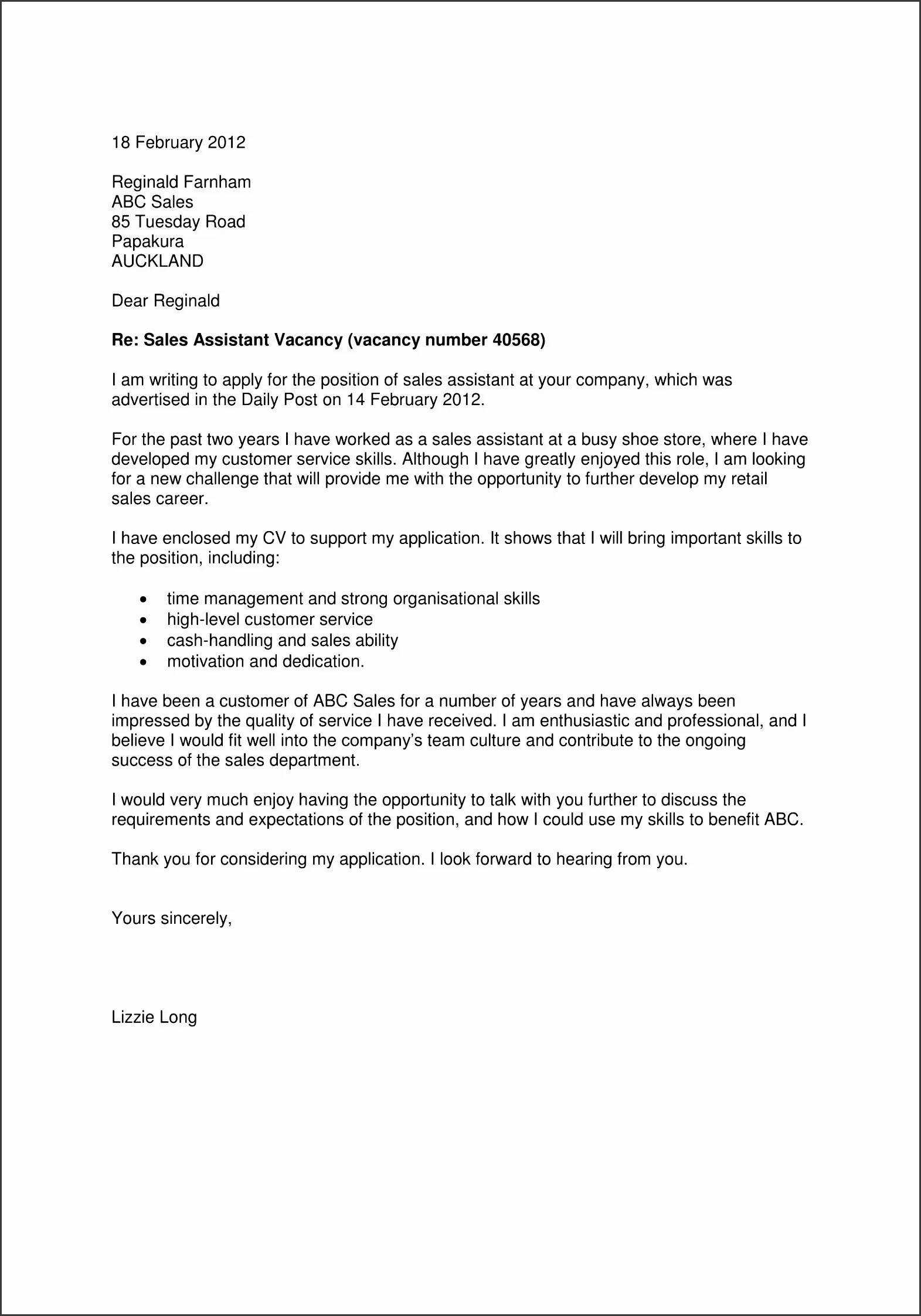
What is a Cover Letter
A cover letter is a crucial document that accompanies your resume when applying for a job. It serves as an introduction, providing the hiring manager with a snapshot of your qualifications, skills, and experience. Unlike a resume, which is a factual summary, a cover letter allows you to express your personality, demonstrate your enthusiasm for the role, and explain why you are a good fit for the company. It’s your opportunity to make a strong first impression and persuade the employer to read your resume and consider you for an interview. A well-crafted cover letter can significantly increase your chances of landing an interview and ultimately getting the job.
The Purpose of a Cover Letter
The primary purpose of a cover letter is to introduce yourself to the employer and to highlight the aspects of your experience and skills that are most relevant to the job you are applying for. It’s a chance to connect your qualifications with the specific requirements outlined in the job description. The cover letter allows you to showcase your personality and communication skills. It provides an opportunity to express your genuine interest in the company and the role, demonstrating that you’ve done your research and understand the company’s values and goals. A cover letter allows you to stand out from other applicants, and it provides context to your resume.
Why is a Cover Letter Important

In today’s competitive job market, a cover letter is more important than ever. It allows you to personalize your application and tailor it to each specific job. It shows employers that you’ve taken the time to understand their needs and are genuinely interested in the opportunity. Many employers consider a cover letter a critical part of the application process. A strong cover letter can make the difference between getting your resume noticed or being overlooked. In many cases, the cover letter is read before the resume, so it is your initial chance to impress the employer. It is an opportunity to elaborate on aspects of your resume, providing context or highlighting achievements that might not be immediately obvious from your resume alone.
Key Components of a Cover Letter
A well-structured cover letter follows a standard format that makes it easy for the hiring manager to quickly understand who you are and why you are a good fit for the job. Each component plays a crucial role in conveying your message and making a positive impression. From the header to the closing, each section of your cover letter should work together to create a compelling narrative. This ensures that your cover letter is professional, easy to read, and effectively communicates your qualifications and enthusiasm.
Header
The header of your cover letter should include your contact information: your full name, phone number, email address, and optionally, your LinkedIn profile URL. This information is crucial for the employer to contact you. The header ensures that the employer has all the necessary details to reach out to you if they are interested in your application. Keep the header concise and professional, with clear formatting that is easy to read. Consider including the date and, if you are sending a physical letter, your address.
Recipient’s Information

Directly below your header, include the recipient’s information. This usually includes the hiring manager’s name, title, the company’s name, and the company’s address. If you are unsure of the hiring manager’s name, research the company website or LinkedIn. Addressing your cover letter to a specific person makes it more personal and shows that you have taken the time to learn about the company and the role. Using the correct recipient information is a sign of professionalism and attention to detail, which can set you apart from other applicants.
Salutation
The salutation is your opening greeting. Use “Dear Mr./Ms./Mx. [Last Name]” if you know the hiring manager’s name. If you are unsure, consider using “Dear Hiring Manager,” or “Dear [Department Name] Hiring Team.” Avoid generic greetings like “To Whom It May Concern.” A personalized salutation immediately grabs the reader’s attention and sets a positive tone for the rest of the cover letter. It demonstrates your respect for the recipient and adds a personal touch that makes your application stand out.
Body Paragraphs
The body paragraphs are the core of your cover letter. This is where you highlight your qualifications, skills, and experience. The body should be organized into several paragraphs. Each should address specific aspects of your suitability for the role. Clearly structured paragraphs are key to readability. The body of your cover letter should engage the reader, demonstrating your ability to meet the requirements of the job.
First Paragraph

The first paragraph should grab the reader’s attention and state the purpose of your letter. Mention the specific job you are applying for and where you found the job posting. Briefly highlight your most relevant qualifications or experience. Your opening should be concise, enthusiastic, and clearly state your intent. This sets the tone for the rest of the letter and encourages the hiring manager to continue reading. This paragraph should provide a snapshot of why you are a strong candidate.
Second Paragraph
The second paragraph should showcase your skills and experience. Provide specific examples of how your skills and accomplishments align with the job requirements. Use the job description as a guide to identify the key skills and experiences the employer is seeking. Quantify your achievements whenever possible, using numbers or data to demonstrate the impact of your work. Focus on the value you can bring to the company. Include achievements and examples to demonstrate your value.
Third Paragraph
The third paragraph should reinforce your interest in the company and the role. Explain why you are excited about the opportunity and how your goals align with the company’s mission or values. Research the company to understand its culture and recent achievements. Show that you have a genuine interest beyond just wanting a job. Demonstrate that you see yourself as a long-term contributor to the company’s success. Express your enthusiasm and explain why you are a good cultural fit.
Closing Paragraph

In your closing paragraph, reiterate your interest in the position and thank the hiring manager for their time and consideration. Include a call to action, such as stating that you are eager to discuss your qualifications further in an interview. Reiterate your contact information. Expressing enthusiasm and providing a clear call to action increases your chances of receiving a positive response. This paragraph should leave a lasting positive impression and encourage the hiring manager to move forward with your application.
Closing & Signature
Choose a professional closing, such as “Sincerely,” “Best regards,” or “Thank you.” Follow this with your typed name. If you are sending a physical letter, leave space for your handwritten signature above your typed name. The closing and signature complete your cover letter and reinforce your professionalism. It is a final opportunity to show respect for the hiring manager and leave a positive lasting impression. Make sure it is consistent with the overall tone of your cover letter.
Types of Cover Letter Examples for Business
Different types of cover letters serve various purposes and are tailored to specific situations. The key is to understand the goal of each type of cover letter and tailor your content accordingly. Understanding the right approach for each type ensures that your cover letter effectively communicates your value and increases your chances of landing an interview. The examples below give guidelines for how to format cover letters for different purposes.
Application Cover Letter Example

An application cover letter is the most common type and is written in response to a specific job posting. It should directly address the requirements listed in the job description. Highlight your skills and experience that align with the job’s needs. Clearly state the position you are applying for and where you found the job posting. Focus on demonstrating your suitability for the role. Refer to the job description throughout your cover letter. Emphasize how your skills and experiences align with the company’s needs, and include specific accomplishments that showcase your capabilities. Keep it concise, engaging, and results-oriented. Show your interest and how you can contribute to the company’s success.
Skills Cover Letter Example
A skills cover letter emphasizes your skills rather than your work history. This type of cover letter is especially useful if you are changing careers or have gaps in your employment history. Focus on transferable skills and how they relate to the job you are applying for. Provide examples of how you have used these skills in past roles or projects. Customize your skills cover letter to highlight the specific skills mentioned in the job description. Explain how these skills can translate into success in the new role. Skills cover letters help highlight the skills you possess and can contribute to a new company even if you have limited or no experience.
Experience Cover Letter Example
An experience cover letter focuses on your work history and accomplishments. It is ideal when your experience closely matches the job requirements. Detail your relevant work experience, emphasizing achievements and quantifiable results. Provide specific examples of how you have succeeded in previous roles. Use action verbs to describe your responsibilities and accomplishments. Quantify your achievements with numbers and data whenever possible. This cover letter type helps to highlight your relevant experience and prove you have what it takes to do the job.
Networking Cover Letter Example

A networking cover letter is used when you’ve connected with someone at a company and are seeking information or a job opportunity. Mention the person who referred you and explain how you met. Express your interest in the company and the type of role you are seeking. Attach your resume to provide the employer with context for your request. The purpose of this cover letter is to leverage your networking connections. Networking cover letters are also a good way to get your foot in the door by demonstrating you are already connected with a contact within the company.
Cover Letter Best Practices
Following best practices when writing a cover letter will help you create a professional and effective document that gets you noticed by potential employers. By paying attention to these details, you can significantly increase your chances of making a strong impression and securing an interview. These practices help you to create a document that gets you noticed and considered for a job.
Tailoring Your Cover Letter
Always customize your cover letter for each job you apply for. Avoid sending generic cover letters. Review the job description carefully and identify the key skills and experiences the employer is seeking. Use keywords from the job description throughout your cover letter. Tailoring your cover letter shows the employer that you are genuinely interested in the specific role and company. Demonstrate that you understand the company’s needs and how your skills align with their requirements. This makes your application more relevant and increases your chances of success.
Highlighting Achievements

Instead of just listing your responsibilities, highlight your achievements and quantify your results whenever possible. Use action verbs to describe your accomplishments and the impact of your work. Provide specific examples of how you have exceeded expectations or solved problems in previous roles. Quantify your achievements with numbers and data to show the tangible results you have achieved. Highlighting your achievements and the results you achieved proves to the employer that you have what it takes to succeed in the role. This makes your application stand out from others.
Proofreading and Editing
Proofread your cover letter carefully for grammar, spelling, and punctuation errors. Errors can undermine your credibility and create a negative impression. Read your cover letter aloud to catch any awkward phrasing or unclear sentences. Have a friend or colleague review your cover letter for feedback. Proofreading and editing are critical steps in the cover letter writing process. Proofreading also ensures that your cover letter is free of errors. Taking these steps demonstrates your attention to detail and professionalism, increasing your chances of getting the job.
Cover Letter Formatting Tips
Proper formatting is essential for creating a professional and readable cover letter. The goal is to make it easy for the hiring manager to quickly scan and understand your qualifications. Following these formatting tips will ensure that your cover letter looks polished and professional. These guidelines provide a framework for presenting your content in a clear and professional manner.
Font Selection
Choose a professional and easy-to-read font, such as Times New Roman, Arial, or Calibri. Use a font size between 10 and 12 points. Avoid using overly decorative or unusual fonts that may be difficult to read. Font selection is important as it can make your cover letter visually appealing and easy to read. A clear and professional font enhances readability. Selecting a clear font keeps your letter looking professional.
Margins and Spacing
Use standard 1-inch margins on all sides of your cover letter. Use single spacing for the body of the letter, with a blank line between paragraphs. Proper margins and spacing create a visually appealing and easy-to-read document. This ensures that your cover letter looks clean and professional. Sufficient margins and spacing enhance the overall appearance of your document and improve readability, allowing the hiring manager to easily scan the content.
File Format
Save your cover letter as a PDF file to ensure that the formatting remains consistent across different devices and operating systems. PDF files maintain their format, regardless of where they are opened. This ensures that your cover letter will always appear as you intended. Always submit your cover letter in the format requested by the employer. This consistency is important to the quality of your cover letter.
Common Cover Letter Mistakes to Avoid
Avoiding common mistakes is crucial to ensure that your cover letter is effective and makes a positive impression. These mistakes can immediately disqualify your application or damage your chances of getting an interview. Being aware of and avoiding these mistakes will greatly increase your success in the job search. By avoiding these pitfalls, you can significantly improve your chances of landing an interview and ultimately getting the job.
Grammar and Spelling Errors
Grammar and spelling errors can immediately damage your credibility and make you appear unprofessional. Always proofread your cover letter carefully and use a spell-checker. Have someone else review your cover letter to catch any mistakes you might have missed. Ensure your cover letter is free of errors, as errors can make a poor impression. Proofreading shows attention to detail.
Generic Content
Avoid using generic content that could apply to any job. Tailor your cover letter to each specific job, highlighting your relevant skills and experiences. Show that you have researched the company and understand the specific requirements of the role. Generic content can indicate a lack of genuine interest in the specific job and may discourage the hiring manager from reading your application. Demonstrating a genuine interest is key to a successful cover letter.
Ignoring the Job Description
Ignoring the job description is a common mistake. Always carefully review the job description and address the key requirements in your cover letter. Highlight your skills and experiences that align with the job’s needs. Show the hiring manager that you have read the job description and are a strong match. Ignoring the job description is a missed opportunity. Use the job description to show you understand the role. Showing an understanding of the job makes a great impression.
Cover Letter Examples Business Conclusion
Crafting a compelling cover letter is an essential step in the job application process. This guide provides you with the knowledge and strategies you need to write effective cover letters that grab the attention of hiring managers. Cover letters are a key tool. Remember to tailor your cover letter to each specific job, highlighting your relevant skills and experiences, and showcasing your genuine interest in the company and the role. Good luck on your job search.