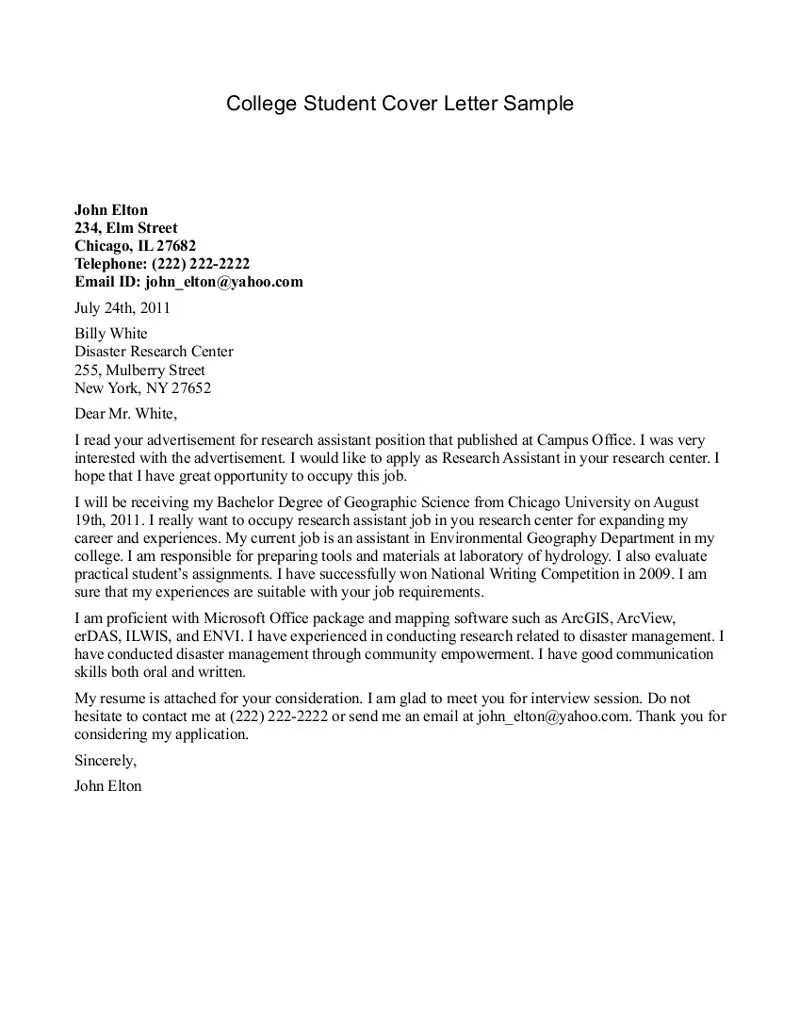
Cover Letter Examples for College Students
As a college student, navigating the job market can feel overwhelming. One crucial tool in your arsenal is a well-crafted cover letter. This document serves as your introduction to potential employers, allowing you to showcase your skills, experiences, and personality beyond your resume. Unlike a resume, which lists facts, a cover letter provides a narrative, explaining why you’re the ideal candidate for a specific role. This guide provides five distinct cover letter examples tailored for college students, designed to help you land internships, part-time jobs, entry-level positions, and more. By studying these examples, you can learn to adapt them to your unique circumstances and make a strong impression.
Understanding the Purpose of a Cover Letter
Before diving into examples, it’s essential to understand the purpose of a cover letter. It’s not merely a repetition of your resume; instead, it’s a chance to tell a story about your qualifications and motivations. A cover letter allows you to elaborate on your skills, explain your interest in the company or position, and demonstrate your understanding of the role’s requirements. It also allows you to personalize your application and show the hiring manager why you’re a good fit. A well-written cover letter can significantly increase your chances of getting an interview. It demonstrates your communication skills, attention to detail, and proactive approach to job searching.
The goal is to make a connection with the reader, showing that you are more than just a list of skills and experiences, you are a real person with a genuine interest in their company. The cover letter provides you with the opportunity to directly address the hiring manager, which helps the employer see the human side of your candidacy. This personal touch can be the deciding factor in setting you apart from other applicants, especially in competitive fields. Cover letters are not just a formality; they are your first chance to showcase your writing skills, which are crucial for many positions.
Highlighting Relevant Skills and Experiences

When writing your cover letter, focus on highlighting the skills and experiences most relevant to the job you’re applying for. Even if you lack direct work experience, you can draw from your academic projects, extracurricular activities, volunteer work, or any other experiences that demonstrate transferable skills. For example, if a job requires strong communication skills, highlight instances where you’ve given presentations, led a team, or mediated conflicts. If the job requires analytical skills, discuss projects where you analyzed data, solved problems, or conducted research. Always tailor your cover letter to match the specific requirements outlined in the job description.
Quantify your achievements whenever possible. Instead of simply saying you ‘improved customer service,’ state that you ‘increased customer satisfaction scores by 15% through implementing a new training program.’ Use action verbs to describe your accomplishments. Words like ‘managed,’ ’led,’ ‘created,’ ‘implemented,’ and ‘analyzed’ can make your letter more engaging and demonstrate your capabilities. Remember to keep your language professional and concise. Avoid jargon or overly complex sentences. Clear, concise writing is more effective at conveying your message and making a positive impression. Proofread your letter carefully to catch any errors in grammar or spelling.
Cover Letter Example 1 Internship
Internships are a great way for college students to gain experience and build a professional network. Your cover letter for an internship should clearly state your interest in the specific internship program and highlight the relevant skills you bring to the table. Demonstrate your knowledge of the company and the industry. Explain what you hope to gain from the internship and how your participation will benefit the organization. Show enthusiasm and a willingness to learn, and make sure to mention any relevant coursework or academic projects that align with the internship’s requirements. A strong cover letter can help you stand out from other applicants and secure the internship opportunity you desire.
Key Elements of the Internship Cover Letter
Your internship cover letter should include a clear opening paragraph stating the position you are applying for and where you found the job posting. In the body of the letter, discuss your skills and experiences, providing concrete examples of how you’ve demonstrated those skills. Show a genuine interest in the company and the industry, demonstrating that you’ve done your research. Conclude the letter by summarizing your qualifications and reiterating your interest in the internship, then thank the reader for their time and consideration. Address the letter to a specific person if possible. If you don’t know the name, you can find it through research or you can call the company.
Formatting Tips for Internship Cover Letters

Use a professional font, such as Times New Roman, Arial, or Calibri. Ensure your letter is well-formatted with clear headings and paragraphs. Keep the letter concise, ideally no longer than one page. Use active voice and strong action verbs to describe your accomplishments. Proofread carefully for any errors in grammar or spelling, then get someone else to read it. This will help ensure that you put your best foot forward. Include your contact information at the top of the letter, including your name, phone number, email address, and any relevant links, such as a LinkedIn profile or portfolio.
Cover Letter Example 2 Part-Time Job
A cover letter for a part-time job should emphasize your availability, reliability, and relevant experience. It is important to showcase your ability to balance work with your studies, highlight your strong work ethic, and demonstrate your eagerness to contribute to the team. Even if the job doesn’t directly relate to your field of study, you can highlight transferable skills such as customer service, time management, and communication. Tailor your letter to the specific job description, showing how your skills and experiences align with the requirements of the position. Demonstrate your commitment to the job by expressing your availability and willingness to work flexible hours.
Emphasizing Availability and Reliability
In your cover letter, clearly state your availability. This is critical for part-time roles. Be specific about the days and times you’re available to work. Show that you are reliable and dependable by providing examples of your past experiences where you’ve consistently met deadlines and fulfilled your commitments. You might talk about any clubs or organizations that you’ve managed your time with or volunteer work you have completed. Mention any previous work experience, even if it’s unrelated to the job. Employers want to see that you have a proven track record of showing up on time and completing tasks, as this is the foundation of reliability.
Showcasing Relevant Coursework

Even if you lack direct work experience, your coursework can be a valuable asset. Identify relevant courses that have equipped you with skills needed for the job. Describe how projects, assignments, and presentations have provided you with the skills the employer is looking for. If you have any experience in customer service, retail, or other relevant areas, highlight those experiences in detail. Use action verbs to describe what you did in these roles. For example, instead of saying you “worked at a cash register”, you can state “managed cash transactions and provided excellent customer service, leading to a 10% increase in customer satisfaction.”
Cover Letter Example 3 Entry-Level Position
Applying for an entry-level position requires a cover letter that highlights your potential and enthusiasm. Focus on showcasing your skills, education, and any relevant experience. Even if you lack extensive work history, emphasize your transferable skills, such as communication, teamwork, problem-solving, and leadership. Tailor your letter to the specific job description, explaining how your skills and education align with the position’s requirements. Express your desire to learn and grow within the company. This demonstrates that you’re eager to develop your skills and contribute to the company’s success. Be sure to convey your excitement and genuine interest in the opportunity.
Tailoring Your Letter to the Job Description
Carefully review the job description and identify the key skills and qualifications the employer is seeking. Then, in your cover letter, provide specific examples of how you possess those skills. This may involve highlighting relevant coursework, extracurricular activities, or any previous work experience. Ensure that your letter reflects the language and tone of the job description. This shows that you have researched the company and understand its needs. Proofread your cover letter thoroughly to ensure it aligns with the job posting.
Demonstrating Enthusiasm and Interest

In your cover letter, express your genuine interest in the company and the position. Research the company’s mission, values, and recent projects, and mention these in your letter. Explain why you’re drawn to the company and what you hope to achieve in the role. Be enthusiastic about the opportunity to contribute to the team. Acknowledge the challenges of the role and demonstrate your willingness to learn and grow. The right tone can make your letter more compelling. Show you are eager to use the skills you’ve acquired to contribute to the company’s goals. Expressing your enthusiasm can help you stand out to potential employers.
Cover Letter Example 4 Scholarship
A scholarship cover letter should showcase your academic achievements, extracurricular involvement, and future goals. The purpose is to convince the selection committee of your potential and your need for financial assistance. Highlight your academic record, awards, and any honors you’ve received. Detail your extracurricular activities, leadership roles, and community service involvement. Explain your financial need and how the scholarship will help you achieve your educational and career goals. Tailor your letter to the specific requirements of the scholarship, addressing the criteria and values of the organization. Show that you have a clear plan for your education and career.
Highlighting Academic Achievements and Goals
In your scholarship cover letter, provide details about your academic achievements. Mention your GPA, any honors, or awards you’ve received. Discuss the courses you’re taking and how they align with your future goals. Explain your long-term career objectives and how this scholarship will help you reach them. Demonstrate your commitment to your field of study and your desire to make a positive impact. Showcase your passion for learning and your dedication to excellence. Be sure to mention any research projects, presentations, or publications, as this demonstrates your academic focus and commitment.
Expressing Financial Need if Applicable

If the scholarship is based on financial need, clearly explain your financial situation. Describe your family’s income, expenses, and any challenges you face in funding your education. Explain how the scholarship will help you cover tuition, books, and other educational expenses. Be honest and transparent about your financial situation. You may also mention any part-time jobs, loans, or other sources of funding you rely on. Explain how the scholarship will allow you to focus on your studies and extracurricular activities, and not on the cost of your education.
Cover Letter Example 5 Networking
When reaching out to someone for networking purposes, your cover letter serves as an introduction and a way to request a meeting or a conversation. Be clear about why you’re reaching out and what you hope to gain from the interaction. Explain your career goals and how their expertise or experience aligns with your ambitions. Keep the letter concise and professional. Show respect for their time and express your appreciation for their willingness to connect with you. Networking is a valuable tool for college students, providing opportunities for mentorship, guidance, and potential job leads. A well-crafted cover letter is the first step in building a professional relationship.
Following Up and Staying in Touch
Always send a thank-you note after an informational interview or any other networking interaction. Reiterate your appreciation for their time and insights. Follow up with them periodically to maintain the connection. Share any relevant updates about your job search, academic achievements, or professional development. Send them articles, industry insights, or other information that might interest them. Stay in touch through LinkedIn or other professional networking platforms. Build a lasting relationship by staying engaged and being proactive in the long term. This kind of follow-up can foster long-term professional contacts.
Personalizing Your Approach

Personalization is key to successful networking. Research the person you’re contacting and tailor your letter to their background and interests. Mention any common connections or shared interests. Show that you understand their work and appreciate their accomplishments. In your letter, express your specific reasons for reaching out to them. Explain how their expertise or experience relates to your career aspirations. Show that you understand their role and how they’re positioned in their organization. By personalizing your approach, you demonstrate that you’ve invested time and effort in building a genuine connection. A personalized cover letter will show how much you value their time.
In conclusion, crafting effective cover letters is a crucial skill for college students. These five examples provide a solid foundation for tailoring your letters to various situations, from internships and part-time jobs to networking and scholarships. By understanding the purpose of a cover letter, highlighting relevant skills and experiences, and customizing your approach, you can significantly increase your chances of making a positive impression and achieving your career goals. Remember to always proofread your cover letters carefully and seek feedback from career services professionals or trusted mentors. Good luck with your job search!