What is a Short Cover Letter (and Why You Need One)
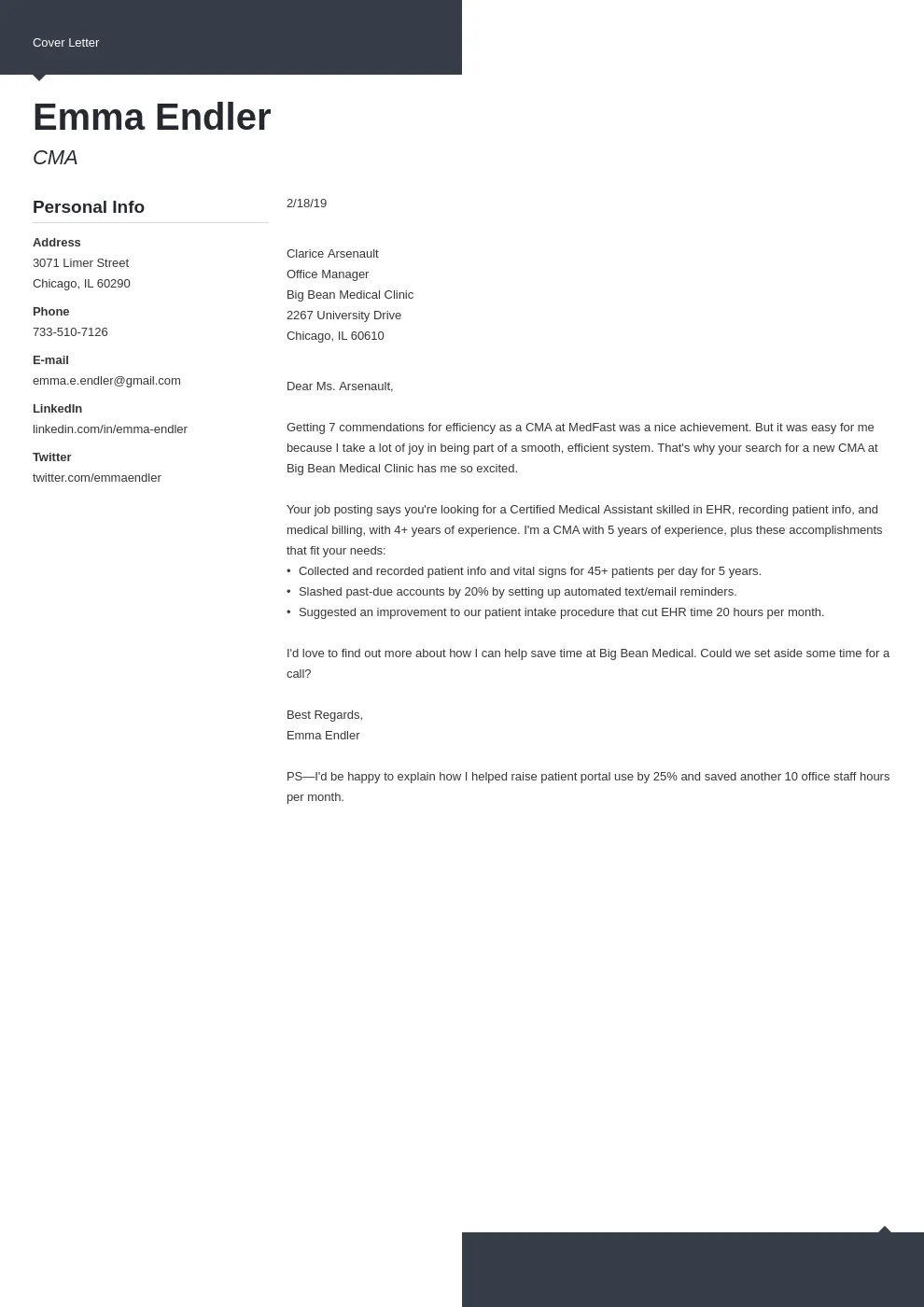
In the fast-paced world of job applications, a short cover letter is your secret weapon. Unlike traditional cover letters that can span multiple pages, these concise documents aim to make a strong impression quickly. They are typically under a page long, and often much shorter, making them ideal for busy recruiters and online application portals. The purpose is to grab attention, highlight your key qualifications, and encourage the reader to delve into your resume. In essence, a short cover letter is a strategic tool designed to make a powerful impact in a limited space, increasing your chances of landing an interview.
Why Short Cover Letters are Effective
Efficiency is the name of the game in modern hiring. Recruiters often have to sift through hundreds of applications, and they simply don’t have the time to read lengthy cover letters. A short, well-crafted cover letter demonstrates that you value their time, showing respect for their process. It allows you to focus on the most critical information – the skills and experiences that make you the best fit for the role. By getting straight to the point, you increase the likelihood that your key qualifications will be noticed. Furthermore, a concise letter demonstrates your ability to communicate clearly and effectively, an essential skill in any professional environment. The directness and brevity of a short cover letter show you can get to the core of an issue quickly and efficiently.
Key Elements of a Successful Short Cover Letter

A successful short cover letter must hit these critical points quickly. Begin with a strong opening that immediately grabs the reader’s attention. Clearly state the position you’re applying for and, ideally, how you found out about it. Next, highlight 2-3 key skills or experiences that align with the job requirements. Provide brief examples to back up your claims. This is the heart of your letter: showing why you’re a perfect fit. Conclude by expressing your enthusiasm for the role and a call to action—requesting an interview. Always personalize your letter to the specific job and company, avoiding generic templates. Proofread carefully for any grammatical errors or typos before sending.
Highlighting Your Skills and Experience Quickly
The core of a short cover letter lies in its ability to showcase relevant skills and experience with laser-like precision. Identify the top 2-3 skills or experiences most relevant to the job description. Then, for each, provide a very brief example that demonstrates your proficiency. Use action verbs and quantify your achievements whenever possible. For instance, instead of saying “Managed social media,” write “Increased social media engagement by 30% in six months.” Tailor this to each job; what matters in one role won’t necessarily matter in another. The goal is to provide quick, compelling evidence that you possess what the employer needs. Prioritize impact and relevancy over length and complexity to immediately capture the reader’s attention.
Formatting Tips for a Concise Cover Letter
The format of your short cover letter is just as important as its content. Keep the letter to one page, ideally much shorter. Use a clean, easy-to-read font like Arial or Times New Roman, with a font size of 11 or 12 points. Use standard 1-inch margins. Break up the text with clear paragraphs and ample white space. Avoid long blocks of text; instead, use shorter paragraphs to make it easier for the reader to digest the information. Consider using bullet points to highlight specific achievements or skills. Always include a professional header with your contact information and the date. Ensure your letter looks neat, professional, and well-organized to convey a sense of efficiency and attention to detail.
Cover Letter Examples for Various Job Types

The best short cover letter examples are tailored to the job and industry. Different roles require different focuses. We will show you a few examples to give you some ideas about how to write for a job that you want. Remember to always replace the examples with your own information.
Example 1 Entry-Level Positions
For entry-level positions, emphasize your eagerness to learn and any relevant coursework, internships, or volunteer experiences. Highlight soft skills such as teamwork, communication, and problem-solving. This example shows how to present what is generally very limited experience, focusing on transferable skills and a willingness to learn. Show how you’re a good fit even if you lack formal experience. Your letter should reflect your ambition, potential, and a proactive attitude, ready to jump in and contribute from day one.
Example 2 Mid-Career Professionals
Mid-career professionals need to showcase their key achievements and how they can bring value to the new company. Use quantifiable results to demonstrate your impact in previous roles. Focus on how your experience aligns with the specific requirements of the job. Use specific examples, numbers and results that prove the kind of work you’re capable of. Your letter should demonstrate leadership, problem-solving abilities, and a proven track record of success.
Example 3 - Tech Industry

For tech jobs, focus on relevant technical skills, projects, and contributions. Quantify the impact of your work whenever possible, such as the percentage of improvement on a product. Use keywords from the job description to demonstrate your familiarity with the tech environment. The cover letter is the place where you show that you have the skills to make a difference from day one. Highlight specific software, programming languages, and technologies that you’re proficient in. You want to come across as a problem solver and an innovator.
Example 4 - Creative Fields
In creative fields, focus on your portfolio and highlight relevant projects. Use a compelling narrative to showcase your creativity and communication skills. If relevant, demonstrate your brand alignment with the company by addressing any of the company’s recent work. Express your passion for the field and ability to solve creative challenges. Your letter should reflect your unique style and vision.
Key Takeaways & Tips for Writing a Short Cover Letter
Always tailor your cover letter to the specific job. Use keywords from the job description. Keep it concise, focusing on the most relevant information. Quantify your achievements whenever possible. Proofread meticulously for any errors. Show enthusiasm and express your interest in the role. Make sure that the letter is easily scannable, and you can make use of white space to make it clean and clear. Remember to include a call to action, requesting an interview or further discussion. Most importantly, write it with a positive, professional, and proactive tone.
Tailoring Your Cover Letter for Specific Jobs

Customization is vital for success. Start by carefully reading the job description and identifying the key requirements and keywords. Research the company to understand their values, culture, and recent initiatives. Use this information to tailor your cover letter to the specific needs of the employer. Highlight the skills and experiences that directly match the job requirements. Use keywords from the job description naturally within your letter. Show how you can contribute to the company’s goals. This focused approach dramatically increases your chances of making a positive impression and securing an interview. Make sure your cover letter clearly demonstrates your understanding of the role and the company’s needs.