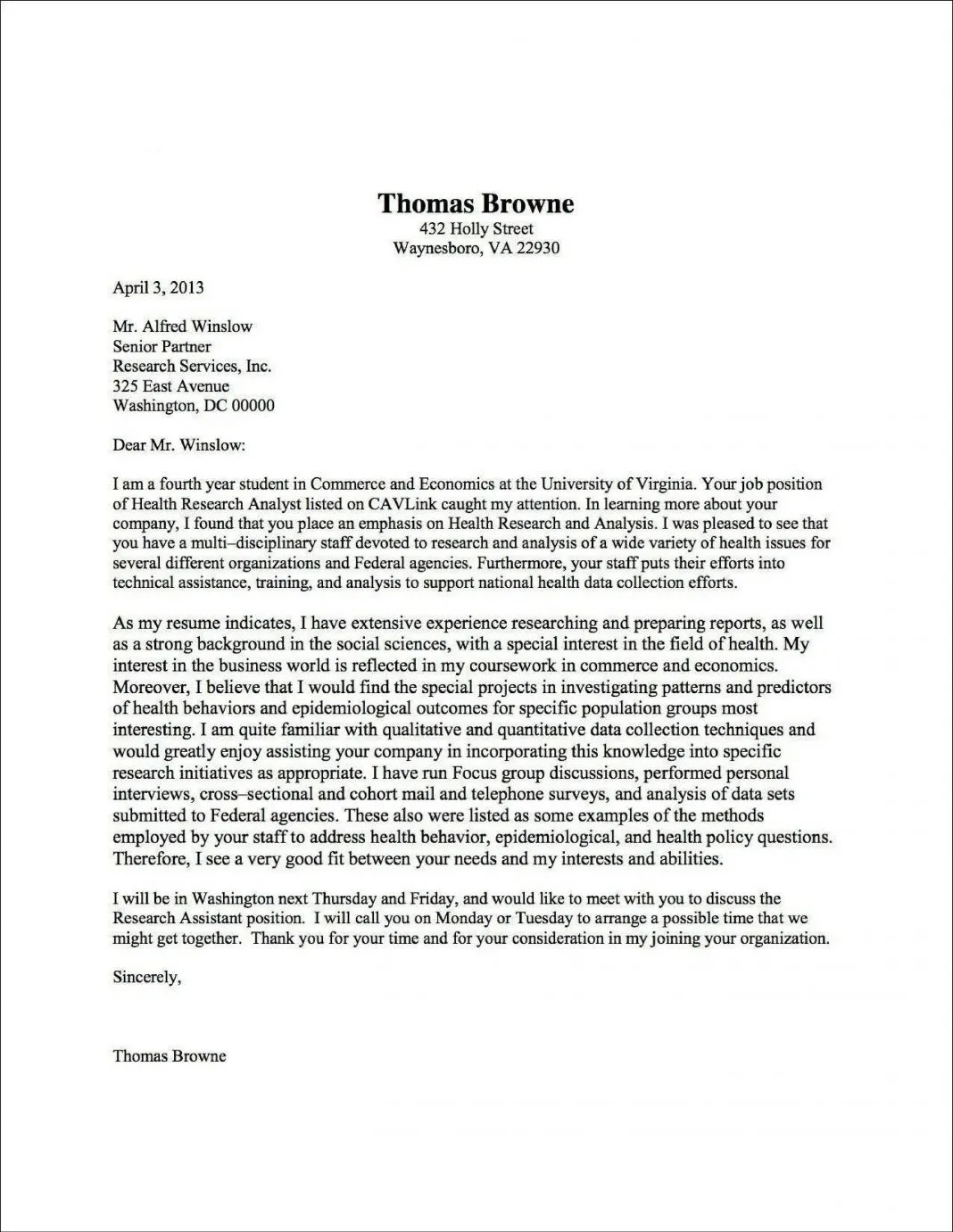
What is a Cover Letter?
A cover letter is a crucial document that accompanies your resume when applying for a job. It serves as your introduction to the hiring manager, providing a concise overview of your qualifications, skills, and experience. Unlike your resume, which lists your achievements, the cover letter allows you to explain why you’re the perfect fit for the specific role and the company. It’s your opportunity to demonstrate your personality, express your enthusiasm, and connect with the employer on a more personal level. A well-crafted cover letter can significantly increase your chances of getting noticed and securing an interview. Think of it as a sales pitch, selling yourself and your abilities.
The Importance of Cover Letters
In today’s competitive job market, a cover letter is often essential. It provides context to your resume and allows you to highlight the skills and experiences most relevant to the job. Many hiring managers view a cover letter as a critical component of the application process. It showcases your writing skills, attention to detail, and ability to communicate effectively. A compelling cover letter demonstrates your genuine interest in the position and the company, setting you apart from other applicants. Without a cover letter, you might miss the opportunity to make a strong first impression and effectively convey your value to a potential employer. It’s your chance to make a lasting positive impression.
Essential Cover Letter Components

A well-structured cover letter typically includes several key components that work together to present a compelling case for your candidacy. Each section serves a specific purpose and contributes to the overall impact of your letter. By understanding these essential components, you can create a cover letter that effectively communicates your qualifications and increases your chances of landing an interview. Attention to detail and strategic organization are key to writing a cover letter that stands out from the crowd. This is a critical step in your job search journey.
Contact Information
Begin your cover letter with your contact information, including your name, address, phone number, and email address. This information should be at the top of the letter, either on the left or right side. Include the date, and then the hiring manager’s name, title, and company address, if known. This ensures that the hiring manager can easily contact you if they are interested in scheduling an interview. Ensure your contact information is accurate and up-to-date to avoid any missed opportunities. This is a basic but vital step in ensuring your application gets the attention it deserves.
Professional Greeting
Address the hiring manager by name if possible. If you don’t know the name, use a professional greeting such as “Dear Hiring Manager” or “Dear [Department Name] Team.” Avoid generic greetings like “To Whom It May Concern.” Using the hiring manager’s name, when available, shows that you’ve taken the time to research the company and the role. This personal touch can make a significant difference. Make sure you spell the name correctly. If you cannot find a name, defaulting to a professional standard ensures a positive first impression.
Opening Paragraph

The opening paragraph should capture the reader’s attention. State the position you’re applying for and where you found the job posting. Briefly mention why you are interested in the role and the company. This is your chance to create a positive first impression and set the tone for the rest of your letter. Make it clear what you want, and demonstrate your enthusiasm for the opportunity. Keep it concise and compelling to pique the interest of the hiring manager. A strong opening paragraph helps set your cover letter apart from the countless others they’ll be reviewing.
Body Paragraphs
The body paragraphs are where you showcase your skills, experience, and achievements. Tailor these paragraphs to the specific job description, highlighting the qualifications and experiences that directly align with the requirements. Use concrete examples to demonstrate your abilities and quantify your accomplishments whenever possible. Explain how your skills and experiences have prepared you for this role and how you can contribute to the company’s success. Focus on the value you bring to the table and how you can solve the company’s problems. Each paragraph should build on the previous one, creating a compelling narrative that sells your qualifications.
Highlighting Your Skills
Identify the key skills mentioned in the job description and provide examples of how you’ve demonstrated those skills in past roles. Use action verbs to describe your accomplishments and quantify your results whenever possible. Consider creating a skills matrix that matches your skills with the job requirements. This can ensure you address all the crucial aspects the employer is looking for. Focus on both your technical skills and your soft skills, such as communication, teamwork, and problem-solving. Show how your skills will help you succeed in the position and contribute to the company’s goals. Show, don’t just tell; provide evidence to back up your claims.
Showcasing Achievements

Use the STAR method (Situation, Task, Action, Result) to describe your accomplishments. Explain the situation you were in, the task you needed to complete, the actions you took, and the positive results you achieved. Quantify your achievements whenever possible to demonstrate the impact of your work. Examples could include increasing sales by a certain percentage, improving customer satisfaction scores, or streamlining a process to save time or money. Highlighting achievements is much more powerful than simply listing responsibilities. Provide concrete examples to showcase your value and show how you’ve made a difference in the past.
Expressing Enthusiasm
Throughout your cover letter, demonstrate your genuine interest in the role and the company. Show that you’ve researched the company and understand its mission, values, and goals. Explain why you are excited about the opportunity and how it aligns with your career aspirations. Demonstrate your passion for the industry and your commitment to success. A positive and enthusiastic tone makes a memorable impact on the hiring manager, showing you are excited and motivated to contribute. Expressing enthusiasm helps you stand out from other candidates.
Closing Paragraph
In the closing paragraph, summarize your key qualifications and reiterate your interest in the position. Thank the hiring manager for their time and consideration. This is also your chance to make a final, lasting impression. Keep it brief, but make sure to summarize your value and reaffirm your enthusiasm. End on a positive note and express your desire for an interview. Ensure your closing paragraph leaves the reader with a strong sense of your capabilities and eagerness. This can serve to reinforce your message.
Call to Action

Include a clear call to action, such as expressing your availability for an interview and providing your contact information again. Make it easy for the hiring manager to reach you. End your letter with a statement such as, “I am eager to discuss my qualifications further in an interview” or “I look forward to hearing from you soon.” Make it simple and direct. A strong call to action encourages the hiring manager to take the next step. The more clearly you communicate your willingness to engage, the more likely they are to respond positively.
Formal Closing
Use a professional closing such as “Sincerely,” “Best regards,” or “Thank you.” Avoid overly casual closings. Ensure the closing aligns with the overall tone of your letter. Double-check your spelling and grammar before sending your letter. The formal closing sets a professional tone, which emphasizes your commitment to the opportunity. A professional closing complements the effort you have put into the document overall.
Cover Letter Examples by Industry
Different industries may require different approaches to cover letters. Tailor your cover letter to the specific industry and the requirements of the role. Consider using industry-specific keywords and highlighting relevant experience and accomplishments. Research the industry standards and expectations. For example, a cover letter for a marketing position might focus on creativity and brand storytelling, while a cover letter for a software engineering role might emphasize technical skills and projects. Being aware of industry-specific language is key. Review examples specific to your target industry to get a better sense of the common practices.
Cover Letter Example for Marketing

A marketing cover letter should showcase your creativity, communication skills, and understanding of marketing principles. Highlight your experience with marketing campaigns, content creation, social media management, and data analysis. Mention your knowledge of marketing tools and technologies. Use compelling language to demonstrate your passion for marketing and your ability to drive results. Emphasize your ability to create innovative marketing strategies and campaigns that align with the company’s goals. Use action verbs to show your impact on past projects and campaigns, such as “Launched,” “Managed,” or “Increased.” Show your ability to blend strategic thinking with creative execution. A marketing cover letter should read like a marketing piece itself.
Cover Letter Example for Software Engineering
A software engineering cover letter should focus on your technical skills, experience with specific programming languages and technologies, and your contributions to projects. Highlight your proficiency in relevant programming languages, such as Java, Python, or C++. Mention any projects you’ve worked on, including their scope, your role, and the results. Describe your problem-solving skills and your ability to work effectively in a team environment. Showcase your experience with software development methodologies and tools. Include a link to your portfolio, and don’t be afraid to show off your expertise. Use technical language to demonstrate your understanding. A software engineering cover letter should prove your technical prowess.
Cover Letter Example for Healthcare
A healthcare cover letter should emphasize your patient care skills, attention to detail, and compassion. Highlight your experience in healthcare settings and your knowledge of medical terminology and procedures. Demonstrate your ability to work effectively with patients, families, and other healthcare professionals. Emphasize your commitment to providing quality care and your understanding of healthcare regulations. Include any relevant certifications or licenses. Be sure to highlight your empathy, communication, and professionalism. Focus on how you meet the needs of patients. A healthcare cover letter should reflect your dedication to well-being.
Cover Letter Example for Education
An education cover letter should highlight your teaching experience, your understanding of educational principles, and your ability to create a positive learning environment. Mention your experience with lesson planning, classroom management, and student assessment. Demonstrate your ability to differentiate instruction and meet the needs of diverse learners. Showcase your communication skills and your ability to build relationships with students, parents, and colleagues. Show your commitment to education, your teaching philosophy, and your ability to contribute to student growth. Highlight experience in curriculum development. An education cover letter shows your passion for helping students thrive.
Tips for Writing a Strong Cover Letter
Writing a strong cover letter requires careful planning and execution. Follow these tips to create a cover letter that grabs attention and gets results. Make sure to personalize the letter to each job. Remember, quality is better than quantity. Proper formatting is essential, and proofreading is your best friend. Taking the time to perfect your cover letter will significantly increase your chances of making a positive first impression and landing an interview.
Tailoring Your Letter
Customize your cover letter for each job application. Read the job description carefully and identify the key requirements and qualifications. Highlight the experiences and skills that align with these requirements. Avoid sending generic cover letters. Tailor your letter to the specific company and role. This shows that you’ve done your research and are genuinely interested in the position. This increases the likelihood of the hiring manager seeing your application as a potential match. Taking the time to tailor your letter proves your commitment to the job.
Proofreading and Editing
Always proofread your cover letter carefully for any errors in grammar, spelling, and punctuation. Typos and grammatical errors can undermine your credibility and make a negative impression. Ask a friend or family member to review your letter for any mistakes you may have missed. Pay attention to sentence structure, word choice, and overall clarity. A well-written and error-free cover letter demonstrates your professionalism and attention to detail. Ensure your cover letter is perfect before sending it.
Formatting Your Cover Letter
Use a professional and easy-to-read font, such as Times New Roman, Arial, or Calibri. Keep the font size between 10 and 12 points. Use standard margins (1 inch) and ensure your text is properly aligned. Use concise and clear language. Keep your paragraphs relatively short to maintain readability. Use bullet points to highlight your skills and achievements. A well-formatted cover letter is easy to read and makes a positive impression. Proper formatting will enhance your overall message.