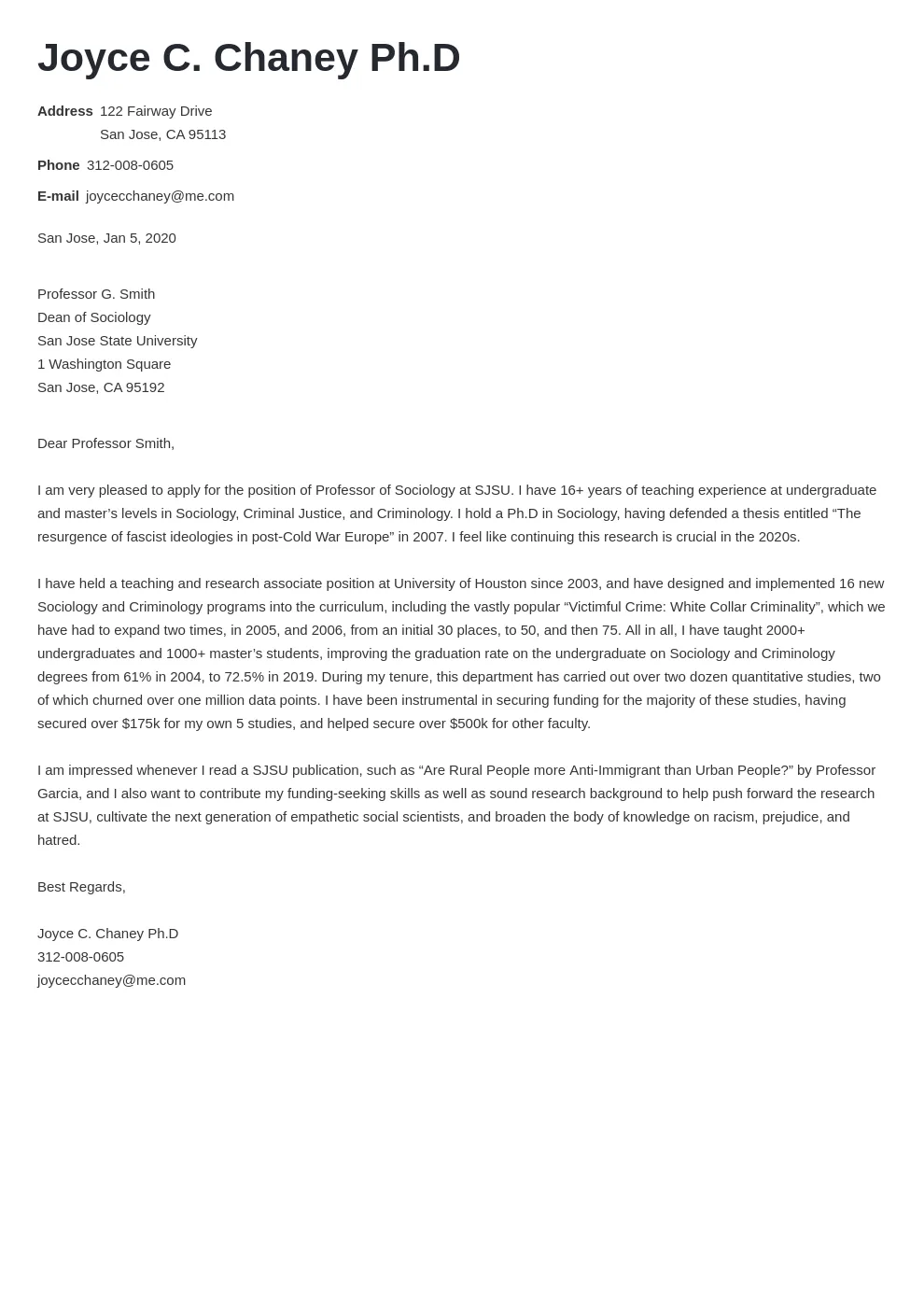
Cover Letter for Academic Jobs The Basics
Navigating the academic job market requires a strategic approach, and a well-crafted cover letter is your first line of defense. Unlike cover letters for industry positions, those for academic jobs serve a unique purpose and must be tailored to the specific expectations of search committees. Understanding the nuances of this document is critical to making a strong first impression and advancing your candidacy. This guide provides essential insights into creating a compelling cover letter that highlights your strengths and increases your chances of landing an interview. Mastering the art of the academic cover letter is a crucial step in your journey towards securing a fulfilling career in academia.
Understanding the Purpose of a Cover Letter
The primary purpose of an academic cover letter is to introduce you to the search committee and provide a comprehensive overview of your qualifications, research, teaching experience, and fit with the institution. It’s not merely a reiteration of your CV; rather, it’s a narrative that demonstrates your suitability for the specific position. The letter should articulate your research interests, highlight your teaching philosophy, and connect your skills and experiences to the needs of the department. Moreover, a well-written cover letter showcases your communication skills and your ability to clearly convey your career goals and aspirations.
Key Components of an Academic Cover Letter

A strong academic cover letter typically includes several key components. Begin with a compelling introduction that grabs the reader’s attention and clearly states the position you’re applying for. The body of the letter should detail your research experience, highlighting publications, grants, and any significant contributions to your field. Next, discuss your teaching experience, including courses taught, teaching philosophy, and any innovative teaching methods you’ve employed. Finally, demonstrate your fit with the institution by referencing the department’s mission, values, and specific faculty members whose work aligns with your own. Close with a confident and enthusiastic conclusion, reiterating your interest in the position and your eagerness to contribute to the department’s success.
Top 5 Tips for Academic Cover Letters
Highlight Your Research Accomplishments
Your research accomplishments are a cornerstone of your academic profile. In your cover letter, provide specific examples of your research contributions, such as publications in top-tier journals, presentations at conferences, and any grant funding you’ve secured. Quantify your achievements whenever possible. For instance, mention the impact factor of the journals where you’ve published, the number of citations your work has received, and the size of the grants you’ve been awarded. Tailor your descriptions to the specific requirements of the position and emphasize how your research aligns with the department’s research priorities. A well-articulated research statement demonstrates your scholarly expertise and your potential to make significant contributions to the field. Make sure to make a strong emphasis in any ongoing research.
Emphasize Your Teaching Experience
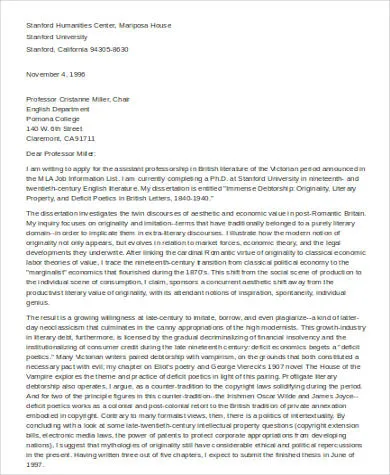
Teaching experience is a critical component of many academic positions, so be sure to highlight your skills in this area. Describe the courses you’ve taught, the teaching methods you’ve used, and the impact you’ve had on students. Mention any teaching awards or positive student evaluations you’ve received. Articulate your teaching philosophy, explaining your approach to engaging students, fostering critical thinking, and creating a positive learning environment. If the position emphasizes teaching, consider including a dedicated teaching statement, which provides a more in-depth exploration of your pedagogical approach and your commitment to student success. Showcase your skills as an instructor and your commitment to fostering a dynamic and supportive learning environment for students.
Showcase Your Fit with the Institution
Demonstrating your fit with the institution is crucial for showing that you’re not just qualified, but that you also belong there. Research the department, its faculty, and its research interests. In your cover letter, specifically mention how your research aligns with the department’s strategic goals and how your teaching experience complements the existing curriculum. Identify faculty members whose work resonates with your own and express your interest in collaborating with them. Demonstrate your knowledge of the institution’s culture and values, and articulate how you envision yourself contributing to the department’s community. By highlighting your fit, you convince the search committee that you’re a good match for the position and that you’re invested in the success of the department.
Demonstrate Your Potential
Academic search committees are looking for candidates with not only a strong track record, but also the potential for future success. In your cover letter, convey your enthusiasm for the position and your commitment to your field. Articulate your long-term career goals and explain how the position aligns with your aspirations. Discuss your vision for future research projects and your plans for contributing to the department’s research output. Highlight any skills or experiences that demonstrate your ability to secure grants, publish in high-impact journals, and mentor students. By showcasing your potential, you convey your commitment to a successful academic career and the ability to make substantial contributions.
Proofread and Polish Your Cover Letter

Before submitting your cover letter, take the time to proofread and polish it meticulously. Errors in grammar, spelling, or formatting can undermine your credibility and create a negative impression. Ensure your cover letter is free of typos and grammatical errors. Ask a colleague, mentor, or career advisor to review your letter and provide feedback. Pay attention to the tone of your writing, ensuring it is professional, enthusiastic, and appropriate for the academic context. Use clear and concise language, and avoid jargon that may not be familiar to the search committee. A well-proofread and polished cover letter demonstrates your attention to detail and your commitment to presenting yourself in the best possible light. Use tools like Grammarly or other proofreading software to assist you in this process.
Formatting and Style Considerations
Choosing the Right Tone
The tone of your academic cover letter should be professional, enthusiastic, and tailored to the specific position and institution. Maintain a formal tone throughout the letter, avoiding overly casual language or slang. Express genuine enthusiasm for the position and the opportunity to contribute to the department. Be respectful of the search committee and the institution, and avoid making any negative comments about your previous experiences or employers. The tone should reflect your professionalism and your eagerness to join the academic community.
Formatting Your Cover Letter

Pay attention to the formatting of your cover letter, as it can significantly impact its readability and visual appeal. Use a standard font, such as Times New Roman or Arial, and a font size of 11 or 12 points. Maintain consistent margins and spacing throughout the letter. Use headings and subheadings to organize your content and make it easy for the reader to navigate. Keep paragraphs concise and well-structured. Avoid using excessive bolding, italics, or underlining. Ensure your cover letter is visually appealing and easy to read, making a positive first impression on the search committee. Adhering to these formatting guidelines will enhance the overall professionalism of your application.
In conclusion, crafting a compelling cover letter is essential for successfully navigating the academic job market. By following these tips and tailoring your letter to each specific position, you can significantly increase your chances of landing an interview and securing your dream job. Remember to highlight your research and teaching experience, demonstrate your fit with the institution, and showcase your potential for future success. With careful attention to detail and a strategic approach, your academic cover letter can be a powerful tool in your job search.