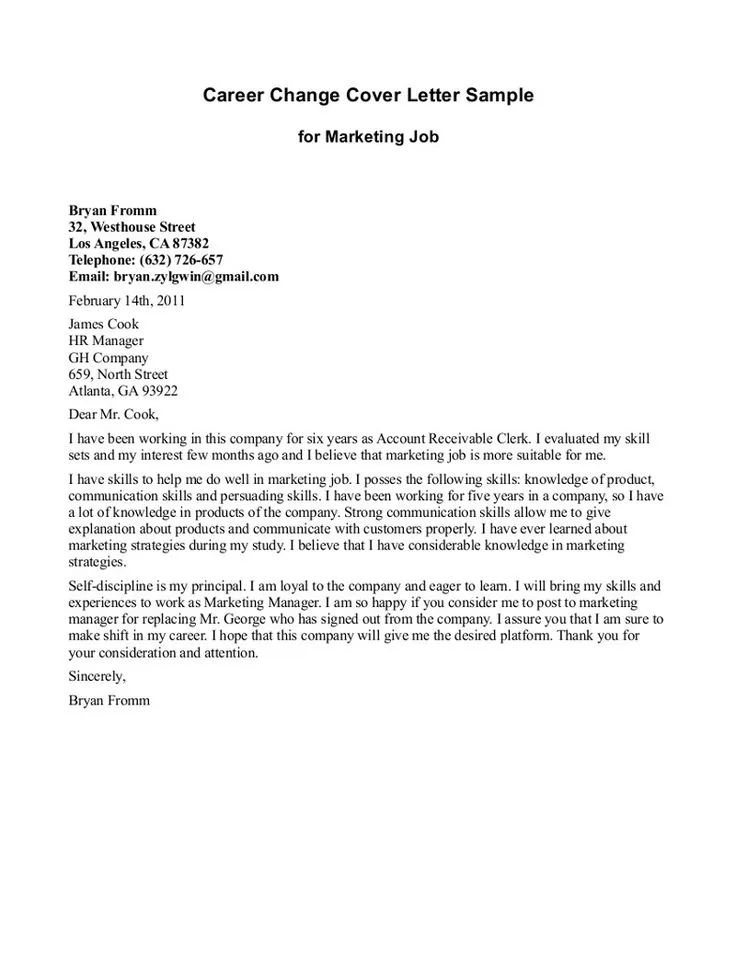
Crafting a Cover Letter for a New Job
A cover letter is more than just a formality; it’s your first impression, a chance to showcase your personality and qualifications beyond what your resume offers. Think of it as your personal introduction, where you can explain why you’re the perfect fit for the role and the company. A well-crafted cover letter can significantly increase your chances of landing an interview, while a poorly written one can send your application straight to the rejection pile. This guide will provide you with the essential elements needed to create a compelling cover letter for a new job, ensuring you stand out from the competition and make a lasting positive impression.
Highlighting Relevant Skills and Experience
The heart of a compelling cover letter lies in showcasing the skills and experience that directly align with the job requirements. Carefully review the job description and identify the key skills and qualifications the employer is seeking. Then, in your cover letter, provide specific examples of how you’ve demonstrated those skills in previous roles. Don’t just list your skills; illustrate them with concrete examples, using the STAR method (Situation, Task, Action, Result) to provide context and demonstrate your capabilities. This approach not only shows that you possess the required skills but also provides tangible evidence of your past successes.
Tailoring Your Cover Letter

One of the biggest mistakes job seekers make is sending generic cover letters. Each cover letter should be tailored to the specific job and company you’re applying to. This means going beyond simply changing the company name and job title. Research the company’s values, mission, and culture, and then adjust your letter to reflect your understanding of these aspects. This customization demonstrates your genuine interest in the role and the company and shows that you’ve taken the time to understand their needs. Always aim to make your cover letter feel personal and relevant to the specific opportunity.
Researching the Company and Role
Before you start writing, dedicate time to research the company and the specific role you’re applying for. Visit the company’s website, read news articles, and check out their social media profiles. Understand their products or services, their target market, and their recent achievements. This knowledge will help you tailor your letter to demonstrate your understanding of the company’s needs and values. Furthermore, understanding the role’s responsibilities and expectations will help you align your skills and experiences with the requirements, making your application more compelling.
Understanding the Job Description
Carefully dissect the job description. Identify the key skills, experiences, and qualifications the employer is seeking. Highlight these keywords in your cover letter, both explicitly and implicitly by describing how your past experiences align with the requirements. This approach helps the hiring manager quickly see the value you bring to the table. If the job description mentions specific software, tools, or methodologies, make sure to include them in your cover letter if you have experience with them.
Showcasing Achievements and Accomplishments

Instead of simply listing your job duties, focus on your achievements and accomplishments. Use quantifiable results whenever possible. For example, instead of saying “Managed social media accounts,” say “Increased social media engagement by 30% in six months by implementing targeted content strategies.” Highlighting your achievements demonstrates your value and impact in previous roles. It provides concrete evidence of your ability to deliver results and makes your cover letter more persuasive. Think about the problems you’ve solved, the projects you’ve completed, and the improvements you’ve made in previous positions.
Quantifying Your Accomplishments
Whenever possible, quantify your accomplishments with numbers, percentages, or specific metrics. This provides tangible evidence of your impact and makes your claims more credible. For example, instead of saying “Increased sales,” say “Increased sales by 15% in one quarter.” Use metrics like revenue generated, cost savings achieved, or customer satisfaction scores to showcase your contributions. Quantifiable achievements make a stronger impression and help potential employers understand the value you can bring to their organization.
Using Action Verbs
Start your sentences with strong action verbs to make your cover letter more dynamic and engaging. Action verbs clearly communicate what you did and the impact you had. Examples include managed, developed, implemented, achieved, led, created, and improved. By choosing the right action verbs, you can convey confidence, assertiveness, and a sense of purpose. Avoid passive language; instead, use active voice to make your achievements more impactful and your cover letter more engaging.
Formatting Your Cover Letter

Pay close attention to the formatting of your cover letter. Use a professional font, such as Times New Roman, Arial, or Calibri, with a readable font size (11 or 12 points). Keep the formatting consistent throughout the letter. Use clear headings and subheadings to break up the text and make it easy to read. Maintain appropriate margins and line spacing. A well-formatted cover letter is easier to read and makes a better first impression than one that is poorly formatted. Ensure your letter is visually appealing and easy to scan.
Choosing the Right Tone and Style
The tone and style of your cover letter should reflect your personality and the company culture. Tailor your tone to fit the industry and the specific role you’re applying for. Use a professional and respectful tone, but also let your personality shine through. Avoid overly formal or overly casual language. Proofread your cover letter carefully to ensure that the tone is appropriate and consistent throughout. A friendly, yet professional tone will help you connect with the hiring manager and demonstrate your communication skills.
Demonstrating Enthusiasm and Interest
Show your genuine enthusiasm for the role and the company. Express your interest in the specific opportunity and explain why you’re excited about it. Mention specific aspects of the company or the role that appeal to you. Demonstrate that you’ve done your research and that you understand the company’s mission and values. Your passion will make your application more memorable and increase your chances of getting an interview. Enthusiasm is contagious and can make you stand out from other candidates.
Proofreading and Editing

Proofread your cover letter carefully. Errors in grammar and spelling can damage your credibility. Read your letter aloud to catch any awkward phrasing or typos. Have a friend or colleague review it as well, as a fresh pair of eyes can often spot mistakes you might have missed. Pay attention to the small details, as they can make a big difference. Ensure that your cover letter is error-free and polished. A well-edited cover letter demonstrates your attention to detail and your commitment to quality.
Keywords to Include in Your Cover Letter
Incorporate keywords from the job description into your cover letter to ensure that your application passes through applicant tracking systems (ATS). ATS are used by many companies to filter applications based on keywords. Use the same keywords and phrases found in the job description to describe your skills and experience. This strategy can significantly increase the likelihood of your cover letter reaching a human reader. However, make sure to use the keywords naturally and avoid stuffing them into your letter.
Writing a cover letter for a new job is a strategic process that requires careful planning, research, and attention to detail. By crafting a tailored cover letter, highlighting relevant skills, showcasing achievements, and demonstrating your enthusiasm, you significantly increase your chances of landing an interview and ultimately securing your dream job.