Choose the Right Google Docs Template
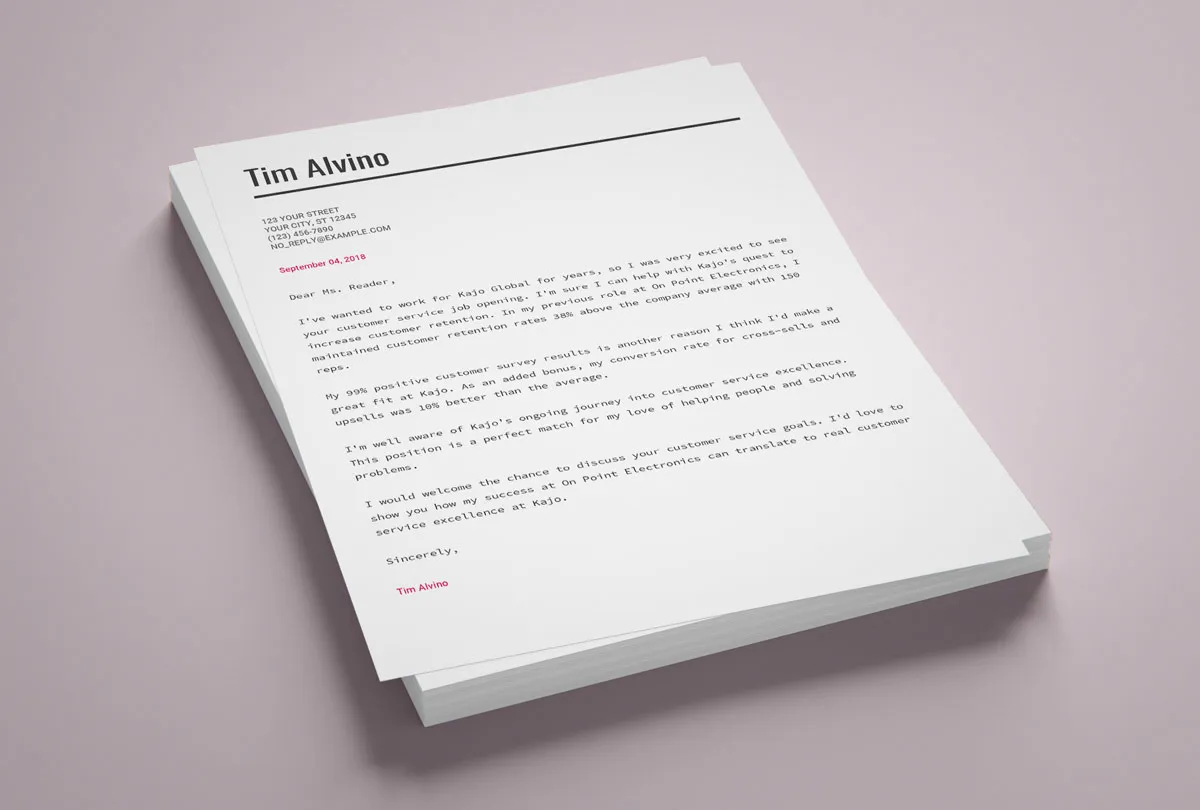
Creating a cover letter in Google Docs is a straightforward process, but the foundation of a great cover letter starts with choosing the right template. Google Docs offers a variety of templates, making it easy to get started. Selecting a template that aligns with your profession and the company you are applying to is crucial. A well-chosen template will provide a solid structure and help you showcase your skills and experience effectively. The right template ensures that your cover letter is visually appealing, well-organized, and professional, significantly increasing your chances of making a positive first impression.
Template Types to Consider
Google Docs provides a range of templates to suit different professional needs. It’s beneficial to be aware of these to make an informed decision. Consider the following template types when deciding which is best for you.
Professional Templates

Professional templates typically feature a clean, formal layout with standard fonts and clear sections. These are best for traditional industries like finance, law, and corporate roles. They often include sections for your contact information, a brief introduction, a skills summary, experience highlights, and a closing. The goal is to convey competence and reliability, making these templates a safe choice for most applications. Look for templates that offer a polished look without excessive design elements.
Creative Templates
Creative templates incorporate more design elements, such as unique fonts, color accents, and layout variations. They’re suitable for roles in the creative industries, such as graphic design, marketing, and advertising. These templates allow you to showcase your personality and design skills. However, use them judiciously and ensure the design complements your content rather than distracting from it. Avoid templates that are overly complex or make the cover letter difficult to read. Always prioritize clarity and readability.
Simple Templates
Simple templates offer a minimalist approach with a focus on clarity and ease of reading. They use basic formatting and clean lines, making them versatile for various professions. These templates are a good choice if you want your content to speak for itself. They’re suitable for any industry and are especially helpful if you want to avoid overwhelming the hiring manager with visual clutter. The emphasis is on clear communication and a professional appearance, making them an excellent choice when you are unsure.
Master Your Formatting

Formatting is key to creating a cover letter that is both visually appealing and easy to read. Proper formatting ensures that your cover letter is professional, organized, and highlights your key qualifications. Effective formatting guides the reader through your content, making it easier to understand your message and appreciate your qualifications. Take the time to format correctly to ensure your cover letter makes a positive impact.
Font Selection
The font you choose sets the tone for your cover letter. Opt for professional and legible fonts such as Arial, Times New Roman, Calibri, or Helvetica. These fonts are widely recognized and are easy on the eyes, ensuring that your cover letter is easy to read. Avoid overly decorative fonts, as they can detract from the professional appearance and make your letter difficult to read. Sticking to a standard font also conveys professionalism and attention to detail.
Font Size and Spacing
Use a font size of 11 or 12 points for the body text to ensure readability. Maintain a consistent font size throughout the document. Adjust the line spacing to 1.15 or 1.5 to provide enough space between lines, improving readability. Proper spacing prevents the text from appearing cramped, making it easier for the hiring manager to read and digest the information. Consistent font size and line spacing reflect professionalism and attention to detail.
Margins and Alignment

Set the margins to 1 inch on all sides to create a balanced look. Left-align the text for most of the content, as it is the most common and readable format. Use justified alignment sparingly, as it can sometimes create uneven spacing between words. Consistent margins and alignment contribute to a polished, professional appearance, making your cover letter visually appealing and easy to read. Ensure all the formatting is consistent throughout.
Content Organization
A well-organized cover letter is crucial for highlighting your qualifications effectively. Proper organization helps the hiring manager quickly grasp your skills and understand why you are the ideal candidate. Clear organization reflects professionalism and attention to detail, making a positive impression.
Header and Contact Information
At the top of your cover letter, include your contact information, such as your name, phone number, email address, and LinkedIn profile URL (optional). Below that, add the date and the hiring manager’s name and title (if known), along with the company’s address. Ensure your contact information is up-to-date and accurate to make it easy for the employer to reach you. This section sets the tone for the rest of your cover letter and provides essential information.
Body Paragraphs

The body of your cover letter should be structured into clear, concise paragraphs. Start with a brief introduction stating the position you’re applying for and where you found the job posting. In the following paragraphs, highlight your relevant skills, experience, and achievements, using specific examples to demonstrate your capabilities. Tailor each paragraph to the job description, emphasizing the skills and experiences most relevant to the role. Finish with a strong closing paragraph expressing your interest in the position and a call to action, such as requesting an interview.
Closing and Signature
End your cover letter with a professional closing, such as “Sincerely” or “Best regards.” Leave a few lines of space for your signature, then type your full name below. If submitting a digital cover letter, you can add a scanned image of your signature. A well-crafted closing reinforces your professionalism and leaves a lasting positive impression.
Optimize for Readability
Making your cover letter easy to read is crucial for capturing the hiring manager’s attention. Clear, concise writing and an appealing layout ensure that your key qualifications are highlighted effectively. A readable cover letter reflects your attention to detail and professionalism, increasing your chances of landing an interview.
White Space and Visual Appeal

Use white space effectively to break up the text and make the document visually appealing. Avoid overcrowding the page; adequate spacing between paragraphs and around the margins improves readability. White space creates a clean, uncluttered look, making it easier for the hiring manager to focus on your content. A well-designed cover letter looks professional and reflects your attention to detail.
Use of Bullet Points and Lists
Use bullet points and lists to highlight key skills, achievements, or responsibilities. Bullet points are excellent for breaking down information into easily digestible segments, making the content more scannable. This helps the hiring manager quickly identify your relevant qualifications. Ensure that your bullet points are concise and use action verbs to describe your accomplishments.
Proofread and Edit
Proofreading and editing are critical steps in the cover letter writing process. Ensuring that your cover letter is free of errors demonstrates attention to detail and professionalism. A well-proofread cover letter leaves a positive impression and increases your chances of securing an interview.
Grammar and Spelling Check

Thoroughly check your cover letter for any grammar and spelling errors. Use the spell-check feature in Google Docs and consider using a grammar checker like Grammarly. Read your cover letter aloud to catch awkward phrasing or mistakes you might have missed. Errors in grammar and spelling can undermine your credibility, so be meticulous in your review.
Review for Clarity and Conciseness
Ensure your cover letter is clear and concise. Avoid using jargon or overly complex language. Make sure each sentence conveys a specific point, and your overall message is focused and easy to understand. Remove any unnecessary words or phrases. A clear, concise cover letter is easier for the hiring manager to read and increases the impact of your message.