What is a Cover Letter
A cover letter is a crucial document that accompanies your resume when applying for a job. It serves as an introduction, providing potential employers with a glimpse into your personality, skills, and experiences. Unlike a resume, which provides a factual overview of your qualifications, a cover letter allows you to elaborate on your accomplishments and explain why you are the perfect fit for the specific role and the company. It’s your opportunity to make a strong first impression and distinguish yourself from other applicants. A well-crafted cover letter can significantly increase your chances of getting an interview, making it a vital part of the job application process. The cover letter is your chance to showcase your writing skills and express your enthusiasm for the position, setting the stage for a more in-depth discussion during an interview. A well-written cover letter can be the difference between getting noticed and getting overlooked.
The Purpose of a Cover Letter
The primary purpose of a cover letter is to persuade the hiring manager to read your resume and consider you for the job. It provides context to your resume, helping the employer understand how your skills and experiences align with the job requirements. A cover letter also allows you to express your genuine interest in the company and the specific role, demonstrating that you have done your research and are not just sending out generic applications. Furthermore, it allows you to highlight specific achievements, quantify your contributions, and explain any gaps or unique aspects of your work history. The cover letter is also a chance to demonstrate your communication skills, showing your ability to write clearly, concisely, and persuasively. By effectively communicating your value and enthusiasm, your cover letter will significantly increase your likelihood of securing an interview. The overall aim is to make a compelling case for why the employer should invite you to discuss your qualifications in more detail.
Key Components of a Cover Letter

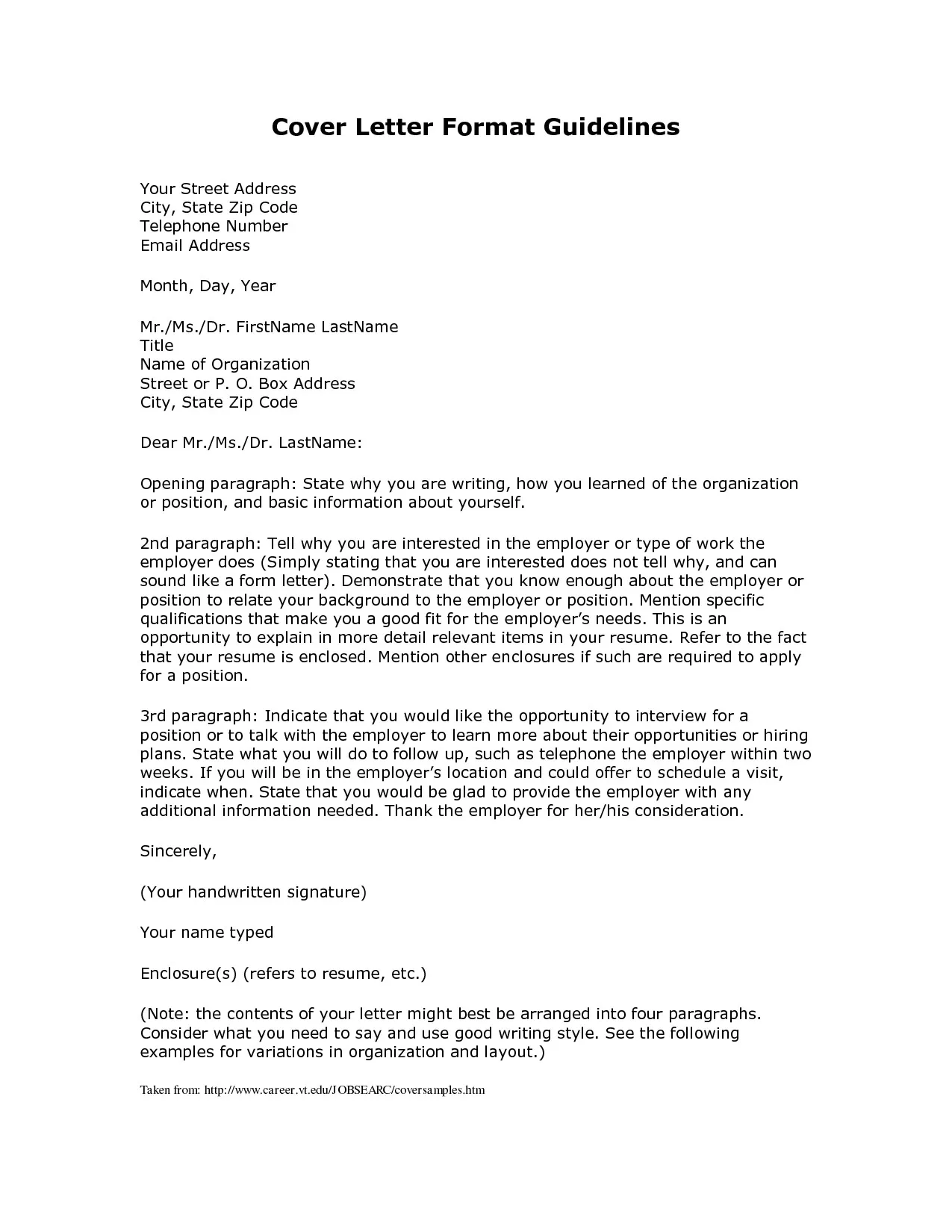
A well-structured cover letter includes several essential components that work together to present a compelling case for your candidacy. These components are vital for conveying your qualifications and enthusiasm. First, you need to include your contact information at the top, along with the employer’s contact information. Next, a professional salutation sets the tone for your letter. The opening paragraph should grab the reader’s attention and state the position you are applying for. The body paragraphs are where you provide detailed information about your skills and experience, highlighting your relevant accomplishments and how they align with the job requirements. Finally, a closing paragraph that reiterates your interest, includes a call to action, and expresses your gratitude for their time and consideration, seals the deal. Each component serves a specific purpose in presenting a cohesive and persuasive narrative, showcasing why you are the best fit for the role. Without these key components, the message of your application will be lost.
Contact Information
Start your cover letter by including your contact information. This section should be at the top of your letter and should include your full name, phone number, email address, and LinkedIn profile URL. Make sure your contact information is accurate and up-to-date. Include the date and the recipient’s contact information (hiring manager’s name, title, company name, and address) below your contact information. This ensures the employer can easily reach you for an interview. Presenting your contact information clearly and professionally shows attention to detail and makes it simple for the hiring manager to get in touch with you. Always double-check that all details are correct to avoid any communication issues. It is also a good practice to use a professional-sounding email address.
Salutation
The salutation sets the tone for your cover letter. Aim to address the hiring manager or recruiter by name. Research the company website or LinkedIn to find the correct name. Using a specific name adds a personal touch and shows that you have taken the time to personalize your application. If you can’t find a specific name, use a general salutation like ‘Dear Hiring Manager.’ Avoid overly casual salutations. A professional salutation demonstrates respect and attention to detail. By doing so, you can show you’ve done the necessary research, which helps make a positive first impression. It is essential to get the name right, so if you are unsure, double-check your sources.
Opening Paragraph

The opening paragraph is your opportunity to grab the reader’s attention. State the position you are applying for and how you learned about it. Briefly mention why you are excited about the opportunity. Avoid generic opening lines; instead, focus on your enthusiasm and the value you bring. Mentioning a mutual contact or your interest in the company culture can also be effective. Making a strong first impression will set the stage for the rest of your letter. The initial sentences of your cover letter set the tone for the entire application, which means that it’s important to get it right. Start by stating the specific job title and where you saw the job posting.
Body Paragraphs
The body paragraphs are where you demonstrate your value. Highlight your relevant skills and experiences and provide specific examples of your accomplishments. Use the job description as a guide to tailor your skills to the employer’s needs. Quantify your achievements with numbers or data to make them more impactful. Connect your skills to the company’s needs and the specific requirements of the role. These paragraphs should be concise and focused on demonstrating how you can solve the employer’s problems. Structure your content logically, and use action verbs to describe your accomplishments. Each paragraph should address a different aspect of your qualifications. Always tailor your content to the specific job, focusing on key skills and experiences that match the requirements.
Highlighting Relevant Skills and Experiences
In this section, focus on skills and experiences that are relevant to the job description. Review the job posting carefully and identify the key requirements. Provide examples of how you have successfully used these skills in the past. Use action verbs to describe your accomplishments and quantify them whenever possible. Tailor each example to the employer’s needs, showing how you can contribute to their success. This is where you prove your value, connecting your past experiences with the future. Ensure that the skills and experiences you highlight directly address the requirements listed in the job description. Providing specific examples with measurable results makes your application much more persuasive. Prioritize the most critical skills and experiences.
Tailoring Your Cover Letter

Tailoring your cover letter is essential for making a strong impression. Avoid using a generic template; instead, customize it for each job application. Research the company and the specific role to understand their needs and values. Use the job description to identify keywords and skills. Highlight how your skills and experiences align with the employer’s requirements. Personalize your letter by addressing the hiring manager by name and referencing the company’s mission or recent projects. Demonstrating this level of effort shows that you are genuinely interested in the opportunity. The more customized your cover letter is, the more likely you are to make a lasting impression. This personalization indicates that you’re not sending out a generic application but are genuinely interested in the position and company.
Closing Paragraph
The closing paragraph is your final opportunity to make an impact. Reiterate your interest in the position and the company. Summarize your key qualifications and why you are a good fit. Include a call to action, such as requesting an interview. Express your gratitude for their time and consideration. A strong closing paragraph reinforces your enthusiasm and leaves a positive final impression. The objective of the closing paragraph is to wrap up your message in a professional manner. Ending on a positive note can ensure that the employer remembers your application. Make sure to include a concise summary of your most important qualifications.
Call to Action
A call to action prompts the employer to take the next step. Specifically request an interview or follow-up to discuss your qualifications in more detail. Make it easy for them to contact you by including your phone number and email. You can also mention your availability for an interview. A clear call to action shows that you are proactive and eager to move forward in the hiring process. This part of your cover letter is very important. It signals to the recruiter that you are interested in speaking with them. This encourages the hiring manager to take the next step.
Formatting a Cover Letter for Success

Proper formatting is critical for making your cover letter easy to read and professional. Select a professional font, such as Times New Roman, Arial, or Calibri, and use a font size between 10 and 12 points. Set your margins to one inch on all sides. Use single-spacing for the body of your letter and double-spacing between paragraphs. Proofread your letter carefully for any errors in grammar, spelling, and punctuation. A well-formatted cover letter is visually appealing and showcases your attention to detail. Proper formatting makes your letter easier to read and more aesthetically pleasing, leaving a positive impression on the reader. Clean formatting enhances readability and helps the reader focus on the content.
Font and Font Size
Choose a readable and professional font for your cover letter. Popular choices include Times New Roman, Arial, and Calibri. Use a font size between 10 and 12 points to ensure readability without being too large or too small. Ensure that your font choice is consistent throughout the letter. Avoid overly decorative fonts that can distract the reader. The goal is to make your cover letter easy on the eyes. The correct font choice ensures your application appears polished. These fonts are clean, professional, and easy to read, which is essential for conveying your message effectively. If the font appears unprofessional, the reader might develop a negative first impression.
Margins and Spacing
Proper margins and spacing improve the readability of your cover letter. Set your margins to one inch on all sides (top, bottom, left, and right). Use single-spacing for the body of your letter and double-spacing between paragraphs. This spacing allows the reader’s eyes to rest and makes the letter easier to follow. Consistent margins and spacing create a clean and professional look, making your cover letter visually appealing. The spacing is essential for good formatting. This allows for a neat appearance, which enhances the overall readability of your letter. Well-organized formatting makes it easier for the reader to scan the letter and quickly grasp the key information.
Proofreading and Editing

Proofreading and editing are essential steps in the cover letter writing process. Carefully review your letter for any errors in grammar, spelling, and punctuation. Read your letter aloud to catch any awkward phrasing or run-on sentences. Have a friend or family member proofread your letter as a second set of eyes can catch errors you might have missed. A polished cover letter demonstrates your attention to detail and professionalism. Errors can undermine your credibility, so it is important to eliminate them before submitting. Correcting errors improves your chances of making a positive impression. A well-edited cover letter indicates that you pay attention to detail and that you are willing to put in the effort to make your work high-quality.
Cover Letter Examples
Reviewing cover letter examples can provide inspiration and guidance. Search online for cover letter templates and examples tailored to the specific industry or job title. Pay attention to how successful candidates structure their letters, highlight their skills, and express their enthusiasm. Use these examples as a guide to develop your cover letter, but always tailor it to your own experiences and the specific job. Cover letter examples demonstrate how others have presented themselves effectively. Learn from their structure, language, and formatting. Use them as a reference to understand how to best showcase your qualifications. Use these examples to learn about best practices in cover letter writing and customize them for your unique experience and job search goals.