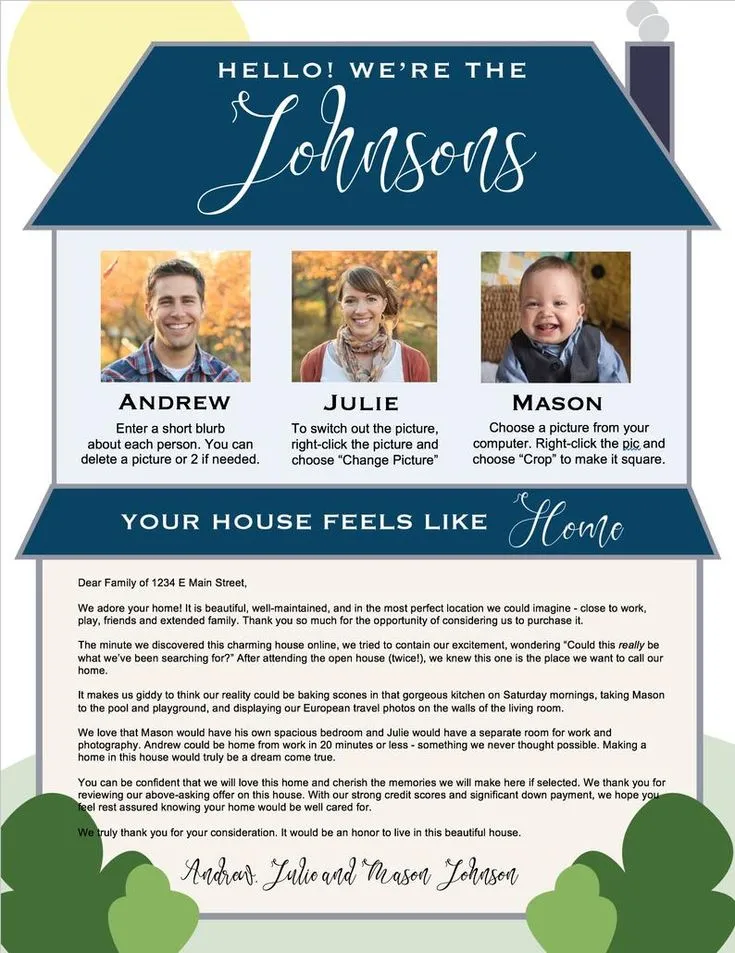
What is a Cover Letter House Offer
A cover letter house offer is a personalized letter that accompanies a formal offer to purchase a property. It goes beyond the standard details of the offer and allows potential buyers to connect with the sellers on a more personal level. In a competitive real estate market, this letter can be a crucial tool in helping your offer stand out. It provides a space for you to express your genuine interest, share your story, and highlight what makes you the ideal buyer for their home. The goal is to create an emotional connection, making the sellers more likely to choose your offer over others, especially when other offers are comparable in price. It’s your chance to shine and differentiate yourself.
Why is a Cover Letter House Offer Important
In today’s real estate landscape, where multiple offers are common, a cover letter can make all the difference. It provides a unique opportunity to humanize your offer, going beyond the numbers to establish a personal connection. This connection can be particularly effective if the sellers have an emotional attachment to their home. By sharing your story and expressing your appreciation for the property, you might persuade them to choose your offer, even if it’s not the highest. This is particularly true in situations where the sellers have lived in the home for a long time and have developed sentimental feelings about the property. The cover letter allows you to show that you will appreciate their home, ensuring a smooth transition.
Essential Components of a Cover Letter House Offer

A well-crafted cover letter should include several key elements. First, it should express your interest in the property and reference its address. Second, it should include a brief introduction about yourself and your family, creating a personal connection. You should also outline your financial standing, demonstrating your ability to purchase the home. Then, highlight the key terms of your offer, such as the price and any contingencies. Furthermore, express your enthusiasm and appreciation for the property and the sellers’ consideration. Finally, include a call to action, encouraging the sellers to contact you. It is important to be genuine and thoughtful throughout the entire letter, demonstrating your sincere interest in the property.
Your Personal Story Build Connection
Sharing a brief, yet compelling, personal story is often the most impactful part of your cover letter. This is where you can connect with the sellers on an emotional level. Consider sharing why you love their home, what attracted you to the property, and your vision for the future in the home. If you are a first-time homebuyer, express your excitement about the milestone. If you have a growing family, mention your need for more space or a better neighborhood. Tailor your story to the specific property, and if possible, find common ground. This can be as simple as mentioning shared interests or values. Authenticity is critical here; the more genuine you are, the more likely you are to resonate with the sellers and make a lasting impression.
Outline Your Financial Standing
While it’s important to connect emotionally, you also need to reassure the sellers of your financial ability to purchase the home. Briefly mention your pre-approval for a mortgage, or provide proof of funds if you’re paying cash. This demonstrates that you are a serious buyer and have already taken steps towards securing financing. If you have a strong financial position, you can briefly highlight this as well, perhaps mentioning a long-term job or a secure financial history. However, avoid going into excessive detail about your finances, as the primary focus should remain on your personal connection and the attractiveness of the property to you. Keep it concise and reassuring.
Highlight Your Offer Details

In a succinct manner, clarify the key terms of your offer. Clearly state the price you’re offering, making sure it aligns with your overall strategy and the property’s market value. Mention any contingencies, such as financing or inspection contingencies, but aim to make your offer as clean as possible to increase its appeal. If you’re willing to be flexible with the closing date, or if you’re offering to cover certain costs, mention these aspects as well. The goal is to reassure the sellers that your offer is attractive and demonstrates your seriousness. This section should reinforce your financial stability and showcase your willingness to create a smooth transaction, making it easy for the sellers to accept your offer.
Express Your Enthusiasm and Appreciation
Expressing genuine enthusiasm for the property and appreciation for the sellers’ consideration is crucial. Comment on what specifically you liked about the home. Did you love the kitchen? The garden? The neighborhood? Point out the features that particularly attracted you and why they appeal to you. This shows you have carefully considered the property and see yourself living there. Thank the sellers for their time and consideration. Let them know you’re aware of how significant the decision of selling their home is and that you respect their process. This section reinforces the positive emotional tone and shows the sellers that you are not just a potential buyer but a person who cares about their home.
Proofread and Edit Your Cover Letter
Before submitting your cover letter, meticulous proofreading and editing are absolutely essential. Ensure that the letter is free from grammatical errors, spelling mistakes, and typos. Errors can undermine your credibility and detract from the overall impact of your message. Read through the letter several times and consider having someone else review it as well. Check for clarity, ensuring that your message is easy to understand and flows logically. The tone should be professional, friendly, and genuine. The formatting should be clean and easy to read. A well-edited letter demonstrates attention to detail and respect for the sellers, signaling that you are a serious and reliable buyer. Take your time, and ensure that you present the best possible version of yourself.
Step-by-Step Guide to Writing Your Cover Letter

Step 1 Research the Property and Seller
Before writing your cover letter, do your homework. Research the property’s history, any unique features, and the neighborhood. If possible, try to find out more about the sellers, their motivations for selling, and any personal details you can gather. This information will allow you to tailor your letter and make a more personal connection. Look at past sales data, recent renovations, and anything else that can give you an edge. Understanding the property and the seller will make your letter more compelling. Knowing these elements will make your letter more genuine and effective.
Step 2 Craft a Compelling Introduction
Start with a strong, attention-grabbing introduction that clearly states your interest in the property. Mention the address and express your excitement about the opportunity. This immediately establishes your intent and sets a positive tone. Keep it brief and engaging, while letting the sellers know why you are writing to them. This initial section should be friendly and welcoming, making the seller want to learn more. The introduction must capture the seller’s attention right away, compelling them to read on.
Step 3 Share Your Personal Story

This is the heart of your cover letter. Share your personal story and what attracts you to the house. Be honest, authentic, and specific. Mention any memories or feelings that the property evokes. If you’re a family with kids, talk about the school district and the backyard. If you’re a first-time buyer, describe your excitement about owning your own home. The key is to create an emotional connection, letting the sellers visualize you enjoying their home. This is where your personality can truly shine.
Step 4 Detail Your Financial Offer
Briefly address your financial standing. State the price of your offer and confirm your pre-approval for a mortgage. Reassure the sellers that you are a serious buyer and can complete the purchase. Providing a pre-approval letter with your offer is crucial. Keep this section factual and reassuring. Highlight your ability to close the deal promptly and smoothly. The goal is to convey confidence and security. You want to let them know that the sale will go through without any financial surprises or delays.
Step 5 Express Your Gratitude
Express your appreciation for the opportunity to purchase their home and for their consideration of your offer. Thank them for their time and acknowledge the importance of their decision. Include a sincere expression of your respect for the property. This section reinforces your positive approach and makes the sellers feel valued. Your gratitude adds a personal touch and builds goodwill, increasing the chance of your offer being accepted.
Step 6 Include a Call to Action

Conclude your letter with a clear call to action. Encourage the sellers to contact you with any questions or to discuss the offer. Provide your contact information and reiterate your willingness to work with them. Make it easy for them to respond. State your desire to move forward and express your availability for further discussions. A direct call to action shows your enthusiasm and professionalism.
Step 7 Proofread and Send
Before submitting your cover letter, carefully proofread for any errors in grammar, spelling, and punctuation. Check for clarity and ensure the tone is appropriate. Have someone else review your letter for a second opinion. Ensure that the formatting is clean and the presentation is professional. Your cover letter represents you and should be polished and error-free. A well-written letter leaves a lasting positive impression on the sellers.
Common Mistakes to Avoid in a Cover Letter
There are several common pitfalls to avoid. Don’t make your letter too generic; personalize it to the specific property and sellers. Avoid making unrealistic promises or exaggerations. Do not include negative comments about the property or the sellers. Keep it concise and avoid rambling. Refrain from using clichés or overly sentimental language. Proofread carefully, as errors can undermine your credibility. Most of all, be yourself. A genuine and authentic approach is always the most effective.
Formatting and Tone for a Winning Cover Letter

The formatting and tone play a crucial role. Keep your cover letter concise and easy to read, using a clear font and spacing. Use a friendly and professional tone throughout the letter. Avoid being overly formal or informal. The tone should be genuine and sincere, reflecting your enthusiasm. Maintain a positive and respectful attitude, and show appreciation for the sellers’ home. Make the formatting look appealing by using headings, bullet points, and short paragraphs to make it reader-friendly and easy on the eyes.
When to Use a Cover Letter House Offer
While not always necessary, a cover letter house offer is especially valuable in specific situations. In a competitive market where multiple offers are common, a cover letter can help your offer stand out. If the property has unique features or sentimental value, a cover letter can highlight your appreciation. It’s particularly helpful when the seller has an emotional attachment to their home. If you are a first-time homebuyer or have a unique situation, a cover letter is an excellent way to personalize your offer and share your story. Consider using a cover letter to show that you are the best possible buyer for the home.
Cover Letter House Offer Best Practices
Follow some best practices to make your cover letter a success. Research the property and the sellers beforehand. Write with authenticity and from the heart. Keep your letter concise and focused. Proofread carefully for any errors. Highlight what makes you the ideal buyer. Show genuine enthusiasm and appreciation for the property. Tailor your letter to the specific property and the sellers’ situation. Consider adding a personal touch, like mentioning something that made you love the home. By following these steps, your cover letter house offer will significantly increase your chances of success.