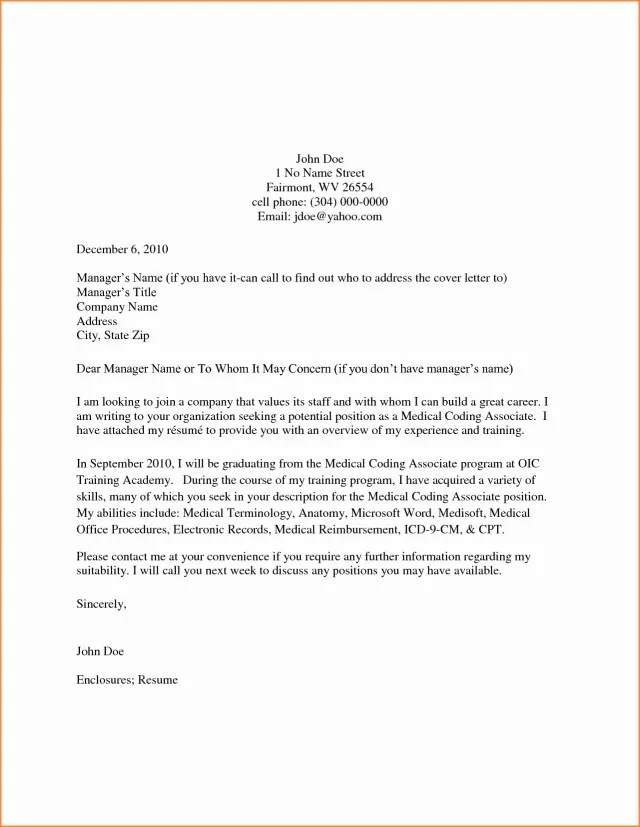
Why Addressing Unknown Hiring Managers is Crucial
In the competitive world of job applications, crafting a compelling cover letter is essential. Often, you won’t know the name of the hiring manager, leaving you to address an unknown person. This presents a unique challenge, but also an opportunity to showcase your adaptability and professionalism. Successfully navigating this situation can significantly increase your chances of landing an interview. Addressing an unknown hiring manager requires a strategic approach that balances formality with personalization. Failing to do so can lead to your application being overlooked. This guide will provide you with the tools and techniques to make a positive impression, even when you’re unsure who will be reading your letter.
The Challenge of the Unknown
The primary challenge of addressing an unknown hiring manager is the lack of personal connection. Without a name, it’s difficult to personalize your letter directly. This can make the initial impression feel generic, potentially leading the reader to dismiss your application as a mass submission. The absence of a name also complicates the tone and language you should use. You need to strike a balance between being formal and appearing sincere. This can be a delicate balancing act and a potential pitfall for many job seekers. Overly formal salutations might come across as impersonal, while excessively casual language could appear unprofessional.
The Benefits of a Targeted Approach

Despite the challenges, addressing an unknown hiring manager offers the chance to demonstrate your research skills and initiative. Showing that you’ve taken the time to understand the company and the role, even without a specific contact person, can impress the hiring team. By tailoring your letter to the specific job and company, you can signal that you’re genuinely interested, rather than just sending out generic applications. A well-crafted cover letter can help you stand out from other applicants and get your foot in the door. It is important to show that you are the right fit for the company, even if you can’t personally address the person that reads it.
Crafting the Perfect Opening
The opening of your cover letter is crucial, especially when you’re addressing an unknown hiring manager. It sets the tone and determines whether the reader will continue. Using the right salutation and tone can make a significant difference. Generic greetings can seem impersonal, but a well-chosen alternative can signal professionalism and engagement. The opening paragraph should also clearly state the position you’re applying for and briefly explain why you’re a good fit. Your goal is to capture the reader’s attention from the start and encourage them to read further. This will increase the likelihood that your application will be considered.
Using a Generic Salutation
If you absolutely can’t find a name, options like “Dear Hiring Manager” or “Dear [Company Name] Hiring Team” are acceptable. However, these salutations are fairly commonplace, so you’ll need to make extra effort in the body of your letter to stand out. Make sure the body of your letter is tailored to the specific job posting and the company’s values. Demonstrate your research skills by referencing the company’s mission, recent projects, or industry trends. Use language that shows genuine enthusiasm for the role and the organization. This will demonstrate that you are not just sending a generic cover letter, but one specifically for this position.
Alternatives to “To Whom It May Concern”

Avoid using “To Whom It May Concern” as it’s outdated and impersonal. Instead, opt for alternatives that show a little more effort. “Dear Hiring Manager” is a safe option if you cannot find a specific name. If the job posting lists a department, you could use “Dear [Department Name] Hiring Team.” This shows you’ve paid attention to the job description. If you find a general contact email, address the letter to the team listed in the email signature. The goal is to be as specific as possible without guessing. Even a minor effort to personalize your greeting can show initiative and professionalism, improving your chances of making a good first impression.
Researching the Company and Role
Before writing your cover letter, dedicate time to researching the company and the specific role. This will help you tailor your letter to show how your skills and experience align with their needs. Explore the company website, read articles, and check social media platforms like LinkedIn. Identify key projects, values, and recent news to incorporate into your letter. Understanding the role’s requirements allows you to highlight the most relevant skills and experiences. By mentioning specific projects or challenges the company faces, you show you understand their business needs. Use keywords from the job description to demonstrate that you are a qualified candidate for the open position. This research demonstrates your interest and attention to detail.
Highlighting Relevant Skills and Experience
Once you’ve set a tone, focus on your relevant skills and experiences. This is where you showcase your qualifications and demonstrate how you meet the job requirements. Your goal is to highlight the aspects of your professional background that are most relevant to the open position. The most common mistake is to be general. Instead, use specific examples to show, not just tell, the hiring manager about your abilities. Use action verbs and provide concise explanations of your achievements and responsibilities. Tailor this section to fit the job description and the company’s needs, demonstrating that you understand the requirements and can add value to the organization. Make your skills apparent using examples.
Tailoring Your Cover Letter

Tailoring your cover letter means modifying it to fit the specific job you are applying for. Generic cover letters are easy to spot and often end up in the rejection pile. Read the job description carefully and highlight the skills and experiences the employer is seeking. Use the same keywords and phrases from the job description to demonstrate that you meet their requirements. Provide specific examples of how you have used these skills in past roles. This shows the hiring manager that you not only possess the necessary qualifications, but also understand what the job entails. Personalizing the cover letter increases your chances of being chosen for an interview.
Showcasing Achievements and Quantifiable Results
When highlighting your skills, focus on achievements and quantifiable results. Rather than simply listing your responsibilities, use the STAR method (Situation, Task, Action, Result) to explain your accomplishments. For example, instead of writing “Managed social media accounts,” write “Managed social media accounts, increasing follower engagement by 30% and website traffic by 15%.” Quantifiable results provide concrete evidence of your abilities and demonstrate the value you can bring to the role. Use metrics and numbers to support your claims and show your impact in previous positions. This will make your cover letter more persuasive and show the hiring manager the tangible results you have achieved.
Demonstrating Your Understanding of the Company
In addition to highlighting your skills, use your cover letter to demonstrate your understanding of the company’s mission, values, and goals. This shows that you’ve done your research and are genuinely interested in joining their team. Mention specific projects or initiatives the company is involved in, and explain how your skills and experience align with their objectives. You can also reference the company’s values and explain how your personal values align with theirs. This helps you connect with the hiring manager and show that you’re a good cultural fit. Demonstrate that you have a good understanding of what the company is doing.
Making a Strong Closing Statement

The closing statement of your cover letter is your last opportunity to make a positive impression. It should summarize your interest in the position and the company, and reiterate your value. It’s also a good time to include a clear call to action, such as expressing your enthusiasm for an interview. A well-crafted closing can leave a lasting impression and improve your chances of getting a call. The closing paragraph should summarize your key qualifications, and reiterate your interest in the role. It is your last chance to convince the hiring manager to continue with your application. Close professionally, with a strong call to action.
Expressing Enthusiasm and Interest
Show your enthusiasm for the opportunity and the company. Expressing genuine interest can go a long way. Use language that conveys your excitement about the role and the prospect of joining the team. Highlight what specifically attracts you to the position and the company. This demonstrates that you are not just sending out generic applications, but are actually interested in this specific job. A positive and enthusiastic tone can make you memorable and increase your chances of standing out. Showing excitement and enthusiasm will show that you have a vested interest in the company.
Including a Clear Call to Action
Always include a clear call to action at the end of your cover letter. This can be as simple as expressing your availability for an interview. State that you look forward to discussing your qualifications further, or express your eagerness to learn more about the opportunity. Make it easy for the hiring manager to take the next step. Provide your contact information again, making it simple for them to reach out. Avoid vague statements like “I look forward to hearing from you.” Instead, be proactive and express your interest in moving forward in the hiring process. This will increase the chance that you will be contacted.
Proofreading and Editing Your Cover Letter

Before submitting your cover letter, carefully proofread and edit it for any errors. Errors in grammar, spelling, or punctuation can make you appear careless and unprofessional, and can be an immediate reason for rejection. Read your cover letter multiple times, and ideally, have someone else review it. Check for clarity, conciseness, and flow. Ensure that your language is professional and that your message is conveyed effectively. Pay attention to details. A polished cover letter demonstrates your attention to detail and your commitment to quality. This will increase your chances of getting noticed by the hiring manager.
Ensuring Accuracy and Professionalism
Accuracy and professionalism are critical. Double-check all the information you’ve included, such as the company name, job title, and dates. Use a professional font and format your letter neatly. Avoid slang, jargon, and overly casual language. Maintain a formal and respectful tone throughout the cover letter. Your cover letter is a reflection of your professional brand, and it should project a positive image. Make sure that your document looks professional and the information that you are providing is accurate. If there are any discrepancies, it will be immediately apparent and it will hurt your chances of getting the job.
Tools and Resources for Review
Use tools and resources to assist you with proofreading and editing. Grammar and spell check tools in word processors can catch many errors, but they aren’t foolproof. Online grammar checkers can provide additional assistance. Ask a friend, mentor, or career counselor to review your cover letter. A fresh pair of eyes can often catch mistakes you might have missed. Reviewing resources such as cover letter templates and examples can provide insights into structuring and writing an effective cover letter. Use the tools that are available to you. Make sure that you are taking advantage of any assistance that you can get. This will drastically improve your chances.