Crafting a Compelling Cover Letter
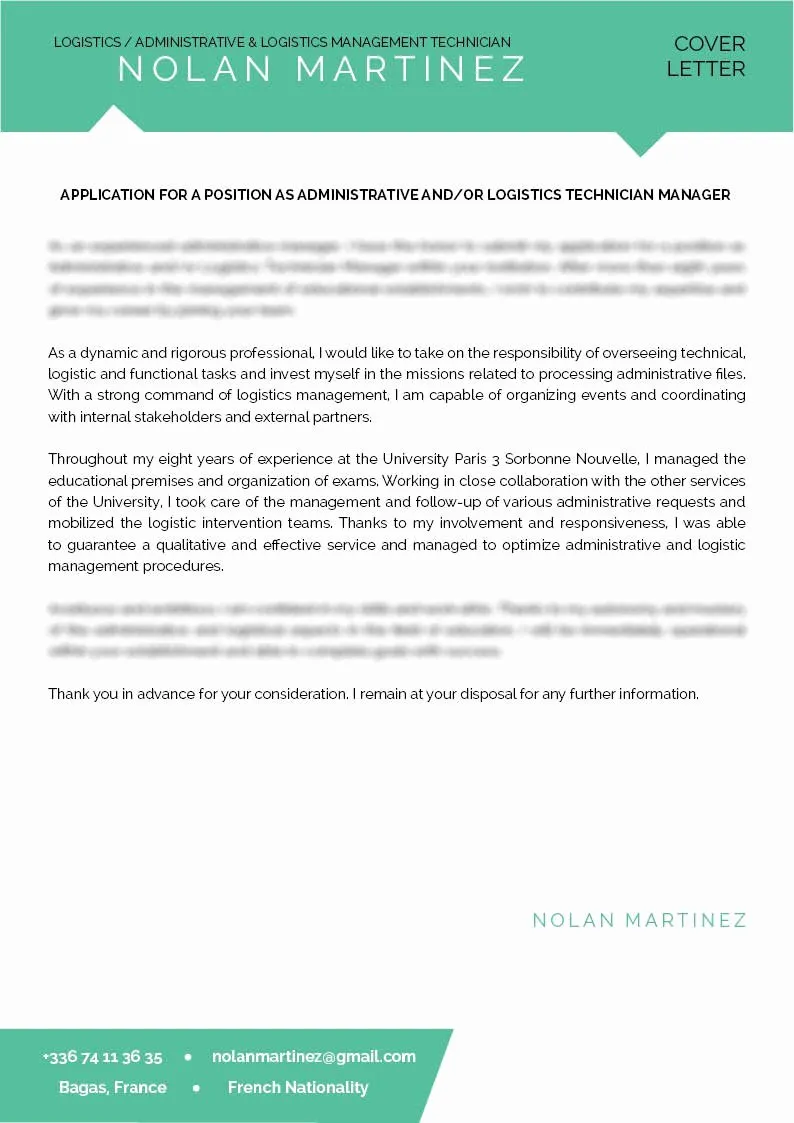
A well-crafted cover letter is your first opportunity to make a strong impression on a potential employer. For a Logistics Specialist, a compelling cover letter is crucial because it showcases your understanding of the role, your relevant skills, and your ability to communicate effectively. This document isn’t just a formality; it’s your chance to differentiate yourself from other candidates and demonstrate why you are the ideal fit for the position. The following sections will guide you through the process of creating a cover letter that will capture the attention of hiring managers and increase your chances of landing an interview.
Understanding the Logistics Specialist Role
Before you start writing your cover letter, it’s essential to have a clear understanding of the Logistics Specialist role. This knowledge will help you tailor your letter to highlight the most relevant aspects of your experience and skills. Logistics specialists are vital in the supply chain, managing the flow of goods and information from suppliers to customers. They ensure that the right products are delivered to the right place at the right time, optimizing efficiency and minimizing costs. They coordinate transportation, warehousing, and inventory management, often working with various departments and external partners.
Key Responsibilities of a Logistics Specialist

A Logistics Specialist’s responsibilities vary depending on the company and industry, but generally include several core duties. These professionals analyze logistical operations, identify areas for improvement, and implement strategies to enhance efficiency. They manage and coordinate transportation activities, including selecting carriers, negotiating rates, and ensuring timely deliveries. They also oversee warehouse operations, such as receiving, storing, and distributing goods. Furthermore, they prepare and maintain essential logistics documentation, such as shipping manifests, invoices, and bills of lading. Strong organizational and problem-solving skills are essential for success in this role.
Essential Skills to Highlight
Your cover letter should emphasize both technical and soft skills. These skills collectively demonstrate your suitability for the Logistics Specialist role. By clearly outlining your competencies, you help the hiring manager quickly understand your capabilities. Focus on the skills that are most relevant to the job description and showcase your achievements in those areas. Provide concrete examples of how you have utilized these skills to achieve positive results in previous roles. Be specific and avoid vague statements, using action verbs and quantifiable results whenever possible to make your skills more impactful.
Technical Skills
Technical skills are the practical, job-specific abilities that allow you to perform the essential tasks of a Logistics Specialist. Proficiency in these areas is vital for managing the complexities of the supply chain. Consider including your experience with warehouse management systems (WMS), transportation management systems (TMS), and enterprise resource planning (ERP) software. If you have experience with inventory management techniques, such as Just-In-Time (JIT) or First-In, First-Out (FIFO), be sure to mention these as well. Demonstrate your ability to analyze data, create reports, and use software tools to optimize logistical processes. Highlight your knowledge of relevant regulations and compliance standards, such as those related to shipping, safety, and hazardous materials.
Soft Skills
Soft skills are the interpersonal and personal attributes that enable you to work effectively with others and manage your responsibilities. They are crucial for building relationships, problem-solving, and adapting to change. Highlight your communication skills, both written and verbal, as you will be corresponding with suppliers, customers, and colleagues regularly. Demonstrate your ability to negotiate and resolve conflicts, as this is a common part of the job. Show your organizational skills, as you will be managing multiple tasks simultaneously. Mention your ability to work independently and as part of a team, demonstrating your adaptability and collaborative spirit. Highlight your problem-solving abilities, emphasizing your capacity to analyze situations, identify solutions, and implement them effectively.
Structuring Your Cover Letter
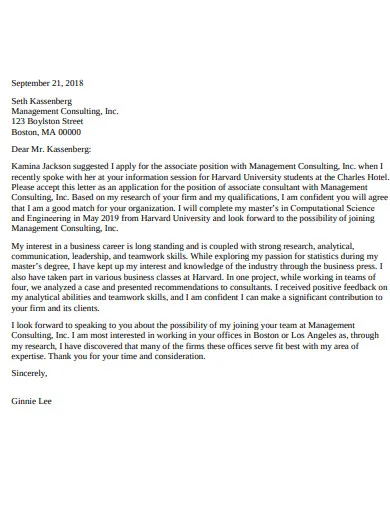
A well-structured cover letter is easy to read and presents your qualifications effectively. The structure helps the hiring manager quickly grasp your key qualifications and understand why you are a suitable candidate. Keep the letter concise and focus on the most relevant information. Each section should have a clear purpose, and the content should flow logically. Tailor the structure to match the job description, highlighting the requirements and skills that the employer values. The following sections outline the key parts of a cover letter and offer advice for creating each part successfully.
Header and Contact Information
Start your cover letter with a professional header that includes your contact information. This section should be at the top of your document and should include your full name, address, phone number, and professional email address. Make sure your email address is professional and uses your name. The header should also include the date and the hiring manager’s name and title, if known, along with the company’s address. Proper formatting and attention to detail in this section reflect your professionalism and attention to detail.
The Opening Paragraph

The opening paragraph is your chance to grab the reader’s attention and introduce yourself. State the position you are applying for and how you learned about it. Express your enthusiasm for the role and the company. If possible, mention a specific reason why you are interested in the position, such as the company’s reputation or a particular project. Briefly summarize your most relevant qualifications to capture the reader’s interest immediately. Be concise, enthusiastic, and demonstrate a clear understanding of the job requirements. This paragraph sets the tone for the rest of your letter, making it critical for making a positive first impression.
Highlighting Your Achievements
Use the body of your cover letter to highlight your achievements and demonstrate how your skills and experience align with the job requirements. Focus on providing specific examples of your accomplishments rather than simply listing your responsibilities. Each example should illustrate your ability to solve problems, improve processes, and achieve positive results. Use the STAR method (Situation, Task, Action, Result) to structure your examples, providing context, describing your actions, and quantifying your achievements. For example, “In my previous role, I reduced shipping costs by 15% by negotiating better rates with carriers.”
Quantifying Your Accomplishments
Quantifying your accomplishments is critical for demonstrating the impact of your work. Use numbers, percentages, and specific data to illustrate the results you achieved in previous roles. This evidence helps hiring managers understand the value you can bring to their organization. For example, instead of saying “Improved inventory management,” write “Improved inventory turnover by 20% by implementing a new tracking system.” This level of detail provides credibility and makes your achievements more compelling. Be precise and use metrics that are relevant to the job requirements.
Demonstrating Relevant Experience

Provide details about your previous roles and how your experience aligns with the requirements of the Logistics Specialist position. Focus on the responsibilities and achievements that are most relevant to the job description. Mention any specific projects, initiatives, or processes you were involved in. Emphasize your experience with relevant software, systems, and techniques. Describe how you have utilized your skills to solve problems, improve efficiency, and contribute to the success of your previous employers. Ensure your experience demonstrates your proficiency in managing various aspects of the logistics operations.
Tailoring Your Letter to the Job Description
Customizing your cover letter to each job application is essential. Thoroughly review the job description and identify the key requirements, skills, and qualifications the employer is seeking. Then, adjust your letter to highlight your experience and skills that align with those requirements. Use the same keywords and phrases that are used in the job description. This approach shows the hiring manager that you have read the job posting carefully and understand the needs of the company. Demonstrate how your experience makes you the ideal candidate for the specific role.
The Closing Paragraph and Call to Action
In the closing paragraph, reiterate your interest in the position and thank the hiring manager for their time and consideration. Express your eagerness to learn more about the opportunity and discuss how you can contribute to the company. End with a clear call to action, such as requesting an interview or indicating your availability for a follow-up call. Maintain a positive and professional tone throughout this section. Reiterate your enthusiasm and express your confidence in your ability to perform well in the role. Provide your contact information again, making it easy for the hiring manager to reach you.
Formatting and Proofreading

Proper formatting and careful proofreading are essential for creating a polished and professional cover letter. These elements demonstrate your attention to detail and your commitment to quality. A well-formatted letter is easy to read, while a letter free of errors reflects positively on your writing and communication skills.
Choosing the Right Font and Layout
Select a professional and easy-to-read font, such as Times New Roman, Arial, or Calibri. Use a font size between 10 and 12 points. Ensure your letter has a clean layout with consistent spacing, clear headings, and appropriate margins. Use white space effectively to improve readability. Avoid cluttered formatting. Proper formatting makes your letter visually appealing and improves readability, allowing the hiring manager to quickly scan and understand your qualifications.
Proofreading for Errors
Carefully proofread your cover letter for any errors in grammar, spelling, punctuation, and formatting. Use a spell checker, but don’t rely on it entirely. Read your letter aloud to catch any awkward phrasing or typos. Proofreading is an essential part of the writing process; even minor errors can make a negative impression. Have a friend, family member, or career counselor review your letter to catch any mistakes you may have missed. This step ensures that your letter reflects your professionalism and attention to detail.
Reviewing and Refining Your Letter

Before submitting your cover letter, review and refine it to ensure it presents your qualifications effectively. This process involves several steps, from self-assessment to seeking feedback. These practices enhance your chances of creating a compelling cover letter.
Seeking Feedback
Ask a trusted friend, family member, or career advisor to review your cover letter and provide feedback. They can offer a fresh perspective and help you identify any areas that could be improved. Ask them to assess whether your letter is clear, concise, and effectively communicates your qualifications. Pay attention to their suggestions and be open to making revisions based on their input. Gathering feedback is a crucial step for making your cover letter as strong as possible.
Finalizing and Submitting Your Cover Letter
Once you have incorporated all the feedback and made the necessary revisions, finalize your cover letter. Ensure it is in the correct format and that you have attached it to your job application. Proofread one last time to ensure all details are correct. Review the job posting to confirm the preferred method of submission. If the application allows, customize the file name to include your name and the job title for easy identification. Always follow the employer’s instructions carefully. Submitting a well-crafted and error-free cover letter is the final step in making a positive impression.