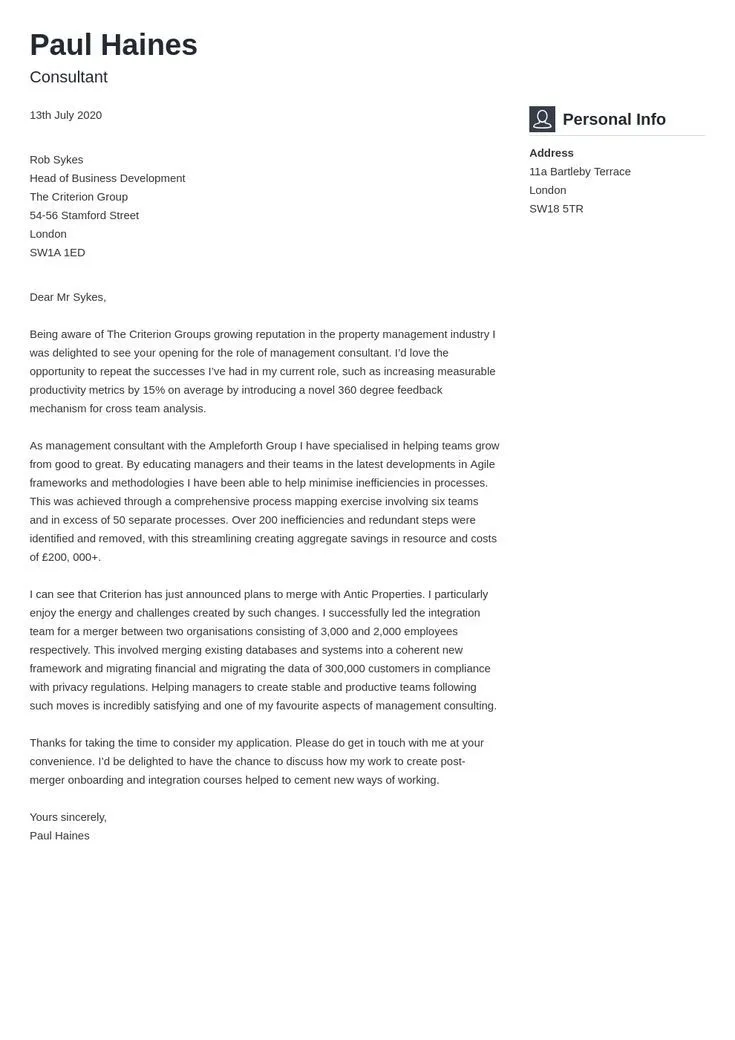
Cover Letter Mastery Unveiled
In the competitive landscape of job applications, a cover letter serves as your initial handshake with potential employers. It’s your chance to make a lasting impression, showcasing not only your skills and experience but also your personality and genuine interest in the role. However, the final paragraph of your cover letter is arguably the most crucial part. It’s your last opportunity to leave a memorable impact, prompting the hiring manager to take the next step – inviting you for an interview. Mastering the art of the final paragraph means understanding how to effectively summarize your strengths, express your enthusiasm, and issue a clear call to action. This article will delve into the intricacies of crafting a compelling final paragraph, providing insights and examples to help you create a cover letter that truly stands out and lands you the job you desire.
Crafting a Compelling Final Paragraph
The final paragraph is not merely a formality; it’s a strategic opportunity. It should encapsulate the essence of your cover letter, tying together your qualifications with the job requirements and your career aspirations. To craft a truly compelling final paragraph, think of it as a summary, an expression of your enthusiasm, and a direct invitation for the next step. Avoid generic statements and instead, tailor your closing to the specific role and company. This personalization demonstrates your genuine interest and attention to detail. A well-crafted final paragraph can be the deciding factor in securing an interview, making it an essential element of a successful cover letter. By focusing on clarity, relevance, and a strong call to action, you can significantly increase your chances of moving forward in the hiring process.
The Importance of a Strong Closing

A weak closing can undermine the entire impact of your cover letter. A strong closing, on the other hand, reinforces your key qualifications, reiterates your interest, and propels the reader towards the next action. Consider your final paragraph as the lasting impression you want to leave. A well-written closing shows that you are thoughtful, professional, and truly interested in the position. It is your final pitch, and it must be persuasive. This is where you summarize what makes you the best candidate, restate your excitement for the opportunity, and make it easy for the hiring manager to contact you. The closing provides a sense of finality and clarity, ensuring the reader remembers you and your key selling points. A poorly constructed final paragraph can easily lead to your cover letter being disregarded, regardless of how well-written the rest of it might be.
Summarizing Your Key Strengths
The final paragraph provides a valuable opportunity to briefly reiterate your most relevant skills and experiences. Don’t just list what you’ve done; emphasize how your skills align with the job requirements and what you can bring to the company. This summary should be concise and impactful, reminding the hiring manager of the value you offer. Instead of repeating everything, focus on the top two or three qualifications that directly address the key needs of the role. By summarizing your strengths, you reinforce your value proposition and ensure the reader remembers why you are a strong candidate. Mentioning specific achievements or quantifiable results can further strengthen your summary. This proactive approach leaves a lasting impression and reinforces your position as a top contender for the job.
Expressing Enthusiasm for the Opportunity
Demonstrating your genuine enthusiasm for the opportunity is critical. Show that you are not just applying for a job, but that you are excited about the specific role and company. Referencing something you learned about the company or the role during your research can be an effective way to show your sincere interest. Explain why this particular position aligns with your career goals and why you believe you would be a valuable asset to the team. Expressing enthusiasm helps you connect with the hiring manager on a personal level, making your application more memorable. This genuine enthusiasm can set you apart from other candidates who might be seen as less invested in the role. Your eagerness can be the deciding factor, motivating the hiring manager to move forward with your application.
The Call to Action Requesting an Interview

The final paragraph’s primary function is to include a clear call to action. This prompts the hiring manager to take the next step and invite you for an interview. Be explicit – state that you are eager to discuss your qualifications further and look forward to hearing from them. Provide your contact information again, making it easy for them to reach you. Consider including a specific time frame or suggestion for when you might be available for an interview, showcasing your proactive approach. The call to action should be confident yet polite, leaving no doubt about your eagerness to proceed in the hiring process. It’s a direct, professional way of signaling your availability and interest in the role. A strong call to action clarifies your intention and encourages the hiring manager to take immediate action, increasing your chances of getting an interview.
Formatting Your Final Paragraph
The formatting of your final paragraph should align with the rest of your cover letter. Keep it concise, ideally no more than four to five sentences. Use a professional tone and maintain a positive, enthusiastic attitude. Avoid any negative language or self-deprecating statements. Ensure your contact information is accurate and easily accessible, often repeated in the final paragraph. The overall formatting should reflect your attention to detail and professionalism. Proofread carefully for any grammatical errors or typos, as these can detract from your message. Maintaining a clean and consistent format shows you take your application seriously and pay attention to every detail, making a positive impact on the hiring manager and demonstrating your commitment to professionalism. A well-formatted final paragraph reinforces the impression of a well-prepared and capable candidate.
Proofreading and Polishing
Before submitting your cover letter, thorough proofreading is absolutely essential. Errors in grammar, spelling, or punctuation can undermine the entire impact of your application. Read your cover letter multiple times, paying close attention to the final paragraph. Ideally, have someone else proofread it as well, as a fresh pair of eyes can often catch mistakes that you might miss. Check that your contact information is correct and up-to-date. Ensure your closing is clear, concise, and leaves a positive impression. Review your summary of key strengths, ensuring that they align directly with the job requirements. Proofreading is not just about avoiding errors; it’s about ensuring your message is polished and professional, creating a lasting positive impression with the hiring manager. A well-proofread cover letter shows that you are detail-oriented and committed to excellence.
Common Mistakes to Avoid in the Final Paragraph

Several common mistakes can detract from the effectiveness of your final paragraph. Avoid generic closing statements that could apply to any job, as these show a lack of personalization and genuine interest. Do not include negative statements or apologies, such as admitting that you might not have all the qualifications. Avoid being overly casual or informal in your language, as this undermines your professionalism. Never use cliché phrases or overly enthusiastic statements that sound insincere. Make sure your contact information is accurate and readily available. Finally, ensure your closing aligns with the tone and content of the rest of your cover letter. Avoiding these common pitfalls will significantly strengthen your application and give you a competitive advantage. A carefully crafted final paragraph avoids these common errors and ensures that the hiring manager remembers you for the right reasons.
Examples of Effective Final Paragraphs
Here are some examples to illustrate what an effective final paragraph looks like. For a marketing position: “I am eager to bring my expertise in digital marketing and content creation to your team, and I am particularly excited about the opportunity to contribute to [Company’s] innovative campaigns. My skills in SEO, social media management, and content strategy align perfectly with the requirements of this role. I am available for an interview at your earliest convenience and can be reached at [phone number] or [email address]. Thank you for your time and consideration; I look forward to hearing from you.” For an engineering role: “I am highly motivated to apply my skills in mechanical engineering to the challenges at [Company]. My experience in project management and problem-solving, particularly with [specific project], directly aligns with your needs. I am excited about the prospect of discussing how I can contribute to your ongoing projects and look forward to hearing from you. You can reach me at [phone number] or [email address].” These examples clearly demonstrate the importance of personalization, enthusiasm, and a specific call to action, all of which increase the likelihood of securing an interview.