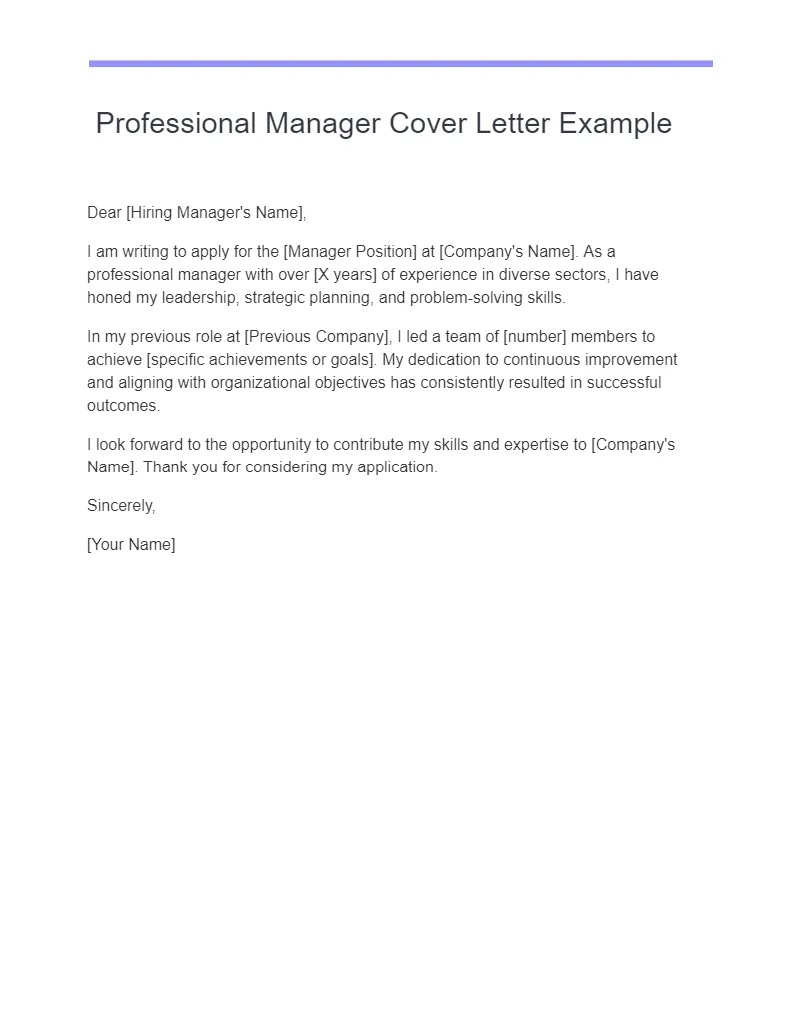
Cover Letter Mastery for Managers
A cover letter is your first impression, and for a managerial role, it’s crucial. It’s where you go beyond your resume to tell a compelling story that showcases your skills, experience, and personality. Think of it as your personal marketing document, designed to convince the hiring manager that you are the best fit for the job. This guide dives deep into crafting a cover letter that not only grabs attention but also effectively highlights your qualifications and demonstrates your understanding of the company’s needs. It’s not just about listing your past roles, but about articulating your value proposition, proving why you’re the ideal candidate. Mastering this art can significantly increase your chances of landing an interview and ultimately securing the managerial position you desire. It’s about demonstrating leadership, problem-solving skills, and the ability to drive results.
Highlighting Relevant Skills
Your cover letter needs to be laser-focused on the skills most relevant to the managerial position. Don’t just list skills; demonstrate them. Use specific examples from your past experiences to illustrate how you’ve successfully used those skills. For instance, if the job description emphasizes ’team leadership,’ provide a concise story about a time you motivated a team to exceed a target or resolved a conflict effectively. If ‘strategic planning’ is key, mention a project where you developed and implemented a successful plan. The goal is to provide tangible evidence of your abilities, making it clear that you possess the skills the company seeks. This approach proves your capabilities and shows your ability to translate skills into tangible results. Avoid generic statements and use the language of the job description to show that you understand their needs.
Quantifying Achievements

Numbers speak louder than words. Instead of saying ‘Improved team performance,’ state ‘Increased team productivity by 20% within six months.’ Quantifying your achievements adds credibility and provides concrete evidence of your impact. Use metrics such as percentages, dollar amounts, or timeframes to showcase your accomplishments. Did you reduce costs? Increase sales? Improve customer satisfaction scores? Include these details to create a compelling narrative of your success. For example, if you managed a project, specify the budget, the timeline, and the results. When possible, use industry-specific metrics. Quantifiable achievements not only highlight your success but also demonstrate your ability to measure and analyze performance, an essential skill for a manager. This approach makes your application stand out from the crowd by providing tangible proof of your past success.
Using Action Verbs Effectively
Action verbs are the engines of your cover letter, driving your message and bringing your achievements to life. Start each sentence with strong action verbs such as ’led,’ ‘managed,’ ‘achieved,’ ‘developed,’ ‘implemented,’ ’negotiated,’ and ‘streamlined.’ These words create a sense of dynamism and show that you are a proactive, results-oriented individual. Avoid passive language; instead, actively describe what you did and the impact you had. For instance, instead of writing ‘Responsibilities included managing a team,’ write ‘Managed a team of 15 employees, resulting in…’ This approach provides clarity and shows your active involvement in achieving the desired results. It creates a positive and memorable impression, making your cover letter more engaging and persuasive. Choosing the right action verbs helps to create a vivid picture of your accomplishments.
Tailoring Your Cover Letter
Generic cover letters are easily identified and often discarded. To truly impress a hiring manager, you must tailor each cover letter to the specific job and company. Carefully read the job description and identify the key requirements and desired qualities. Then, adjust your cover letter to address those specific needs. Highlight the relevant skills and experiences, and use the same keywords and phrases as the job posting. Tailoring demonstrates your interest in the company and shows that you understand the position’s requirements. This customization goes beyond simply changing the company name; it involves researching the company, understanding its culture, and aligning your experience with its values. Doing so shows that you are a serious candidate who has taken the time to understand the opportunity and is genuinely interested in contributing to the company’s success.
Researching the Company

Before you start writing, conduct thorough research on the company. Visit their website, read news articles, and check their social media profiles to understand their mission, values, and current projects. This knowledge will help you tailor your cover letter to reflect your understanding of their needs and culture. Mention specific projects or initiatives that resonate with you, and explain how your skills align with the company’s goals. Showcasing your research indicates your genuine interest and proactive nature. It also allows you to identify potential areas where you can add value, giving your application an edge. By demonstrating that you have a deep understanding of the company, you signal that you’re not just looking for any job but are specifically interested in their organization and its long-term objectives.
Addressing Specific Needs
The job description provides valuable insights into the company’s specific needs and the skills they are looking for in a manager. Use this information to highlight how your experience aligns with their requirements. If the description emphasizes ‘project management,’ provide examples of successful projects you’ve managed. If it mentions ‘budgeting,’ detail your experience in financial planning and cost control. This approach demonstrates your understanding of the position’s responsibilities and proves that you can meet the specific demands of the role. By directly addressing their needs, you increase the likelihood that your cover letter will be seen as a strong match. Remember that the goal is to show how you can solve their problems and contribute to their success. This level of personalization makes your cover letter more relevant and compelling to the hiring manager.
Showcasing Leadership Skills
Managerial positions require strong leadership skills. Your cover letter is the perfect place to showcase these abilities. Provide examples of how you’ve motivated teams, resolved conflicts, and fostered a positive work environment. Mention instances where you’ve mentored employees or guided them towards achieving their goals. Highlight your communication skills, your ability to delegate tasks effectively, and your commitment to creating a collaborative and productive atmosphere. Leadership goes beyond directing; it’s about inspiring and empowering others. By demonstrating your leadership abilities, you show that you can not only manage but also lead a team to success. This emphasis is essential for managerial roles, as it indicates your capacity to influence, motivate, and build a high-performing team.
Demonstrating Problem-Solving Abilities

Managers face challenges daily, so your cover letter must highlight your problem-solving skills. Share examples of how you’ve identified and resolved issues in the past. Detail your analytical approach, your ability to make quick decisions, and your capacity to develop effective solutions. Mention any projects where you successfully overcame obstacles or improved processes. Demonstrate your ability to think critically, assess situations, and implement strategies that address challenges efficiently. Problem-solving is a key aspect of managerial roles, and showcasing your ability to think on your feet and find solutions is vital. Highlight the outcomes of your problem-solving efforts. For example, did your actions reduce costs, improve efficiency, or enhance customer satisfaction? The goal is to showcase your ability to handle challenges and create positive outcomes.
Closing with a Strong Call to Action
Your cover letter should conclude with a clear and confident call to action. Express your interest in the position and reiterate your enthusiasm for the opportunity. State your availability for an interview and make it easy for the hiring manager to contact you. Include your contact information and any relevant links, such as your LinkedIn profile. The call to action should be direct, enthusiastic, and professional. It should leave the hiring manager with a positive impression and a clear understanding of your eagerness to move forward in the hiring process. Thank the hiring manager for their time and consideration, and end with a professional closing. This final step ensures that your cover letter leaves a lasting positive impact, increasing the likelihood of an interview and ultimately securing the managerial role.