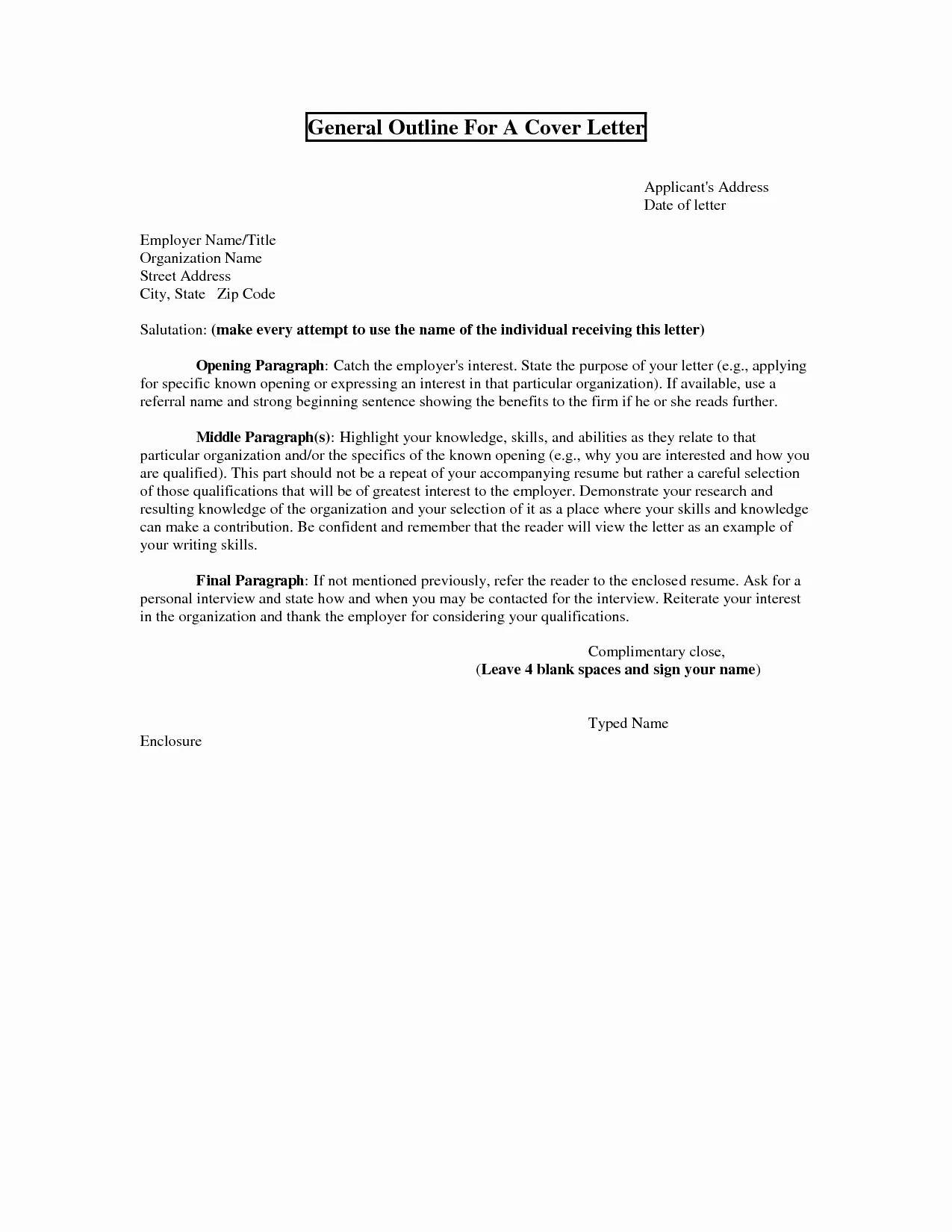
Cover Letter Salutations
The salutation of your cover letter is more than just a formality it is the first point of contact you have with a potential employer. It sets the tone for the entire letter and can significantly impact how your application is received. A well-crafted salutation demonstrates your attention to detail, professionalism, and respect for the hiring manager. Conversely, an ill-chosen or generic salutation can send the wrong message, potentially leading to your application being overlooked. Therefore, understanding the nuances of cover letter salutations is essential for making a positive first impression and increasing your chances of landing an interview. This guide provides you with the top 5 tips for crafting effective and professional cover letter salutations, ensuring you start your application on the right foot.
Why Salutation Matters
The salutation of your cover letter serves a pivotal role in establishing the tone and making a positive first impression on the hiring manager. It serves as a crucial element that sets the stage for your application, demonstrating your attention to detail and level of professionalism. Your cover letter salutation is not just a formality; it is a critical component that can set you apart from other applicants. A well-chosen salutation can grab the hiring manager’s attention and encourage them to read further. Conversely, a poorly written or generic salutation can be perceived as a lack of care or attention, potentially leading to your application being overlooked. To truly understand why salutations matter, we need to look at its impact on first impressions and professional tone.
First Impressions

First impressions are critical in any professional setting, and your cover letter salutation is no exception. It’s the first thing a hiring manager reads, immediately setting the tone for their perception of you. A personalized salutation, such as “Dear Mr. Smith,” demonstrates that you’ve taken the time to research the hiring manager and tailor your application. This shows initiative and a genuine interest in the opportunity, which can make a significant difference. In contrast, a generic salutation like “Dear Sir or Madam” or “To Whom It May Concern” suggests a lack of effort and can make your application seem less appealing. A strong first impression can be the difference between your application being read carefully or immediately discarded, highlighting the importance of crafting the right salutation.
Professionalism and Tone
The salutation you choose directly influences the tone of your cover letter, which plays a vital role in conveying professionalism. A formal and respectful salutation, like “Dear Ms. Jones,” sets a professional tone that is appropriate for most job applications. This approach showcases your respect for the hiring manager and the company, indicating that you take the application process seriously. Moreover, the salutation contributes to the overall tone of your letter. It helps to create an impression of reliability, attention to detail, and respectfulness, all of which are highly valued qualities in the workplace. By carefully considering your salutation, you can effectively establish the correct tone, making a positive impression and potentially improving your chances of landing an interview.
Top 5 Cover Letter Salutation Tips
Research the Hiring Manager

The most effective cover letter salutations are personalized. Begin by researching the hiring manager’s name and title. You can often find this information on the company’s website (look for the “About Us” or “Team” sections) or on LinkedIn. Knowing the hiring manager’s name allows you to address your cover letter directly, making it feel more personal and demonstrating your initiative. Addressing the letter to a specific person shows that you have taken the time to learn about the company and the role, showing that you are genuinely interested in the opportunity. Taking this extra step can significantly increase the impact of your cover letter and showcase your attention to detail and commitment to professionalism.
Use a Specific Name
Whenever possible, address your cover letter to a specific person. Use the hiring manager’s full name and title, such as “Dear Mr. Smith, Hiring Manager.” This level of personalization is highly appreciated and shows that you are not just sending a generic application. It shows that you have put effort into your application. If you can’t find the hiring manager’s name, try to find the name of someone in the hiring department or the department head. Addressing the letter to a specific person immediately grabs their attention. It indicates that you have done your research and are genuinely interested in the position. In a world where many applications are generic, a personalized approach stands out. It increases the likelihood that your cover letter will be read carefully.
When to Use “Dear Hiring Manager”
If you cannot find the hiring manager’s name, “Dear Hiring Manager” is an acceptable alternative. It’s better than a generic salutation like “To Whom It May Concern.” While not as personal as addressing the letter to a specific person, it is still professional and demonstrates that you know who will be reading your application. Be mindful, though, that this is a less preferred option, as it may signal that you didn’t do thorough research. Therefore, always prioritize finding the name of the hiring manager. However, in situations where this information is unavailable, “Dear Hiring Manager” remains a perfectly acceptable and professional choice. It indicates a level of respect and professionalism that is crucial in the job application process, without causing the hiring manager to roll their eyes.
Alternatives to “Dear”

While “Dear” is a standard and safe option, consider alternatives if the company culture is more informal or if you have a pre-existing relationship with the hiring manager. Phrases such as “Hello Mr. Smith” or “Greetings Ms. Jones” can work well in certain contexts. These variations can make your cover letter feel more approachable and less formal. However, always ensure that your choice aligns with the company culture and the tone of the job posting. When in doubt, the traditional “Dear” remains a reliable and professional option. The key is to be mindful of the context and adjust your salutation accordingly. Using an alternative salutation can help your cover letter stand out, showing your personality and communication skills. However, the tone needs to be consistent with your application overall, so keep this in mind.
What to Avoid
There are several cover letter salutations that you should always avoid. These include overly casual greetings like “Hey” or “Hi,” as these can appear unprofessional. Avoid using outdated or overly formal phrases like “To Whom It May Concern” or “Dear Sir or Madam,” as they are generic and impersonal. Also, avoid using the wrong name, as this is an instant red flag and suggests you did not pay attention to detail. Always proofread your cover letter carefully to ensure there are no errors, and ensure your salutation aligns with the company culture. If you are unsure, it is always best to err on the side of professionalism. These guidelines will ensure that your cover letter salutation makes a positive impression and helps you to get your application read.
Common Mistakes
One common mistake is using a generic salutation when the hiring manager’s name is available. This signals a lack of attention to detail and a failure to personalize your application. Another mistake is using an overly casual or informal salutation, which can undermine your professionalism. Always double-check the spelling of the hiring manager’s name and title. Errors in the salutation can give the impression that you lack attention to detail. Be sure to tailor your salutation to the company’s culture. While some companies embrace a more informal tone, others still expect traditional greetings. Making these errors can easily have your cover letter sent to the trash, so always pay attention to the small details.
Overly Formal Salutations

While professionalism is crucial, overly formal salutations can sometimes be a turnoff. Phrases like “Esteemed Sir/Madam” or those that are too verbose can make your cover letter seem out of touch and create a barrier. The key is to strike a balance between respect and approachability. Keep in mind that a hiring manager may be looking for a team member who can communicate well and interact socially in a natural and engaging way. Instead of using language that is excessively formal, opt for a more professional tone that still conveys respect. For example, if the company culture is more relaxed, using “Dear Mr. Smith” might be better than “Esteemed Mr. Smith.” Be sure to avoid any phrasing that sounds archaic, and instead use clear and concise language.
Wrapping Up
Mastering the art of the cover letter salutation is a small but significant step toward a successful job application. By following the top 5 tips – researching the hiring manager, using their specific name, employing “Dear Hiring Manager” when necessary, exploring alternatives to “Dear” while adhering to professional standards, and, importantly, knowing what to avoid – you can ensure your cover letter starts on the right foot. The salutation is more than just a greeting; it’s an opportunity to demonstrate professionalism, attention to detail, and genuine interest in the role. Use these tips to create a compelling opening that will grab the hiring manager’s attention and increase your chances of securing an interview. Good luck with your job search!