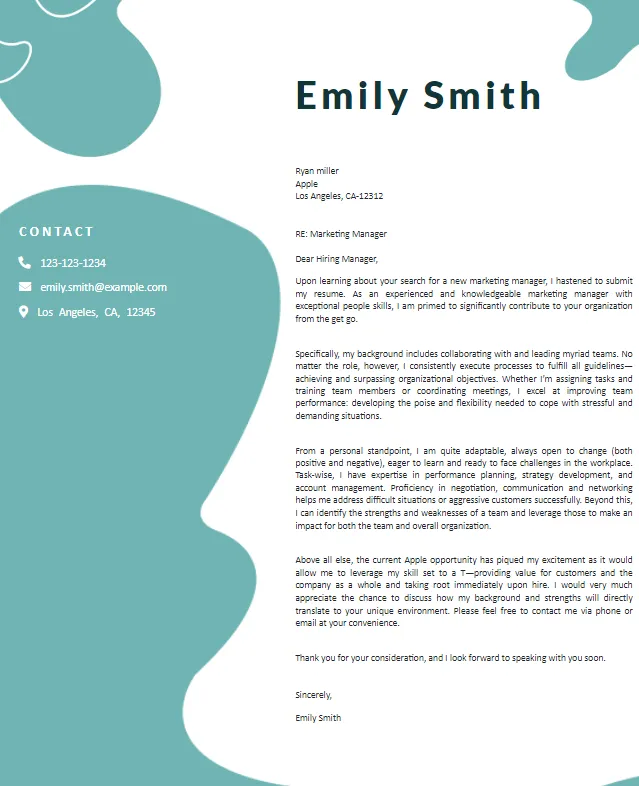
What is a Cover Letter?
A cover letter is a crucial document that accompanies your resume when applying for a job. It serves as your personal introduction to the hiring manager, offering a space to elaborate on your qualifications, express your interest in the specific role, and highlight why you’re the ideal candidate. Unlike a resume, which provides a factual overview of your work history and skills, a cover letter allows you to inject personality and demonstrate your communication skills, effectively bridging the gap between your qualifications and the job requirements. Think of it as your chance to make a memorable first impression and persuade the employer to delve deeper into your application. A well-crafted cover letter can significantly increase your chances of getting noticed and securing an interview, making it a cornerstone of any successful job application strategy. Ignoring the cover letter is a missed opportunity.
The Purpose of a Cover Letter
The primary purpose of a cover letter is to introduce you, the applicant, to the hiring manager and express your interest in a particular job. It’s your chance to explain why you are interested in the position and why the company should consider you for an interview. Moreover, the cover letter provides the opportunity to showcase your writing skills, which are essential in virtually every professional setting. The document is not merely a summary of your resume; rather, it is an expansion upon it, providing more context and personality. It enables you to tailor your qualifications to the specific job requirements, demonstrating how your skills and experiences align with the needs of the company. In essence, a cover letter serves as your personalized marketing tool, designed to persuade the employer that you are a great fit and encourage them to invite you for an interview.
Why Cover Letters Still Matter

Despite the digital age and changing job application processes, cover letters remain highly relevant. While some argue that they are becoming obsolete, the reality is that many hiring managers still appreciate and expect them. A cover letter provides a context to your application that a resume alone cannot convey. It enables you to explain any gaps in your employment history, career changes, or unique circumstances that might require explanation. Additionally, a well-written cover letter demonstrates your communication skills and attention to detail, key attributes that employers look for. It allows you to showcase your personality and enthusiasm, setting you apart from the crowd of applicants who may have similar qualifications. Therefore, even in an environment where online applications are common, a tailored cover letter can significantly enhance your chances of securing an interview, making it a crucial component of your job search toolkit. It is an important tool to make your resume stand out.
Cover Letter Secrets for Success
Highlighting Relevant Skills
One of the most important secrets to a successful cover letter is highlighting the skills that align with the job description. Carefully review the job posting and identify the key skills and qualifications the employer is seeking. Then, in your cover letter, provide specific examples of how you have utilized these skills in previous roles. Use action verbs to describe your accomplishments and quantify your achievements whenever possible. Instead of just stating you have ‘strong communication skills’, provide an example, such as ‘Successfully led a team of five in a project, resulting in a 15% increase in efficiency through clear and concise communication’. This not only demonstrates your capabilities but also shows the employer that you understand their needs and can deliver results. Tailoring your skills section to match the job requirements is key to capturing the hiring manager’s attention and showcasing your fit for the position. It is better to highlight skills that are highly relevant for the job position.
Showcasing Achievements

Beyond simply listing your skills, showcasing your achievements is crucial for making your cover letter stand out. Rather than just stating what you did in previous roles, focus on the impact you made. Quantify your accomplishments whenever possible. Did you increase sales? Improve efficiency? Reduce costs? Providing specific numbers and metrics makes your achievements more tangible and impressive. For example, instead of saying you ‘managed social media’, you could say, ‘Increased social media engagement by 40% in six months through strategic content planning’. This demonstrates your ability to deliver results and provides tangible evidence of your capabilities. Always tailor the achievements you showcase to the specific requirements of the job you are applying for. Ensure your successes align with the needs of the employer to make your letter as compelling as possible. This approach makes your achievements more persuasive. Highlighting accomplishments is essential.
Tailoring Your Letter
The most effective cover letters are highly tailored to the specific job and company. Avoid sending generic letters that could apply to any position; instead, customize each cover letter to match the requirements and culture of the organization. Research the company thoroughly and understand their mission, values, and recent initiatives. In your letter, demonstrate your understanding of their needs and explain how your skills and experiences align with their goals. This shows the employer that you have invested time and effort, and that you are genuinely interested in the opportunity. Refer to specific aspects of the job description and provide examples of how you have met similar challenges in the past. The more personalized your letter is, the more likely it is to resonate with the hiring manager. A tailored cover letter is the best approach to a job. It’s all about customization.
Researching the Company
Thorough company research is the foundation of a well-tailored cover letter. Before you start writing, visit the company’s website, explore their social media profiles, and read any recent news articles or press releases about them. This will give you insights into their culture, values, and current projects. Look for information about their mission statement, recent achievements, and challenges. Understanding their specific needs and goals enables you to align your skills and experiences effectively. In your cover letter, mention specific aspects of the company that resonate with you, such as their commitment to innovation or their focus on customer satisfaction. This shows the hiring manager that you have taken the time to learn about their organization and are genuinely interested in being a part of it. Moreover, researching the company provides valuable information for tailoring your letter to their specific requirements and expectations, increasing your chances of making a strong impression.
Using the Right Tone

The tone of your cover letter is crucial for conveying your personality and professionalism. Always use a formal, yet approachable tone, unless the job description or company culture suggests otherwise. Avoid overly casual language or slang. Be enthusiastic and demonstrate genuine interest in the position and the company. Your tone should reflect your professionalism and attention to detail. Make sure your tone aligns with the company’s culture. Proofread your letter carefully to avoid any typos or grammatical errors, which can undermine your credibility. The right tone reflects your personality and professionalism.
Cover Letter Formatting
Choosing the Right Font
The font you choose for your cover letter can impact its readability and overall presentation. Select a professional and easy-to-read font, such as Times New Roman, Arial, or Calibri. These fonts are standard, widely accepted, and ensure that your letter looks polished and professional. Avoid using overly ornate or distracting fonts, as they can detract from your message. The font size should be between 10 and 12 points for optimal readability. Keep the font consistent throughout your letter. Using a clean, readable font demonstrates attention to detail. It helps to set a professional tone.
Proper Margins and Spacing

Proper margins and spacing are essential for creating a cover letter that is easy to read and visually appealing. Use standard 1-inch margins on all sides of the document to ensure your text is not crowded. This allows for a clean and balanced layout. Use single-spacing within paragraphs and double-spacing between paragraphs to separate ideas and improve readability. These spacing guidelines create a clean, uncluttered appearance. Ensure consistency throughout the letter. Clear spacing makes your letter more inviting and professional. Consistent margins and spacing is important to follow.
Proofreading and Editing
Proofreading and editing are critical steps in the cover letter writing process. Before submitting your letter, carefully proofread it multiple times to catch any typos, grammatical errors, or inconsistencies. Errors can damage your credibility and make you appear careless. Read your letter aloud to help identify awkward phrasing or areas where the sentence structure needs improvement. Have a friend or colleague review your letter for a fresh perspective. They may catch mistakes you have overlooked. Pay close attention to details, such as correct spelling of the hiring manager’s name and company name. Editing and proofreading is key to your success. It ensures your cover letter is polished and professional.
Cover Letter Examples and Templates
Finding Template Resources

Utilizing cover letter templates can be a great starting point for crafting your own. Many online resources offer free cover letter templates in various formats, such as Microsoft Word and Google Docs. Websites like Indeed, The Muse, and LinkedIn provide templates for different industries and job types. When choosing a template, make sure it is well-designed and aligns with a professional style. Choose templates that fit your experience and the roles you are seeking. Be cautious about using generic templates without making significant adjustments; your goal is to create a customized cover letter that stands out. Remember, the best templates serve as a foundation, not a final product. Finding template resources will make your process easy.
Adapting Examples to Your Needs
While cover letter templates offer a helpful framework, it is essential to adapt them to your specific needs and the job you are applying for. Do not simply copy and paste the template content; instead, use it as a guide to structure your own letter. Tailor the language, format, and content to reflect your unique skills, experiences, and the requirements of the job. Replace generic phrases with specific examples from your background. Focus on the achievements you have obtained, and not the jobs you have held. Personalize the letter by adding details about the company and the role you are seeking. Adapt examples to make the letter yours. Make sure it reflects your voice.
Common Cover Letter Mistakes to Avoid
Generic Letters

Sending a generic cover letter is a significant mistake. These letters, which are not tailored to the specific job or company, often fail to capture the hiring manager’s attention. Instead of highlighting your suitability for the role, they come across as impersonal and demonstrate a lack of effort. Generic cover letters rarely showcase your understanding of the company’s needs or your genuine interest in the position. Therefore, always customize each cover letter to match the requirements of the job and the culture of the company. Tailor your letter to show your interest. Generic letters are rarely effective.
Typos and Grammatical Errors
Typos and grammatical errors can instantly undermine the credibility of your cover letter. These mistakes suggest a lack of attention to detail and a lack of professionalism. Carefully proofread your letter multiple times before submitting it. Use spell-check and grammar-check tools, but do not rely on them entirely. Have a friend or colleague review your letter for a fresh perspective. Typos and grammatical errors should be avoided. It is important to make sure your work is clean.
Focusing on Yourself Too Much
While a cover letter is about showcasing your qualifications, it’s important to avoid making it overly self-centered. Instead, focus on how your skills and experiences can benefit the company and meet their needs. Shift the focus from what you want to what you can offer. This approach demonstrates your understanding of the company’s goals and your commitment to helping them succeed. The most compelling cover letters connect your accomplishments to the employer’s needs. Balance your self-promotion with a focus on how you can contribute to the company. Demonstrate your knowledge of the job. It’s important to avoid focusing on yourself too much.
Cover Letter FAQs
How Long Should a Cover Letter Be?
A cover letter should ideally be one page long. This length provides enough space to highlight your key qualifications and express your interest without overwhelming the reader. The cover letter should be concise and to the point, focusing on the most relevant information. Keep your paragraphs brief and ensure that your letter is easy to read and scan. By keeping the length appropriate, you show respect for the hiring manager’s time and make your letter more impactful. Longer letters are usually not necessary. Keep your cover letter short and sweet.
When to Send a Cover Letter?
Always send a cover letter unless the job posting specifically states not to. A cover letter is a crucial component of your job application. When applying online, always attach your cover letter with your resume. When applying via email, include the cover letter in the body of the email. Following the instructions in the job posting is important. Sending a cover letter is essential.
What to Include in a Cover Letter?
A compelling cover letter should include several key elements. Start with a strong opening paragraph expressing your interest in the position and mentioning where you saw the job posting. Then, highlight your skills and experiences that are most relevant to the job requirements. Provide specific examples of your accomplishments and quantify your achievements whenever possible. In the body of your letter, explain why you are interested in the company and how you can contribute to their goals. Conclude your letter by restating your interest and including a call to action, such as requesting an interview. Ensure that you proofread your letter for any errors before submitting. Including key elements is important to make your cover letter successful.