Understand the Job Posting Requirements
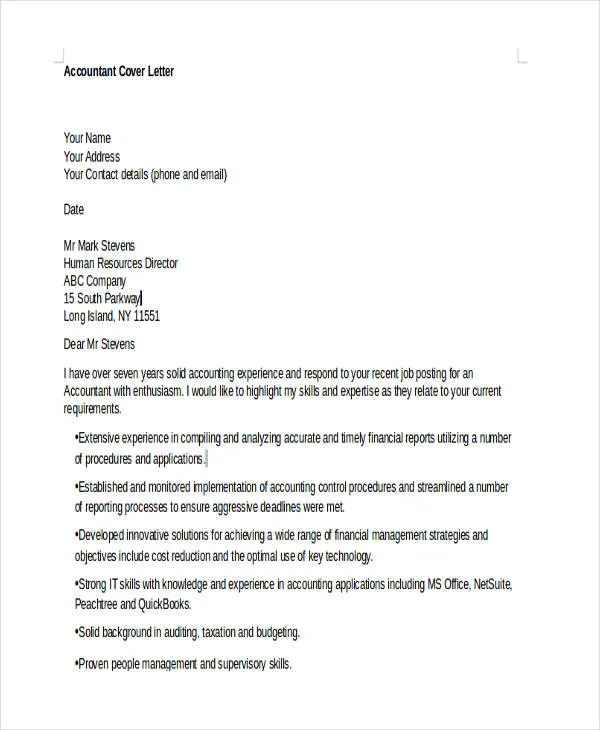
Before you even begin to draft your cover letter, thoroughly read and understand the job posting. Pay close attention to the required qualifications, skills, and experience the employer is seeking. Identify the key responsibilities and tasks associated with the role. This initial analysis will serve as the foundation for tailoring your cover letter to meet the specific needs of the position. Make sure you have a strong understanding of the company’s needs.
Analyze the Job Description to Find Keywords
Carefully analyze the job description, looking for keywords and phrases. These terms represent the core competencies and requirements of the position. Incorporate these keywords naturally throughout your cover letter to demonstrate that you possess the skills and experiences the employer is looking for. Consider using a keyword analysis tool to identify the most frequently used and essential keywords in the job description. This helps you optimize your cover letter for Applicant Tracking Systems (ATS).
Highlight Relevant Skills and Experiences
Select the most relevant skills and experiences from your background that align with the job requirements. Provide specific examples that demonstrate how you’ve successfully utilized these skills in previous roles. Use the STAR method (Situation, Task, Action, Result) to effectively showcase your accomplishments. For instance, describe a situation you faced, the task you were assigned, the actions you took to address the challenge, and the positive results you achieved. This approach provides clear and concise evidence of your capabilities.
Tailor Your Cover Letter
Avoid using a generic cover letter. Customize your cover letter for each job application. Personalize your letter by addressing the hiring manager by name (if possible) and referencing specific aspects of the job posting or company. Demonstrate that you’ve taken the time to understand the role and the organization. This level of personalization shows your genuine interest in the position and significantly increases your chances of standing out from other applicants. A tailored cover letter shows your dedication and commitment to the application.
Research the Company Culture
Before you submit your cover letter, research the company’s culture, values, and mission. This information will enable you to tailor your cover letter to align with the company’s ethos. Use the company’s website, social media profiles, and online reviews to learn more about its work environment and values. Demonstrate your understanding of the company culture and explain how your skills and experiences align with its goals. This will impress the recruiters and increase the likelihood of a positive response. Understanding the company culture can help you determine if the job is a good fit.
Demonstrate Your Enthusiasm for the Position

Express your genuine enthusiasm for the position and the company. Explain why you’re interested in the role and what motivates you to apply. Share your passion for the industry, the company’s products or services, or the specific challenges you’re excited to tackle. Show that you’re not just looking for a job, but that you’re genuinely eager to contribute to the company’s success. Your enthusiasm can make a big difference in the application process.
Emphasize Your Achievements
Focus on your achievements rather than simply listing your responsibilities. Quantify your accomplishments whenever possible. Use action verbs and provide specific examples of how you’ve exceeded expectations, solved problems, or made a positive impact in previous roles. Highlight any awards, recognition, or positive feedback you’ve received. This will show the recruiters the true value you will bring to the company. The more achievements you showcase, the more attention you will get.
Quantify Your Accomplishments
Whenever possible, quantify your accomplishments. Use numbers, percentages, and metrics to demonstrate the impact of your work. For example, instead of saying “Improved customer satisfaction,” state “Increased customer satisfaction by 15% through implementing a new feedback system.” Quantifying your achievements makes them more concrete and memorable. Using specific numbers is more convincing and provides concrete proof of your value. Showing the results, not just the tasks, make your cover letter stand out.
Show, Don’t Just Tell

Instead of simply stating your skills and qualifications, use specific examples to demonstrate them. For instance, if you claim to be a strong communicator, provide an example of a time when you effectively communicated complex information to a diverse audience. Show, don’t tell, is a fundamental principle of effective writing. This is crucial for proving your capabilities and making a strong impression. Backing your claims with evidence makes your cover letter more credible.
Proofread and Edit Your Cover Letter
Before submitting your cover letter, carefully proofread and edit it for any errors in grammar, spelling, and punctuation. Ensure that the letter is well-organized, clear, and concise. Ask a friend or colleague to review your cover letter for feedback. A polished and error-free cover letter reflects professionalism and attention to detail. Proofreading is the last step, but it is a very important step to guarantee the success of your cover letter.