What is a Cover Letter?
A cover letter is a crucial document that accompanies your resume when applying for a job. Think of it as your personal introduction to a potential employer. Unlike a resume, which is a factual summary of your skills and experience, a cover letter allows you to express your personality, enthusiasm, and explain why you’re the perfect fit for the specific role and the company. It provides a space to elaborate on your qualifications and connect them directly to the requirements of the job, setting the stage for a positive first impression. Mastering the art of cover letter writing can significantly increase your chances of landing an interview and ultimately, securing your dream job. It’s your chance to shine and showcase what makes you unique and valuable.
The Purpose of a Cover Letter
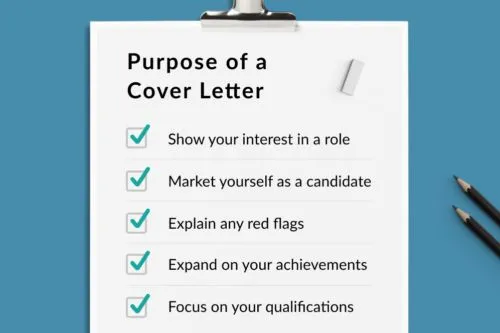
The primary purpose of a cover letter is to convince the hiring manager that you are a strong candidate and to get them interested in reading your resume. It’s your opportunity to make a positive first impression, demonstrating your understanding of the job and the company. By highlighting relevant skills, experience, and your genuine interest in the position, you can differentiate yourself from other applicants. Furthermore, a well-written cover letter showcases your communication skills, attention to detail, and professionalism. It allows you to explain any gaps in your employment history, address specific requirements mentioned in the job description, and express your enthusiasm for the opportunity, all contributing to the overall objective of securing an interview.
Introduce Yourself and Your Interest

The opening paragraph of your cover letter should immediately grab the reader’s attention. Start by clearly stating the position you are applying for and where you found the job posting. Briefly introduce yourself and express your enthusiasm for the opportunity. Mentioning something specific that sparked your interest in the company or the role shows that you have done your research and are genuinely interested. This sets a positive tone and encourages the hiring manager to continue reading, making them want to learn more about you and what you bring to the table.
Highlight Relevant Skills and Experience
The body of your cover letter should focus on how your skills and experience align with the job requirements. Carefully review the job description and identify the key skills and qualifications the employer is seeking. Provide specific examples from your past experiences that demonstrate your abilities. Instead of simply listing your skills, provide context by describing how you used those skills to achieve positive outcomes. Quantify your achievements whenever possible using numbers and data to illustrate your impact. This helps the hiring manager understand the value you can bring to the role and why you are a strong candidate. Demonstrate, don’t just tell, that you have what it takes.
Tailor Your Cover Letter
A generic cover letter is easily identified and often leads to rejection. Tailoring your cover letter to each specific job application is crucial. This means researching the company, understanding their values, and addressing the specific needs and requirements of the role. Refer to the job description and use keywords from it throughout your letter. Show the employer that you understand their business and the challenges they face. Demonstrate how your skills and experience can solve those problems and contribute to their success. Personalizing your cover letter shows that you’re invested in the opportunity and have taken the time to understand the position, making a much stronger impression.
What Information to Include

Contact Information
Your contact information should be clearly displayed at the top of your cover letter. Include your full name, phone number, email address, and LinkedIn profile URL. Ensure that your email address is professional and appropriate. This information allows the hiring manager to easily reach out to you for an interview or further communication. Double-check all details for accuracy to avoid any delays in the hiring process. Maintaining a professional appearance throughout your cover letter, starting with your contact details, is essential.
Professional Summary
A brief professional summary can be included to quickly highlight your key skills and experience. This section should be concise and tailored to the specific job requirements. It should clearly state your career goals and what you bring to the table. Focus on your most relevant qualifications and achievements to capture the hiring manager’s attention immediately. This summary is a snapshot of your value proposition, and it serves as a compelling introduction to your more detailed qualifications, setting the stage for the rest of the cover letter.
Key Skills

In the body of your cover letter, provide specific examples to illustrate your skills. Refer to the job description and highlight skills the employer values, providing evidence of those skills through achievements or responsibilities. Be specific and provide context by describing how you used those skills to achieve positive outcomes. Mention software proficiencies, project management skills, communication abilities, or any other skills relevant to the role. This will demonstrate your practical ability to perform the job and contribute to the team’s success.
Achievements
Highlight your achievements, quantifying them whenever possible. Use numbers and data to illustrate the impact you’ve made in past roles. Instead of just listing your responsibilities, describe your accomplishments using the STAR method (Situation, Task, Action, Result) to provide context. Provide concise statements describing a specific situation, the task at hand, the actions you took, and the results you achieved. By providing a brief narrative that outlines your successes, you paint a clearer picture of your capabilities and what you can bring to the role. Your results provide the employer the confidence in your ability to perform the job.
Why is it Important to Write a Cover Letter?
Writing a cover letter is crucial for a variety of reasons. It provides an opportunity to personalize your application and show your genuine interest in the role. It allows you to highlight specific skills and experiences that align with the job requirements and explain how you can contribute to the company’s success. It demonstrates your communication skills and attention to detail. A well-crafted cover letter can differentiate you from other applicants and increase your chances of securing an interview, ultimately leading to a job offer. Failing to provide a cover letter is often an immediate disqualifier in many hiring processes.
Tips for Writing a Compelling Cover Letter

Know the Employer and Company
Research the company and understand its mission, values, and culture. Tailor your cover letter to show that you understand their business and the challenges they face. Mention specific projects, products, or services that interest you. Demonstrating your knowledge of the company shows you’ve taken the time to learn about them and are genuinely interested in the role. This effort will help you stand out from other applicants, increasing your chances of getting an interview.
Use a Professional Tone
Maintain a professional tone throughout your cover letter. Use formal language, avoid slang or jargon, and proofread for grammatical errors and typos. Be enthusiastic but stay professional. Your cover letter should be polished and reflect your attention to detail and professionalism. A professional tone signals your respect for the employer and the opportunity. A professional appearance will always go far in getting you noticed. Proper etiquette is essential.
Proofread Your Cover Letter

Proofread your cover letter multiple times before submitting it. Check for grammatical errors, typos, and formatting inconsistencies. Errors can create a negative impression and signal a lack of attention to detail. Have a friend or family member review your cover letter for you. Fresh eyes can often catch mistakes you might miss. Taking the time to proofread your cover letter ensures it reflects your professionalism and attention to detail, increasing your chances of making a positive impression.
Common Cover Letter Mistakes to Avoid
Generic Content
Avoid using a generic cover letter that you send to every job application. Tailor your cover letter to each specific job and company. Show that you’ve researched the company and understand their needs. Generic content fails to demonstrate your genuine interest and can make you appear less invested in the opportunity. Customization is key to making a strong impression and showcasing your fit for the role.
Typos and Grammatical Errors

Typos and grammatical errors can damage your credibility and professionalism. Always proofread your cover letter carefully and have someone else review it. Errors can make you appear careless and can distract the reader from your qualifications. Attention to detail is crucial when applying for jobs, so make sure your cover letter is polished and error-free.
Too Long or Too Short
Keep your cover letter concise and to the point. Avoid making it too long or too short. Aim for one page, using clear and concise language to convey your message. Too long a cover letter can lose the reader’s interest, while too short a cover letter may fail to provide enough information. Find the right balance to effectively communicate your qualifications and enthusiasm.
Formatting Errors
Poor formatting can make your cover letter difficult to read. Use a professional font, appropriate margins, and consistent spacing. Make sure the formatting is clean and easy to navigate. Formatting errors can make your cover letter look unprofessional and may distract the reader. Proper formatting helps to create a positive impression and increases the readability of your cover letter.
Cover Letter Examples

Entry-Level Cover Letter
An entry-level cover letter focuses on education, internships, and any relevant volunteer experience. Highlight your skills and enthusiasm for the role. Mention any projects or coursework that demonstrate your abilities. Show that you’re eager to learn and contribute to the company. Showcase your work ethic and eagerness to learn.
Mid-Career Cover Letter
A mid-career cover letter emphasizes your professional experience and achievements. Quantify your accomplishments whenever possible. Highlight your key skills and how you’ve used them to solve problems and achieve positive outcomes. Tailor your cover letter to demonstrate how your experience aligns with the job requirements. Show that you have a proven track record of success.
Senior-Level Cover Letter
A senior-level cover letter showcases your leadership experience and strategic contributions. Highlight your ability to manage teams, drive results, and contribute to the company’s overall success. Emphasize your expertise and how you’ve successfully navigated complex challenges. Show that you’re a strategic thinker with a proven ability to lead and contribute to the company’s goals.
Conclusion
In conclusion, a well-crafted cover letter is an essential tool for any job seeker. It provides an opportunity to make a strong first impression, highlight your skills and experience, and express your enthusiasm for the position. By tailoring your cover letter to each specific job and avoiding common mistakes, you can significantly increase your chances of landing an interview and securing your dream job. Remember to always proofread and present yourself professionally to make the best possible impression.