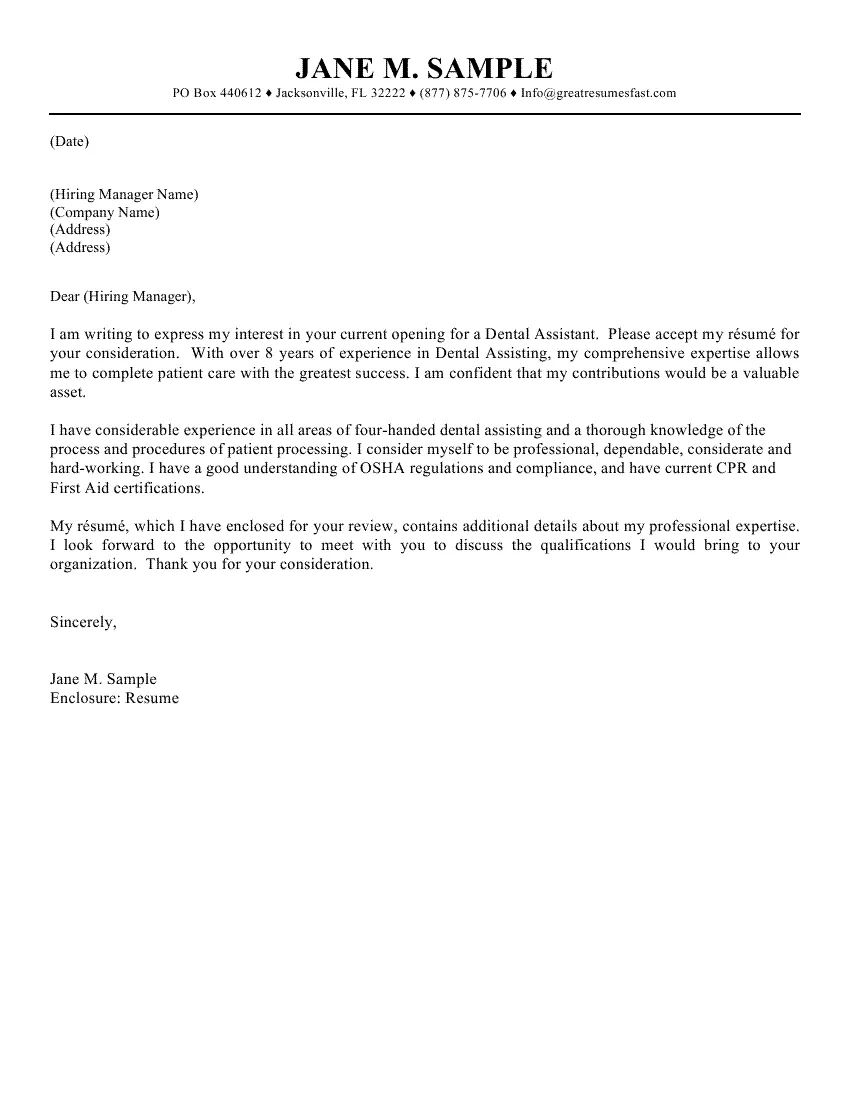
Why a Cover Letter Matters
In the competitive job market, a well-crafted cover letter can be the key to unlocking your dream job. While a resume provides a snapshot of your qualifications, a cover letter allows you to paint a vivid picture of your personality, skills, and enthusiasm. It is your first chance to make a strong impression and convince the hiring manager that you are the perfect fit for the role. Many job seekers underestimate the value of a cover letter, often treating it as an afterthought. However, a compelling cover letter can significantly increase your chances of getting an interview, setting you apart from other applicants.
Understanding the Power of Cover Letters
A cover letter offers a platform to showcase your unique value proposition. It enables you to explain why you’re interested in the specific position and the company. Unlike the concise format of a resume, a cover letter gives you the space to elaborate on your accomplishments and connect them to the job requirements. It’s your opportunity to demonstrate your understanding of the company’s needs and how you can contribute to their success. The cover letter is also a great place to highlight any relevant experience or skills, that may not be explicitly stated on your resume. Furthermore, it provides a personal touch, revealing your personality and communication style.
Crafting Your Unique Cover Letter

Personalization is critical in crafting a successful cover letter. Generic, mass-produced letters are easily spotted by hiring managers and can be detrimental to your application. Start by researching the company and the specific role. Understand their mission, values, and the challenges they face. Tailor your letter to address the specific needs of the employer and showcase how your skills and experience align with those needs. Use the job description as your guide, highlighting the key requirements and demonstrating how you meet them. Be authentic, let your personality shine through, and make sure your cover letter sounds like you.
Highlighting Relevant Skills and Experience
Your cover letter should be a strategic presentation of your most relevant skills and experiences. Instead of simply listing your responsibilities, focus on demonstrating how you’ve used your skills to achieve results. Quantify your accomplishments whenever possible using numbers, percentages, or specific metrics. For example, instead of saying ‘Managed social media accounts,’ you could write ‘Increased social media engagement by 30% within six months.’ This approach helps the hiring manager understand the impact you’ve made in previous roles. Always align your skills and experiences with the job description, emphasizing those most critical to the position.
Analyzing Top 5 Cover Letter Examples
To provide you with a comprehensive understanding of cover letter best practices, let’s explore five distinct examples. Each example showcases a different approach, catering to various professional situations and objectives. These examples highlight the different aspects of the cover letter and how to structure your content. Analyzing these examples can give you insights into how to tailor your letter to suit your specific situation, ensuring it grabs the hiring manager’s attention and leads to an interview. The following examples are designed to provide you with a clear roadmap for your cover letter creation process.
Example 1 The Accomplishment-Focused Cover Letter

An accomplishment-focused cover letter zeroes in on your significant achievements. It moves past listing your duties to demonstrate your capacity to deliver tangible results. This approach is particularly potent if you have a track record of success that aligns directly with the requirements of the job. This style is excellent for those seeking to showcase their professional wins and offers a clear view of how you’ve improved previous employers. By highlighting your accomplishments, you can quickly capture the attention of the hiring manager and set yourself apart from candidates who focus solely on their responsibilities.
Key Elements of an Accomplishment-Focused Cover Letter
- Start with a compelling opening that captures the hiring manager’s attention.
- Highlight 2-3 significant accomplishments relevant to the job.
- Use the STAR method (Situation, Task, Action, Result) to structure each accomplishment.
- Quantify your achievements with numbers, percentages, and data.
- End with a clear call to action, expressing your enthusiasm and availability.
Example 2 The Skills-Based Cover Letter
The skills-based cover letter is geared towards showcasing your abilities in alignment with the job description. This is very effective if you are looking to transition careers or have extensive experience in a particular area. It’s perfect for highlighting transferable skills and demonstrating that you are ready for new challenges. This structure helps the hiring manager to understand how your skills, even if derived from a different field, can apply to the job. This type of cover letter often lists your key skills and provides specific examples of when you have used those skills.
Key Elements of a Skills-Based Cover Letter

- Identify the most important skills mentioned in the job description.
- Provide 3-4 examples of how you have used these skills effectively.
- Use action verbs to describe your skills in action.
- Focus on the results achieved through the application of your skills.
- Clearly explain how your skills align with the company’s needs.
Example 3 The Networking Cover Letter
The networking cover letter is a strategic tool for connecting with potential employers through existing contacts. It leverages the power of your network to introduce you and create a pathway to job opportunities. This is particularly useful when you have a connection, whether a current employee or someone in a position of influence within the company. These letters are best used when you have a personal referral, offering a strong endorsement to the hiring manager. This approach not only boosts your chances of getting noticed but also conveys your initiative and proactive approach.
Key Elements of a Networking Cover Letter
- Mention the name of the person who referred you.
- Briefly explain your connection to that person.
- Highlight your understanding of the company and the role.
- Emphasize how your skills and experiences match the job.
- Thank the referrer and express your enthusiasm for the opportunity.
Example 4 The Enthusiastic Cover Letter

An enthusiastic cover letter is one that demonstrates your passion for the job, the company, and the industry. This style is best for expressing genuine excitement and showcasing your eagerness to contribute. It can be very effective in positions where soft skills and personality are highly valued. The key is to convey your enthusiasm without sounding overly generic or insincere. This kind of letter is great for helping the recruiter to see how passionate you are about what you do. Use this to demonstrate your personality and explain why you will be a great fit within the company.
Key Elements of an Enthusiastic Cover Letter
- Express your excitement about the company and the role.
- Share your knowledge and understanding of the industry.
- Highlight your relevant skills and experiences.
- Use a positive and energetic tone throughout.
- Reiterate your interest and availability.
Example 5 The Problem-Solving Cover Letter
The problem-solving cover letter is an effective tool for demonstrating your ability to address challenges and provide solutions. This type of letter can be used to showcase your analytical and critical thinking skills. This is particularly useful if you have a proven record of identifying problems and implementing successful solutions, the problem-solving cover letter can be your greatest asset. The problem-solving cover letter allows you to directly address the hiring manager’s concerns by demonstrating your ability to assess situations and provide clear and effective solutions. The key is to identify issues, analyze the factors, and provide actionable solutions.
Key Elements of a Problem-Solving Cover Letter

- Identify a specific problem the company may be facing.
- Explain how your skills and experiences can help solve that problem.
- Provide concrete examples of similar problems you have solved.
- Focus on the positive impact you can make.
- Emphasize your ability to take initiative and deliver results.
Tailoring Examples for Different Job Types
The approach you take in your cover letter should depend on the job and industry. For creative roles, such as marketing or design, consider incorporating visual elements or adopting a more innovative tone. If you are applying for a technical position, prioritize showcasing your technical skills and experience. Be adaptable and ensure your cover letter is tailored to the specific expectations of the role. Different industries value different skills, and understanding this helps you highlight the most relevant aspects of your profile.
Cover Letter Examples for Entry-Level Positions
Entry-level applicants should focus on highlighting their education, internships, volunteer work, and any relevant projects or coursework. Since experience may be limited, emphasize transferable skills and demonstrate your eagerness to learn and grow. Showcase your enthusiasm and willingness to contribute. Include any extracurricular activities that reflect teamwork, leadership, or initiative. Demonstrate how you can learn fast and contribute to the company. Tailor your application to showcase your accomplishments, even those achieved outside of formal work experience.
Cover Letter Examples for Mid-Career Professionals

Mid-career professionals should leverage their extensive experience to demonstrate their ability to deliver results. Highlight significant accomplishments, leadership roles, and contributions to previous organizations. Quantify your achievements with specific metrics. For instance, state how you improved a process, increased sales, or reduced costs. Your resume and cover letter should clearly reflect your experience and proven ability to contribute to the success of the company. Your resume is a record of your professional journey and should accurately and concisely demonstrate your value.
Cover Letter Examples for Senior Roles
Senior-level candidates should focus on showcasing their strategic thinking, leadership experience, and ability to drive organizational success. Highlight your track record of achieving significant results. Demonstrate your understanding of the company’s industry and the challenges it faces. Emphasize your ability to provide vision, manage teams, and influence decision-making. Position yourself as a thought leader, demonstrating your ability to make strategic decisions. The focus should be on demonstrating your ability to manage and direct teams, to make strategic decisions, and to provide a clear vision.
Common Mistakes to Avoid in Cover Letters
Avoid common mistakes, such as typos and grammatical errors, using generic language, and failing to tailor your letter to the specific job. Do not simply repeat your resume. Instead, provide a narrative that highlights your most relevant skills and experiences. Avoid a negative tone and focus on the positive contributions you can make. Ensure your cover letter is error-free and reflects your professionalism. Proofread carefully, and consider asking a friend or career advisor to review your letter before submitting it.
Formatting and Proofreading Essentials

Proper formatting and proofreading are essential for creating a professional cover letter. Use a clean, easy-to-read font, such as Times New Roman or Arial. Maintain consistent formatting throughout the letter, including font size, line spacing, and margins. Proofread your letter carefully for any errors in grammar, spelling, and punctuation. Make sure your contact information is up-to-date and easy to find. Consider using a professional template to ensure your letter is well-organized and visually appealing. Always review your cover letter for the correct information.
Optimizing Your Cover Letter for Applicant Tracking Systems
Many companies use Applicant Tracking Systems (ATS) to screen applications. To increase your chances of getting through the ATS, tailor your cover letter to include the keywords from the job description. Avoid using complex formatting, images, or tables that may not be readable by the system. Save your cover letter as a .doc or .docx file to ensure compatibility. Make sure the keywords from the job description are present throughout your letter, including your skills and accomplishments. By following these tips, you can increase the likelihood that your application will be seen by a human recruiter.
Final Thoughts and Next Steps
A well-written cover letter is a valuable asset in your job search. By understanding the purpose of a cover letter, using different example formats, and tailoring your letter to each opportunity, you can significantly improve your chances of getting an interview. Always proofread your letter carefully and make sure it represents you in the best possible light. After submitting your application, consider following up with the hiring manager. Taking these steps increases your chances of success in your job search. Your cover letter should highlight your value and demonstrate that you are a great match for the company and position.