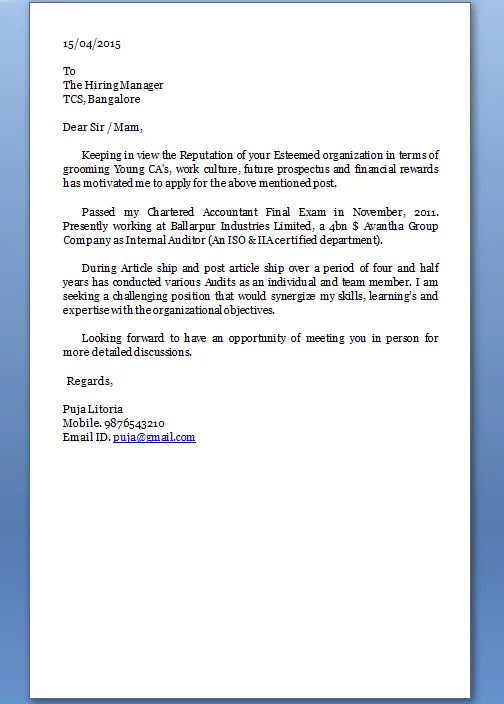
Cover Letter Secrets
A cover letter is your first introduction to a potential employer, and it’s your chance to make a strong first impression. Unlike a resume, which provides a factual overview of your experience and skills, a cover letter allows you to express your personality, passion, and genuine interest in the role. It’s where you connect your qualifications to the specific job requirements and explain why you’re the ideal candidate. A well-crafted cover letter complements your CV, providing context and emphasizing your suitability for the position. Mastering the art of the cover letter significantly increases your chances of landing an interview and ultimately securing your dream job. This guide reveals the top 5 secrets to writing cover letters that capture attention and get results.
Highlighting Your Skills
Your cover letter is your opportunity to showcase your skills in a way that resonates with the job description. It’s not just about listing what you can do, but demonstrating how your skills align with the specific needs of the role. To do this effectively, you need to carefully analyze the job requirements and identify the key skills the employer is seeking. Then, select the most relevant skills from your experience and highlight them with specific examples. Use action verbs to describe your accomplishments and quantify your achievements whenever possible. This approach helps the hiring manager quickly understand the value you bring to the table, making your application stand out from the competition.
Matching Skills to Job Description

The most effective cover letters directly address the job description. Read the job posting carefully, identifying the key skills, experience, and qualifications the employer is looking for. Then, in your cover letter, explicitly state how your skills and experience match these requirements. Provide concrete examples of how you’ve successfully used these skills in previous roles. This matching process shows the hiring manager that you’ve taken the time to understand the role and that you possess the necessary qualifications to excel. Tailoring your cover letter to each job application is crucial for demonstrating your genuine interest and increasing your chances of getting noticed.
Quantifying Achievements
Numbers speak volumes. Instead of simply stating what you’ve done, quantify your achievements whenever possible. For instance, if you improved sales, mention the percentage increase. If you managed a project, specify the budget and timeframe. If you reduced costs, provide the amount saved. Quantifying your achievements demonstrates the impact you’ve made in previous roles and provides tangible evidence of your capabilities. This helps the hiring manager understand the value you can bring to their organization. By using numbers, you transform your cover letter from a list of responsibilities into a compelling narrative of your accomplishments.
Formatting and Design
The visual presentation of your cover letter is as important as its content. A well-formatted and designed cover letter is easy to read and makes a positive impression on the hiring manager. Choose a professional font like Arial, Calibri, or Times New Roman, and use a font size between 10 and 12 points. Ensure there’s adequate spacing between paragraphs and avoid large blocks of text. Use bullet points to highlight key skills and accomplishments. Proper formatting makes your cover letter visually appealing and demonstrates your attention to detail. A clean and organized layout reflects professionalism and enhances readability.
Choosing the Right Font and Layout

The font and layout you choose for your cover letter significantly affect its readability. Opt for a clear and professional font that is easy on the eyes. Avoid overly stylized or decorative fonts, which can distract from the content. Maintain consistent formatting throughout the document, including font size, spacing, and margins. A well-structured layout includes clear headings, bullet points, and white space to break up the text. This helps the reader easily scan the document and quickly grasp the key information. Ensuring your cover letter is visually appealing makes it more engaging and increases the likelihood that the hiring manager will read it thoroughly.
Keeping it Concise
Hiring managers are busy people. They often have a stack of applications to review, so it’s crucial to be concise and to the point. Aim for a cover letter that’s no more than one page long. Focus on the most relevant information and avoid unnecessary details or lengthy explanations. Use clear and direct language to communicate your qualifications and your interest in the role. Keep your paragraphs short and use bullet points to highlight key skills and achievements. A concise cover letter demonstrates respect for the reader’s time and allows you to quickly convey your most important qualities.
Proofreading and Editing
Before submitting your cover letter, proofread it meticulously. Errors in grammar, spelling, and punctuation can undermine your credibility and give the impression that you lack attention to detail. Read your cover letter aloud to catch any awkward phrasing or inconsistencies. Ensure that the formatting is consistent and that all information is accurate. Proofreading is an essential step in the application process and demonstrates your commitment to professionalism. A polished cover letter signals that you take your job search seriously and that you are a meticulous individual.
Checking for Grammar and Spelling

Grammatical errors and spelling mistakes can instantly damage your chances of getting an interview. Use a grammar and spell-checking tool to catch any obvious errors. However, don’t rely solely on these tools; they may not catch all mistakes. Carefully review your cover letter, paying attention to sentence structure, word choice, and punctuation. Consider having a friend, family member, or career counselor review your cover letter for additional feedback. A clean and error-free cover letter will impress the hiring manager and increase your chances of getting noticed.
Getting a Second Opinion
It’s easy to overlook errors in your own writing, so it’s always a good idea to have a second pair of eyes review your cover letter. Ask a trusted friend, family member, mentor, or career counselor to read your cover letter and provide feedback. They can offer a fresh perspective and identify any areas that need improvement. They can check for clarity, grammar, and overall effectiveness. Getting a second opinion ensures that your cover letter is polished and presents you in the best possible light. Their feedback can help you refine your writing and improve your chances of landing an interview.
Tailoring the Cover Letter
Avoid using a generic cover letter. Customize each cover letter to the specific job and company. Research the company and the role to understand their needs and requirements. In your cover letter, explain why you’re interested in the specific company and how your skills and experience align with their values and goals. Demonstrate that you’ve taken the time to understand their business and that you’re genuinely interested in the opportunity. Tailoring your cover letter shows the hiring manager that you are seriously interested in the position and that you’ve invested the effort to make a strong case for your candidacy. This personalization significantly increases your chances of getting noticed.
Researching the Company

Before you start writing your cover letter, research the company thoroughly. Visit their website, read their mission statement, and check out their social media presence. Understand their products or services, their target market, and their company culture. This information will help you tailor your cover letter to their specific needs and demonstrate your genuine interest in the company. Use your research to highlight how your skills and experience align with their goals. Mentioning something specific about the company shows you’ve done your homework and are genuinely interested in joining their team.
Addressing the Hiring Manager Directly
Whenever possible, address the hiring manager by name. This shows that you’ve taken the time to find out who will be reviewing your application. If you can’t find the hiring manager’s name, try to address the letter to the hiring team or the department. Avoid generic salutations like “To Whom It May Concern,” which can make your cover letter seem impersonal. Addressing the hiring manager by name adds a personal touch and makes your application stand out. It shows that you are proactive and pay attention to detail.
Call to Action
End your cover letter with a clear call to action. Tell the hiring manager what you want them to do next. Express your interest in an interview and provide your contact information again. Make it easy for them to take the next step in the hiring process. This shows that you are eager to move forward and that you are serious about the opportunity. A strong call to action can significantly increase your chances of getting an interview. This is a crucial part of your cover letter that can often be overlooked.
Expressing Enthusiasm

Let your enthusiasm for the role and the company shine through in your cover letter. Express your genuine interest and excitement about the opportunity. Share why you are drawn to the company and what motivates you to apply. Your enthusiasm will make your application more memorable and show the hiring manager that you are genuinely interested in the position. Use positive and engaging language to convey your passion. This creates a positive impression and increases your chances of getting noticed.
Providing Contact Information
Make it easy for the hiring manager to contact you. Include your phone number, email address, and LinkedIn profile URL (if applicable) in your cover letter. Ensure that your contact information is up-to-date and professional. Double-check for accuracy before sending your application. Providing your contact information ensures that the hiring manager can easily reach you to schedule an interview. Make it simple for them to take the next step and consider you for the role.