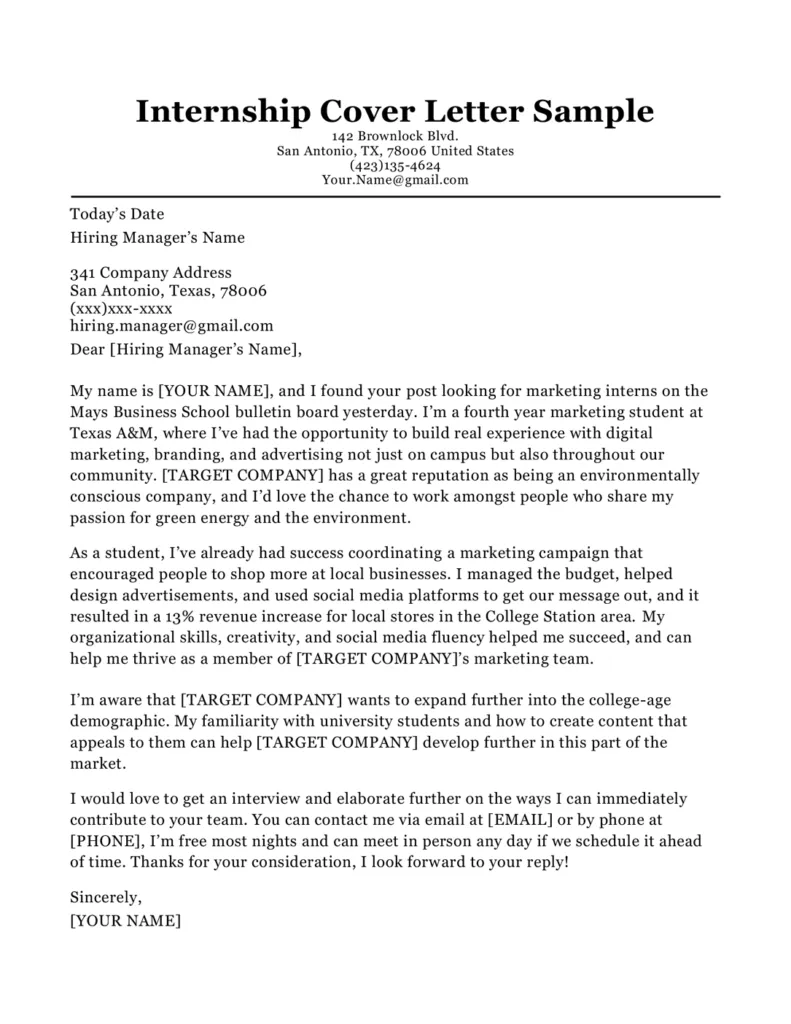
Cover Letter Secrets for College Students
Navigating the job market as a college student can feel daunting, but a well-crafted cover letter is your secret weapon. It’s your chance to introduce yourself, highlight your relevant skills and experiences, and demonstrate your enthusiasm for the position. This guide will uncover the top 5 secrets that can transform your cover letter from good to great, increasing your chances of landing that all-important interview. Remember, your cover letter is more than just a formality; it’s a vital opportunity to make a strong first impression. A cover letter allows you to showcase your personality, convey your genuine interest in the role, and distinguish yourself from other applicants. By following these tips, you’ll be well on your way to crafting a cover letter that captivates potential employers and opens doors to your career aspirations.
Highlighting Your Skills and Experience
One of the most crucial aspects of a compelling cover letter is effectively highlighting your skills and experience, even if you have limited professional experience. College students often wonder how to demonstrate value without a vast work history. The key lies in emphasizing transferable skills and relevant experiences. Begin by identifying the core skills the employer seeks. Review the job description carefully, and pinpoint the keywords related to skills such as communication, teamwork, problem-solving, and time management. Then, reflect on your academic projects, extracurricular activities, volunteer work, and part-time jobs. These experiences are filled with opportunities to showcase your abilities. When describing your experiences, use the STAR method (Situation, Task, Action, Result) to provide concrete examples. For instance, instead of saying “I worked on a team project,” you could write “In a recent group project (Situation), I was tasked with leading a team of five students to develop a marketing strategy (Task). I coordinated meetings, delegated responsibilities, and ensured everyone contributed effectively (Action). As a result, we exceeded project goals and earned an A grade (Result).”
Tailoring Your Cover Letter to the Job

Generic cover letters are easily spotted and often discarded. To truly impress potential employers, it is essential to tailor each cover letter to the specific job and company. This personalization demonstrates that you have done your research and have a genuine interest in the role. Start by thoroughly reading the job description. Identify the key requirements, skills, and responsibilities outlined. Then, consider how your qualifications and experiences align with those requirements. The best way to do this is to customize your cover letter’s language, highlighting the specific skills and experiences that are most relevant. Mention the company by name and show that you understand its mission, values, and recent achievements. Use the job description to understand the language and keywords used. This will help you speak the employer’s language and show that you’re a great fit. This tailoring demonstrates that you’re not simply sending a generic application but are specifically targeting this opportunity. Customize your cover letter to include the name of the hiring manager, if possible, to show you’ve taken the time to research the company.
Showcasing Your Enthusiasm and Personality
A cover letter is your chance to let your personality shine through and convey your genuine enthusiasm for the opportunity. While maintaining a professional tone is crucial, don’t be afraid to infuse your writing with a touch of personality. This will help you connect with the reader on a more personal level and make your application more memorable. Start with a strong opening paragraph that grabs the reader’s attention. Instead of a generic greeting, try a statement that reflects your interest in the company or the specific role. Use active verbs and avoid passive language to demonstrate your confidence and engagement. For instance, instead of saying, “I was responsible for,” try “I managed” or “I led.” Share your passion for the industry or the company’s mission. This can be as simple as mentioning something that inspired you about the company’s work or a specific project that excites you. Keep in mind that your enthusiasm should complement your skills and qualifications. Aim to strike a balance between professionalism and personality to leave a lasting, positive impression.
Proofreading and Formatting Your Cover Letter
Attention to detail is critical in any job application. Proofreading and formatting your cover letter can significantly impact the impression you make on potential employers. Errors, whether grammatical, spelling, or formatting, can undermine your credibility and suggest a lack of attention to detail. Before submitting your cover letter, proofread it meticulously. Read it several times, looking for any mistakes in grammar, spelling, and punctuation. It’s also a good idea to have a friend, career advisor, or professor review your cover letter for a fresh perspective. In addition to proofreading, pay close attention to the formatting of your cover letter. A well-formatted cover letter is easy to read and visually appealing. Use a clean, professional font such as Times New Roman, Arial, or Calibri. Choose a font size that is easy on the eyes, typically 11 or 12 points. Use consistent spacing and margins, and keep your paragraphs concise and easy to follow. By ensuring your cover letter is free of errors and well-formatted, you demonstrate your professionalism and respect for the hiring process.
Following Up After Submitting Your Cover Letter

After submitting your cover letter and resume, it’s important to take the initiative and follow up with the employer. This shows your continued interest in the position and can help you stand out from other candidates. Wait for about a week after submitting your application before sending a follow-up email. This timing gives the hiring manager enough time to review your application but demonstrates your proactive approach. Keep your follow-up email brief and professional. Refer to the specific job you applied for and reiterate your interest in the role. You can also briefly mention something you discussed in your cover letter or resume to remind the hiring manager of your qualifications. If you haven’t heard back within a reasonable timeframe (usually a few weeks), you can send a second follow-up email. However, avoid being overly persistent or sending multiple follow-up emails. Following up demonstrates your enthusiasm and commitment to the role, and it can make a positive impression on the hiring manager.
Cover Letter Best Practices
Researching the Company
Thoroughly researching the company before writing your cover letter is a fundamental best practice. Understanding the company’s mission, values, products, and recent achievements allows you to tailor your cover letter to demonstrate a genuine interest and highlight how your skills align with their needs. Visit the company’s website to learn about their products or services, their mission statement, and their company culture. Explore their ‘About Us’ section to get insights into their history, values, and goals. Check their social media profiles to learn about their recent activities and the company’s voice. Use these insights to personalize your cover letter, showing that you’ve invested the time to understand what makes the company unique. Mention specific projects, initiatives, or values that resonate with you, demonstrating that you’re not just seeking any job but are genuinely interested in this particular company. This research helps you frame your qualifications in a way that resonates with the employer, and it shows that you are proactive and thoughtful.
Using Keywords Effectively

When writing your cover letter, strategically incorporate keywords from the job description. Keywords are specific terms and phrases that the employer uses to describe the required skills, experiences, and qualifications. The use of these keywords can boost your chances of getting your application noticed by both human readers and applicant tracking systems (ATS). Carefully review the job description and identify the key skills and qualifications the employer emphasizes. Integrate these keywords naturally into your cover letter. However, avoid keyword stuffing, which is the practice of using keywords excessively and unnaturally. Instead, weave the keywords into your sentences, ensuring that your writing remains clear and engaging. For example, if the job description mentions “project management,” “team leadership,” and “communication skills,” try to incorporate these terms into your descriptions of your experiences. This targeted use of keywords shows the employer that you possess the skills and experiences they’re seeking, making your cover letter more relevant and effective.
Writing a Strong Opening Paragraph
The opening paragraph of your cover letter is the first chance to grab the reader’s attention, and it can significantly impact whether they continue reading. A strong opening paragraph should be concise, engaging, and immediately convey your interest in the position. Start by clearly stating the position you’re applying for and where you saw the job posting. If you have a connection to the company or the hiring manager, such as a referral from a mutual contact, mention it in the first sentence. This can help to establish an immediate connection. Briefly summarize your most relevant skills and experiences, highlighting how they align with the requirements of the job. Instead of a generic opening like “I am writing to apply for the position of…”, consider a more engaging approach. For instance, you could state, “I am eager to apply my project management skills to the [Company Name] team as advertised on [Platform].” This shows you’ve done your research and are excited about the opportunity. Conclude your opening paragraph with a statement of your overall enthusiasm for the role and the company, leaving the reader wanting to learn more.
Creating a Compelling Closing Paragraph
The closing paragraph of your cover letter is your final opportunity to leave a lasting impression. It should reiterate your interest in the position, thank the employer for their time and consideration, and include a call to action. Start by restating your enthusiasm for the role and the company, emphasizing how your skills and experiences align with their needs. Clearly express your interest in an interview. You can write something like, “I am eager to discuss how my skills and experiences can contribute to your team, and I am available for an interview at your earliest convenience.” Thank the hiring manager for their time and consideration. Show your appreciation for the opportunity to apply and express your enthusiasm for the role. Provide your contact information, including your email address and phone number, so the hiring manager can easily reach you. Ensure that the contact information is accurate and up-to-date. By creating a compelling closing paragraph, you end your cover letter on a positive note, leaving a lasting impression and increasing your chances of getting an interview.