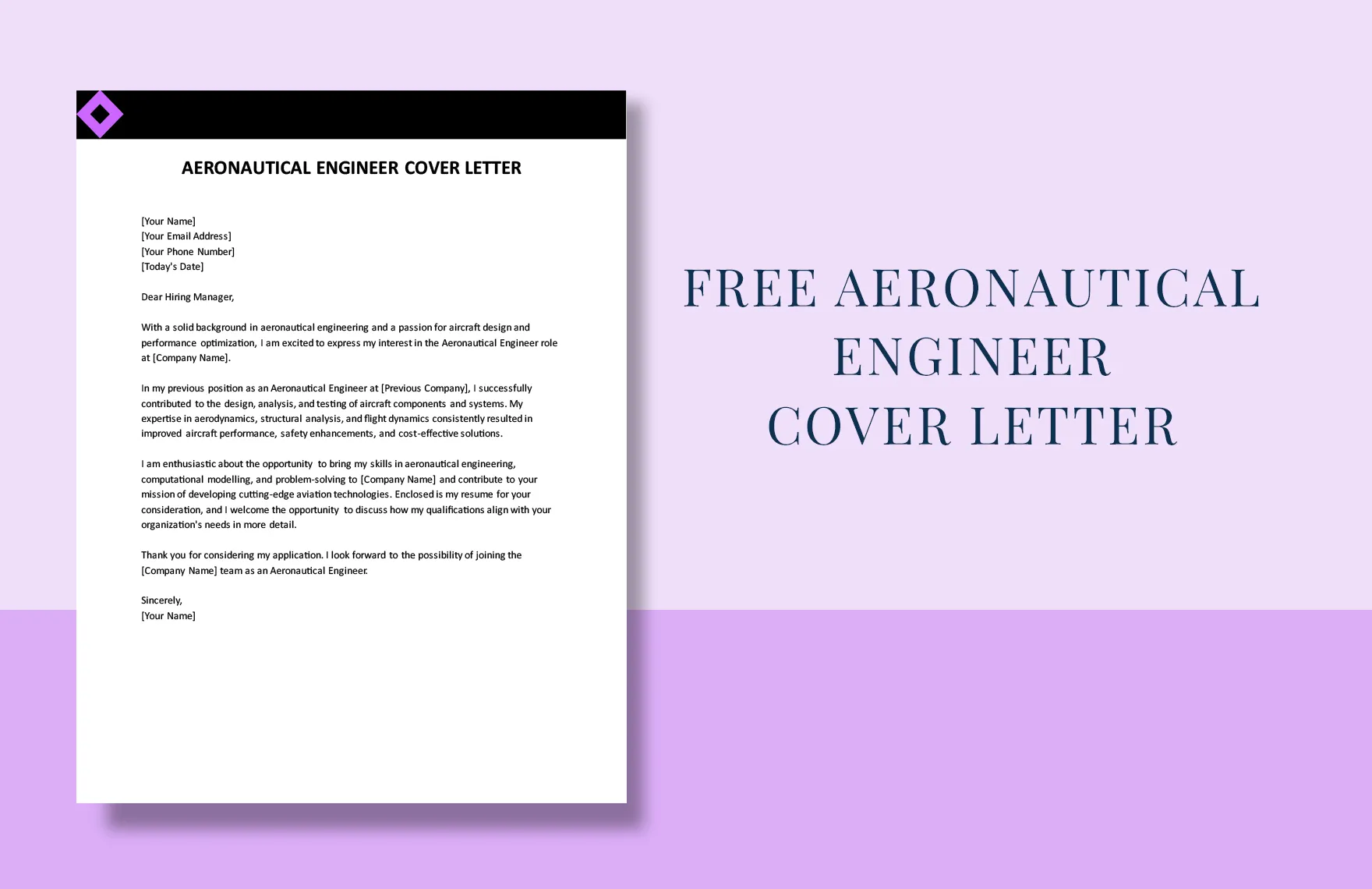
Aerospace Engineer Cover Letter The Essentials
Crafting a compelling cover letter is crucial for aerospace engineers seeking to make a strong first impression on potential employers. It serves as a valuable tool to highlight your skills, experience, and passion for the field. An effective cover letter complements your resume, providing a narrative that demonstrates how your qualifications align with the specific requirements of the role and the company’s values. This guide will provide secrets and key strategies to help you create a cover letter that gets noticed, secures interviews, and ultimately lands you your dream job. Your cover letter is your chance to shine, offering a personalized view beyond the facts and figures of your resume. A well-written cover letter highlights your motivation, showcases your communication skills, and reflects your understanding of the aerospace industry.
Highlighting Your Skills and Experience
Your cover letter should spotlight the skills and experiences most relevant to the job you are applying for. Start by carefully reviewing the job description and identifying the key requirements, technical skills, and soft skills that the employer is seeking. Then, select the most pertinent experiences from your background and showcase them in your cover letter. Focus on projects you’ve worked on, specific technologies you’ve mastered, and any achievements or recognition you’ve received. Make sure to align your skill set with the job requirements, using keywords from the job description to ensure your application gets past automated screening systems. Be specific, mentioning particular aircraft, systems, or software you have experience with. This targeted approach demonstrates that you understand the role and are well-equipped to handle its challenges.
Quantifying Accomplishments

One of the most impactful ways to make your cover letter stand out is by quantifying your accomplishments. Instead of simply stating that you ‘managed a project,’ provide specific data that showcases your impact. For example, ‘Managed a team of five engineers to complete the X project, resulting in a 15% reduction in production time and a 10% decrease in costs.’ Use numbers, percentages, and concrete metrics to illustrate the value you brought to previous roles. This approach not only provides evidence of your capabilities but also gives employers a clear understanding of your potential contributions. Including measurable results demonstrates your ability to achieve objectives and drive positive outcomes, which is highly valued by hiring managers. Quantifying your achievements allows you to move beyond vague claims and provides a concrete picture of your expertise.
Tailoring to the Job Description
A generic cover letter is unlikely to impress. Tailoring your cover letter to each job application is essential to demonstrate genuine interest and relevance. Before you start writing, thoroughly analyze the job description, paying close attention to the specific skills, qualifications, and experiences that the employer is looking for. Customize your cover letter to reflect how your background aligns with these requirements. Highlight specific projects, skills, or experiences that are directly related to the role. Show that you understand the company’s mission, values, and the challenges it faces. This tailored approach shows initiative and demonstrates that you’ve done your homework. By showing that you have a clear understanding of the company and the role, you can significantly increase your chances of getting an interview.
Key Sections of an Aerospace Engineer Cover Letter
The Introduction

Your introduction should immediately grab the reader’s attention. Begin by stating the position you are applying for and where you saw the job posting. Then, briefly summarize your key qualifications and express your enthusiasm for the opportunity. Personalize your introduction by mentioning something specific that attracted you to the company or the role, such as a particular project or a company value that resonates with you. This demonstrates your proactive approach. Keep it concise and focused, setting the tone for the rest of your cover letter. A strong introduction creates a positive first impression, encouraging the reader to continue reading and learn more about your qualifications.
Body Paragraphs
The body paragraphs are where you expand on your skills, experiences, and accomplishments. Use this section to provide specific examples that support your claims. Elaborate on your projects, the technologies you have worked with, and the results you achieved. Highlight how your skills and experience align with the job requirements. This is also your opportunity to demonstrate your understanding of the company and the aerospace industry. Use action verbs and quantify your achievements to make your descriptions more impactful. Organize your content logically, focusing on the most relevant information. Make sure the content flows naturally from paragraph to paragraph, creating a cohesive narrative that showcases your value proposition.
The Conclusion
In your conclusion, summarize your key qualifications and reiterate your enthusiasm for the position. Express your interest in an interview and thank the reader for their time and consideration. Always include a call to action, such as ‘I am eager to discuss my qualifications further’ or ‘I welcome the opportunity to discuss how I can contribute to your team.’ Make sure to provide your contact information for easy access. A strong conclusion leaves a lasting impression, reinforcing your interest and making it easy for the employer to take the next step. Conclude positively and confidently, leaving the reader with a clear understanding of your value and your eagerness to contribute.
Formatting and Design Tips

Choosing the Right Font and Layout
The format and design of your cover letter are just as important as the content. Choose a professional and easy-to-read font, such as Times New Roman, Arial, or Calibri, with a font size between 10 and 12 points. Use a clean layout with clear headings, subheadings, and bullet points to organize your information effectively. Ensure your cover letter is well-structured and visually appealing. Use appropriate spacing to make the content easy on the eyes and ensure the letter is not overly crowded. Avoid distracting elements, such as excessive use of colors or decorative fonts. Aim for a professional and polished appearance that reflects your attention to detail.
Proofreading and Editing
Before submitting your cover letter, meticulously proofread and edit your document. Errors in grammar, spelling, or punctuation can undermine your credibility. Read your cover letter multiple times, and if possible, have someone else review it as well. Check for any typos, grammatical errors, and inconsistencies in your content. Ensure your tone is professional and the language is clear and concise. Proofreading is essential for ensuring your cover letter is polished and professional. A cover letter free of errors shows that you pay attention to detail and care about your work. This attention to detail is a highly valued skill, particularly in engineering roles.
Cover Letter Action Words

Examples of Strong Action Verbs
Using strong action verbs in your cover letter can make your descriptions more dynamic and engaging. Start your sentences with action verbs to emphasize your accomplishments and skills. Here are some examples: ‘Developed,’ ‘Managed,’ ‘Implemented,’ ‘Designed,’ ‘Analyzed,’ ‘Optimized,’ ‘Engineered,’ ‘Collaborated,’ ‘Led,’ ‘Improved,’ ‘Created,’ ‘Achieved,’ ‘Resolved,’ ‘Streamlined,’ and ‘Spearheaded.’ Choose verbs that accurately reflect your actions and achievements. Make sure the verbs you select align with the specific requirements of the job. Strong action verbs highlight your abilities and make a strong impact on the reader, showcasing your capabilities and your proactive approach.
Avoiding Common Mistakes
Generic Cover Letters

Submitting a generic cover letter is a common mistake. Generic cover letters lack personalization and fail to demonstrate genuine interest in the specific job or company. They often sound impersonal and don’t showcase why you are the best fit for the role. Always tailor your cover letter to the specific job description. Demonstrate that you have researched the company and understand its mission and values. Show how your skills and experience are directly relevant to the position. Personalize your letter by referencing specific projects, company initiatives, or values that resonate with you. A tailored cover letter shows initiative and demonstrates that you are serious about the opportunity.
Typos and Grammatical Errors
Typos and grammatical errors can create a negative impression. They suggest a lack of attention to detail and professionalism. Always proofread your cover letter multiple times. Use spell-check and grammar-check tools. But don’t rely on these tools alone; carefully review your letter for any errors they may miss. Having another person proofread your cover letter can provide a fresh perspective and help you catch mistakes. Errors can undermine your credibility and damage your chances of getting an interview. Presenting a clean and polished cover letter is essential to demonstrating your professionalism and attention to detail.
Not Proofreading
Failing to proofread is one of the most frequent and easily avoidable errors. A cover letter with typos, grammatical errors, or formatting issues immediately diminishes your credibility. Proofreading ensures that your cover letter is error-free and reflects your professionalism. Carefully check for spelling, grammar, punctuation, and formatting issues. It’s helpful to read the letter aloud, as this can help you catch errors you might miss when reading silently. Consider having someone else proofread your cover letter as well. A second pair of eyes can often identify errors that you might overlook. Proofreading is a crucial step in the job application process, and can make or break your application.
Cover Letter: Contact Information

Contact Information Accuracy
Ensure that your contact information is accurate and up-to-date. Include your full name, phone number, professional email address, and LinkedIn profile URL (if applicable). Double-check that all the information is correct. It would be a shame to lose an interview opportunity because of a typo in your email address or phone number. Make it easy for the employer to contact you. Keep your contact information consistent across your resume and cover letter. A well-presented and accurate contact section ensures that potential employers can easily get in touch with you to schedule an interview or ask for more information. This simple step can greatly increase your chances of advancing in the application process.
Cover Letter Templates
Utilizing Templates Effectively
Cover letter templates can be a helpful starting point, but it is critical to customize them to fit your specific needs. Use a template as a guide to structure your content. Tailor the content to the job description and your individual qualifications. Don’t simply fill in the blanks with your information. Instead, treat the template as a framework that you adapt to showcase your unique skills and experiences. Always replace the generic content with personalized examples. Make sure your cover letter is unique. This demonstrates your ability to adapt and personalize, showing your attention to detail and ability to meet specific requirements, a valuable skill in the aerospace field.
Resources for Aerospace Engineers
To further enhance your cover letter, leverage resources specific to aerospace engineers. Utilize professional organizations like the American Institute of Aeronautics and Astronautics (AIAA) or the Royal Aeronautical Society (RAeS) to access industry-specific advice and templates. Explore career websites and online forums to gain insights from professionals in the field. Review example cover letters from successful aerospace engineers. Ensure that your cover letter clearly reflects your skills and your passion for the aerospace industry. Always tailor your letter to the job description and the company. Using these resources helps to create a well-crafted cover letter that increases your chances of success.