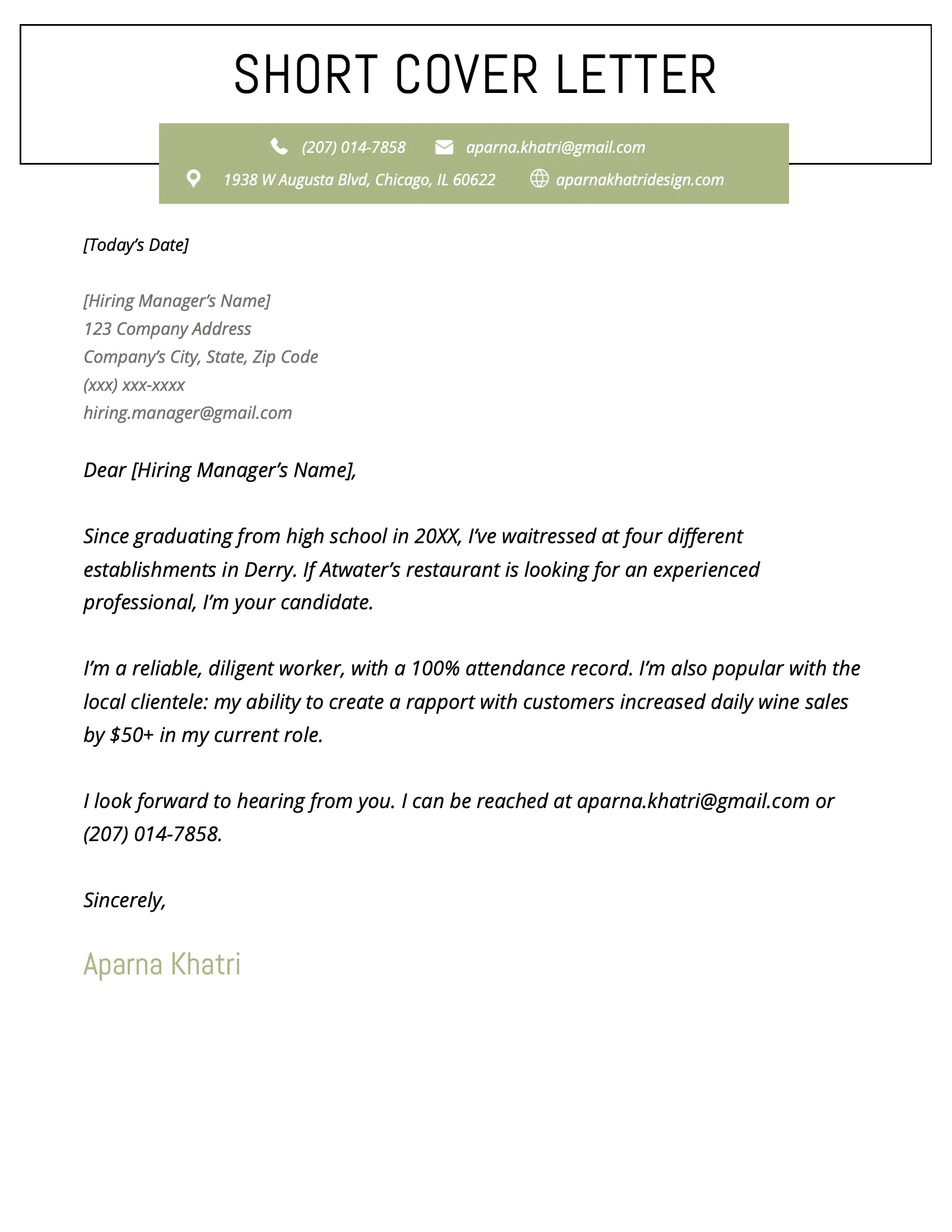
Why a Cover Letter is Crucial
In the competitive job market, a cover letter can be the key that unlocks the door to your dream job. While a resume provides a summary of your skills and experience, a cover letter allows you to provide context, demonstrate your personality, and explain why you’re the perfect fit for the specific role and company. A well-crafted cover letter showcases your communication skills, attention to detail, and genuine interest in the opportunity. It’s your chance to make a strong first impression and persuade the hiring manager to read your resume with enthusiasm. Ignoring the cover letter is a missed opportunity, and a poorly written one can be just as damaging.
The Importance of Tailoring your Cover Letter
One of the biggest mistakes applicants make is sending generic cover letters. Tailoring your cover letter to each specific job and company is essential. This shows the hiring manager that you’ve taken the time to understand the role and the organization. Research the company’s values, mission, and recent activities. Customize your letter to highlight the skills and experiences most relevant to the job description. Demonstrate your understanding of their needs and explain how you can contribute to their success. A tailored cover letter clearly communicates your genuine interest and enthusiasm, significantly increasing your chances of getting noticed.
Researching the Company & Role

Before you start writing, conduct thorough research. Visit the company’s website, read their “About Us” section, and explore their social media presence. Identify their core values, recent projects, and any news or announcements that resonate with you. Then, carefully analyze the job description. Pinpoint the key requirements, skills, and experiences they’re looking for. Understanding the company’s culture and the role’s specific responsibilities allows you to align your cover letter with their needs and demonstrate how you can solve their challenges. This proactive approach sets you apart and makes your application more compelling.
Highlighting Relevant Skills & Experiences
Your cover letter should be a showcase of your relevant skills and experiences. Don’t just list your accomplishments; provide specific examples and context. Instead of simply stating that you have “strong communication skills,” describe a time when you effectively communicated with a team or resolved a conflict. For each skill mentioned in the job description, provide a corresponding example from your past. Explain how you used that skill, what actions you took, and what the positive outcomes were. This demonstrates your ability to apply your skills in real-world situations and gives the hiring manager a clear picture of your capabilities.
Quantifying Achievements for Maximum Impact
One of the most effective ways to impress a hiring manager is by quantifying your achievements. Use numbers, percentages, and specific data to demonstrate the impact you’ve made in previous roles. Instead of saying you “improved sales,” state that you “increased sales by 20% in one quarter” or “exceeded sales targets by 15%.” These specific metrics provide concrete evidence of your accomplishments and make your claims more credible. When possible, use data to highlight your successes in terms of cost savings, efficiency improvements, customer satisfaction, or any other relevant metrics. Quantitative data transforms your cover letter from a general overview to a compelling story of success.
Use Numbers to Showcase Success

Numbers add weight to your claims. Always include percentages, dollar amounts, or the number of people you have managed. When describing your achievements, be specific and use measurable data to illustrate your success. The more specific, the better you’ll illustrate the value you brought to your previous employers.
Showcase Your Value and Enthusiasm
A cover letter is your opportunity to express your value proposition. Clearly state what you bring to the table and how you can contribute to the company’s goals. Explain why you’re excited about the role and what motivates you. Demonstrate your enthusiasm for the company’s mission and values. The hiring manager should be able to see that you’re not just looking for a job, but that you’re genuinely interested in the specific opportunity. Show your personality and let your passion shine through. A cover letter filled with enthusiasm is far more likely to make a lasting impression.
Demonstrating Your Understanding
Show the hiring manager that you’ve taken the time to understand what they need. Address the specific challenges that the company faces and explain how your skills and experiences can help them overcome those challenges. In your cover letter, demonstrate your awareness of the industry trends and the competitive landscape. Show that you’re informed and engaged with the company’s business. This shows a level of initiative and intelligence that sets you apart from other applicants. Demonstrating your understanding can make the difference between an invitation to interview and a rejection letter.
Crafting a Compelling Opening Statement

The opening of your cover letter is critical – it’s your first chance to grab the reader’s attention. Avoid generic greetings or clichés. Instead, start with a strong statement that immediately highlights your interest in the role and the company. You can mention your excitement for the position, a relevant accomplishment, or a key skill that aligns with the job requirements. Make sure the opening is concise, engaging, and tailored to the specific opportunity. Your opening statement should make the reader want to learn more. Make it unique and make sure that it captures the hiring manager’s attention from the start.
Mentioning How You Can Contribute
Make it clear how you plan to benefit the company. Focus on what you can do for the company and how your skills and experience align with the goals of the organization. Use specific examples of how you’ve brought similar benefits to past companies. By clearly stating your potential contributions, you’ll show the hiring manager how you can make a positive impact on the team. Focus on what you can do for them, not just what you hope to get from the job.
Structuring a Strong Closing Statement
Your closing statement should leave a lasting positive impression. Reiterate your interest in the role and your excitement for the opportunity. Summarize your key qualifications and reiterate how your skills and experience align with the company’s needs. A strong closing reinforces your value proposition and makes it easy for the hiring manager to remember you. Make it memorable and make sure you convey your willingness to discuss your qualifications in an interview.
Expressing Gratitude and Call to Action

Thank the hiring manager for their time and consideration. Clearly state that you’re looking forward to hearing from them and are available for an interview. Include a clear call to action, such as stating you will be in touch, or how the hiring manager can contact you. Expressing gratitude is a simple gesture, but it adds a professional touch to your cover letter. It also demonstrates your respect for their time. A well-crafted call to action will help you move to the next step in the hiring process.
Proofreading & Polishing Your Cover Letter
Before submitting your cover letter, meticulously proofread it for any errors. Typos, grammatical errors, and inconsistencies can undermine your credibility and damage your chances. Read your cover letter multiple times, ideally out loud, to catch any mistakes. Consider having a friend, family member, or career counselor review your cover letter as well. Fresh eyes can often spot errors that you might miss. A polished and error-free cover letter shows attention to detail and professionalism.
Ensuring Professionalism and Clarity
Professionalism includes formatting, clarity of language, and appropriate tone. Use a readable font, and make sure your language is concise, direct, and easy to understand. Avoid jargon or overly complex sentence structures. Your cover letter should be a pleasure to read. Ensure your cover letter is well-formatted and easy to read, with clear paragraphs and appropriate spacing.
Using the Right Tone for the Application

The tone of your cover letter should match the company culture and the nature of the job. Research the company’s values and brand voice to ensure your tone aligns. In general, aim for a professional, yet enthusiastic tone. Avoid being overly formal or informal. Show genuine interest, but remain professional and focused on the opportunity. The right tone conveys that you understand the company culture and will fit in well with the team.
Avoid Common Mistakes & Red Flags
There are several common mistakes that can hurt your cover letter. Avoid generic openings, lack of tailoring, and rambling or overly long paragraphs. Make sure to proofread carefully for errors. Avoid clichés, exaggerations, and any negative or unprofessional language. Be honest and authentic in your writing. Finally, don’t use the same cover letter for multiple jobs. Generic cover letters immediately tell a hiring manager that you are not serious about the position.
Grammar & Spelling Errors
Grammar and spelling mistakes are the most frequent mistakes, and the easiest to avoid. Always proofread your work, and use online tools to help you. A cover letter riddled with errors will signal carelessness and diminish your chances of securing an interview.
Generic Cover Letters

Avoid using the same cover letter for all applications. Generic letters lack personalization and reduce your chances of being called in for an interview. Instead, tailor your cover letter to each specific opportunity and company.