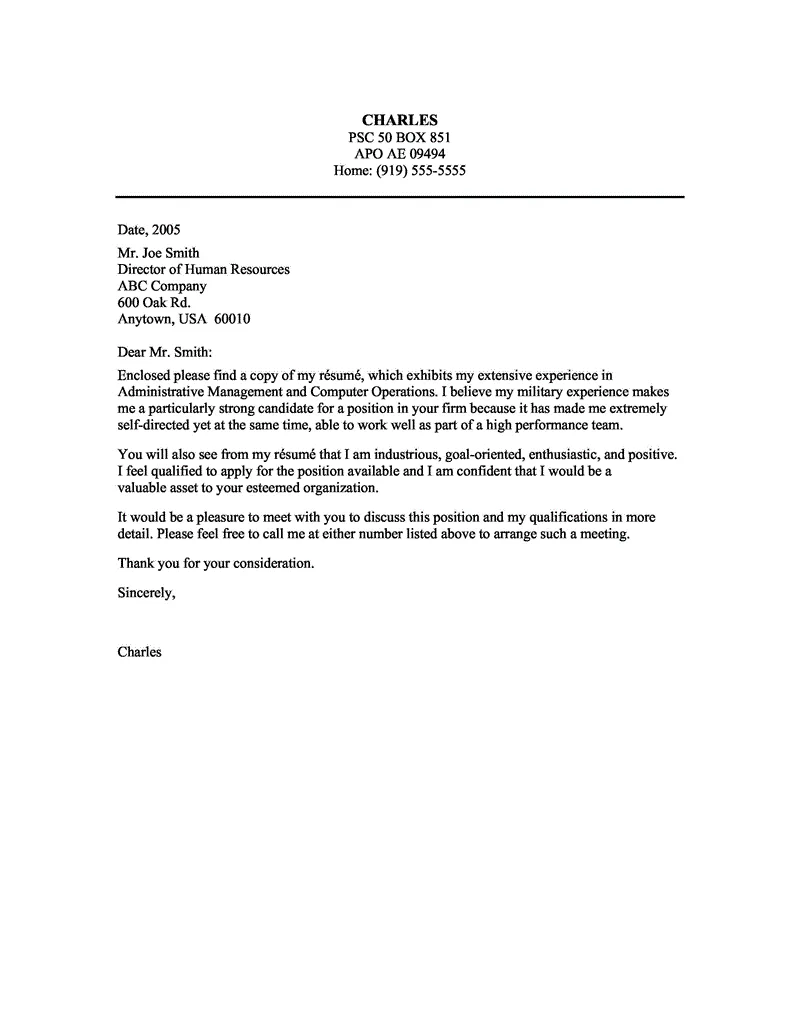
What Makes a Cover Letter Winning?
A winning cover letter is more than just a formality; it’s your first opportunity to make a lasting impression on a potential employer. It’s your chance to showcase your personality, highlight your skills, and demonstrate your genuine interest in the role and the company. A successful cover letter goes beyond simply restating your resume; it tells a compelling story that connects your experiences to the specific requirements of the job. It should be tailored to each position, reflecting a deep understanding of the company’s needs and values. Moreover, a winning cover letter is concise, well-written, and free of errors, conveying professionalism and attention to detail.
Highlighting Key Skills & Achievements
One of the core components of a winning cover letter is effectively highlighting your key skills and achievements. This isn’t simply a matter of listing your qualifications, but rather showcasing how those skills align with the specific demands of the job. Focus on the achievements that demonstrate your capabilities and the impact you’ve made in previous roles. Use action verbs to describe your accomplishments, and whenever possible, provide concrete examples to illustrate your points. For instance, instead of saying ‘Managed projects,’ you could write ‘Successfully managed and delivered five projects on time and under budget, resulting in a 15% increase in efficiency.’ This level of detail not only captures the reader’s attention but also provides concrete evidence of your abilities.
Quantifiable Results

Employers are significantly more impressed by quantifiable results than by generic claims of competence. Always strive to back up your achievements with data and figures. This can include metrics such as increased sales, reduced costs, improved customer satisfaction scores, or successful project completion rates. For example, instead of saying ‘Improved customer service,’ you could state ‘Improved customer satisfaction scores by 20% by implementing a new training program.’ These specific, measurable outcomes clearly show the value you brought to your previous employers. Including quantifiable results immediately adds credibility to your claims and allows the hiring manager to understand the potential impact you could have in their organization.
Tailoring to the Job Description
A generic cover letter is a quick way to get your application tossed aside. The most effective cover letters are tailored to each specific job and demonstrate that you have carefully read and understood the job description. Analyze the requirements listed and highlight the skills and experiences that directly align with them. Use the same keywords and phrases from the job description to showcase your understanding of the role’s demands. In your cover letter, explain how your skills and experiences uniquely qualify you for this particular position and explain how you will contribute to the company’s goals. Remember that customizing your cover letter takes time and effort, but it significantly increases your chances of getting an interview.
Top 7 Cover Letter Examples to Inspire You
To help you craft your own winning cover letter, here are seven examples that showcase different approaches and styles. These examples cover a range of professions and career situations, so you can find inspiration and adapt them to fit your personal circumstances. Each example illustrates the key elements discussed above, including highlighting key skills, providing quantifiable results, and tailoring the letter to specific job requirements. Study these examples carefully, paying close attention to the language used, the tone conveyed, and how the candidate’s qualifications are presented. As you review them, think about how you can adapt these approaches to highlight your own unique strengths and experiences.
Example 1 The Enthusiastic Professional

This example focuses on demonstrating genuine enthusiasm for the role and the company. The letter highlights the candidate’s passion and energy, emphasizing their eagerness to contribute to the team. It uses vibrant language to convey excitement and a proactive approach, making the candidate appear approachable and dedicated. The tone is positive and engaging, showing that the candidate is not only qualified but also excited about the opportunity to work there. This type of cover letter is especially effective for roles where personality and interpersonal skills are highly valued.
Key Phrases and Tone
Key phrases for the enthusiastic professional cover letter might include ‘I am incredibly excited,’ ‘I am eager to contribute,’ and ‘I am confident that my skills align perfectly.’ The tone should be upbeat and energetic, showing a proactive attitude. Avoid sounding too formal or overly cautious, which may dampen your enthusiasm. Instead, use dynamic language that shows you are keen to dive in and make an immediate impact.
Example 2 The Career Changer
This example addresses the unique challenges of a career changer, highlighting transferable skills and bridging the gap between past experiences and the desired new role. The cover letter should focus on the core competencies that are applicable across various industries, emphasizing the value of skills such as leadership, problem-solving, and communication. The goal is to illustrate how previous roles, even if in a different field, have equipped the candidate with the necessary skills to excel. The cover letter should clearly articulate why the applicant is changing careers and demonstrate their commitment to the new field.
Highlighting Transferable Skills

For a career changer, the focus must be on transferable skills. Identify skills that are relevant to the new role from your previous experiences. These may include project management, communication, problem-solving, or customer service, among others. For instance, if you are moving from education to marketing, you might highlight your skills in communication, presentation, and audience engagement. Emphasize how these skills can benefit your potential employer and make you an asset to the team, even without direct experience in the industry.
Example 3 The Recent Graduate
For recent graduates, the cover letter is an opportunity to highlight academic achievements, internships, and any relevant volunteer work. Since experience is likely limited, the cover letter should focus on skills gained through academic projects, extracurricular activities, and any part-time jobs. It should demonstrate a strong work ethic, eagerness to learn, and potential for growth. Include specific examples from projects or internships that demonstrate the candidate’s ability to apply knowledge and contribute to team efforts. The key is to show potential employers that, although lacking experience, the candidate is ready and willing to excel in the role.
Showcasing Relevant Experience
When showcasing experience for a recent graduate, prioritize any internships, projects, or part-time jobs that relate to the position you are applying for. Highlight any instances where you applied theoretical knowledge to practical situations or worked collaboratively on projects. Demonstrate how your academic training has prepared you for this role. If you have no direct experience, emphasize skills developed through academic projects, leadership roles in clubs or organizations, or relevant coursework. Focus on any transferable skills you’ve developed through those activities, such as time management, communication, or problem-solving.
Example 4 The Experienced Professional

Experienced professionals should use the cover letter to showcase their leadership skills, extensive experience, and significant achievements. The focus should be on how the candidate has positively impacted previous organizations and how those skills and accomplishments align with the job requirements. This is an opportunity to highlight any awards, promotions, or other significant recognitions. Quantifiable results should be heavily emphasized, such as increased revenue, improved efficiency, or successful project completion. The tone should be confident and professional, highlighting the value the candidate brings to the role.
Focusing on Leadership and Impact
For the experienced professional, leadership and impact are paramount. Showcase any leadership positions held and the specific actions taken to improve outcomes. Detail your contributions to previous organizations, including specific examples of how you’ve led teams, managed projects, or implemented strategic initiatives. Use quantifiable results to demonstrate the impact of your efforts. Describe how you’ve saved time, money, or resources, or how you increased sales or profits. The goal is to clearly illustrate the value and capabilities you will bring to the prospective employer.
Example 5 The Technical Expert
The technical expert’s cover letter should focus on demonstrating their technical proficiency and highlighting their relevant skills. The cover letter is the perfect opportunity to showcase your knowledge of relevant software, hardware, programming languages, and other technical skills. Make sure that you address each of the required skills listed in the job description directly. The goal is to establish that you have the skills and experience to perform the job at a high level. This cover letter should be precise and professional, highlighting specific technical accomplishments.
Demonstrating Technical Proficiency

In the technical expert’s cover letter, provide specific examples of your technical capabilities. Mention software, hardware, programming languages, and other technical proficiencies that directly relate to the job description. Showcase your knowledge through concrete examples of projects you’ve worked on and the results you achieved. For instance, if the job requires experience with Python, list your projects that utilized this language, and the measurable results achieved. You should also demonstrate that you’re always eager to learn and stay current with industry trends and emerging technologies.
Example 6 The Creative Professional
The creative professional’s cover letter is all about showcasing creativity, innovation, and a unique approach to problem-solving. This letter is an opportunity to highlight your portfolio of work, your design skills, and your ability to think outside the box. The cover letter should be visually appealing and written in a style that reflects your personality and style. Make sure that the letter is well-crafted and showcases any specific techniques or projects you’ve worked on. This is an excellent chance to demonstrate your ability to transform ideas into tangible results.
Showcasing Creativity and Innovation
For a creative professional, the cover letter should be a showcase of your creativity and innovation. This means providing examples of unique projects, designs, or campaigns that you’ve worked on. It’s also an opportunity to highlight your ability to generate new ideas, approaches, and solutions. Mention any innovative design projects you’ve undertaken, and any awards or recognitions that you’ve received. The letter should illustrate your passion for your work, as well as your willingness to experiment with new approaches.
Example 7 The Sales & Marketing Pro

Sales and marketing professionals should use their cover letter to demonstrate their ability to generate results, exceed sales targets, and contribute to marketing strategies. Highlight your experience in lead generation, customer acquisition, and campaign execution. Your cover letter should emphasize the impact you’ve made in previous roles, providing quantifiable results such as increased sales, improved brand awareness, or successful marketing campaigns. The cover letter should convey your passion for sales, your strategic mindset, and your ability to drive revenue and achieve objectives.
Focusing on Results and Targets
Sales and marketing professionals must focus on results and targets within their cover letters. Highlight specific sales figures, campaign performance, or other relevant metrics that showcase your ability to drive revenue. Focus on instances where you exceeded sales targets, generated significant leads, or improved brand awareness through marketing efforts. Use data and figures to demonstrate your achievements and quantify the value you have brought to your previous organizations. Presenting your accomplishments in a clear and measurable manner will make your application far more compelling to potential employers.
Key Takeaways for Writing Your Own Winning Cover Letter
By studying and adapting these examples, you can create a winning cover letter that grabs the attention of potential employers. Tailoring your cover letter, highlighting key skills, and incorporating quantifiable results are the essential steps to success. Always proofread and edit to ensure your cover letter is error-free and well-presented. Remember, your cover letter is your opportunity to make a strong first impression and secure an interview. Take the time to make it count.
Adapting Examples to Your Situation

The key to success is adapting the examples to your situation. Do not just copy and paste. Instead, use them as a framework. Take the time to rewrite and modify the provided examples so that they accurately represent your experience, skills, and enthusiasm. Tailor the cover letter to match each job description, ensuring that the language and tone fit the role. Identify the skills and accomplishments that will resonate most with the hiring manager. This individualized approach makes your application more compelling.
Proofreading and Editing
Never underestimate the importance of proofreading and editing. A cover letter that is riddled with errors will undermine all of your efforts. Before submitting, carefully review your cover letter for any grammatical errors, spelling mistakes, or typos. Make sure that the formatting is clear and consistent and that the font is easily readable. You should also have another person review your cover letter for clarity and flow. Ask a friend, mentor, or career counselor to provide feedback on your cover letter. Their fresh perspective can help you identify errors or areas for improvement.
Final Tips for Cover Letter Success
Keep your cover letter concise and to the point. Aim for one page, unless specifically requested otherwise. Customize each cover letter for the specific job. Be professional and friendly. Demonstrate your knowledge about the company and your enthusiasm. Always include a call to action, such as inviting the employer to review your resume or asking for an interview. Most importantly, be honest and authentic in your cover letter. Let your personality shine through, and showcase your skills and enthusiasm in a way that reflects your true self. Using these tips, you will be well-equipped to create a cover letter that will set you apart from the competition and will help you land your dream job.