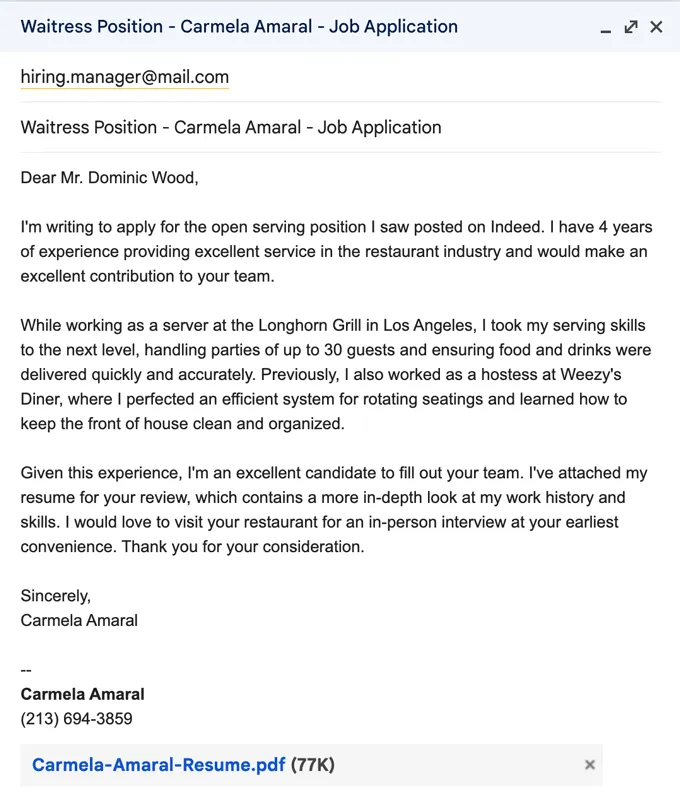
Why Subject Lines Matter
In the competitive world of job applications, every detail counts. Your cover letter is your first impression, and the subject line is the gatekeeper that determines whether your application even gets opened. A well-crafted subject line acts as a concise summary of your intent, enticing the recipient to read further. It’s the digital equivalent of a firm handshake and a confident introduction. Without a compelling subject line, your meticulously written cover letter may languish unseen in a crowded inbox, overlooked amidst the deluge of applications. In this context, neglecting the subject line is akin to whispering when you should be shouting your qualifications. It’s a missed opportunity to grab the recruiter’s attention and demonstrate your attention to detail and professionalism. A strong subject line can be the difference between landing an interview and remaining unnoticed, making it a crucial element of your job application strategy.
Crafting the Perfect Subject Line
Crafting the perfect subject line is an art form, requiring a blend of clarity, conciseness, and compelling content. The goal is to immediately inform the recipient of your purpose while piquing their interest. Begin by including the job title and your name. This instantly provides context and allows the recruiter to quickly identify the application’s purpose. Avoid generic phrases; instead, personalize the subject line to reflect the specific job and company. Highlighting a relevant skill or accomplishment can also make your application stand out. Focus on using action verbs and strong keywords that align with the job description, drawing the reader’s attention. Consider the tone; maintain a professional yet engaging voice. The ideal subject line is brief, informative, and designed to encourage immediate action, making it the cornerstone of a successful cover letter approach.
Focus on Clarity and Conciseness

Clarity and conciseness are the cornerstones of an effective subject line. Recruiters and hiring managers often sift through hundreds of applications, so your subject line must immediately communicate the core message without ambiguity. Keep it brief, aiming for under 60 characters to ensure it displays fully on various email platforms and devices. Prioritize essential information, such as the job title and your name. Avoid unnecessary words and jargon; every word should serve a purpose. Clear language ensures that the recipient can instantly understand the email’s intent. Conciseness, on the other hand, respects the reader’s time and conveys a sense of professionalism. By focusing on these elements, you make it easy for the recruiter to process your application, increasing the likelihood that your cover letter will be reviewed. Ensure your subject line is easily scanned and instantly informative to stand out from the crowd of job seekers.
Highlighting Your Value Proposition
Highlighting your value proposition in the subject line immediately sets you apart from other applicants. Instead of merely stating the job title, showcase what you bring to the table. Consider including a key skill, a significant accomplishment, or a specific qualification that matches the job requirements. For example, if the job description emphasizes project management experience, your subject line could read: ‘Project Manager Application – [Your Name] – Proven Results’. Quantifiable achievements, such as ‘Increased Sales by 20%,’ can also grab attention. By positioning yourself as a solution to the company’s needs, you create an immediate appeal and demonstrate a proactive approach. This strategic use of your value proposition not only captures attention but also communicates your suitability for the role, increasing the chances of your application being selected for further review.
Using Keywords Strategically
Strategic use of keywords in your subject line significantly improves your application’s visibility and relevance. Carefully examine the job description and identify the most important keywords. These are the skills, qualifications, and terms the employer emphasizes. Incorporate these keywords naturally into your subject line to signal that you meet the job requirements. For instance, if the job requires ‘data analysis’ and ‘project management,’ include these terms in your subject line. This not only makes your application more likely to be found by applicant tracking systems but also demonstrates that you’ve paid attention to the job requirements. Keywords act as signposts, helping recruiters quickly assess whether your application is a good fit. Using the right keywords is a proactive approach to making your application easily discoverable and relevant.
Avoiding Common Mistakes

Avoiding common mistakes in your subject line is crucial to making a positive impression. One of the most significant errors is using generic subject lines like ‘Job Application’ or ‘Resume.’ These are uninformative and easily overlooked. Typos and grammatical errors also detract from your professionalism, so always proofread carefully. Avoid vague language or phrases that don’t clearly state your purpose. Another mistake is using overly long subject lines, as these might get truncated on some devices. Similarly, refrain from using unprofessional language or casual slang. Ensure the subject line accurately reflects the content of your email. By avoiding these pitfalls, you enhance your credibility and show that you pay attention to detail. A well-crafted subject line demonstrates professionalism and respect for the recruiter’s time, giving your application the best possible chance of success.
Generic vs. Personalized Subject Lines
The choice between a generic and a personalized subject line can significantly influence your application’s success. Generic subject lines, like ‘Application for Position,’ are impersonal and lack context, often blending in with countless other emails. Personalized subject lines, however, stand out. They show that you’ve paid attention to the specific role and company. Tailoring your subject line demonstrates initiative and professionalism. For instance, instead of ‘Resume,’ use something like ‘Application for Marketing Manager – [Your Name] – Proven Growth Strategies.’ Personalization can include the job title, your name, and a key skill or achievement. This approach immediately clarifies your intent and highlights your qualifications, making the email more engaging. Personalized subject lines provide context, increasing the likelihood that your application will be reviewed and considered. They set you apart from other applicants and improve your chances of getting noticed.
Testing and Refining Your Subject Lines
Testing and refining your subject lines is an essential part of the job application process. While there isn’t a one-size-fits-all approach, A/B testing can help you identify which subject lines perform best. Experiment with different keywords, value propositions, and tones to see what resonates most effectively. Create two or three variations of your subject line. Send each version to a small group of contacts, ideally within your network or those who can provide feedback. Track the open rates and responses to each subject line to gauge their effectiveness. This data will give you insights into what attracts the attention of recruiters in your field. The goal is to continuously improve. Consider what resonates the most with recruiters in your industry. Analyze the results, and adjust your subject lines accordingly, as this will give you valuable insights into what works best for you, helping to refine your strategy and increase your chances of success.
Subject Lines for Different Job Types

The best subject line varies depending on the job type and the industry. For technical roles, emphasize your specific skills and certifications. For example, ‘Software Engineer Application – [Your Name] – Certified in [Specific Technology].’ For creative roles, you might highlight your portfolio or a relevant project, such as ‘Graphic Designer Application – [Your Name] – Portfolio Inside’. In sales, showcase your sales experience, such as ‘Sales Manager Application – [Your Name] – Proven Record in [Industry]’. In academic fields, focus on your research or publications. Adjust your subject line to match the expectations of the industry and the specific role’s requirements. Tailoring your approach shows that you understand the nuances of the job and enhances your chances of capturing the recruiter’s attention, which is essential for a successful application.
Measuring the Impact of Your Subject Line
Measuring the impact of your subject line provides valuable insights into the effectiveness of your approach. While it’s difficult to directly quantify the effect of a subject line, several factors can offer valuable data. Track the open rates of your emails to gauge how often your application is viewed. Consider also the response rate, as this indicates how the recipient engages with your cover letter. Analyzing the results from your A/B tests can show which subject lines perform best. If possible, collect feedback from recruiters or hiring managers. Ask if they found your subject line clear, concise, and compelling. Monitor the progress of your applications. By analyzing these elements, you can refine your subject lines, identify patterns that resonate with recruiters, and improve your application strategies. Continuous assessment allows you to optimize your approach and increase the likelihood of a positive outcome.