Why You Need a Resume and Cover Letter
In the competitive landscape of job hunting, a well-crafted resume and cover letter are your essential tools for making a strong first impression. They serve as your initial introduction to potential employers, showcasing your skills, experiences, and qualifications. A resume provides a concise summary of your professional background, highlighting relevant achievements and qualifications. The cover letter, on the other hand, allows you to elaborate on your resume, demonstrating your personality, enthusiasm, and how your skills align with the specific job requirements. Together, they form a powerful narrative that can significantly increase your chances of landing an interview and ultimately, securing the job. Without these documents, your application may be overlooked, emphasizing their crucial role in your job search strategy. It’s important to remember that these documents aren’t just about listing your past; they are about selling your future contributions to a company.
What to Include in Your Resume
A compelling resume goes beyond simply listing your previous jobs; it’s a strategic marketing tool that highlights your value to a potential employer. The content of your resume should be carefully curated to reflect your skills, experience, and achievements in a way that resonates with the job description. It’s a concise summary, typically limited to one or two pages, that quickly conveys your suitability for the position. Each section should be meticulously crafted to showcase your strengths and demonstrate why you’re the ideal candidate. Remember, your resume is not just a document; it’s your personal brand in the professional world, and it must be presented in the best possible light.
Contact Information

Begin your resume with your contact information. This typically includes your full name, phone number, email address, and optionally, your LinkedIn profile URL. Ensure your contact details are current and professional; the goal is to make it easy for the employer to reach you. Double-check for any typos or errors, as a mistake here could mean missing out on an opportunity. Consider including a professional-sounding email address and a voicemail greeting that reflects your professionalism. This section is the gateway for potential employers to connect with you, so it should be clear, concise, and accurate.
Summary or Objective
A summary or objective provides a brief overview of your skills, experience, and career goals. A summary is more appropriate for experienced professionals, highlighting their key accomplishments and qualifications. An objective, on the other hand, is often used by entry-level candidates to state their career aspirations and how they align with the job. Tailor this section to match the job description, emphasizing the skills and experiences most relevant to the position. Keep it concise, typically two to three sentences, and ensure it captures the employer’s attention immediately. The goal is to entice the reader to delve further into your resume, so make it compelling and targeted.
Work Experience
The work experience section is the heart of your resume, where you detail your professional history. For each position, include the job title, company name, dates of employment, and a list of responsibilities and accomplishments. Use action verbs to describe your duties and quantify your achievements whenever possible. Focus on results and outcomes, showcasing how you contributed to the success of your previous employers. Tailor this section to the specific job requirements, highlighting the skills and experiences most relevant to the position. If possible, use the STAR method (Situation, Task, Action, Result) to structure your bullet points, providing context and demonstrating the impact of your work.
Education

In the education section, list your degrees, certifications, and any relevant training. Include the name of the institution, the degree earned, the major, and the dates of attendance or graduation. If you’re a recent graduate or have limited work experience, you can include relevant coursework, GPA (if high), and any academic achievements. For experienced professionals, focus on the highest degrees and certifications relevant to the job. Ensure the information is accurate and presented in reverse chronological order, with the most recent education listed first. This section provides a snapshot of your academic background and qualifications, showing your commitment to learning and professional development.
Skills
The skills section is where you showcase your abilities, both hard and soft. Hard skills are technical abilities acquired through training or education, such as software proficiency or data analysis. Soft skills are interpersonal qualities, such as communication, leadership, and problem-solving. Create a list of skills that are relevant to the job description, using keywords from the job posting. You can categorize your skills for clarity, such as technical skills, communication skills, and project management. Tailor this section to highlight the skills that employers are looking for, demonstrating your ability to perform the job effectively. Regularly review and update this section to reflect your current skill set and the demands of the industry.
Additional Sections
Consider including additional sections to highlight relevant experiences or achievements. This could include volunteer work, awards, publications, or professional affiliations. If you have a portfolio, include a link to showcase your work. Including these sections can demonstrate your commitment to your field and your well-roundedness as a candidate. Tailor these sections to the specific job requirements, highlighting experiences that align with the employer’s needs. These sections can provide additional context about your skills, interests, and professional development. For example, a section on volunteer experience can showcase your teamwork and leadership abilities. Always ensure that the information you include is relevant and adds value to your application.
Crafting Your Cover Letter

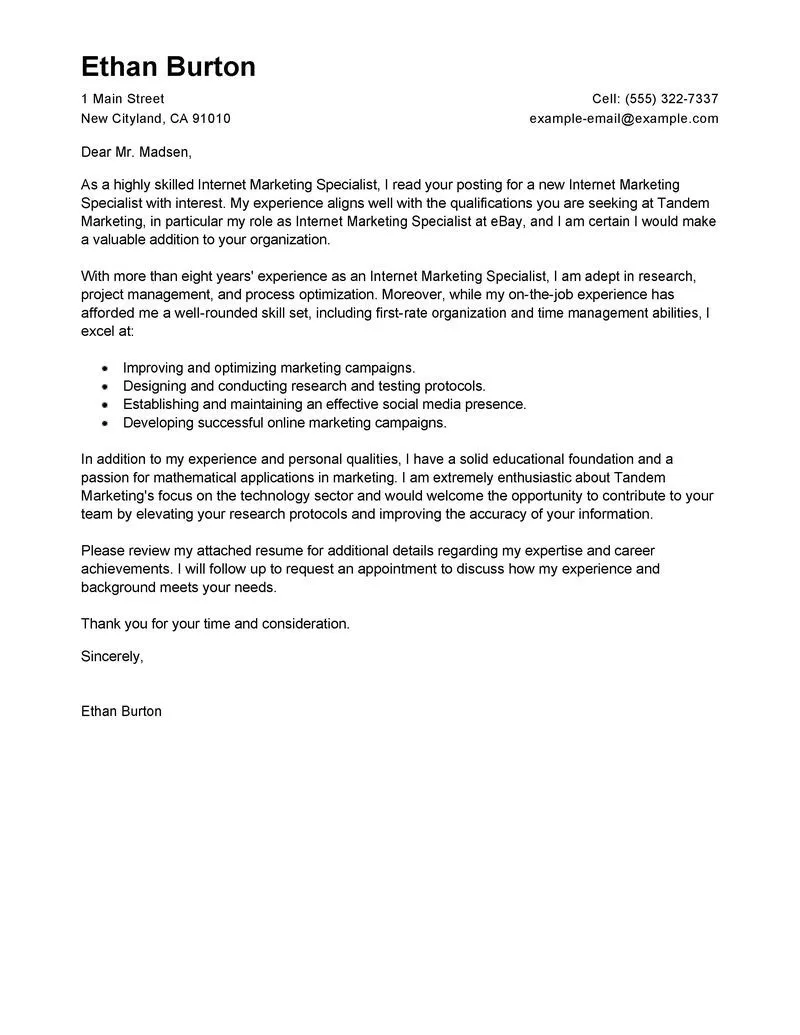
A well-written cover letter is just as important as your resume. It is your opportunity to introduce yourself, express your interest in the position, and highlight how your skills and experiences align with the job requirements. A cover letter provides context and personality to your application, giving the hiring manager a better understanding of who you are and why you’re the best fit for the role. It should be customized for each job application, demonstrating your genuine interest and understanding of the company. A generic cover letter is often perceived as a lack of effort and may lead to your application being rejected. Always tailor your cover letter to the specific company and position to make a strong impact.
Header and Salutation
Start your cover letter with a professional header, including your contact information and the date. Then, address the hiring manager by name if possible; otherwise, use a general salutation like “Dear Hiring Manager.” Research the company to find the hiring manager’s name. A personalized greeting shows that you’ve taken the time to learn about the organization. Ensure the header matches the one on your resume for consistency. This sets a professional tone from the beginning and shows your attention to detail, which is crucial in any job application. Take the extra step to ensure your cover letter feels personal and that you care about the opportunity.
Introduction
The introduction is your chance to make a strong first impression. State the position you are applying for and how you learned about it. Briefly highlight your most relevant qualifications and express your enthusiasm for the opportunity. This section should capture the reader’s attention and encourage them to continue reading. Keep it concise and focused on the key reasons you are a good fit for the role. Mentioning where you saw the job posting shows how you found the opportunity, and highlighting relevant skills immediately gives the hiring manager a sense of your capabilities. Make sure your introduction reflects your understanding of the company’s needs.
Body Paragraphs

The body paragraphs are where you elaborate on your skills and experiences, demonstrating how they align with the job requirements. Provide specific examples to illustrate your accomplishments and how you’ve made a positive impact in previous roles. Tailor your content to match the key responsibilities and qualifications outlined in the job description. This is your opportunity to showcase your personality and enthusiasm for the position, so make it engaging and informative. Use strong action verbs and quantify your achievements whenever possible. Ensure you have a logical flow, linking your skills and experiences to the company’s needs. Think of this as a story where you are the hero solving the company’s challenges.
Conclusion
In the conclusion, restate your interest in the position and summarize why you are a strong candidate. Express your gratitude for the opportunity to be considered and reiterate your contact information. End with a call to action, such as stating your availability for an interview. This section should reinforce your enthusiasm and make it easy for the hiring manager to take the next step. Keep it concise and professional. Ensure that the conclusion leaves a positive lasting impression. Ensure you proofread for errors before submitting your application. Your conclusion is an opportunity to leave a positive lasting impression.
Call to Action
A call to action is a statement that encourages the reader to take a specific step. In your cover letter, your call to action should request an interview. Reiterate your contact information and thank the hiring manager for their time and consideration. You can also mention your availability for an interview. This is a crucial step in the closing of your cover letter, making it clear how the hiring manager should proceed. This helps move the process forward and signals your enthusiasm. Make it easy for the hiring manager to take the next step. Your call to action is your final attempt to convert the hiring manager into a believer.
Best Free Tools and Websites

Creating a professional resume and cover letter doesn’t have to be expensive. There are numerous free tools and websites that can help you craft polished documents. These tools offer templates, customization options, and sometimes even guidance on content and formatting. By leveraging these resources, you can save time and money while creating compelling application materials. These tools are designed to simplify the process, so you don’t need to be a design expert to create an impressive resume and cover letter. Utilizing these tools ensures your documents meet industry standards and are visually appealing.
Resume.io
Resume.io offers a user-friendly interface and a variety of templates to help you create a professional resume. It provides pre-written content suggestions, making it easy to fill in your information. You can customize the layout, fonts, and colors to match your personal brand. Resume.io is an excellent option for those who want a guided experience and are new to resume writing. The platform is intuitive and easy to navigate, making it a great resource for quickly generating a polished resume. They also provide a preview feature, allowing you to see how your resume will look before you download it. This is an excellent option for job seekers of all levels.
Canva
Canva is a versatile design tool that provides a wide range of resume templates. Its drag-and-drop interface makes it easy to customize your resume and cover letter with various design elements. You can add your own images, change fonts and colors, and tailor the layout to your liking. Canva is ideal for those who want a more visually appealing resume. The platform is easy to use, even if you don’t have any design experience. They offer both free and paid templates, so you can create a high-quality resume without spending any money. They provide numerous layouts for all kinds of professionals.
Resume Genius

Resume Genius is another popular tool offering free resume templates and a resume builder. It guides you through the process, providing tips and suggestions. It includes sections for adding your education, work experience, skills, and more. They also provide advice on tailoring your resume to specific jobs. The platform offers a range of customization options. It’s suitable for users of all skill levels and provides useful resources for optimizing your resume. They provide a lot of flexibility for formatting and ensuring your resume is easy to read. They also help you ensure your resume passes the ATS (Applicant Tracking System) and helps you get your resume in front of recruiters.
Tips for Optimizing Your Documents
Optimizing your resume and cover letter is crucial for making a positive impression on hiring managers and increasing your chances of getting an interview. This involves paying close attention to the formatting, design, and content of your documents. By following these tips, you can ensure that your application materials are professional, visually appealing, and tailored to the specific job you are applying for. Optimizing your documents is not only about presenting your qualifications in the best light; it’s also about ensuring they are easily readable and scannable, which is important for Applicant Tracking Systems. By focusing on these factors, you increase your chances of standing out among other candidates.
Formatting and Design
Choose a clean and professional design that is easy to read. Use clear headings, bullet points, and white space to organize your content. Ensure your fonts are readable and the font sizes are appropriate. Avoid using excessive colors or graphics that might distract from the content. The goal is to make your resume and cover letter visually appealing and easy to navigate. Consistent formatting throughout the documents is essential for a professional look. This is crucial when the hiring manager is scanning hundreds of resumes. Remember, the simpler, the better. Make sure your resume is well-organized and that your key information is easy to find.
Proofreading and Editing

Proofread your resume and cover letter carefully for any grammatical errors, typos, or inconsistencies. Ask a friend or family member to review your documents. Errors can undermine your credibility and make a negative impression. Always ensure that the language used is clear and concise. Reading your resume and cover letter aloud can help you identify any awkward phrasing or sentences. This also helps you identify any inconsistencies in your documents. This is a crucial step, so don’t rush through it. Make sure to revise and improve your documents until they meet the standard of professionalism.
Tailoring to the Job
Customize your resume and cover letter for each job application. Review the job description carefully and highlight the skills, experiences, and qualifications that are most relevant to the position. Use keywords from the job description throughout your documents to increase your chances of getting noticed. Avoid using a generic resume and cover letter for all applications; show that you understand the specific requirements of the job and how your skills and experience align with the needs of the employer. Tailoring to the job is the best way to demonstrate your specific fit and to show the employer that you care about their specific job requirements.
Common Mistakes to Avoid
Avoiding common mistakes can significantly increase the effectiveness of your resume and cover letter. Errors in these documents can hurt your chances of getting an interview, so it’s essential to be aware of them and take steps to prevent them. By understanding the common pitfalls and taking the time to review your work, you can ensure that your application materials are polished and professional. Small details matter a lot, so don’t overlook any step in the creation process. Common mistakes make it easy to filter out candidates, so avoid doing so.
Incorrect Information
Providing incorrect information, such as inaccurate dates of employment or false claims about your skills or experience, is a major mistake. Always be truthful and accurate in your resume and cover letter. Exaggerating or fabricating information can damage your credibility and result in serious consequences, such as job offer revocation. Employers will often verify information, so ensure that all details are accurate. It’s always better to be honest about your qualifications and focus on the achievements and skills you do possess.
Typos and Grammatical Errors
Typos and grammatical errors can make your resume and cover letter look unprofessional. Proofread your documents carefully for any mistakes. Ask a friend or family member to review your documents. Use spell-check and grammar-check tools, but don’t rely on them entirely. These tools may not catch every error. Ensure that your writing is clear and concise, and that your punctuation and grammar are correct. Mistakes can signal a lack of attention to detail and a lack of commitment to quality. A well-written, error-free document shows that you care about your work.
Generic Content
Using generic content that is not tailored to the specific job or company can make your application look uninspired. Customize your resume and cover letter for each job application. Highlight the skills and experiences that are most relevant to the position. Show that you have researched the company and understand their needs. Avoid using boilerplate language that doesn’t reflect your individual skills. Take the time to showcase your personality and enthusiasm for the job. The goal is to make your application stand out from the rest.
Frequently Asked Questions
When creating a free resume and cover letter, you may have several questions. We’ll explore some of the most frequently asked questions. Understanding these common queries can help you approach this process with confidence. These answers will guide you in creating effective and professional documents that will impress employers. Take your time with the questions, and review the answers below.
Can I really create a free resume and cover letter
Yes, you absolutely can create a free resume and cover letter using various online tools and resources. Many websites offer free templates, resume builders, and cover letter generators. These resources provide a convenient and cost-effective way to create professional documents without any financial investment. You can find templates online and tools that guide you through the process. Many platforms have free versions with essential features, allowing you to create high-quality application materials. These tools are accessible to anyone with an internet connection.
What are the benefits of using a template
Using a template has many benefits when creating a resume and cover letter. Templates provide a pre-designed format, saving you time and effort. They often include sections for key information, helping you structure your content effectively. Templates can also guide you on what information to include. They ensure your documents are visually appealing and professional-looking. Templates can improve your organization. Templates assist by incorporating the best practices of resume writing. Templates help structure your content to show your expertise.
How to make my resume stand out
To make your resume stand out, tailor it to each job application, highlight your key accomplishments, and use action verbs to describe your achievements. Quantify your results whenever possible to show the impact of your work. Choose a clean, professional design. Proofread your resume carefully for any errors. Include a summary or objective that grabs the employer’s attention. Use keywords from the job description throughout your resume. Consider adding sections that highlight relevant experiences, such as volunteer work or professional affiliations. Customize your cover letter, showing your genuine interest and understanding of the company.