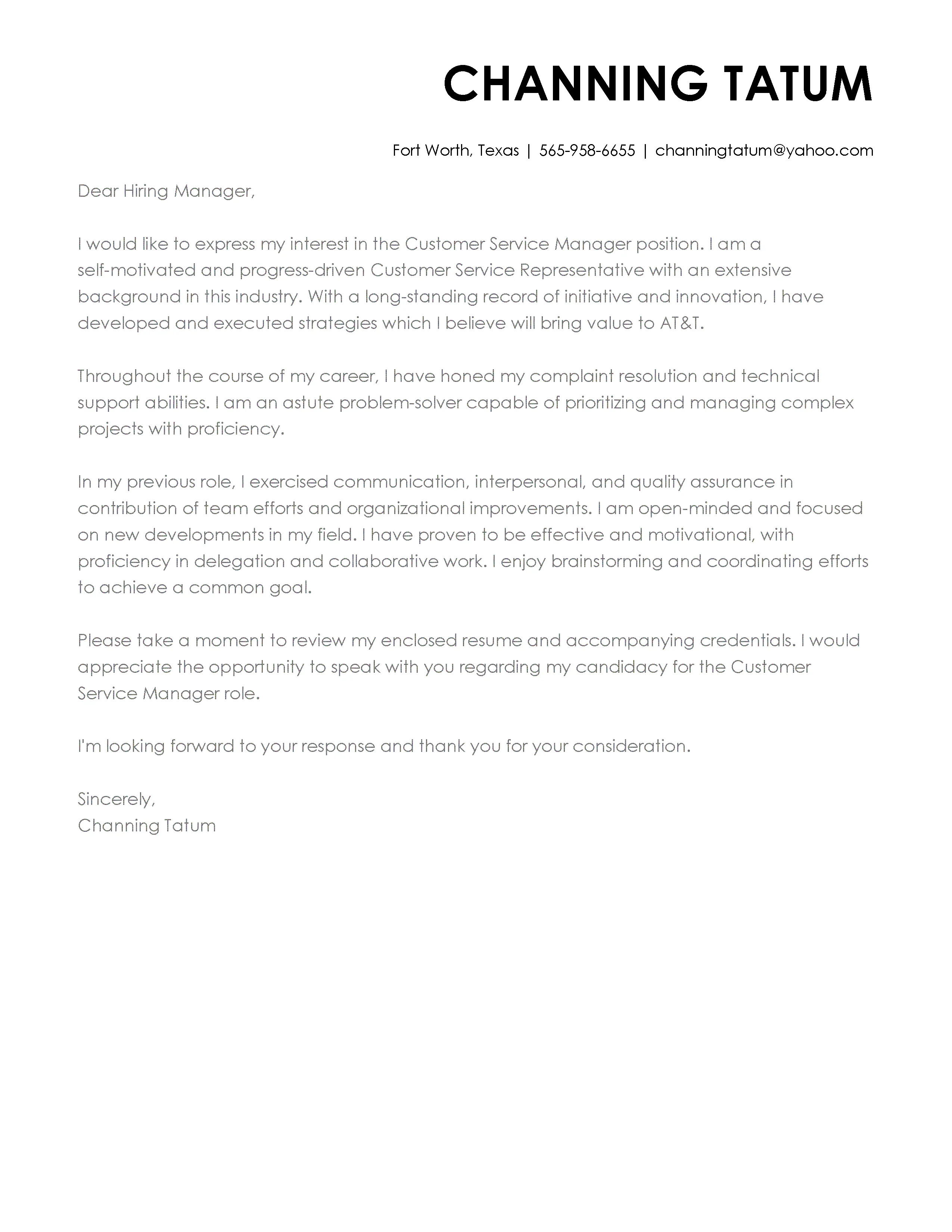
Crafting a Customer Service Resume
A well-crafted customer service resume is your first impression on a potential employer. It’s a crucial document that showcases your skills, experience, and qualifications. In a competitive job market, it’s more important than ever to make your resume stand out. This guide provides ten essential tips to help you create a compelling customer service resume that will impress hiring managers and increase your chances of landing an interview. A strong resume is not just a list of past jobs, but a marketing tool that highlights your ability to excel in a customer-facing role. It requires careful attention to detail, strategic word choice, and a clear presentation of your achievements. By following these tips, you can create a resume that positions you as a top candidate.
Highlighting Your Skills
Customer service roles demand a unique blend of soft and hard skills. When highlighting your skills, it is vital to showcase the abilities most relevant to the job. Focus on qualities that demonstrate your ability to interact positively with customers, resolve issues effectively, and contribute to a positive team environment. Consider the specific requirements of the job you are applying for and tailor your skills section to reflect those needs. By doing so, you will demonstrate to the employer that you possess the right skills for the role and are a well-suited candidate.
Communication Skills

Excellent communication skills are the cornerstone of customer service. This includes active listening, clear and concise written and verbal communication, and the ability to adapt your communication style to suit different customers. Highlight your proficiency in handling inquiries, providing information, and resolving complaints professionally. Provide concrete examples of how you’ve used your communication skills to achieve positive outcomes in past roles. For instance, you could mention instances where you successfully de-escalated a tense situation or explained complex information in a way that a customer easily understood. Demonstrating these abilities will set you apart.
Problem-Solving Abilities
Customer service often involves resolving issues and finding solutions to customer problems. Emphasize your problem-solving skills by describing how you analyze situations, identify root causes, and implement effective solutions. Provide examples of times you went above and beyond to solve a customer’s problem. This could include instances where you proactively sought out information, collaborated with colleagues, or used creative approaches to address a customer’s needs. Illustrate your ability to remain calm and collected under pressure and to make sound decisions even in challenging circumstances.
Technical Proficiency
Technical skills are increasingly important in customer service. List any software or systems you’re proficient in, such as CRM software, ticketing systems, and communication platforms. Include specific applications you have experience with, for example, Salesforce, Zendesk, or Microsoft Office. Even if a particular skill is not explicitly mentioned in the job description, mentioning relevant technical skills can showcase your adaptability and willingness to learn. These skills can improve your efficiency, and improve the service you provide.
Quantifying Achievements

Instead of simply listing responsibilities, quantify your accomplishments. Use numbers and data to demonstrate the impact you made in previous roles. This could include metrics such as the percentage increase in customer satisfaction, the reduction in response times, or the number of customer inquiries resolved daily. Provide details to demonstrate how you improved efficiency and customer satisfaction. For example, you might say, “Reduced customer complaint resolution time by 15% by implementing a new ticketing system.” By providing measurable results, you can demonstrate the value you brought to previous positions.
Using Action Verbs
Start your bullet points with strong action verbs to showcase what you did in your previous roles. This makes your resume more engaging and emphasizes your accomplishments. Use action verbs that accurately describe your actions and responsibilities. Consider a variety of verbs to showcase different skills, such as “managed,” “resolved,” “implemented,” “trained,” “supported,” and “communicated.” This approach helps create a dynamic and engaging resume that quickly captures the attention of a hiring manager. Avoid vague or passive language and opt for action-oriented phrasing that emphasizes your contributions and skills.
Formatting Your Resume
The format of your resume is as important as its content. A well-formatted resume is easy to read and visually appealing. A clean and professional format helps hiring managers quickly find the information they need. It makes a positive first impression and increases your chances of getting noticed. Make sure the layout is organized, clear, and easy to navigate. An easy-to-read resume helps employers focus on your qualifications rather than struggling to decipher a cluttered document. Your resume should look polished and professional.
Choosing the Right Layout

Choose a layout that is easy to read and visually appealing. Consider using a chronological, functional, or combination resume format, depending on your experience and the job requirements. The chronological format is the most common, listing your work experience in reverse chronological order. If you have gaps in your employment history or want to emphasize your skills over your work history, a functional format might be suitable. Experiment with different layouts to find the best fit. A well-structured format is important to highlight your skills and experiences clearly.
Ensuring Readability
Use clear fonts, ample white space, and consistent formatting throughout your resume. Keep the font size readable (11 or 12 points) and use bolding and italics sparingly. Organize your information into clear sections and use bullet points to highlight key responsibilities and achievements. The goal is to make your resume easy to scan and digest at a glance. Ensure consistency in your formatting to create a polished and professional look. A readable resume encourages the hiring manager to carefully review your qualifications.
Tailoring to the Job Description
Customize your resume for each job application. Review the job description carefully and identify the key skills, experience, and qualifications the employer is seeking. Use keywords from the job description throughout your resume. This helps the hiring manager quickly see that you have the required skills and experience. By tailoring your resume, you demonstrate that you understand the role and are a good fit for the company. Take your time in reviewing job descriptions and create a strong and compelling resume.
Keywords from Job Descriptions

Include keywords from the job description in your skills section, work experience descriptions, and resume summary. Keywords are essential because many companies use Applicant Tracking Systems (ATS) to scan resumes. These systems look for specific keywords to determine whether a candidate is a good fit for the role. By incorporating the right keywords, you increase your chances of passing the initial screening process and having your resume reviewed by a hiring manager. This approach ensures that your resume aligns with the job requirements.
Matching Skills and Requirements
Carefully review the job description and identify the key skills and requirements. Ensure that your resume clearly demonstrates how your skills and experience align with these requirements. Tailor your bullet points to highlight the relevant skills and accomplishments. Use concrete examples to show how you have applied these skills in previous roles. Providing examples of how you have applied your skills and experience will help you match your qualifications to the requirements.
Showcasing Experience
Your work experience section is the heart of your resume. It provides evidence of your skills and qualifications. It’s important to present this section in a clear, concise, and impactful manner. This means focusing on what you’ve accomplished and how you’ve contributed to previous organizations. Describe your roles, responsibilities, and achievements. It’s all about providing relevant details that show you are the ideal candidate. Make sure to highlight the skills and accomplishments most relevant to the job.
Listing Relevant Roles

List your previous customer service roles in reverse chronological order. Include the job title, company name, location, and dates of employment. Focus on roles that are directly relevant to the job you’re applying for, and if you have any relevant experience from other roles, include them to illustrate the depth of your skills. For each role, highlight your key responsibilities and accomplishments. Be sure to provide a comprehensive view of your work history.
Describing Responsibilities
Describe your responsibilities using action verbs and quantifiable results. Focus on what you achieved in each role rather than just what you were responsible for. For example, instead of saying “Answered customer calls,” say “Resolved an average of 50 customer inquiries daily, resulting in a 95% customer satisfaction rate.” Use bullet points to make your descriptions easy to scan. Use strong action verbs to describe your duties. Always provide specific examples of your achievements.
Including Education and Certifications
Include your education and any relevant certifications to demonstrate your qualifications. List your degrees, diplomas, and any professional certifications, such as those in customer service or related fields. Include the name of the institution, the degree or certification earned, and the dates of attendance or completion. If you are currently enrolled in a program, include your expected graduation date. Education and certifications validate your skills and expertise. If you are actively pursuing certification, you can demonstrate initiative. Any credentials will impress a potential employer. You may include customer service certifications, for example.
Proofreading and Editing

Before submitting your resume, thoroughly proofread and edit it to eliminate any errors. Typos and grammatical errors can create a negative impression and undermine your credibility. Use a grammar checker and read through your resume multiple times. Ask a friend or colleague to review your resume for a fresh perspective. Ensure that your contact information is accurate and up to date. A polished resume is essential for a professional presentation. This shows you pay attention to detail, which is critical in customer service.
Common Resume Mistakes to Avoid
Avoid common mistakes that can hurt your chances of getting an interview. These include using generic language, including irrelevant information, and having a cluttered format. Ensure that your resume is tailored to the job description. Do not include personal information, such as your age or marital status. Make sure your resume is concise and to the point. Always customize the document for the specific job you are applying for, otherwise you may be overlooked. This guide gives you the tools to highlight your strengths and achieve success. You can create a resume that is sure to impress employers.