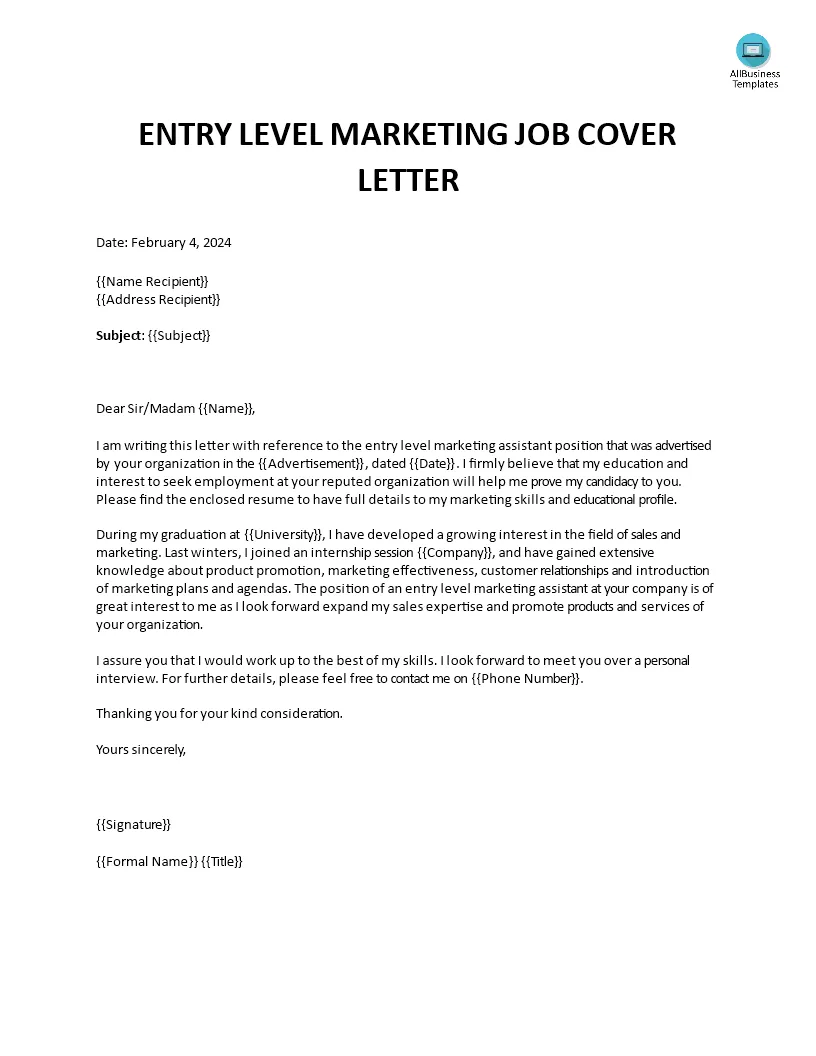
Why Your Entry-Level Cover Letter Matters
In the competitive job market, especially for entry-level positions, a well-crafted cover letter can be your golden ticket to an interview. It’s more than just a formality; it’s your first opportunity to make a positive impression and distinguish yourself from other applicants. This document allows you to provide context to your resume, explaining how your skills and experiences align with the specific requirements of the job. A compelling cover letter demonstrates your enthusiasm and genuine interest, showcasing your personality and communication skills, all of which can significantly increase your chances of landing an interview. In a sea of resumes, a standout cover letter can be the difference between getting noticed and being overlooked.
Understanding the Role of a Cover Letter
A cover letter serves as your personal introduction, providing a snapshot of your qualifications and personality. It goes beyond simply restating your resume; it tells a story, highlighting your relevant experiences and skills while explaining why you’re the perfect fit for the role. Think of it as a marketing tool, where you sell yourself to the hiring manager. It demonstrates your communication skills, your ability to write concisely, and your attention to detail. A strong cover letter shows that you’ve done your research on the company, understand the role’s requirements, and are genuinely interested in the opportunity. By tailoring your letter to each specific job, you demonstrate your commitment and give the hiring manager a compelling reason to delve deeper into your application.
Key Components of a Winning Entry-Level Cover Letter

A successful cover letter is structured clearly and concisely. It includes crucial elements such as your contact information, a formal greeting, a captivating opening paragraph, a compelling middle section highlighting your skills and experiences, a strong closing paragraph, and a professional sign-off. Each component must be carefully crafted to engage the reader and convey the key reasons why you’re an ideal candidate. Your tone should be professional and enthusiastic, reflecting your personality while maintaining the standards of a formal business communication. The language you use should be active and results-oriented, emphasizing your accomplishments and the value you bring to the table. Let’s explore each element in detail to help you craft a cover letter that grabs attention.
Contact Information & Date
Start with your contact information at the top of the letter. This should include your full name, address, phone number, and professional email address. Make sure the email address is appropriate and professional. Following this, include the date, which is the day you’re sending the letter. This immediately lets the hiring manager know when the letter was written. Using a clear and easily readable font ensures your contact details are easily accessible, making it simple for recruiters to reach out to you.
Greeting the Hiring Manager
Always address the hiring manager by name if possible. Research the company and try to find the name of the person who will be reviewing your application. Addressing the letter to a specific person shows that you’ve taken the time to learn about the company and shows initiative. If you can’t find a name, use a professional salutation such as “Dear Hiring Manager” or “Dear [Department Name] Team”. Avoid generic greetings like “To Whom It May Concern” as they can make your application seem impersonal and less engaging.
The Opening Paragraph Hooking the Reader

Your opening paragraph is your first chance to make a strong impression. It should immediately capture the reader’s attention and set the tone for the rest of your letter. Start with a brief and compelling statement that highlights your enthusiasm for the position and the company. State the specific role you’re applying for and how you learned about the opportunity. Consider mentioning a key skill or accomplishment that directly aligns with the job requirements. This establishes a clear connection between your abilities and the needs of the company, encouraging the hiring manager to continue reading.
Highlighting Your Skills & Experiences
The body of your cover letter should showcase your relevant skills and experiences. This is your opportunity to elaborate on the information presented in your resume and explain how your background makes you a great fit for the job. Focus on the skills and experiences that align with the job description, using specific examples to illustrate your abilities. When possible, quantify your accomplishments to demonstrate your impact. Show the hiring manager how your skills and experiences meet their needs.
Showcasing Relevant Skills and Abilities
Identify the key skills and abilities required for the position and then highlight how you’ve demonstrated these skills in your past experiences. Use strong action verbs to describe your achievements. Show, don’t just tell; provide concrete examples. For instance, instead of saying “I am a good communicator,” you might say, “Effectively communicated project updates to cross-functional teams, resulting in the timely completion of projects.” By providing these specific examples, you offer proof of your skills, illustrating your potential value to the company.
Tailoring to the Job Description

Customize your cover letter to match the specific requirements of the job description. Carefully review the job posting and identify the keywords and skills the employer is looking for. Use these keywords throughout your cover letter to demonstrate that you understand what the role entails. Tailoring your letter shows that you’ve put in the effort to understand the position and that you are a serious candidate, increasing your chances of standing out.
Quantifying Your Achievements
Whenever possible, quantify your achievements to demonstrate your impact and provide concrete examples of your successes. Use numbers and data to illustrate your accomplishments. For instance, state, “Increased sales by 15% in six months,” or “Managed a team of five to successfully launch three new products.” By quantifying your achievements, you provide tangible evidence of your capabilities, making your application more compelling and memorable. This also helps hiring managers quickly understand the value you could bring to their company.
Demonstrating Passion and Enthusiasm
Let your enthusiasm and passion for the role and the company shine through. Show that you’re excited about the opportunity and the potential to contribute to their team. Discuss what specifically attracts you to the company or the industry. This could include their mission, values, recent projects, or even something that resonated with you in a recent news article. When you express your interest authentically, it shows the hiring manager that you’re genuinely motivated and committed to the opportunity.
Explaining Your Interest in the Company

Provide specific reasons why you’re interested in the company. Research the company thoroughly to identify what makes it unique and appealing to you. Mention specific projects, values, or initiatives that resonate with you. This shows you’ve done your homework and are not just sending out generic applications. Demonstrating a genuine interest in the company increases your chances of capturing the hiring manager’s attention. Research the company culture, read recent news, and understand their goals to make your interest believable.
The Closing Paragraph Making a Strong Impression
Your closing paragraph should leave a lasting impression on the hiring manager. Reiterate your interest in the position and the company. Summarize your key qualifications and reiterate how you can contribute to their success. It’s your last opportunity to make a positive statement. End with a clear call to action, expressing your eagerness for an interview and thanking the hiring manager for their time and consideration. This shows confidence and professionalism, encouraging the recruiter to take the next step in the process.
Expressing Gratitude and Call to Action
Express your gratitude for the hiring manager’s time and consideration. Thank them for reviewing your application. Following your expression of gratitude, include a clear call to action. State that you are available for an interview and provide your contact information again. You can also mention your availability to discuss the position further. This reinforces your interest and makes it easy for the hiring manager to take the next step, increasing your chances of getting an interview.
Proofreading and Formatting Tips

Carefully proofread and format your cover letter to ensure it is error-free and easy to read. Errors can reflect poorly on your attention to detail and professionalism. Use a clear and readable font, and maintain consistent formatting throughout the document. Ensure that your grammar and spelling are impeccable. Proofread multiple times, and consider asking a friend or family member to review your letter as a second pair of eyes to catch any mistakes. A polished cover letter reflects your diligence and professionalism.
Common Mistakes to Avoid
Avoid common mistakes such as typos, grammatical errors, and generic language. Do not simply restate your resume; instead, provide additional context and highlight your accomplishments. Steer clear of using clichés or overly casual language. Avoid discussing negative aspects of previous jobs or companies. Most importantly, don’t send a generic cover letter. Personalize your letter for each specific job and company to make a strong impression. Proofreading will help prevent a number of these mistakes.
Formatting for Readability
Use a professional font such as Arial, Calibri, or Times New Roman, and ensure the font size is between 10 and 12 points for readability. Maintain consistent spacing and formatting throughout the document. Use clear and concise paragraphs, and make sure that the text is well-organized with clear headings and subheadings. This makes the cover letter easier to read and digest, helping the hiring manager quickly grasp your key qualifications and why you’re a good fit. A well-formatted cover letter shows respect for the reader’s time.
Final Review Checklist
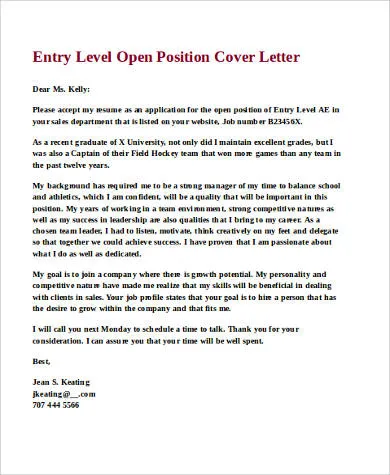
Before submitting your cover letter, use a final checklist to ensure that everything is perfect. Verify that your contact information is accurate and up-to-date. Confirm that you’ve addressed the letter to the correct person or department. Make sure your opening paragraph is engaging and grabs the reader’s attention. Confirm that your skills and experiences align with the job description. Quantify your accomplishments and provide specific examples. Show that you’ve done your research on the company and that you are genuinely interested in the opportunity. Proofread for any errors. This final review helps ensure that your cover letter is polished, professional, and ready to impress the hiring manager. Remember, every detail counts, so take the time to do it right.