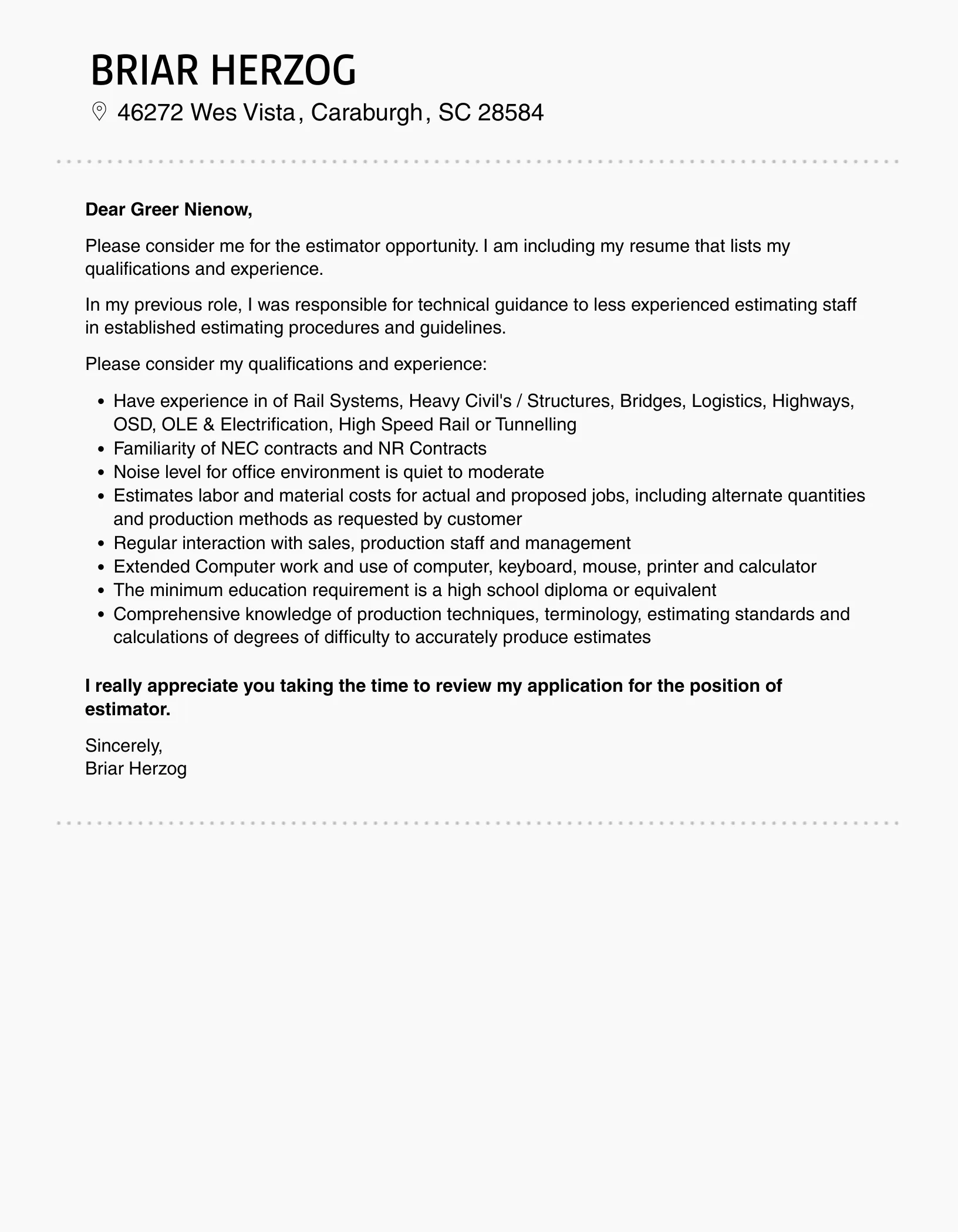
Crafting a Winning Estimate Cover Letter
A well-crafted estimate cover letter is not merely a formality; it’s a crucial tool in securing projects and building strong client relationships. It serves as your first formal communication, setting the tone for the entire project. A compelling cover letter goes beyond just presenting numbers; it showcases your professionalism, expertise, and understanding of the client’s needs. By taking the time to create a killer estimate cover letter, you significantly increase your chances of winning the bid and starting a successful collaboration. This guide will provide you with a comprehensive understanding of how to create such a letter, ensuring you stand out from the competition and make a lasting impression on potential clients. The right cover letter can transform a simple estimate into a persuasive proposal, demonstrating your value and commitment to the project.
Understanding the Purpose of an Estimate Cover Letter
The primary purpose of an estimate cover letter is to introduce your estimate, providing context and emphasizing its key aspects. It’s a bridge between your detailed pricing and the client’s understanding of your services. It should clarify what the estimate includes, what it doesn’t, and any assumptions made. A well-written cover letter makes your estimate easier to understand, reduces potential misunderstandings, and presents your business in the best possible light. Think of it as your personal sales pitch accompanying your proposal. It allows you to highlight your value proposition, explain your approach, and address any potential client concerns proactively. The cover letter provides an opportunity to personalize your communication, making it clear that you’ve tailored your services to the client’s specific needs.
Why You Need an Estimate Cover Letter

Without an estimate cover letter, your proposal might seem impersonal and incomplete. It’s the perfect way to contextualize your offer, ensuring the client comprehends the value and benefits of your services. It also helps you to establish rapport with your client, which is especially important if you have not interacted previously. A cover letter offers a chance to reinforce your brand image and communicate your expertise. Including a cover letter immediately sets you apart, showing the client that you are attentive to detail and committed to providing a professional service. It also makes your proposal much more accessible and user-friendly. The absence of a cover letter may cause clients to assume that you are not committed to the project or are struggling to meet their expectations. This makes a cover letter an important aspect of the project.
Key Elements of a Killer Estimate Cover Letter
Your Contact Information and the Date
Begin your cover letter by clearly stating your contact information, including your name, company name, address, phone number, and email address. This information ensures that the client can easily reach you with questions or to accept your proposal. Also, include the date the letter was written; this is a standard business practice that adds professionalism and helps in record-keeping. Make sure the date is formatted correctly and matches your other proposal documents. Ensure all details are accurate and up-to-date; any error here reflects poorly on your attention to detail and can impact the client’s confidence in your services. Consistency in formatting and presentation across all documents is key to projecting a professional image.
Client’s Information and Project Overview

Address the client by name and clearly reference the project for which you are submitting the estimate. If you discussed the project beforehand, briefly reiterate the scope and the client’s needs to demonstrate that you understand their requirements. Referencing any previous conversations or meetings helps to personalize the letter. This section also allows you to demonstrate how you intend to meet the client’s needs. Be specific, mentioning the project name, reference number, or any details that the client provided. This detail shows that you have taken the time to understand the project. Starting your letter with this focused information sets the stage for a productive conversation, reinforcing your commitment to the project. The client will then immediately see that the proposal is tailored to their specific requirements.
The Importance of a Strong Opening
The opening paragraph is crucial. It sets the tone for your entire letter and influences the client’s initial impression. Start with a compelling statement that grabs their attention, such as expressing enthusiasm for the project or acknowledging a specific client need. You could also briefly summarize your understanding of the project and highlight the benefits of working with you. Avoid generic openings. Instead, personalize your message to reflect the client and the project. A strong opening demonstrates your proactive approach and your commitment to delivering value. Your goal is to make the client want to read the rest of the letter and the estimate. Therefore, a well-crafted opening can significantly increase your chances of winning the bid. Make sure to highlight what makes you unique and why the client should choose you.
Highlighting Your Expertise and Value
In the body of your letter, emphasize your expertise and the value you bring to the project. Briefly describe your qualifications, relevant experience, and any unique selling points that set you apart from competitors. Explain how your services address the client’s needs and contribute to their success. Use concise and clear language, focusing on benefits rather than just features. For example, instead of saying, “We offer comprehensive design services,” say, “Our design services will enhance your brand’s visibility and attract your target audience.” Back up your claims with examples, testimonials, or case studies if possible. Showing, not just telling, builds trust and credibility with the client. This demonstrates a deep understanding of their needs and highlights your ability to deliver results.
Detailed Breakdown of the Estimate

Provide a concise summary of the estimate, outlining the key components and costs. Don’t just repeat the numbers from the attached document; instead, interpret them. Explain what the client is getting for their investment. Clearly state the total cost and break it down into understandable parts, such as labor, materials, and other expenses. Mention any additional costs, fees, or potential extras. Make sure to clarify any assumptions or conditions that may affect the final price. For example, if the price is based on a certain scope of work, state it. The goal is to ensure there are no surprises later. Make sure the estimate is transparent. This helps the client understand exactly where their money is going, which builds trust and confidence in your services.
Payment Terms and Conditions
Clearly state your payment terms and conditions, including accepted payment methods, payment schedules, and late payment penalties. Being upfront about this prevents any misunderstandings. Specify the payment schedule (e.g., upfront deposit, milestones, final payment) and the amount due at each stage. Make it easy for the client to understand how and when they should pay. If you offer flexible payment options, mention them here. Include a clause about project changes or revisions and the associated costs. Include any warranties or guarantees offered with your services. Also, include your cancellation policy. Being transparent and detailed in your payment terms builds trust and ensures that both parties are on the same page. This reduces the possibility of disputes and protects your business.
Call to Action and Closing
End your letter with a clear call to action, telling the client what you want them to do next. This could be a request for a meeting, a call to discuss the estimate, or a deadline for accepting your proposal. Make it easy for the client to take the desired action. Provide your contact information again. Express your gratitude for the opportunity to submit the estimate and reiterate your interest in the project. A professional closing, such as “Sincerely” or “Best regards,” followed by your name and title, adds the finishing touch. Proofread your letter one last time to avoid any errors. A strong call to action encourages the client to move forward, increasing your chances of securing the project. Remember to thank the client for their time and consideration.
Formatting and Presentation for Impact

Choosing the Right Tone
The tone of your estimate cover letter should be professional, yet approachable. It should reflect your brand’s personality and the nature of the project. For formal projects, maintain a business-like tone. For creative or collaborative projects, you can use a slightly more informal and engaging tone. Avoid jargon or overly technical language unless you are confident that the client understands it. Always tailor your language to the client and the project. Make sure the tone is consistent throughout the letter. The right tone establishes a positive impression of your company. Avoid being overly aggressive or demanding. Focus on building a relationship with the client, rather than just making a sale. Always maintain a balance between professionalism and approachability to create a compelling and effective cover letter.
Proofreading and Editing Meticulously
Errors in your estimate cover letter can undermine your credibility and make your business look unprofessional. Thoroughly proofread and edit your letter before sending it. Check for grammatical errors, spelling mistakes, and typos. Ensure that all numbers and dates are correct. Verify that the client’s information is accurate. Read your letter aloud to check for awkward phrasing or confusing sentences. Consider asking a colleague to review your letter for a second opinion. Proofreading is not just about catching mistakes; it’s also about ensuring that your message is clear and persuasive. Pay attention to the formatting, ensuring it is consistent and easy to read. A polished and error-free letter demonstrates your attention to detail and commitment to quality, which is crucial for winning the bid.
Best Practices for Different Industries

Construction and Trades
For construction and trades, your estimate cover letter should be highly detailed and specific. Include a clear scope of work, materials, and labor costs. Break down the costs item by item to ensure transparency. Clearly outline any assumptions and conditions. Highlight your experience in similar projects and any certifications or licenses. Include any guarantees or warranties you offer, as this reassures the client of the quality of your work. Mention any project timelines and anticipated start and completion dates. For construction projects, demonstrating your understanding of local regulations and codes is also essential. Use industry-specific language and terminology, but ensure that the client understands the content. Attach any supporting documents, like permits or insurance certificates. The best cover letter will highlight your reliability and competence, which is critical in securing construction contracts.
Consulting Services
Consulting services require a cover letter that highlights your strategic approach and the value of your expertise. Clearly state the problem you are addressing and the proposed solution. Outline the specific deliverables and how they will contribute to the client’s goals. Emphasize your methodology and the steps you will take to achieve the desired outcomes. Provide details about your team and their relevant experience. Include case studies or testimonials demonstrating your success in similar projects. Clearly explain the pricing structure, including hourly rates, project fees, and any other costs. Mention the expected timeline and any milestones. In the cover letter, be sure to emphasize the benefits the client will gain. Highlight your ability to solve their problems and improve their performance. A compelling cover letter for consulting services should be focused on the value you deliver, demonstrating a clear understanding of their needs.
Marketing and Design

For marketing and design projects, your cover letter should showcase your creativity and your ability to generate results. Use compelling language and an engaging tone to grab the client’s attention. Start by outlining the client’s goals and how your proposed services will help achieve them. Present your design concept or marketing strategy in a clear and visually appealing manner. Include examples of your previous work, such as a portfolio of your best designs or successful marketing campaigns. Explain the key strategies and tactics you will implement, such as SEO, social media, and content marketing. Detail the deliverables, such as logos, websites, or marketing materials. Clearly outline the project’s timeline and any key milestones. Include testimonials from satisfied clients. It is crucial to include clear pricing and a breakdown of services. Your letter should leave the client feeling excited and confident about your ability to deliver outstanding results.