The Importance of a Cover Letter
In the competitive landscape of job applications, a well-crafted cover letter is your key to making a stellar first impression. It is often the first document a hiring manager sees, providing an opportunity to present yourself in a compelling way that goes beyond the information in your resume. A cover letter is not just a formality it is a critical tool that allows you to showcase your personality, communicate your passion for the role, and highlight your relevant skills and experience. The importance of a cover letter cannot be overstated; it sets the stage for the rest of your application and can significantly increase your chances of getting an interview. Investing time and effort into crafting a strong cover letter is a strategic move that can make all the difference in your job search.
Why a Cover Letter Matters
A cover letter serves multiple crucial purposes in the job application process. Firstly, it allows you to provide context to your resume. While your resume offers a concise overview of your qualifications, your cover letter enables you to explain how your skills and experiences align with the specific requirements of the job. It’s your chance to connect the dots for the hiring manager, demonstrating why you are the perfect fit. Secondly, a cover letter lets you demonstrate your communication skills. How you write and structure your letter reflects your professionalism, attention to detail, and ability to articulate your thoughts clearly. Lastly, a compelling cover letter shows your genuine interest in the role and the company. By tailoring your letter to each application, you communicate that you are not just sending out a generic resume but are specifically targeting the opportunity.
First Impression The Role of a Cover Letter

Your cover letter is, in many ways, your first and possibly only opportunity to make a positive impression on a potential employer. It is your chance to capture their attention and entice them to read your resume. A strong opening, highlighting your most relevant qualifications and expressing enthusiasm for the position, immediately grabs their interest. This initial impression sets the tone for the rest of the application process. If your cover letter is well-written, engaging, and tailored to the job, it signals that you are a serious candidate who has taken the time to understand the role and the company. Conversely, a poorly written or generic cover letter can lead to immediate rejection, regardless of the strength of your resume. Therefore, ensuring your cover letter is polished, professional, and tailored is essential for making a positive first impression.
Top 5 Cover Letter Tips
Crafting an effective cover letter can be challenging, but following these top 5 tips will significantly improve your chances of success. These tips are designed to help you create a cover letter that not only gets noticed but also effectively showcases your qualifications and personality.
Highlight Your Skills and Experience
One of the most critical aspects of a cover letter is highlighting your relevant skills and experience. Instead of simply restating what’s on your resume, use the cover letter to elaborate on your accomplishments and explain how your skills align with the job requirements. Provide specific examples of how you have used your skills to achieve results in previous roles. Quantify your achievements whenever possible, using numbers and data to demonstrate the impact you have made. This approach not only validates your qualifications but also provides concrete evidence of your ability to perform the job effectively. By focusing on the skills and experiences that are most relevant to the position, you can immediately capture the attention of the hiring manager and increase your chances of getting an interview.
Tailor Your Letter to Each Job

Generic cover letters are easily identifiable and often result in rejection. To make your cover letter stand out, tailor it to each specific job application. Carefully review the job description and identify the key skills, qualifications, and experiences the employer is seeking. Then, adjust your cover letter to reflect how you meet those requirements. Customize your letter to showcase the relevant skills, experiences, and achievements that align with the job’s needs. Mention the company by name, demonstrate your knowledge of their work, and explain why you are specifically interested in the role and the company. This demonstrates that you have taken the time to understand the opportunity and are genuinely interested in the position. Tailoring your cover letter is a sign of your attention to detail and genuine interest, which can significantly enhance your application.
Showcase Your Enthusiasm
Expressing enthusiasm for the role and the company is crucial for making a positive impression. Your cover letter should convey your excitement about the opportunity and your desire to contribute to the organization’s success. Explain why you are interested in the specific job, what aspects of the role appeal to you, and what you hope to achieve in the position. Show that you have researched the company and understand their mission, values, and recent projects. You can do this by mentioning specific initiatives or achievements that resonate with you. Demonstrate your enthusiasm not only through your words but also through your tone and writing style. A passionate and engaging cover letter can capture the hiring manager’s attention and make you a more memorable candidate.
Use a Professional Tone
Maintaining a professional tone throughout your cover letter is essential for conveying credibility and respect. Use formal language, avoid slang, and ensure your writing is clear, concise, and well-organized. Your cover letter should reflect your professionalism, attention to detail, and strong communication skills. This means avoiding any grammatical errors, spelling mistakes, or typos. Use a professional email address and a standard font, such as Times New Roman or Arial, to ensure your letter is easy to read. Avoid overly casual or informal language, and maintain a respectful and positive attitude throughout your letter. A professional tone will make you appear more polished and reliable, and will make the hiring manager feel that you are the right fit.
Proofread and Edit Carefully

Before submitting your cover letter, take the time to proofread and edit it meticulously. Even minor errors can undermine your credibility and make you appear careless. Check for grammatical errors, spelling mistakes, and typos, and ensure your sentences are clear, concise, and well-structured. It is advisable to read the letter multiple times, or better yet, have someone else review it. Ask a friend, family member, or career advisor to proofread your cover letter for you. A fresh pair of eyes can often catch errors that you might have missed. Pay attention to the overall flow of your letter. Proofreading will increase the quality of your application.
Formatting Your Cover Letter
The format of your cover letter plays a significant role in how it is perceived. Proper formatting enhances readability and professionalism. Poor formatting can lead to an unfavorable first impression. By adhering to standard formatting guidelines, you can ensure your cover letter looks polished and is easy to navigate.
Choosing the Right Font and Size
Selecting an appropriate font and size is crucial for ensuring your cover letter is easy to read. The font should be professional, clear, and legible. Avoid using overly stylized or unusual fonts, which can be distracting. Standard fonts like Times New Roman, Arial, or Calibri are generally recommended. The font size should be between 10 and 12 points to ensure readability. Using a size that is too small makes it difficult to read, while a font that is too large appears unprofessional. Maintain consistency in your font and size throughout your cover letter, including the heading, body text, and any other elements.
Structuring Your Letter

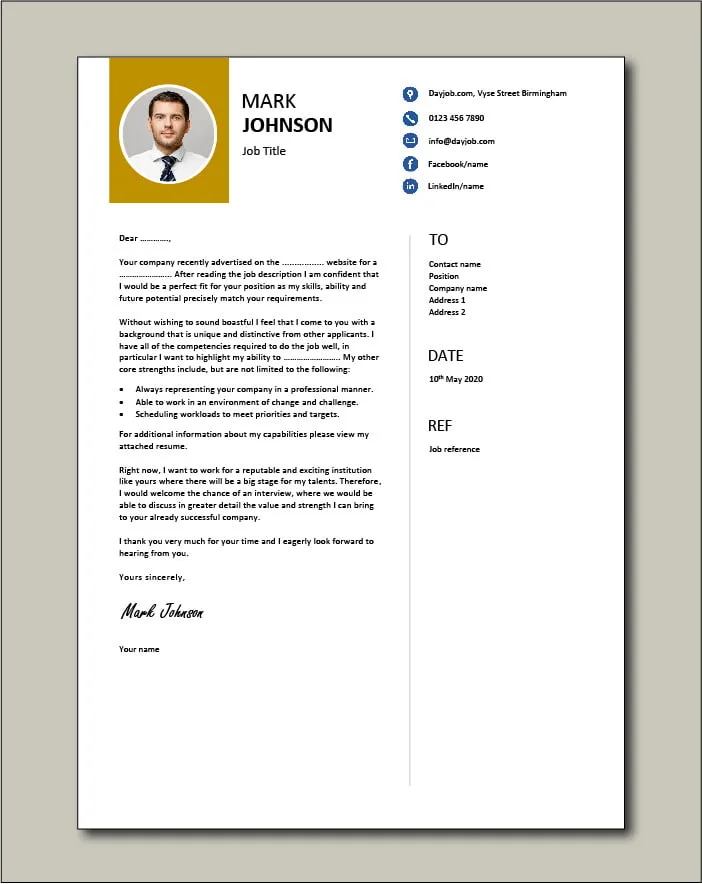
The structure of your cover letter should follow a logical and organized format. Begin with your contact information, the date, and the recipient’s details. Then, use a clear and concise opening paragraph that states the position you are applying for and where you found the job posting. The body of your letter should highlight your relevant skills and experiences, providing specific examples to support your claims. Tailor this section to align with the job description. Include a closing paragraph that reiterates your interest in the position and expresses your gratitude for the reader’s time and consideration. Use clear and concise language, and keep paragraphs brief and focused. Proper structuring improves the readability of your cover letter and helps the hiring manager quickly find the information they need.
Cover Letter Examples
Reviewing cover letter examples can provide valuable insights into how to write an effective letter. Different examples cater to specific industries and job types, so it is important to select examples that align with your needs.
General Cover Letter Example
A general cover letter example can be used as a starting point for creating your own cover letter. This type of cover letter is suitable for various job applications and provides a basic template. It typically includes an introduction stating the position you are applying for, a body section highlighting your skills and experiences, and a conclusion summarizing your interest in the job. Modify the general example with your information, customizing it to suit your specific situation. Ensure that the tone is professional and that the letter is free of grammatical errors. Review several different examples to see the different approaches you can take. Customize the format to match your personal style, but keep it consistent with the tips and guidelines that apply to any effective cover letter.
Example for Specific Industry

Specific industry cover letters are tailored to the requirements of particular industries. For example, a cover letter for a marketing role will differ significantly from one for a software engineering position. When looking for specific examples, research and select samples from your area of interest. For instance, examples for the creative field, such as graphic design or writing, showcase creativity and storytelling, while those for tech roles emphasize technical skills and problem-solving abilities. Tailor these examples by highlighting your unique strengths, skills, and accomplishments that match the job requirements. By using a specific example, you will be able to showcase the right tone and keywords to connect with your audience.
Cover Letter Mistakes to Avoid
Avoiding common cover letter mistakes can significantly improve your chances of getting an interview. Be aware of the pitfalls to ensure your cover letter presents you in the best possible light.
Common Errors
Several common errors can undermine your cover letter. These include grammatical errors, spelling mistakes, and typos. These errors can make you appear careless and unprofessional. Avoid these mistakes by carefully proofreading and editing your cover letter before submitting it. Ensure you use correct grammar, punctuation, and sentence structure. Also, avoid using clichés or overly casual language. Ensure your letter is tailored to the specific job and company and that it does not contain any irrelevant information.
Tips to Improve Your Letter

Improving your cover letter involves several key strategies. First, always customize your letter to each job, emphasizing how your skills and experiences align with the job requirements. Use the keywords from the job description to demonstrate that you meet the employer’s needs. Showcase your achievements, using specific examples and quantifying your results whenever possible. Make sure your writing is clear, concise, and well-organized. Keep your language professional and enthusiastic. Proofread carefully for any errors and consider having someone else review your letter for a second opinion. By focusing on these areas, you will be able to write a cover letter that grabs the hiring manager’s attention and highlights your qualifications.