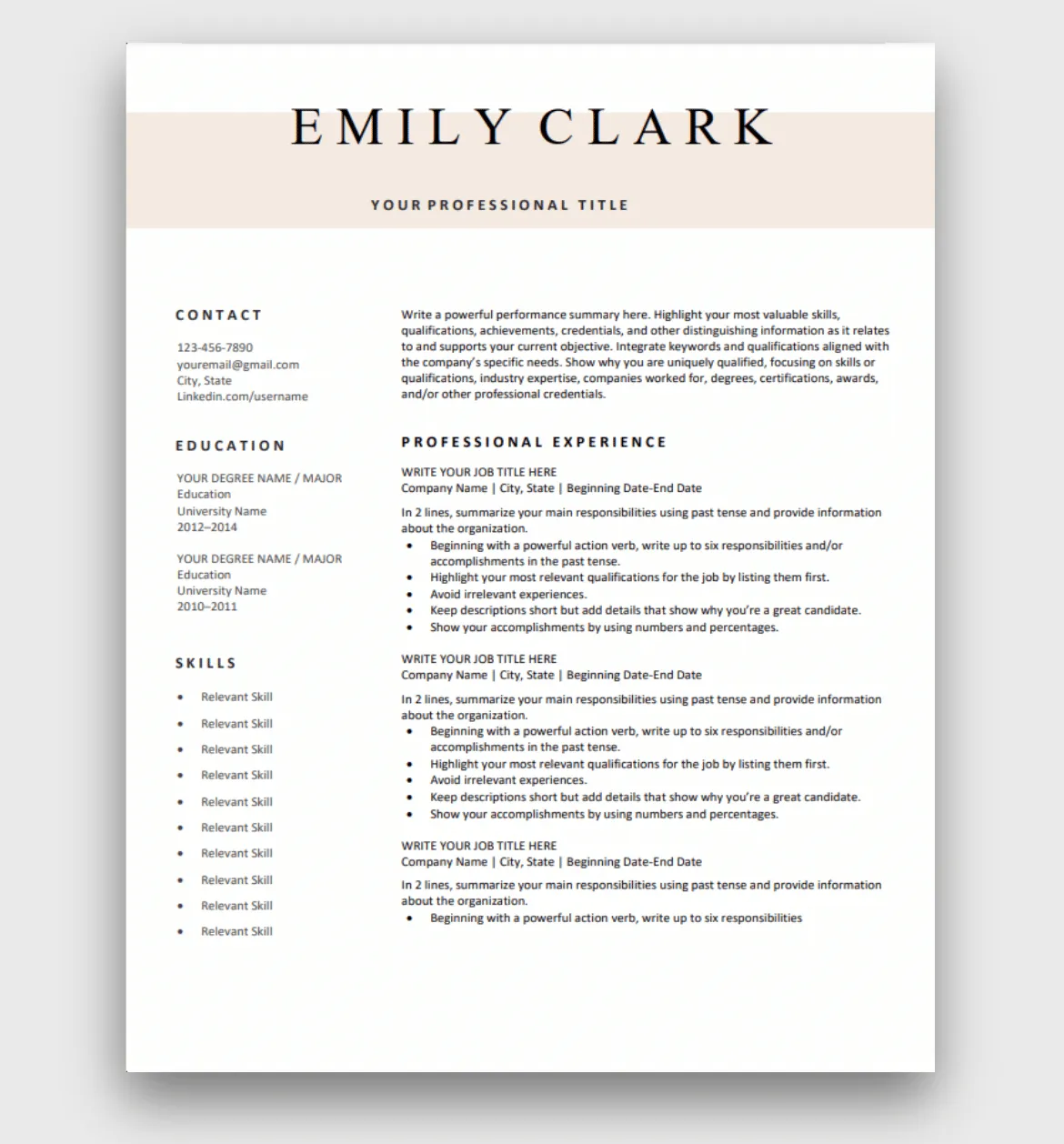
What are Cover Letter Templates and Why Use Them
In the competitive landscape of job applications, a well-crafted cover letter can significantly increase your chances of landing an interview. Cover letter templates provide a pre-designed framework, offering a structured approach to presenting your qualifications, experience, and skills. They act as a starting point, streamlining the writing process and ensuring you include all the necessary elements to make a strong impression on potential employers. By using a template, you save valuable time and energy, allowing you to focus on tailoring the content to match the specific requirements of each job application. Furthermore, templates often incorporate professional design elements, enhancing the overall presentation of your letter and demonstrating attention to detail.
Benefits of Using Cover Letter Templates
The advantages of utilizing cover letter templates are numerous, making them an invaluable resource for job seekers. Firstly, templates offer efficiency by providing a ready-made structure, saving you the time and effort of starting from scratch. Secondly, they ensure completeness by guiding you to include all essential components of a compelling cover letter, such as a personalized introduction, detailed explanation of skills and experiences, and a clear call to action. Thirdly, templates often incorporate professional design elements, enhancing the visual appeal of your letter and making it more readable. They also help maintain consistency across your application materials, contributing to a polished and professional presentation. Finally, templates act as inspiration, offering various styles and formats to choose from, enabling you to customize your cover letter to suit your individual needs and the specific requirements of each job application.
Where to Find Free Cover Letter Templates

Fortunately, a plethora of resources offer free cover letter templates, providing job seekers with accessible tools to create professional-looking documents. Many platforms, including Microsoft Word, Google Docs, and numerous online websites, offer a wide variety of templates, catering to different industries, experience levels, and design preferences. When searching for templates, consider the specific needs of your job search. Some templates are tailored for entry-level positions, while others are designed for mid-career professionals or executive roles. Evaluate the design and layout to ensure it aligns with your personal brand and the style of the companies you are applying to. Ensure that the templates are easily editable, allowing you to customize them with your own information, skills, and accomplishments. Remember to choose templates that are compatible with your preferred word processing software to ensure a smooth editing process.
Finding Templates on Microsoft Word
Microsoft Word is a powerful tool for creating and editing documents. The program has many pre-designed cover letter templates. To find them, open Microsoft Word, click on “New” and type “cover letter” in the search bar. You’ll see a range of templates, often organized by style or purpose. Select a template that suits your needs, then customize the content, including your name, contact information, and the details relevant to the job application. Word allows you to modify the layout, fonts, and colors to match your personal brand or the aesthetic of the company you are applying to. Be sure to save the final document in a commonly accepted format such as .docx or .pdf for easy sharing.
Utilizing Google Docs for Templates
Google Docs is a web-based word processor that provides a convenient platform for creating cover letters. To access templates, log into your Google account and open Google Docs. Click on “Template gallery” and scroll through the available options. Google Docs provides a variety of cover letter templates, with different design elements and layouts. Select a template and start customizing it by filling in your details, including your contact information, relevant skills, and experiences. Google Docs makes it easy to collaborate with others, allowing you to share the document and get feedback. The templates are easily editable, and you can adjust the fonts, colors, and layout to suit your needs. Once you’re done, you can download the file in different formats, such as .docx or .pdf, which makes sharing your cover letter simple.
Exploring Online Template Resources

The internet hosts an extensive range of websites offering cover letter templates. Websites specializing in job search resources often provide a diverse collection of free templates that cater to different professions and experience levels. Some platforms offer customizable templates that can be edited directly online or downloaded in various formats. When exploring online resources, prioritize websites that provide well-designed, professional-looking templates. Carefully review the template options to ensure they align with your desired tone and style. Always tailor the content to reflect your specific skills and the requirements of the job. Remember to customize the template with your personal brand and the specific requirements of the job application.
Customizing Your Chosen Template
Once you’ve chosen a template, customization is key to making it your own. Start by replacing the placeholder text with your information, ensuring accuracy and clarity. Tailor the content to reflect your specific skills, experiences, and the requirements of the job. Adjust the layout, fonts, and colors to match your personal brand or the company’s aesthetic. Personalize the content by mentioning the company’s name, the specific job title, and highlighting your key accomplishments. Include keywords from the job description to demonstrate your understanding of the role and show your qualifications. Always proofread your cover letter carefully for any grammatical errors or typos. Make sure to save your customized template, preferably in a PDF format for ease of sharing and to preserve the formatting.
Key Elements of a Cover Letter
A compelling cover letter should include several key elements that capture the reader’s attention and showcase your qualifications. Start with a personalized introduction, clearly stating the position you’re applying for and where you found the job posting. The body paragraphs should highlight your relevant skills and experiences, providing concrete examples of how you’ve achieved success in past roles. Use keywords from the job description to demonstrate your understanding of the role. Emphasize your unique value proposition – what sets you apart from other applicants. End with a strong call to action, expressing your interest in an interview and your willingness to discuss your qualifications further. Include your contact information, such as your phone number and email address, for easy communication.
Formatting Your Cover Letter

Formatting plays an essential role in the readability and professionalism of your cover letter. Use a clean, easy-to-read font, such as Arial or Times New Roman, with a font size between 10 and 12 points. Keep the letter concise, aiming for one page in length. Use clear and concise language, avoiding jargon and overly complex sentences. Break up large blocks of text with short paragraphs and bullet points to make it easier to scan. Ensure consistent formatting throughout the document, including margins, spacing, and alignment. Properly address the recipient by name if possible. Consider using a professional-looking template to enhance the overall presentation. Carefully review the formatting to ensure your cover letter looks polished and professional.
Essential Tips for a Compelling Cover Letter
To create a compelling cover letter, focus on these essential tips. Tailor your letter to each specific job, highlighting the skills and experiences most relevant to the role. Demonstrate your understanding of the company and the industry. Quantify your accomplishments whenever possible, using numbers and data to demonstrate the impact of your work. Maintain a professional tone throughout the letter, avoiding slang or casual language. Proofread carefully for any errors in grammar or spelling. Get feedback from trusted friends or mentors to ensure your letter is clear, concise, and persuasive. Express enthusiasm for the position and company, and make it clear why you are a good fit. Proofread one more time before submitting it.
Proofreading and Editing Your Cover Letter
Proofreading is a crucial step in ensuring your cover letter is polished and professional. Errors in grammar, spelling, and punctuation can detract from your credibility and make a negative impression. After writing your cover letter, set it aside for a few hours or overnight, allowing you to approach it with fresh eyes. Read the letter carefully, looking for any mistakes. Use a spell checker and grammar checker, but remember that these tools are not foolproof. Read the letter aloud to catch any awkward phrasing or run-on sentences. Ask a friend, family member, or career counselor to review your cover letter for clarity and accuracy. Make all necessary corrections and save the final version before submitting your application. Double-check the contact information for any typos.
How to Tailor Your Cover Letter to Specific Jobs

Tailoring your cover letter to each specific job is essential for demonstrating your genuine interest and suitability for the role. Review the job description carefully, identifying the key skills, experiences, and qualifications the employer is seeking. Customize your cover letter to highlight the skills and experiences most relevant to the job requirements. Use keywords from the job description throughout your letter. Provide specific examples of how you have demonstrated those skills in your past roles. Research the company and the industry, and mention specific aspects of their work that interest you. Show how your goals align with the company’s goals. By tailoring your letter, you demonstrate to the hiring manager that you have taken the time to understand the role and are a strong fit for the position.
Using Keywords in Your Cover Letter
Incorporating keywords from the job description into your cover letter is a strategic way to increase your chances of getting noticed. Applicant Tracking Systems (ATS) often scan cover letters and resumes for keywords, and if your application doesn’t contain the right words, it may be automatically rejected. Carefully review the job description, identifying the most important skills, qualifications, and responsibilities. Use these keywords naturally and strategically throughout your cover letter, including in the introduction, body paragraphs, and conclusion. Avoid keyword stuffing, which can make your letter sound unnatural and unprofessional. Instead, weave the keywords into your sentences and paragraphs. Use the keywords to describe your skills, experiences, and accomplishments. Regularly check the application before submitting, making sure that all relevant keywords are used effectively.
Cover Letter Template Examples and Variations
Different cover letter templates suit various situations and job types. For entry-level positions, a template highlighting relevant coursework, internships, and extracurricular activities may be best. For mid-career professionals, templates that emphasize career progression and accomplishments are effective. Executive-level templates often focus on leadership experience, strategic planning, and significant achievements. Some templates are designed for specific industries, such as the tech industry, which requires more focus on technical skills. Consider your industry, experience level, and desired tone when selecting a template. Choose a format that allows you to effectively showcase your skills and achievements. Examples include a traditional format, a modern format, or a more creative design. It’s important to select a template that will capture the attention of the hiring manager.
Template for Entry-Level Positions

For entry-level positions, templates should emphasize education, internships, and any relevant projects or volunteer work. The focus should be on demonstrating a strong foundation of skills and potential. Highlight any coursework or projects that align with the job requirements. Describe your accomplishments in past internships or volunteer roles, quantifying your achievements whenever possible. Use a professional tone, and express enthusiasm for the opportunity to learn and grow within the company. Consider using a template that is clean and concise, making it easy for the hiring manager to quickly assess your qualifications. Include any relevant skills, such as software proficiency or language skills. Demonstrate your willingness to learn and contribute to the company’s success.
Template for Mid-Career Professionals
Templates for mid-career professionals should showcase career progression, accomplishments, and a proven track record of success. Focus on quantifying your achievements, using numbers and data to illustrate your impact in previous roles. Highlight your leadership experience, project management skills, and any significant contributions to previous employers. Choose a template that reflects your professional experience, such as a more sophisticated or executive-level design. Use keywords from the job description to emphasize your qualifications. Provide specific examples of how you have solved problems, improved processes, or achieved significant results. Demonstrate your ability to take initiative, manage projects, and lead teams. Emphasize your ability to create a positive impact on the company.
Template for Executive-Level Roles
Executive-level cover letter templates should emphasize leadership experience, strategic planning, and significant achievements. Use a professional, high-impact design that reflects your experience. Focus on showcasing your ability to drive results, manage teams, and create a positive impact on the organization. Provide specific examples of how you have transformed organizations, improved profitability, or led successful initiatives. Include your key accomplishments, such as increasing revenue, improving efficiency, or leading successful teams. Demonstrate your understanding of the company’s goals and how your skills align with their needs. Highlight your leadership skills, strategic planning abilities, and executive presence. Use a template that allows you to effectively showcase your achievements and experience.
Common Mistakes to Avoid

Avoid these common mistakes when writing your cover letter. Never use generic language, and instead, customize your letter to each specific job. Don’t make spelling or grammatical errors. Avoid overly long or rambling paragraphs. Don’t repeat information that’s already in your resume. Avoid using a generic greeting, such as “To Whom It May Concern,” and instead, research the hiring manager’s name and address them directly. Don’t use clichés or phrases. Never lie or exaggerate your qualifications. Always keep your cover letter concise, professional, and tailored to the specific job. Lastly, always proofread your cover letter before submitting it.
Frequently Asked Questions
Can I use the same template for every job application
While a template provides a good starting point, avoid using the same template for every job application. The most effective cover letters are tailored to each specific job. Customize the template by highlighting the skills and experiences most relevant to the requirements of the job description. Replace the general information with details that align with the specific role and company. Make sure the tone and style of your cover letter match the company culture. Showing your adaptability and attention to detail is essential for making a strong impression. Customize each application to the job for the best results.
How important is the design of my cover letter

The design of your cover letter is important, but the content is paramount. Choose a template with a clean, professional design that is easy to read. Ensure the layout is visually appealing and reflects your personal brand. The design should enhance, not distract from, the content of your letter. Focus on clear formatting, including appropriate fonts, spacing, and margins. Make the letter as easy to read as possible by using short paragraphs, bullet points, and subheadings to break up the text. A well-designed cover letter shows attention to detail and professionalism, which can boost your overall application.
Are there specific templates for different industries
Yes, there are specific templates for different industries. Consider the tone, style, and keywords used in the templates to suit your field. Some industries may value a more creative or modern design, while others prefer a more traditional approach. Templates geared toward specific industries can help you highlight relevant skills and experiences. For example, a tech industry template might focus on technical skills. Always customize the template to match the specific requirements of each job and the culture of the company you are applying to. Tailor your cover letter to meet the specific needs of your industry for the best results.