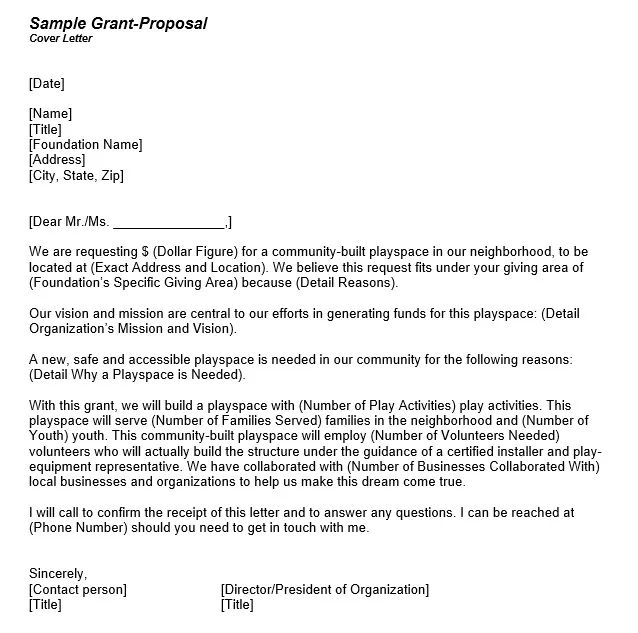
What is a Grant Proposal Cover Letter
A grant proposal cover letter serves as the introduction to your complete grant proposal. Think of it as your first, and sometimes only, chance to make a positive impression on the grant-making organization. It’s a formal document that accompanies your full proposal, setting the tone and providing a concise overview of your project. This letter is a critical part of the application package and often influences the reviewers’ initial perception of your project. It’s a condensed version of the key elements of the proposal, designed to capture the reader’s attention quickly. It’s not merely a formality, but a strategic tool that can significantly boost your chances of securing funding. By crafting a compelling cover letter, you demonstrate professionalism, clarity, and a genuine understanding of the funder’s priorities.
Why a Cover Letter Matters
A well-written grant proposal cover letter is important because it sets the tone for the entire proposal. It can capture the attention of the reviewers and encourages them to read further. It provides a concise overview of the project’s objectives, its alignment with the funder’s mission, and the benefits the project will deliver. A strong cover letter also shows respect for the funder’s time and demonstrates your organization’s professionalism. It allows you to connect with the funder on a personal level, showcasing your organization’s values and mission. It can be the difference between your proposal being considered seriously or being overlooked. Failing to write one can make your organization look unprofessional and could result in instant rejection of the proposal.
Key Elements of a Successful Cover Letter

A successful grant proposal cover letter should include specific elements to capture the reader’s interest and demonstrate your project’s value. It should be concise, persuasive, and tailored to the specific grant opportunity. Key elements should include the recipient’s name and title, a compelling summary of the project, a brief overview of your organization’s qualifications, and a clear call to action. The letter needs to be well-organized, with a clear introduction, body, and conclusion. The language used should be professional, enthusiastic, and free of jargon. Highlighting the project’s significance, your organization’s capabilities, and a genuine expression of gratitude are important aspects.
Contact Information & Salutation
Start with accurate contact information for both your organization and the grant-making organization. Ensure the recipient’s name and title are correct; this shows attention to detail and respect. Use a formal salutation, such as “Dear Mr./Ms./Dr. [Last Name],” if you know the recipient’s name. If the name is unknown, use a general greeting like “Dear Grant Committee.” This sets a tone of professionalism from the start. Verifying the correct contact details prevents any miscommunications or delays in the review process. It also emphasizes your commitment to the proposal. Always double-check the guidelines to make sure you are addressing it to the correct person to improve the odds.
State Your Purpose & Introduce Yourself
Clearly state the purpose of the letter and the specific grant for which you are applying in the opening paragraph. Introduce your organization and its mission. Provide a brief overview of who you are and the work you do to establish credibility and set the context for your proposal. Immediately state that you are applying for funding and the name of the project or program for which you are seeking support. This quickly informs the reviewer of the letter’s purpose and ensures clarity. The introduction should be clear, concise, and immediately grab the reader’s attention. Showcasing the mission of your organization and aligning it with the grant’s objectives increases the likelihood of being chosen.
Highlight Your Project’s Significance

In the body of your cover letter, clearly outline the project’s goals and objectives, emphasizing their importance and how they address a specific need. Briefly describe the project’s activities and expected outcomes. Explain how your project aligns with the funder’s mission and priorities. Highlight the potential impact of your project and the benefits it will bring to the target population or community. Quantify your impact by using data and statistics whenever possible to support your claims. Show how this project will benefit your target community by providing data and the specifics of your impact. This will improve the proposal and grab the attention of the reviewer.
Summarize Your Organization’s Capabilities
Briefly highlight your organization’s relevant experience, expertise, and accomplishments. Emphasize your past successes and how they demonstrate your ability to successfully implement the proposed project. Mention any unique qualifications or resources that make your organization well-suited for this project. Show the strengths your team brings to the proposal. By emphasizing your organization’s capabilities, you build trust and reassure the funder that you have the resources and skills to carry out the project effectively. Show how you have been successful at this type of project and how you can use that success to improve the outcomes of this grant.
Express Gratitude & Call to Action
Express your gratitude to the funder for their time and consideration. Reiterate your interest in the grant opportunity and the value of your project. End with a clear call to action. State how you want the reader to respond, such as requesting a meeting or providing additional information. Provide contact details for any follow-up questions. This demonstrates professionalism and leaves a positive lasting impression. Thank the reader for their time, reiterating the importance of your request and how it will help them achieve their goals.
Formatting and Presentation Tips

Use a professional format, such as a business letter format, to ensure that your cover letter is easy to read. Keep the letter concise, typically one page. Use a clear font, such as Times New Roman or Arial, in a readable size (11 or 12 points). Ensure proper spacing, using single spacing within paragraphs and double spacing between paragraphs. Use bolding or underlining for emphasis, but do so sparingly. Proofread the letter carefully for any grammatical errors or typos. By adhering to formatting and presentation standards, you enhance the letter’s readability and professional appearance, which underscores the value of your proposal.
Proofreading and Editing
Thoroughly proofread and edit your cover letter before submission. Check for grammatical errors, spelling mistakes, and typos. Ensure that your language is clear, concise, and professional. Have someone else review your cover letter for a fresh perspective. A second set of eyes can often catch mistakes you might miss. Ensure your cover letter accurately reflects the content of your grant proposal and matches the funder’s guidelines. Review the letter for clarity, impact, and overall effectiveness. A well-proofread and edited cover letter demonstrates your attention to detail and professionalism, improving the chances of a positive outcome. Be careful not to make the obvious mistakes.
Common Mistakes to Avoid
Avoid generic cover letters. Tailor each letter to the specific grant opportunity and funder. Do not exceed the specified page limit, and adhere to all formatting guidelines. Avoid using jargon or overly complex language; keep it simple and understandable. Refrain from exaggerating or making unsubstantiated claims; be truthful and accurate. Don’t overlook the importance of proofreading, and ensure the letter is free of errors. Neglecting to proofread is a mistake that sends a bad message to the funder. By avoiding these common mistakes, you increase the professionalism of your application and improve your chances of getting the grant.