Why a Strong Hotel Cover Letter Matters
In the competitive world of hotel jobs, a well-crafted cover letter can be your golden ticket to an interview. It’s your first impression, a chance to showcase your personality, passion, and potential. While a resume lists your experience and skills, the cover letter adds the human touch, explaining why you’re the perfect fit for the role and the hotel. A compelling cover letter grabs the hiring manager’s attention, demonstrating your genuine interest and setting you apart from other applicants. This document is not just a formality; it’s your chance to tell a story, highlighting the unique value you bring to the table. Without a strong cover letter, your application might get lost in the shuffle, so make sure yours shines.
Highlighting Relevant Skills and Experience for Hotel Jobs
When applying for a hotel job, it’s crucial to tailor your cover letter to the specific requirements of the position. Carefully read the job description and identify the key skills and experiences the hotel is seeking. Then, strategically highlight how your qualifications align with their needs. Provide specific examples of how you’ve demonstrated these skills in previous roles. This might involve describing a time you resolved a guest complaint, managed a busy check-in process, or contributed to a positive team environment. Quantify your achievements whenever possible – for example, ‘Increased guest satisfaction scores by 15%’ or ‘Managed a team of 10 employees effectively’. Demonstrate your understanding of the hotel industry and your ability to contribute to its success.
Key Skills to Showcase in Your Cover Letter for Hotel Jobs

The hotel industry thrives on exceptional service and efficient operations. Therefore, your cover letter should emphasize a blend of soft and hard skills that align with the role. Focus on skills that directly contribute to guest satisfaction, operational efficiency, and team collaboration. Demonstrate that you are a well-rounded candidate by highlighting your experience and passion for the hospitality sector. Be sure to provide specific examples to support your claims. Don’t just say you have these skills; prove it through your experience and achievements. By showcasing these essential skills, you can significantly increase your chances of landing an interview and ultimately securing your desired hotel job.
Customer Service Skills
Exceptional customer service is the cornerstone of the hotel industry. Your cover letter should highlight your ability to provide outstanding service and create positive guest experiences. Mention any experience you have in resolving customer issues, handling complaints, and going above and beyond to meet guests’ needs. Showcase your empathy, patience, and ability to remain calm under pressure. Use examples of how you’ve exceeded guest expectations in the past. For example, ‘I consistently received positive feedback for my ability to anticipate guest needs and resolve issues quickly and efficiently.’ Emphasize your commitment to making guests feel valued and ensuring their satisfaction. Demonstrate that you understand the importance of creating memorable experiences for guests.
Communication Skills
Effective communication is essential in any hotel job. In your cover letter, highlight your ability to communicate clearly and professionally, both verbally and in writing. This includes the ability to listen actively, convey information effectively, and adapt your communication style to different audiences. Provide examples of how you’ve used your communication skills to resolve conflicts, provide information, or build rapport with guests and colleagues. Mention any experience you have with foreign languages, as this can be a valuable asset in the hospitality industry. Demonstrate that you can handle sensitive situations with tact and diplomacy, and that you are comfortable communicating with people from diverse backgrounds. Show how you can use this skill to create a positive and welcoming environment.
Teamwork and Collaboration Skills

Hotel environments are often highly collaborative, requiring strong teamwork skills. Your cover letter should emphasize your ability to work effectively with others, support your colleagues, and contribute to a positive team environment. Provide examples of how you’ve collaborated with others to achieve common goals, resolve conflicts, and improve team performance. Highlight any experience you have in leading or participating in team projects, training new employees, or sharing knowledge with your colleagues. Demonstrate that you are a team player who is willing to go the extra mile to support your team. Show that you understand the importance of collaboration in providing excellent service and creating a positive work environment.
Formatting Your Hotel Cover Letter for Maximum Impact
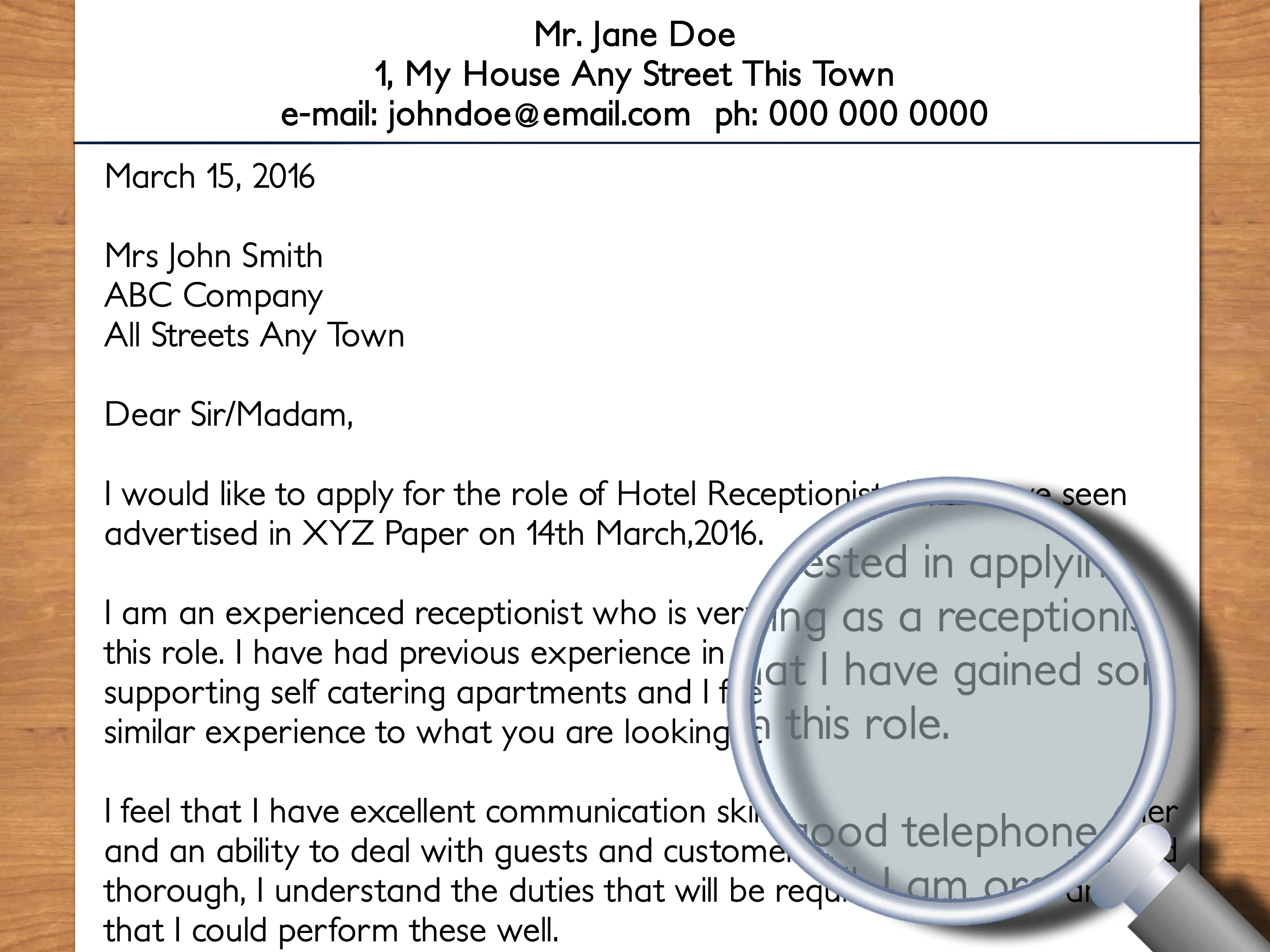
The appearance of your cover letter can significantly influence the hiring manager’s first impression. Your cover letter should be well-formatted, easy to read, and free of errors. Use a professional font, such as Arial, Calibri, or Times New Roman, and maintain a consistent font size throughout the document. Keep your paragraphs concise and use bullet points or numbered lists to highlight key skills and achievements. Ensure your cover letter is free of grammatical errors and typos, as these can reflect poorly on your attention to detail. Proofread your cover letter multiple times, and consider having a friend or family member review it as well. A clean, professional format demonstrates your professionalism and attention to detail. This makes it easier for the hiring manager to quickly understand your qualifications.
Contact Information and Salutation
Start your cover letter with your contact information, including your full name, phone number, email address, and LinkedIn profile URL (if you have one). Make sure your email address sounds professional. Then, address the hiring manager by name if possible. Research the hotel’s website or LinkedIn to find the appropriate contact person, and tailor your salutation accordingly. For example, ‘Dear Mr. Smith’ or ‘Dear Ms. Jones’. If you can’t find a specific name, use a general salutation such as ‘Dear Hiring Manager’. Avoid generic greetings, such as ‘To Whom It May Concern’, as they can make your letter seem impersonal. A personalized salutation shows that you’ve taken the time to research the hotel and the position.
Body Paragraph 1 Showcasing Your Enthusiasm and Motivation

The first paragraph should capture the reader’s attention and express your genuine interest in the position and the hotel. State the specific role you’re applying for and where you saw the job posting. Then, clearly express your enthusiasm for the opportunity. Briefly mention why you are excited about the role and the hotel. Do you admire their commitment to customer service, their unique brand, or their reputation in the industry? Show that you’ve done your research and that your values align with the hotel’s. Make it clear that this isn’t just another job application; it’s a targeted effort. This will help the hiring manager understand your interest and motivation from the start.
Body Paragraph 2 Highlighting Relevant Experience
The second paragraph should focus on your most relevant experience. Select 2-3 key accomplishments from your past roles that directly relate to the job requirements. Use the STAR method (Situation, Task, Action, Result) to structure your examples, providing context, describing your responsibilities, detailing the actions you took, and highlighting the positive outcomes. Quantify your achievements whenever possible. For instance, ‘Increased guest satisfaction scores by 15% through improved check-in procedures.’ This paragraph should demonstrate that you not only possess the required skills but also have a proven track record of success in a hotel or customer service environment. Tailor this section to match the key requirements listed in the job description, ensuring relevance and impact.
Body Paragraph 3 Skills that Impress
In your final body paragraph, highlight a few key skills that make you a strong candidate for the role. Focus on skills that are relevant to the position and the hotel’s values. This might include customer service, communication, problem-solving, or teamwork. Provide a brief example of how you’ve used these skills in the past to achieve a positive result. If you possess any specialized skills, such as fluency in a foreign language or experience with specific hospitality software, be sure to mention them here. This paragraph is your chance to showcase your overall suitability for the role and emphasize your ability to contribute to the hotel’s success.
Closing Your Hotel Cover Letter Effectively

The closing of your cover letter is a crucial opportunity to leave a lasting positive impression. A strong closing reinforces your interest in the position and encourages the hiring manager to contact you. Keep the closing concise and professional, reiterating your enthusiasm for the role and the company. Include a call to action, inviting the hiring manager to contact you for an interview. Express your gratitude for their time and consideration. Ensure your closing is free of errors and reflects your overall professionalism. A well-crafted closing reinforces your professionalism and leaves a positive lasting impression.
Thank You and Call to Action
Begin by expressing your gratitude for the hiring manager’s time and consideration. Thank them for taking the time to review your application and consider you for the role. Then, include a clear call to action. This could be a statement like, ‘I am eager to discuss my qualifications further in an interview,’ or ‘I look forward to hearing from you soon.’ State your availability for an interview, if possible. Finally, reiterate your enthusiasm for the position and the company. Show that you are genuinely interested in the opportunity. This closing should inspire the hiring manager to contact you.
Common Mistakes to Avoid in Your Hotel Cover Letter
Avoid these common mistakes to make your cover letter stand out. First, don’t make it too generic. Tailor your letter to the specific hotel and role, showing you’ve done your research. Avoid spelling and grammatical errors; always proofread. Do not simply restate your resume – use the cover letter to elaborate and provide context to your achievements. Avoid being overly casual or using slang. Keep your tone professional. Don’t include irrelevant information or skills that don’t relate to the job. Finally, avoid negative statements or discussing salary expectations in the cover letter. By steering clear of these pitfalls, you’ll increase your chances of making a positive first impression and securing an interview.