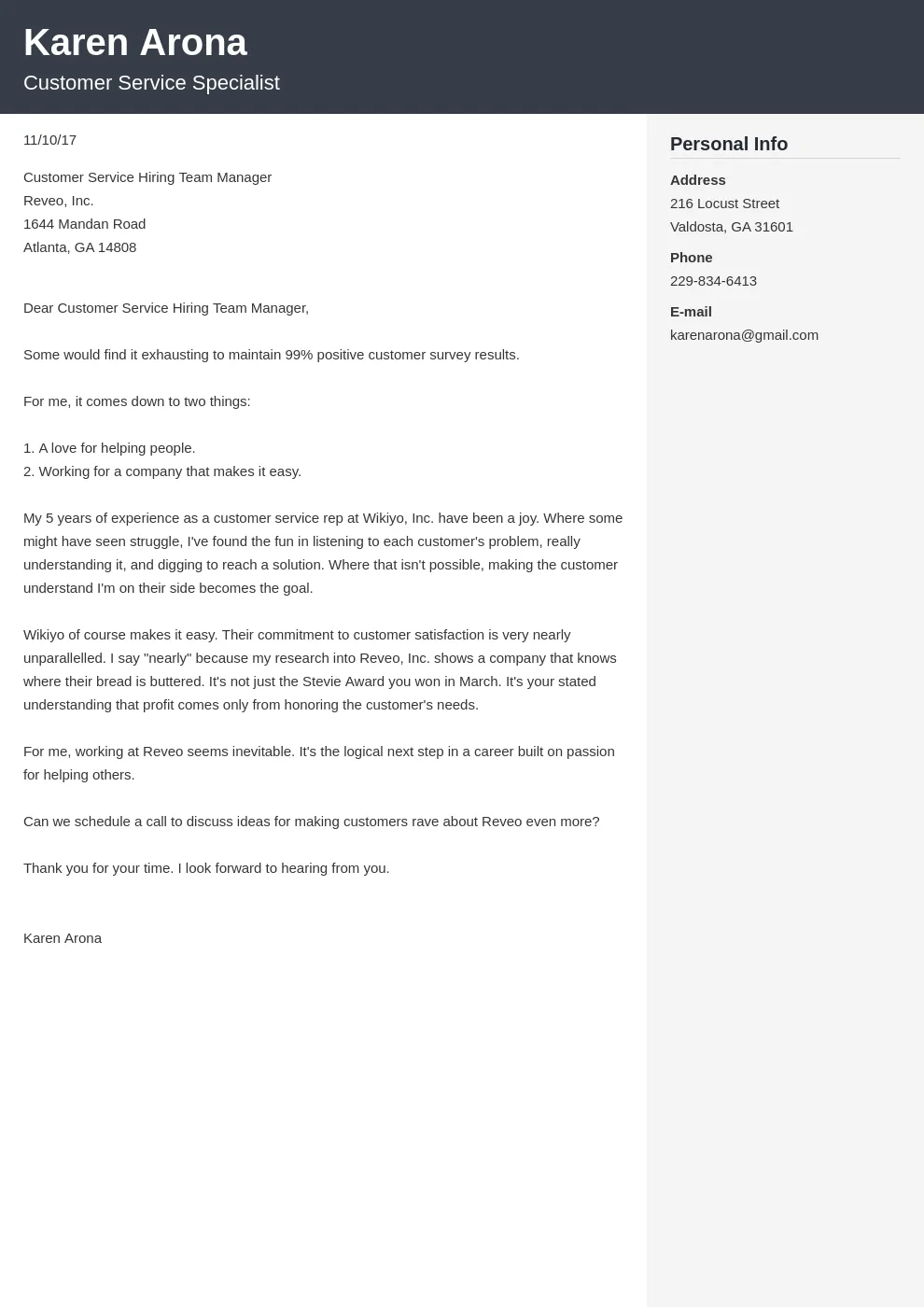
Understanding the Challenge Addressing Cover Letters (No Name)
Applying for a job often involves crafting a compelling cover letter that effectively showcases your skills, experience, and enthusiasm for the role. A critical aspect of this process is properly addressing your cover letter to the appropriate person. However, a frequent dilemma arises when you don’t know the hiring manager’s name. This can feel awkward, as the cover letter is your first point of contact, setting the tone for your application. Not knowing the recipient’s name forces you to adopt a more generic approach. The challenge lies in how to make the cover letter sound personalized, while still sounding professional and demonstrating your interest in the position. This guide provides you with seven effective strategies to navigate this common situation, increasing your chances of success despite the missing name.
Why Names Matter Cover Letter Addressing
Addressing your cover letter to a specific person is more than just a formality; it can significantly impact how your application is perceived. A personalized greeting indicates that you’ve taken the time to research the company and understand their hiring process. It shows initiative, attention to detail, and a genuine interest in the role. This personal touch sets you apart from other applicants, who may simply use a generic greeting. Hiring managers and recruiters notice these small details. Personalizing your cover letter creates a connection with the reader, making you seem like someone who is genuinely interested in the opportunity. This can lead to a more engaging experience, as it makes the reader feel as though you are focused on them directly, leading to a better review.
Consequences of Incorrect Addressing

Incorrect addressing, or an inappropriate generic greeting, can negatively influence your application. Using the wrong name is a clear mistake, suggesting a lack of attention to detail and possibly a lack of interest. This signals that you haven’t taken the time to tailor your application. Using an unprofessional greeting can create a negative impression, implying that you are careless or unfamiliar with the company’s values. If your application seems careless, you risk being overlooked, which is very common. The potential result is that your application might be moved to the reject pile. In order to prevent these problems, it is important to use the correct techniques. By correctly addressing the cover letter, you can demonstrate professionalism and your interest in the position.
Tip 1 Use a Generic Greeting
When a specific name isn’t available, using a generic greeting is often the most practical approach. This is a safe option that shows respect without being overly casual. The key is to use a greeting that is professional and welcoming. Using a generic greeting isn’t ideal, but it’s better than using an incorrect name or omitting a greeting entirely. A generic greeting still enables you to show respect and maintain a formal tone. You are able to acknowledge the absence of a specific name while setting a positive tone from the beginning. The best approach is to make the letter sound personalized. You can show your interest and showcase your skills, regardless of whether or not you know the contact person’s name.
When to Use ‘Dear Hiring Manager’
‘Dear Hiring Manager’ is a widely accepted and safe option when you can’t find a specific name. It’s direct, respectful, and appropriate in professional settings. It’s a good choice when you have explored all other avenues to discover the name. ‘Dear Hiring Manager’ is an effective way to begin your letter, recognizing the role of the individual reviewing applications. This is a neutral and professional way to start, setting a respectful tone and making it suitable for many different cultures. The phrase acknowledges the importance of the recipient while maintaining a formal tone. It indicates that you understand that someone is responsible for hiring, setting you up for a successful review.
Alternatives to ‘Dear Hiring Manager’

While ‘Dear Hiring Manager’ is a common and safe option, other generic greetings can also work well. ‘Dear [Department Name] Hiring Team’ is a good alternative if you know which department is responsible for hiring. You can also use ‘To the Hiring Team’ or ‘Dear Recruiting Team’, particularly if the application portal mentions a team. Make sure to choose a greeting that matches the company’s culture and tone. Some companies might appreciate more formal greetings, while others might allow something a little more casual. Always think about the tone of the job advertisement when making your choice, and you’ll improve your chances of success.
Tip 2 Research the Company
Before using a generic greeting, always try to find the hiring manager’s name. Research is essential, and you may be surprised by what you can discover. The effort to find the name can boost your chances. Research indicates that applicants who do their research are more likely to get hired. Research can increase your chances of being shortlisted for an interview, and demonstrates that you are a serious candidate. Checking company websites, LinkedIn, and even recent press releases or articles can give you valuable information. This not only helps you personalize your cover letter but also indicates that you have a genuine interest in the company, something employers appreciate. A well-researched cover letter can speak volumes about your initiative and desire to work there.
Finding the Right Contact Person
The job posting is the first place to look. The contact person’s name or the hiring manager’s information is often included. Carefully review the job advertisement and the ‘About Us’ or ‘Careers’ pages on the company’s website. Sometimes, the name of the recruiter or the person in charge of hiring is listed. If the job advertisement lacks this information, try searching the company directory or look for a ‘Contact Us’ section. Sometimes, you can find the right contact person on the company’s social media profiles. Even if you do not find a direct contact, the information you find can help you address the cover letter.
Using LinkedIn to Find a Name

LinkedIn is an invaluable tool for finding the hiring manager’s name. Search for the company and look at the profiles of employees in the appropriate department or those with job titles like ‘Recruiter,’ ‘HR Manager,’ or ‘Hiring Manager.’ When you find a potential match, verify their profile to confirm they’re involved in the hiring process for the role. It’s always best practice to tailor your cover letter with that person’s name. However, be cautious not to make assumptions. If you’re unsure, it is better to use a generic greeting than to address the letter to the wrong person. You can often find names by looking at employees on the company’s LinkedIn page and seeing who has the recruiter tag.
Tip 3 Address the Department
If you can’t find a specific name, addressing your cover letter to the department is a great alternative. This indicates that you’re attempting to personalize your application, even though you can’t address it to a specific individual. This approach works because you demonstrate you know the department handling the hiring process, which is another way to show that you understand the organization’s structure. It also allows you to show that you’ve done some research. To make your letter more effective, ensure you know the correct department. For example, if the job is in marketing, address it to the ‘Marketing Department’ or ‘Marketing Team.’
Formatting Departmental Greetings
When addressing a department, use a formal and professional greeting. Start with ‘Dear’ followed by the department name, such as ‘Dear Marketing Department.’ You can also use greetings like ‘To the [Department Name] Hiring Team.’ The key is to be respectful and clear. Using these greetings makes your letter more professional, demonstrating that you understand the structure of the company and have also taken the time to determine who to send it to. It’s better than using a generic greeting, showing that you’ve made an effort to target your application appropriately. Avoid overly casual language and aim for a tone matching the company’s culture.
Tip 4 Consider the Job Title

Using the job title can be a more personalized method of addressing your cover letter when a name is unavailable. If you know the job title of the person you are trying to reach, using ‘Dear [Job Title]’ can be a smart move. It acknowledges the role of the hiring manager, showing you understand the company hierarchy. This is particularly useful if the job posting lists the title. You should avoid making assumptions and only use the job title if you are certain of its accuracy. If the job title is unclear, use a generic greeting or address the department to avoid being incorrect.
Using the Job Title in Your Greeting
When using the job title, ensure you use it correctly. For instance, if the job posting mentions a ‘Head of Marketing’, you can address your cover letter to ‘Dear Head of Marketing’. If the job title is unclear, you could use ‘Dear Hiring Manager,’ or ‘Dear Recruiting Team’. Be respectful and use a formal tone. Using ‘Dear Mr./Ms. [Job Title, if available]’ can be a formal and respectful way to make contact. Remember that using the job title is better than using a generic greeting, showing that you’ve considered the company’s hierarchy and the role of the hiring manager in the process.
Tip 5 Review the Job Posting Carefully
The job posting is an important source of information. It should be your primary resource when preparing your cover letter. You may find hints about the hiring manager’s name or contact information or gain insights into the company’s culture and its preferred communication style. Always review the job posting for clues. This level of detail demonstrates a commitment to attention, which is essential for any job application. Carefully reading the job posting shows that you’re keen on the role and interested in making a positive impression. Make sure to tailor your cover letter to the requirements outlined in the advertisement, as this will increase your chances of success.
Clues in the Job Description

The job description can provide hints on how to address your cover letter. Look for any mention of the hiring manager’s name or instructions on how to submit your application. Sometimes, the job description provides contact information. If the advertisement provides the name of the recruiter, it is an opportunity to address your cover letter to them. Even if a name is not provided, check the company’s culture or the language used in the posting. These clues can help you adjust your tone and language in the cover letter to make a positive impression, even if you don’t know their name.
Tip 6 If All Else Fails be Polite
When you can’t find a name or specific contact information, it’s important to maintain a polite and professional tone. A generic greeting like ‘Dear Hiring Manager’ or ‘To Whom It May Concern’ is acceptable, but ensure that the rest of your cover letter shows your enthusiasm for the role. Even when you use a generic greeting, you can still impress the hiring manager with an excellent cover letter. You can highlight your interest in the company and tailor your letter to the job description. Emphasize your understanding of the company. The absence of a specific name does not mean your application is a lost cause. Focus on your content.
Alternatives to Avoid
Some greetings should be avoided. They can be unprofessional. Avoid using overly casual greetings, like ‘Hey,’ ‘Hi there,’ or ‘Greetings.’ These greetings may not be appropriate in a professional setting. Avoid using phrases that don’t address anyone, like ‘To the Recruiter’ or ‘To the Hiring Team’. These can be seen as a lack of attention to detail. Do not make up a name or guess. Be respectful and show you’ve tried to personalize your cover letter. If you are unsure, using ‘Dear Hiring Manager’ is best.
Tip 7 Proofread Everything

Proofreading is an important step. It’s even more crucial when you’re addressing the letter without a name, as mistakes can create a negative impression. Errors, whether grammatical, spelling, or stylistic, can signal a lack of attention to detail. Review your cover letter multiple times to catch any errors. Proofreading shows you are serious and committed to applying for the job. Review the document, focusing on grammar, spelling, and punctuation. Ensure the tone and language are appropriate. Have someone else review the cover letter as well, as a fresh pair of eyes can often spot errors you might have missed.
Common Mistakes to Avoid
Avoid making common mistakes. Do not use the wrong name. Do not use overly casual greetings. Always maintain a professional tone. Avoid generic greetings or addressing the letter to the wrong department. Make sure to personalize your cover letter. Avoid using a poorly written or error-filled cover letter. By following these tips, you can make a great first impression.
The Importance of Accuracy
Accuracy is vital in your cover letter, from addressing it correctly to providing accurate information about your qualifications and experience. Accuracy shows that you are detail-oriented. Paying attention to detail can make you appear professional. Taking the time to proofread your cover letter shows the employer you care about the details and have done your research. Inaccurate information can damage your credibility. By paying attention to detail, you demonstrate your commitment, making your application stronger. Accuracy demonstrates attention, ensuring that your cover letter is seen positively and that you make a good first impression.