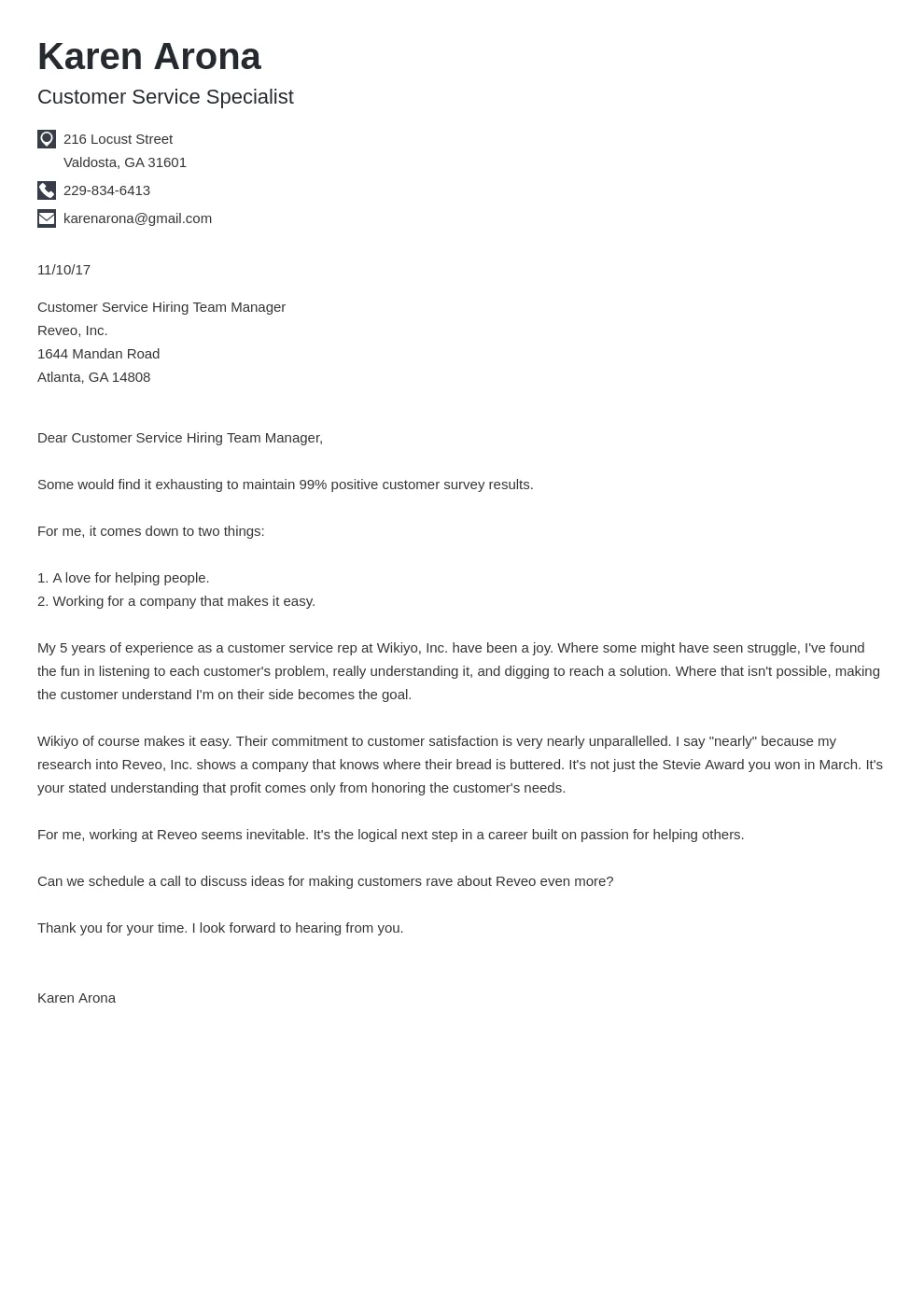
Crafting a compelling cover letter is essential for making a strong first impression on a potential employer. But before you even begin to discuss your qualifications, the way you address the recipient sets the tone. Addressing your cover letter correctly demonstrates attention to detail, respect, and professionalism. This article provides top tips on how to address a person in a cover letter, ensuring your application stands out for all the right reasons. We will delve into researching the hiring manager, formatting your address professionally, and avoiding common pitfalls that can undermine your chances.
Know Your Audience
The most effective cover letters are personalized. This personalization starts with knowing who you are addressing. Taking the time to identify the hiring manager’s name and title shows you’ve done your homework and are genuinely interested in the position. Generic greetings are often perceived as impersonal and can signal a lack of effort. Researching the hiring manager allows you to tailor your letter specifically to their role and the company’s needs, increasing your chances of a positive response.
Researching the Hiring Manager
Before you start writing, dedicate time to find out who will be reviewing your application. This often involves some detective work, but the effort is well worth it. The goal is to find the name and the correct title of the person responsible for hiring. Once you know their name, it allows you to create a much more personalized and targeted cover letter. This immediate recognition shows that you have taken the initiative to discover more about the person and the role. This adds a degree of interest and professionalism.
Using LinkedIn Effectively

LinkedIn is an invaluable tool for job seekers. It’s a professional networking platform where you can often find the name of the hiring manager or the recruiter responsible for the role. Search for the company and then look for individuals in the Human Resources or hiring departments. You can review their profile, which might provide insights into their role and experience. If you are able to identify the person, that is the first step to personalize the letter. You might also be able to identify if there is any shared connection, which might make your application stand out.
When researching on LinkedIn, make sure the person’s title matches the job posting. Also, you can note other names involved in the hiring process. If you are unsure if that person is the correct contact, it is a good idea to look for their direct report, or a senior level executive. LinkedIn is not only useful for identifying the hiring manager but also for learning more about the company culture. Understanding this can help you tailor your cover letter and make a great first impression.
Checking the Company Website
Sometimes, the company website may provide the name of the hiring manager, especially in the ‘Careers’ section or on the job posting itself. Many companies list the contact person or the department responsible for recruitment. Check the specific job advertisement. The details of who to contact may be included there. Checking the company website is a reliable method to get the correct name and contact information for your cover letter, and you should always check here first.
When the Name is Unavailable
Despite your best efforts, it is not always possible to find the hiring manager’s name. This is where alternative strategies become essential to ensure you still present a professional and personalized application. If you are unable to find the specific name, don’t get discouraged. There are several appropriate ways to address your cover letter that still demonstrate a thoughtful approach.
Alternatives to a Specific Name

If you cannot find the name of the hiring manager, you can still address the cover letter with the correct tone. The key is to be professional and show the same respect you would if you had a specific name. There are a few good alternatives, such as using the department, or the title. Also, ensure that the format you use is professional. Also, it is important to make sure that you have included the correct company name and that you are submitting the cover letter to the right person.
Using ‘Dear Hiring Manager’
When you are unable to locate the hiring manager’s name, ‘Dear Hiring Manager’ is an acceptable alternative. However, it is crucial to ensure that you have exhausted all other avenues to find a specific name. This greeting is a standard choice, but it’s important to make sure that you use it as a last resort. If you are applying for a job in a specific department, you could write ‘Dear [Department] Hiring Team’. Whatever you choose, make sure the greeting is relevant to the context of the job you are applying for. Keep it professional and straightforward.
Format the Address
The way you format the address in your cover letter contributes significantly to its overall professionalism. Proper formatting indicates that you pay attention to detail, a quality highly valued by employers. Ensure your address adheres to standard business letter conventions, providing a polished and professional appearance that reinforces your qualifications and attention to detail.
Formatting with Professionalism

Always align your address to the left margin of your cover letter. This consistency presents a clean and organized appearance. After the salutation, include a blank line before your first paragraph. This separation makes the cover letter easier to read and visually appealing. The font should be professional. Choose a clear and readable font like Times New Roman, Arial, or Calibri. The font size should be between 10 and 12 points. Ensure that the entire cover letter, including the address, is consistent in style to project a professional image.
Using Appropriate Titles
When addressing the recipient, it’s important to use their correct title. If you are unsure, always err on the side of formality. Use professional titles such as ‘Mr.’, ‘Ms.’, or ‘Dr.’ before the person’s last name. Double-check the spelling and title on the company website or LinkedIn profile. If the person has a specific professional title, like ‘Dr.’ or ‘Professor,’ include it. If you do not know the gender, it is appropriate to use ‘Mx.’ as a gender-neutral title. This simple step will showcase respect and attention to detail.
Gender-Neutral Addressing
In the modern workplace, gender-neutral greetings are increasingly important. If you are unsure of the recipient’s gender, use a gender-neutral salutation to show respect and inclusivity. Some suitable options include using the full name or a title like ‘Mx.’ If you have to use a title, ‘Mx.’ is a respectful and inclusive choice for individuals who do not identify with the traditional gender binary. Using a gender-neutral greeting is thoughtful and shows your ability to be inclusive in the workplace.
Avoid Generic Greetings

Generic greetings can make your cover letter feel impersonal and less impactful. When you are addressing a cover letter, you want to stand out and make the letter more personal. It can signal a lack of attention to detail or a lack of interest in the specific role. Taking the time to personalize your greeting shows you are invested in the opportunity and willing to put in the extra effort.
Why Avoid ‘To Whom It May Concern’
‘To Whom It May Concern’ is outdated. Using this greeting suggests that you have not taken the time to research the hiring manager. It makes your application appear generic and is less likely to capture the reader’s attention. Instead, focus on finding the name of the hiring manager to personalize your greeting. This personalization makes your cover letter stand out and shows that you care about the company and the role.
The Importance of Personalization
Personalization in your cover letter is very important, as it shows you are genuinely interested in the specific role. Your goal is to make the hiring manager feel like you are addressing them directly. Personalization shows that you have done your research, and you have a clear understanding of the role and the company. It also allows you to tailor the content to show how your skills align with the needs of the position. All of these factors increase the likelihood that your cover letter will make a positive impression.
Proofreading the Address

Proofreading is a vital step in the cover letter writing process. It guarantees that your application reflects the detail-oriented nature that employers seek. It also catches errors that could undermine your message. A well-proofread letter not only presents you in a positive light but also showcases your commitment to quality and accuracy.
Common Addressing Mistakes
Avoid common mistakes, such as misspelling the hiring manager’s name or using an incorrect title. Such errors can create a negative impression. Be sure to double-check all details. Also, ensure that you use the correct company name and address. Additionally, verify the spelling and grammar throughout the cover letter, to ensure that your letter is professional and polished.
Ensuring Accuracy
Accuracy in your cover letter is essential, as it reflects your professionalism and attention to detail. Before sending your cover letter, review the address and the entire document for any errors. Ask a friend or family member to proofread your cover letter, as a fresh set of eyes can often catch mistakes you might have missed. By ensuring accuracy, you strengthen your application and increase your chances of landing an interview. It is very important to ensure your cover letter is perfect before sending it.
In conclusion, correctly addressing your cover letter is a crucial first step in creating a strong impression. Knowing your audience, using professional formatting, and avoiding generic greetings all contribute to a personalized and professional presentation. By following these tips, you can ensure that your cover letter stands out, and you increase your chances of landing the job. Good luck with your job applications!