Cover Letter Introduction
A cover letter is your first opportunity to make a strong impression on a potential employer. It’s a crucial document that accompanies your resume, providing context, showcasing your personality, and highlighting why you are the ideal candidate for the job. However, one of the common challenges job seekers face is knowing how to address a cover letter when the hiring manager’s name is unknown. This guide provides comprehensive advice and best practices to help you navigate this situation effectively and ensure your application stands out.
Why It’s Important to Address the Cover Letter
Addressing your cover letter appropriately demonstrates professionalism and attention to detail. It shows that you’ve taken the time to research the company and the role, which can significantly increase your chances of getting noticed. Addressing the letter to a specific person creates a personal connection, making your application feel less generic. It shows you are committed to the specific opportunity. A well-addressed cover letter can set you apart from other applicants, who might use generic greetings or fail to address the letter at all. The effort you put in demonstrates your genuine interest.
Finding the Hiring Manager’s Name

Before resorting to generic greetings, make every effort to find the hiring manager’s name. This extra step showcases initiative and professionalism. Several resources can help you uncover this crucial information. The more personalized you can make your cover letter, the better the impression you’ll make. Your goal is to show that you’re not just another applicant sending out mass applications; you’ve taken the time to learn about the company and the role and tailor your materials accordingly. It’s a small effort that can yield big results.
Using LinkedIn to Find the Hiring Manager
LinkedIn is one of the most valuable tools for job seekers. Start by searching for the company and then look for individuals in the hiring department or with the title associated with the job you are applying for. Search for recruiters, HR specialists, or managers within the specific department. If the job posting specifies a contact person, their LinkedIn profile is the perfect place to start. Carefully review their profile, paying attention to their job title and recent activities. This will help you not only address the cover letter but also tailor your content to their background. If you find multiple possible contacts, consider the most relevant person to the role you’re applying for and address your cover letter accordingly.
Searching the Company Website
The company website often provides valuable information. Look for an ‘About Us’ or ‘Contact Us’ section, where you may find a list of team members or department heads. Navigate to the specific department related to the job and check if any team members are listed. Sometimes, the ‘Careers’ or ‘Job Openings’ section will include the hiring manager’s name or a contact person for inquiries. Even if a name isn’t listed, the department name might provide context for your salutation. A well-designed company website is an excellent source of information, and you can often find contact information that will help you personalize your cover letter.
Calling the Company to Inquire

If you’ve exhausted online resources, consider calling the company. Speak with the receptionist or the HR department and politely ask for the hiring manager’s name. Frame your request as a genuine interest in the position. Keep your inquiry brief and professional and be prepared to leave a message if necessary. This shows initiative and demonstrates your commitment to the application process. Even if you can’t reach the hiring manager directly, you’ll still be able to make a positive impression on whoever answers the phone. If they cannot provide a name, they might suggest an alternative salutation, which you can then use in your cover letter.
What to Do If You Cannot Find a Name
Despite your best efforts, you may not be able to find the hiring manager’s name. In such cases, you still have several options to address your cover letter professionally. Avoid generic greetings like “To Whom It May Concern” or “Dear Sir/Madam,” which can appear impersonal and outdated. These can suggest that the applicant has not put in any effort to find out the hiring manager’s name and can be perceived as a sign of laziness. The best approach is to use a more specific and professional alternative to make a better impression.
Alternative Cover Letter Greetings
When a specific name is unavailable, several alternative greetings can be employed. These alternatives show respect and professionalism while maintaining a personalized tone. Choosing the right greeting depends on the information you do have about the role and the company. Aim to create a positive tone. Always prioritize professionalism and show that you have put in some thought.
Using ‘Dear Hiring Manager’

This is a widely accepted and safe choice when you cannot find a specific name. It’s direct, professional, and signals that you’re aware of the need to address the letter appropriately. It’s suitable for most situations, especially when the job posting doesn’t specify a contact person. Using ‘Dear Hiring Manager’ is better than a generic greeting. Make sure the rest of your cover letter is well-written and tailored to the specific job. Remember that the greeting is just one aspect of your cover letter; the content is what truly matters.
Using ‘Dear [Department Name] Team’
If you know the department but not the specific hiring manager, addressing the team is a thoughtful option. For example, you could use ‘Dear Marketing Team’ or ‘Dear Engineering Team.’ This shows that you understand the company’s structure and are aware of the specific area where you hope to contribute. This approach is especially suitable when applying to a team-oriented environment. Be sure to research the specific department you are applying to so that you can make an educated choice. This shows that you understand the company’s organization and are keen to be part of the team.
Avoiding Generic Greetings
Avoid greetings such as ‘To Whom It May Concern’ or ‘Dear Sir/Madam.’ These are outdated and impersonal. They suggest that you haven’t made an effort to learn about the company or the role. Such generic greetings can make your application seem less engaging and less likely to catch the reader’s attention. When an appropriate name is unknown, it’s far better to use a specific, department-focused greeting or ‘Dear Hiring Manager’ to maintain a professional tone. Your objective should be to demonstrate effort and attention to detail in all parts of your cover letter.
Formatting Your Cover Letter

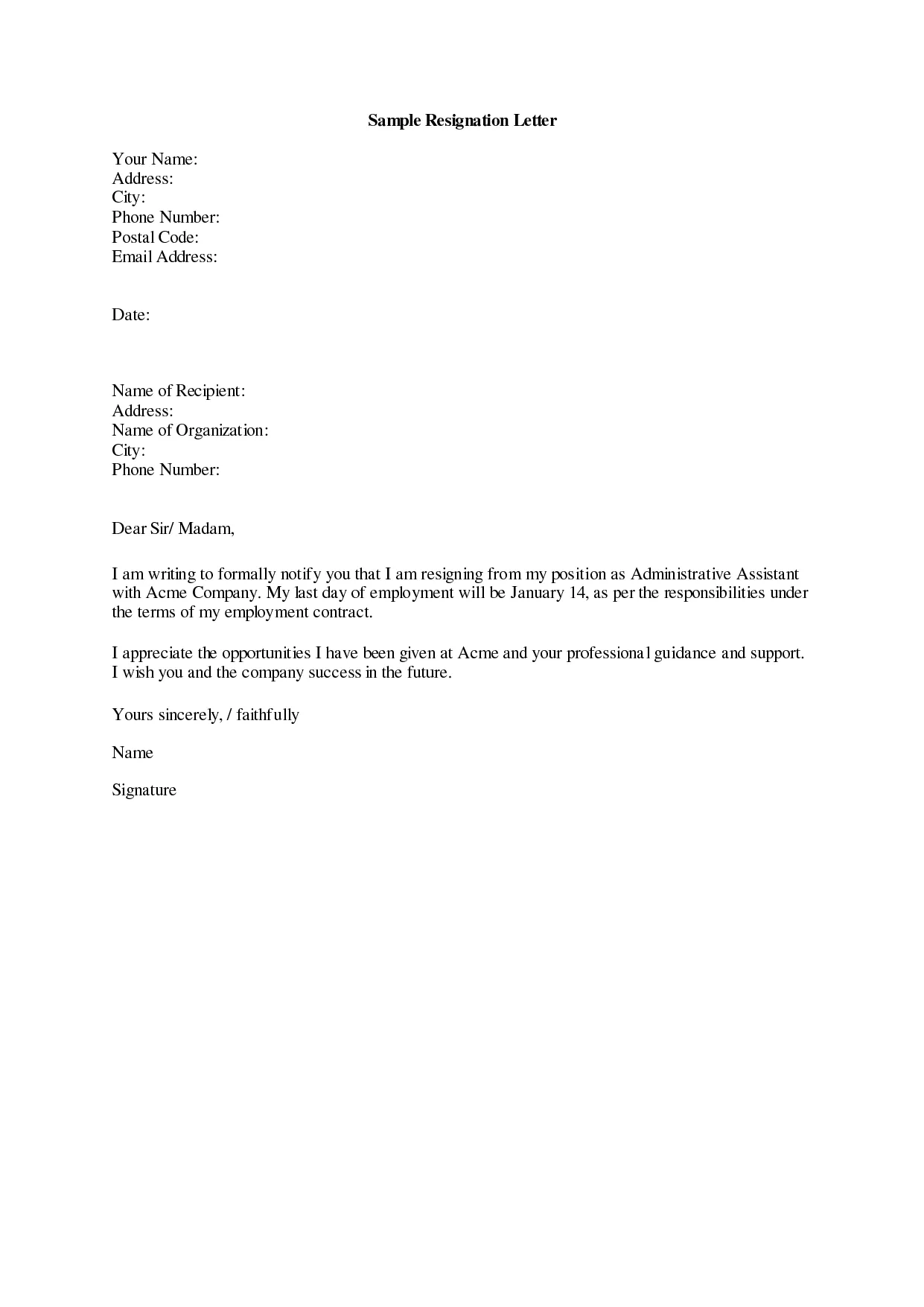
Formatting is essential to the overall presentation and professionalism of your cover letter. A well-formatted cover letter is easy to read and shows attention to detail. Using clear and concise language ensures that your message is effectively conveyed. You should use a standard business letter format, ensuring your contact information is at the top, the date, the recipient’s address, and a professional closing. Choose a font that is easy to read, such as Times New Roman or Arial, with a font size between 10 and 12 points. Use one-inch margins on all sides. Proper formatting ensures that your cover letter looks polished and professional and is easy to read. Proper formatting is critical to ensure your cover letter looks polished.
Highlighting Relevant Skills and Experience
Your cover letter should highlight the skills and experience that are most relevant to the job you are applying for. Tailor your letter to the job requirements and showcase how your background aligns with the position. It’s not enough to simply list your skills; you must also provide examples of how you’ve used them successfully. Use the job description as a guide to identify key requirements and use specific examples to demonstrate those requirements. Providing quantifiable results and showcasing your accomplishments helps you demonstrate the value you bring to the table. Make sure that you match the keywords mentioned in the job posting with the skills and experience you have.
Tailoring Your Letter to the Job
Every cover letter should be tailored to the specific job you are applying for. Generic cover letters are easy to spot and do not make a strong impression. Research the company and the role. Carefully read the job description. Identify the key requirements and then customize your letter to address them directly. Highlight your most relevant skills and experiences. Include examples of your accomplishments. Customizing your letter demonstrates your genuine interest in the position. This shows that you’ve taken the time to understand the company’s needs and how you can contribute. A tailored cover letter greatly increases your chances of making a strong impression.
Cover Letter Closing

The closing of your cover letter is just as important as the opening. It’s your final opportunity to make a positive impression. You should always express your enthusiasm for the position and thank the reader for their time and consideration. A strong closing leaves the reader with a lasting positive impression and encourages them to consider you. Proper closing leaves the reader with a strong and positive impression and makes them more likely to consider you.
Expressing Enthusiasm and Gratitude
In your closing, express your enthusiasm for the position and thank the reader for their time and consideration. Reiterate your interest in the role and your eagerness to contribute to the company. Expressing gratitude shows professionalism and respect for the hiring manager’s time. A good closing reinforces your interest and leaves a positive final impression. Your closing should be concise, genuine, and leave the reader with a positive impression.
Providing Contact Information
Ensure that your contact information is clear and easy to find. You should include your phone number and email address. Make sure your contact information is up to date. This ensures that the hiring manager can easily reach you if they want to proceed with your application. Check your email address for professionalism. Include a professional signature at the end of the letter. Making it easy to contact you is a vital component of your cover letter.
Proofreading Your Cover Letter

Before sending your cover letter, always proofread it carefully. Check for any spelling or grammatical errors. Ensure your writing is clear and concise. Reading your cover letter aloud is an effective way to catch errors. Having a friend or colleague review your cover letter can provide a fresh perspective and help you identify mistakes. Proofreading is crucial to ensure your letter is professional. A polished cover letter demonstrates attention to detail. Errors can damage your credibility and make your cover letter look unprofessional.
Addressing a cover letter when you don’t know the hiring manager’s name can be challenging. However, by following the strategies outlined in this guide, you can maintain a professional and personalized approach. Prioritize researching to find the hiring manager’s name. When this is not possible, use alternative greetings that are professional and appropriate. Focus on demonstrating your skills and enthusiasm, and always proofread your cover letter before submitting it. By following these guidelines, you can write a cover letter that effectively showcases your qualifications and leaves a positive impression on potential employers.