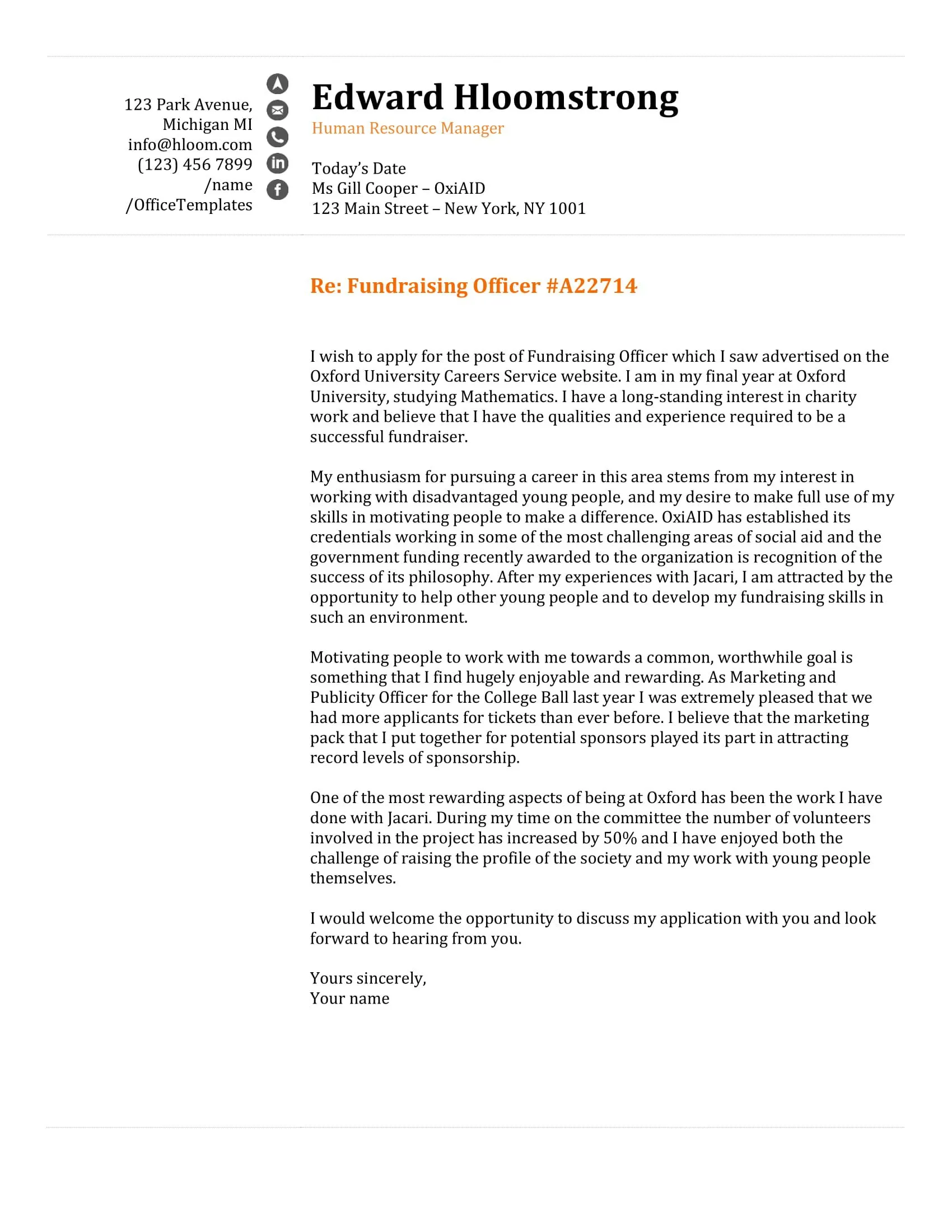
Why an Entry Level Cover Letter Matters
In the competitive world of entry-level job searching, a well-crafted cover letter can be your secret weapon. It’s often the first impression you make on a potential employer, offering a crucial opportunity to differentiate yourself from other applicants. While your resume provides a snapshot of your experience and skills, the cover letter allows you to tell a story, demonstrating your personality, passion, and genuine interest in the role and the company. For entry-level positions, where experience might be limited, the cover letter is especially important. It allows you to highlight transferable skills, explain gaps in your resume, and showcase your eagerness to learn and contribute. A compelling cover letter significantly increases your chances of securing an interview, setting you on the path to landing your dream job.
Understanding the Purpose of a Cover Letter
The primary purpose of a cover letter is to introduce yourself and your qualifications to a potential employer, but it does so much more. It’s a marketing tool that allows you to sell yourself, connecting your skills and experiences to the specific requirements of the job. Unlike a resume, a cover letter lets you elaborate on your motivations for applying, explain your career goals, and express your enthusiasm for the company. It’s an opportunity to show you’ve done your research, understood the company’s values, and possess the desired skills. The cover letter should complement your resume, providing context and a narrative that shows how your background aligns with the job description. By clearly communicating your value proposition, you make it easy for the hiring manager to see why you’re a great fit.
Key Components for an Entry Level Cover Letter

A strong entry-level cover letter should be structured logically, with each section contributing to the overall narrative of why you’re the ideal candidate. The key components include a clear and concise contact section, a compelling opening paragraph, a middle section that highlights relevant skills and experience, and a strong closing that reiterates your interest and call to action. Ensure the tone is professional and enthusiastic, demonstrating a genuine interest in the position. Remember to keep your letter concise, focusing on the most important aspects of your qualifications and avoiding irrelevant information. Every sentence should serve a purpose, and every word should contribute to your goal of convincing the hiring manager to offer you an interview.
Contact Information and Opening
Start your cover letter with your contact information at the top: your name, phone number, email address, and optionally, your LinkedIn profile URL. Follow this with the date and the hiring manager’s name and title if you know it; otherwise, use a general greeting like ‘Dear Hiring Manager.’ The opening paragraph is your first chance to grab attention. Briefly state the position you’re applying for and where you found the job posting. Immediately express your interest in the role and the company, perhaps by mentioning something specific that attracted you to the opportunity. Avoid generic openings and show genuine enthusiasm.
Highlighting Relevant Skills and Experience
The body of your cover letter is where you showcase your skills and experience, demonstrating how you meet the job requirements. Even if you lack direct experience, focus on transferable skills and achievements. Identify skills mentioned in the job description and provide examples of how you’ve used those skills in past roles, projects, or academic settings. Use action verbs to describe your accomplishments and provide concrete examples. For instance, instead of saying ‘I was responsible for social media,’ say ‘Managed social media campaigns, increasing engagement by 30% within three months.’ Tailor this section to each specific job, emphasizing the most relevant aspects of your background.
Researching the Company and Tailoring Your Letter
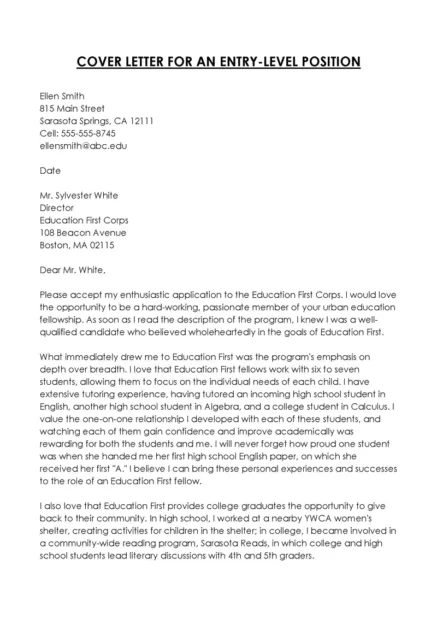
Demonstrate that you’ve done your homework by researching the company and understanding its mission, values, and recent achievements. Mention specific aspects of the company that resonate with you, such as their commitment to innovation, their company culture, or a recent project. Explain why you’re interested in working for this particular company, and how your skills and goals align with their values. Customizing your cover letter to each job is essential. Generic cover letters are easily recognized and often discarded. Tailoring shows you’ve invested time and effort, indicating a genuine interest in the role and the company. Carefully review the job description and incorporate the keywords and requirements.
Showcasing Your Achievements and Accomplishments
Focus on your achievements rather than just listing your responsibilities. Instead of saying ‘I answered phones,’ describe how you improved customer satisfaction or streamlined communication processes. Use the STAR method (Situation, Task, Action, Result) to structure your examples. Describe the situation, the task you were given, the actions you took, and the results you achieved. This helps the hiring manager understand the impact of your contributions. For example, ‘In my role as a student assistant (Situation), I was tasked with organizing a large data set (Task). I implemented a new filing system (Action), resulting in a 20% reduction in data retrieval time (Result).’ Be specific and use quantifiable results whenever possible.
Quantifying Your Accomplishments
Whenever possible, quantify your achievements with numbers and data. This makes your accomplishments more impactful and provides concrete evidence of your abilities. For example, ‘Increased sales by 15%,’ ‘Managed a budget of $10,000,’ or ‘Improved website traffic by 25%.’ Quantifiable results demonstrate your impact and the value you can bring to the company. If you’re highlighting skills like project management or problem-solving, provide specific examples and data to support your claims. This enhances your credibility and shows that you can deliver results. Consider using metrics to describe any accomplishments, such as the amount of money saved, the number of customers served, or the percentage of improvement achieved.
Addressing the Hiring Manager and Closing the Letter

If possible, address the hiring manager by name; otherwise, use a professional greeting like ‘Dear Hiring Manager.’ In your closing paragraph, reiterate your interest in the position and the company. Summarize why you’re a good fit for the role, highlighting your key skills and experiences. Express your enthusiasm for the opportunity and state your availability for an interview. Always thank the hiring manager for their time and consideration. End with a professional closing, such as ‘Sincerely’ or ‘Best regards,’ followed by your typed name. Proofread your closing to ensure it’s free of any typos or errors.
Proofreading and Editing Your Cover Letter
Before submitting your cover letter, proofread it carefully for any errors in grammar, spelling, and punctuation. Mistakes can undermine your professionalism and give the impression you lack attention to detail. Read the letter aloud to catch any awkward phrasing or unclear sentences. It’s also helpful to have someone else review your letter; a fresh pair of eyes can spot errors you might have missed. Ensure the letter is well-formatted and easy to read, with clear spacing and a professional font. Make sure the layout is consistent with your resume and adheres to the formatting guidelines specified in the job posting. Attention to detail reflects your commitment to quality.
Common Mistakes to Avoid
Avoid these common mistakes to make your cover letter stand out positively. These mistakes often lead to immediate rejection and can damage your chances of getting an interview. Pay attention to these pitfalls to ensure your cover letter is polished, professional, and effective. Addressing these common issues significantly improves your chances of success.
Overusing Generic Phrases

Avoid using generic phrases that don’t add value to your cover letter. Phrases like ‘I am writing to express my interest’ or ‘I am a hard worker’ are clichés that don’t offer much information about you. Instead, use specific, action-oriented language that demonstrates your skills and experience. Replace these generic phrases with concrete examples and quantifiable achievements. Be specific, and use language that reflects your personality and style. This will help your cover letter stand out from the crowd. Using unique phrases and a distinct voice will make a positive impression on the hiring manager.
Ignoring the Job Description
Make sure your cover letter directly addresses the requirements outlined in the job description. Failing to do so shows you haven’t taken the time to understand what the employer is looking for. Carefully review the job description and highlight the skills and experiences that match those requirements. Tailor your letter to each specific job posting to demonstrate your genuine interest in the role. Keywords and phrases from the job description should be incorporated naturally into your cover letter. This helps the hiring manager quickly see how you align with the role.
Sending a Generic Letter
Avoid sending the same cover letter to multiple employers. Generic letters lack the personalization and focus needed to grab a hiring manager’s attention. Customize each letter to the specific job and company, demonstrating that you understand their needs and values. Tailoring your cover letter shows that you have invested time and effort and have a genuine interest in the position. Researching the company and demonstrating your understanding of the role will help you stand out from other applicants. Personalized cover letters are far more effective than generic ones.
Tips for Different Industries

Cover letter strategies can vary slightly depending on the industry. Research industry-specific best practices and tailoring your approach to align with these norms can be beneficial. Certain industries may emphasize different aspects of your experience or skill set. Understanding these nuances can enhance your cover letter’s effectiveness.
Entry Level Cover Letter for Tech Jobs
For tech jobs, emphasize your technical skills, projects, and any relevant certifications. Showcase your problem-solving abilities and your understanding of the tech industry. Include any experience with programming languages, software development, or relevant tools. If you have a portfolio or GitHub profile, be sure to include them. Highlight any contributions to open-source projects or personal projects that demonstrate your passion and skills. Show your passion for technology and your eagerness to learn and grow in the field. Your tech cover letter should speak the language of the tech industry.
Entry Level Cover Letter for Marketing Jobs
In marketing, focus on your creativity, communication skills, and any relevant marketing experience or coursework. Highlight your understanding of marketing principles, and showcase any successful campaigns you’ve been involved with. If you have experience with social media, content creation, or SEO, be sure to mention it. Demonstrate your ability to analyze data and your understanding of marketing metrics. Showcase your creativity and enthusiasm for marketing, along with any proven ability to drive results. Your marketing cover letter should highlight your passion and understanding of the field.
Entry Level Cover Letter for Finance Jobs

When applying for finance jobs, emphasize your analytical skills, attention to detail, and any experience with financial modeling or analysis. Highlight your knowledge of financial concepts and any relevant coursework or certifications. Show your understanding of financial markets and your ability to manage data. Any experience with financial software or tools should be mentioned. Your finance cover letter should convey a strong sense of responsibility and an understanding of financial principles.
Entry Level Cover Letter Examples and Templates
Using cover letter examples and templates can be a helpful starting point when crafting your own. However, it’s crucial to personalize the template to fit your specific skills, experiences, and the job requirements. Remember to customize the template to match the tone and requirements of each job application. A well-crafted template will give you a solid structure. Many online resources offer templates you can adapt to fit your needs.
Where to Find Examples and Templates
Various online resources provide cover letter examples and templates. Websites like LinkedIn, Indeed, and Resume.com offer a wide selection of templates and examples for different industries and job levels. Search for examples specific to your desired role and industry. Reddit communities like r/resumes can also provide examples and feedback on cover letters. Be sure to review the examples and templates to understand their structure and content.
Adapting Templates to Your Needs
When using a template, adapt it to reflect your unique skills and experiences. Do not simply copy and paste the content. Customize the language, examples, and achievements to match your background. Tailor the template to each job application. Change the wording to match your personality and voice. Ensure all the information in the template is relevant to the job you’re applying for.
Final Thoughts and Next Steps
Crafting a compelling entry-level cover letter is essential for making a strong first impression. By following the guidelines outlined in this article and tailoring your letter to each specific job, you can significantly increase your chances of landing an interview. Remember to highlight your transferable skills, showcase your achievements, and demonstrate your genuine interest in the company and the role. Proofread your cover letter carefully and ask for feedback from others. Take the time to write a strong cover letter, and you’ll be well on your way to a successful job search.