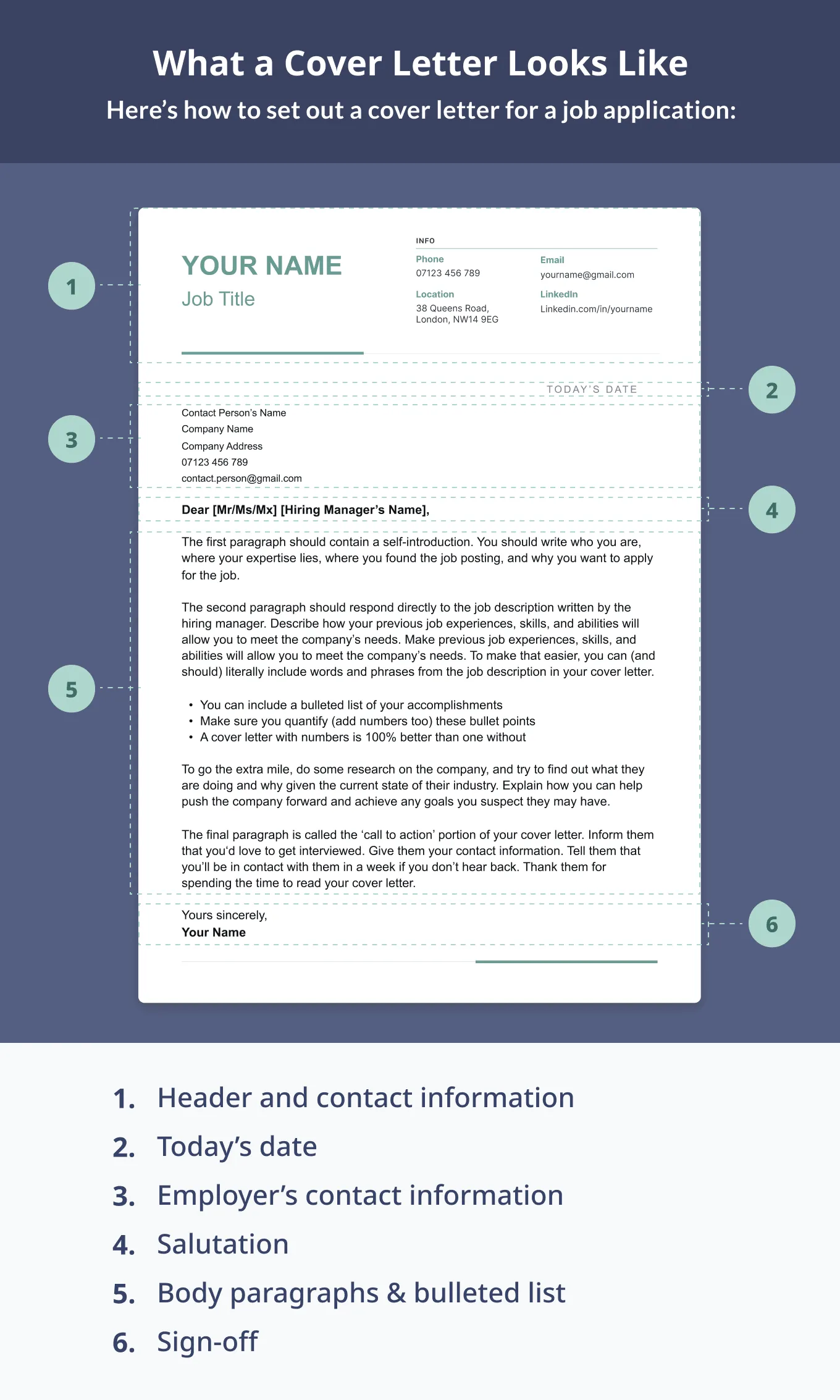
Cover Letter Format The Essentials
A well-formatted cover letter is the first step in making a positive impression on a potential employer. The format should be clean, easy to read, and professional. Using a standard business letter format ensures that your cover letter looks polished and organized. Proper formatting demonstrates attention to detail, a crucial skill in any professional setting. Adhering to formatting guidelines shows respect for the employer’s time and expectations, increasing the likelihood that your application will be taken seriously. This initial presentation sets the tone for the entire communication and influences how the employer perceives your qualifications and professionalism.
Contact Information
Begin your cover letter with your contact information, followed by the date and the employer’s information. This section provides the essential details for the recipient to know who you are and how to reach you. Accuracy is paramount; ensure all details are correct and current, including your name, address, phone number, and professional email address. This section should be clearly presented, allowing the recruiter to easily identify and access your contact information. A well-presented contact section reflects your organization and attention to detail.
Your Name and Contact Details

At the top of your cover letter, include your full name, address, phone number, and email address. Use a professional email address (e.g., firstname.lastname@email.com) rather than a casual one. The presentation should be clean and easy to read, often aligned to the left. Ensure your contact information is accurate, as this is the primary method for employers to reach you. Double-check all details to avoid any errors that could hinder communication. Including these details establishes your identity and facilitates a smooth communication process.
Date
Below your contact information, include the current date. This provides a reference point for the recipient and indicates when the letter was written. The date is typically aligned to the left or right, depending on the overall layout of your cover letter. Use a standard date format (e.g., Month, Day, Year) to maintain professionalism. The date adds context to your application and is a standard component of business correspondence, demonstrating your adherence to professional norms.
Employer’s Information
Following the date, include the employer’s information, which typically includes the hiring manager’s name (if known), their title, the company name, and the company’s address. If you don’t know the hiring manager’s name, research it beforehand or use a general title like ‘Hiring Manager’. Address the letter to a specific person whenever possible, as it shows initiative and attention to detail. Ensure the company name and address are accurate, as this indicates your diligence. This section personalizes your letter and demonstrates that you’ve taken the time to research the company.
Salutation

The salutation is your initial greeting to the recipient. If you know the hiring manager’s name, use ‘Dear Mr./Ms./Mx. [Last Name]’. If the name is unavailable, use a professional alternative like ‘Dear Hiring Manager’ or ‘Dear [Department Name] Team’. Avoid generic greetings like ‘To Whom It May Concern’ as they can appear impersonal. Your choice of salutation sets the tone for your cover letter. The salutation should always align with the tone of your letter and the culture of the company.
Writing an Effective Opening
The opening paragraph of your cover letter is critical as it sets the tone and captures the reader’s attention. The goal is to immediately engage the employer and make them want to read more. A strong opening demonstrates your enthusiasm for the position and the company. The first few sentences should clearly state the position you are applying for and how you learned about it. This introduction is your first opportunity to make a positive impression, so make it count. A compelling opening can significantly increase the chances of your application being considered.
Grab Attention From the Start
Begin your cover letter with a hook that immediately grabs the reader’s attention. This could be a brief statement of your most relevant skill, a key achievement, or a direct response to the job description. Avoid generic openings, and instead, create a concise and engaging introduction that showcases your value. A captivating opening increases the likelihood of your cover letter being read. Consider personalizing it to demonstrate genuine interest in the role and the company.
Highlight Your Value Proposition

Immediately after the opening hook, clearly state your value proposition – what you bring to the table. Briefly explain why you are the best candidate for the job. Summarize your key skills and qualifications, focusing on what aligns with the job requirements. This section is where you demonstrate your understanding of the role and how your experience matches the needs of the company. Clearly articulating your value ensures the employer understands your potential contribution.
Body Paragraphs Demonstrate Your Skills
The body paragraphs are where you provide detailed evidence of your skills, experience, and accomplishments. These paragraphs should expand on the key points introduced in the opening, demonstrating your ability to perform the job duties. Use specific examples and quantify your achievements whenever possible to make your claims more impactful. Each paragraph should focus on a specific aspect of your qualifications, making your cover letter well-organized and easy to follow. These paragraphs offer a detailed view of your capabilities.
Showcase Relevant Experience
In your body paragraphs, showcase your relevant experience by describing previous roles and responsibilities. Focus on the experiences most directly related to the job description. Explain how your past experiences have prepared you for the position, highlighting skills and knowledge gained. Avoid simply listing job duties; instead, detail how you successfully handled responsibilities and the outcomes of your work. Demonstrating relevant experience reassures the employer that you can perform the required tasks.
Quantify Achievements Whenever Possible

To make your cover letter more impactful, quantify your achievements with specific numbers and data. Instead of saying ‘Improved sales,’ state ‘Increased sales by 15% in one quarter.’ Using quantifiable results provides concrete evidence of your abilities and allows employers to evaluate your impact more easily. Use metrics, statistics, or percentages to highlight your successes. Quantifying your achievements makes your claims more credible and demonstrates your ability to deliver results.
Address Job Requirements
Carefully review the job description and address each of the key requirements in your cover letter. Use the job description as a guide to highlight the skills and experiences the employer is seeking. Explain how your qualifications align with their needs and provide evidence to support your claims. Tailor your content to reflect the specific requirements of the role. Addressing the job requirements directly shows that you understand the position and possess the necessary skills and abilities.
The Closing
The closing of your cover letter is an opportunity to reinforce your enthusiasm for the role and encourage the employer to take the next step. A strong closing paragraph summarizes your key qualifications and reiterates your interest in the position. It should leave a lasting positive impression and encourage the hiring manager to contact you. Your closing paragraph plays a critical role in the overall impact of your cover letter.
Express Enthusiasm and Call to Action

In the closing, express your enthusiasm for the opportunity and reiterate your interest in the role. Include a call to action, such as stating your availability for an interview or your eagerness to discuss your qualifications further. Make it easy for the employer to take the next step by providing clear direction. A strong call to action ensures the employer knows how to proceed and shows your proactive approach. Expressing enthusiasm reinforces your motivation to secure the position.
Formal Closing and Signature
End your cover letter with a formal closing such as ‘Sincerely,’ ‘Best regards,’ or ‘Respectfully,’ followed by your typed name. If you are submitting a physical copy, leave space for your handwritten signature above your typed name. A formal closing and signature add a professional touch. This section ensures the letter concludes with a tone of respect and professionalism. It is essential for maintaining the high standard expected in business correspondence.
Cover Letter Polish Proofreading and Review
Proofreading and reviewing your cover letter is essential to ensure it is free of errors and presents you in the best possible light. Errors in spelling, grammar, or punctuation can undermine your credibility. A well-polished cover letter demonstrates attention to detail and a commitment to excellence. Take time to review and edit your letter, or have someone else review it for a fresh perspective. This step guarantees that your cover letter leaves a positive and professional impression.
Proofread for Errors

Carefully proofread your cover letter for any errors in spelling, grammar, and punctuation. These errors can detract from your qualifications and make you appear less professional. Read your letter aloud to catch any awkward phrasing or unclear sentences. Use spell-check and grammar-check tools, but don’t rely on them entirely; they may not catch all errors. Proofreading is essential to eliminate potential distractions. A polished letter indicates that you pay attention to detail.
Tailor to Each Job Application
Tailor your cover letter to each job application, ensuring it directly addresses the specific requirements and expectations of the role. Use keywords from the job description and highlight the most relevant skills and experiences. Avoid using a generic cover letter; customize it to show you understand the role and company. Tailoring demonstrates that you’ve researched the company and are genuinely interested in the position. Customization significantly increases your chances of making a positive impression.
Seek Feedback
Ask a trusted friend, family member, or career counselor to review your cover letter and provide feedback. An outside perspective can help you identify areas for improvement that you may have missed. Ask for feedback on clarity, organization, and overall impact. Seek feedback to improve and make sure your cover letter effectively communicates your value. External reviews often uncover points that might be overlooked during self-editing. Reviewing by another person often helps make a cover letter a lot better.
Cover Letter Dos and Don’ts
Understanding what to do and what to avoid is crucial for crafting an effective cover letter. Adhering to best practices increases the likelihood of making a positive impression. The dos and don’ts provide guidance on creating a professional and compelling cover letter. Knowing what to include, and more importantly, what to leave out, will make your cover letter stand out and greatly improve your chances of landing an interview.