Understanding the Power of a Cover Letter
A cover letter is more than just a formality; it’s your first opportunity to make a strong impression on a potential employer. It serves as an introduction, a personal statement, and a way to highlight how your skills and experiences align with the specific job requirements. Unlike your resume, which provides a factual overview, a cover letter allows you to showcase your personality, writing style, and genuine interest in the role and the company. A well-crafted cover letter can significantly increase your chances of getting noticed and landing an interview, setting you apart from other applicants who may only submit a resume. This critical document is your chance to demonstrate your communication skills and explain why you are the perfect fit.
Why a Cover Letter is Essential
In today’s competitive job market, a cover letter is often a deciding factor in whether your application gets a second look. Many hiring managers and recruiters view a cover letter as a crucial part of the application package. It provides context to your resume, allowing you to elaborate on your accomplishments and explain any gaps in your work history. A cover letter demonstrates that you’ve taken the time to understand the specific requirements of the role and the company’s values, showing that you’re not just sending a generic application. It allows you to express your enthusiasm for the opportunity, making you appear more than just another candidate. In essence, it’s a tool to connect with the employer on a personal level.
Key Components of a Cover Letter

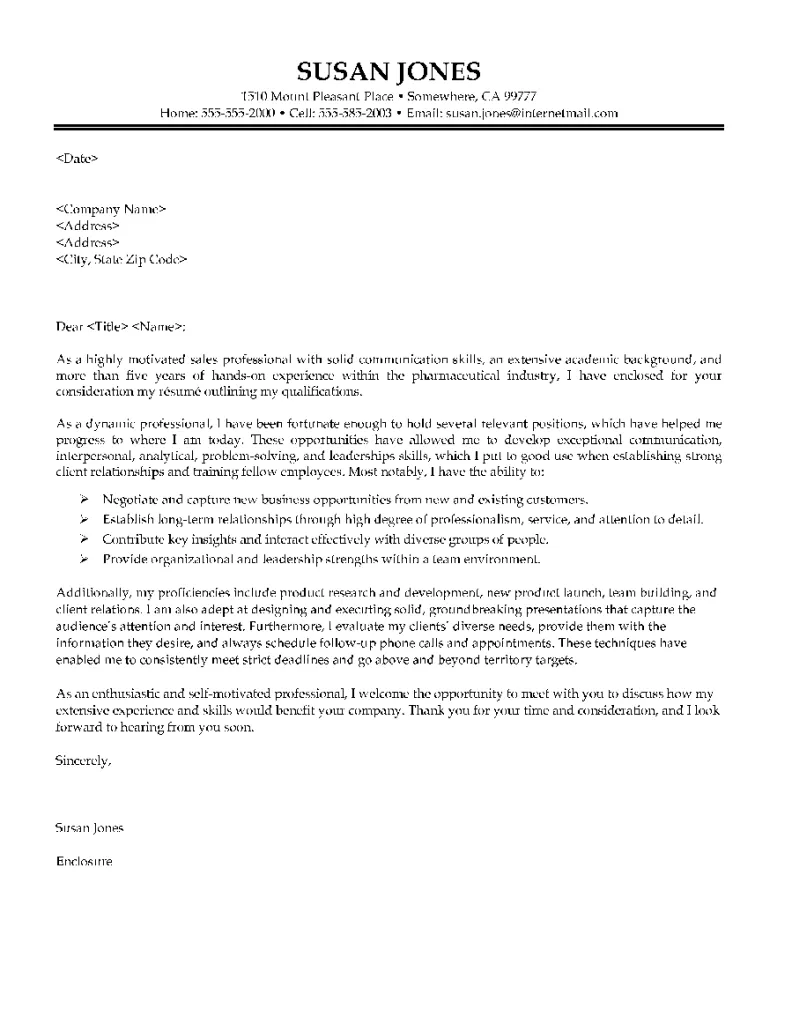
A well-structured cover letter follows a standard format that helps convey your message effectively. The core elements include a professional header with your contact information and the date, a formal greeting, an engaging first paragraph (the hook), several body paragraphs to highlight your skills and experience, a closing paragraph that expresses your enthusiasm, and a professional closing. Each section plays a vital role in creating a compelling narrative that convinces the hiring manager to learn more about you. Following this structure ensures clarity and professionalism, making your cover letter easy to read and digest, which improves the chances of capturing the reader’s attention.
Header and Contact Information
Begin your cover letter with a professional header that includes your full name, address, phone number, and email address. Ensure your contact details are current and professional-looking. Below your information, include the date and the hiring manager’s name and title (if known), along with the company’s address. This provides essential contact information for the employer. Using a clean and organized header sets a professional tone and makes it easy for the hiring manager to reach you. If you don’t know the hiring manager’s name, research the company’s website or use a general greeting like ‘Dear Hiring Manager.’
Professional Greeting
Start your cover letter with a formal greeting, such as ‘Dear Mr./Ms./Mx. [Last Name],’ if you know the hiring manager’s name. If you are unsure of the name, use ‘Dear Hiring Manager’ or ‘Dear [Department Name] Team.’ Avoid overly casual greetings like ‘Hi’ or ‘Hello.’ A proper greeting sets a professional tone and demonstrates respect for the employer and the role. Always double-check the spelling of the recipient’s name, as errors can create a negative first impression. Tailoring your greeting to the specific recipient shows that you’ve taken the time to prepare a thoughtful application.
Body Paragraph 1 Hook the Reader

The first paragraph should immediately grab the reader’s attention. State the specific position you are applying for and where you saw the job posting. Then, briefly mention why you are interested in the role and the company. Your goal is to pique the hiring manager’s interest and convince them to continue reading. Consider using a strong opening statement that showcases your enthusiasm and aligns with the company’s values or the job’s requirements. This is your opportunity to make a memorable first impression, establishing a clear and concise reason for your application and creating curiosity about your qualifications.
Highlighting Relevant Skills and Experience
In the body of your cover letter, highlight your key skills and experiences that directly align with the job requirements. Review the job description carefully and identify the essential qualifications and responsibilities. Then, choose specific examples from your work history that demonstrate your ability to meet these requirements. Use action verbs to describe your accomplishments and focus on what you achieved rather than just listing your responsibilities. Quantify your achievements whenever possible to provide concrete evidence of your impact. For instance, instead of saying ‘Managed projects,’ state ‘Managed five projects, resulting in a 15% increase in efficiency.’
Quantifying Achievements to Impress
Whenever possible, quantify your achievements to show the impact of your contributions. Use numbers and data to support your claims. For instance, instead of saying ‘Improved customer satisfaction,’ state ‘Increased customer satisfaction scores by 20% through implementing a new feedback system.’ Quantifiable achievements provide tangible evidence of your abilities and make your claims more credible. Examples include sales figures, cost savings, process improvements, and project completion rates. Quantifying your achievements helps the hiring manager understand the direct value you can bring to their company, making your application more compelling.
Body Paragraph 2 Demonstrating Your Value

In your second body paragraph, expand on your skills and experiences, providing more detail about how you’ve applied them in previous roles. Explain how your background aligns with the company’s needs and the job requirements, showcasing your understanding of their business. Focus on what you bring to the table and why you are the ideal candidate. Provide specific examples of your achievements, highlighting skills, projects, and any awards you received, to illustrate your expertise. Make sure the content is focused and easy to follow, using clear and concise language, making it easy for the hiring manager to see how your experience translates into success.
Tailoring Your Cover Letter to the Job
A generic cover letter will likely end up in the rejection pile. Tailoring your cover letter to each job is crucial. Review the job description carefully and identify the key skills, experiences, and qualifications the employer is seeking. Then, customize your cover letter to directly address these requirements. Highlight specific experiences, projects, or accomplishments that match the needs of the role and the company. Research the company’s mission, values, and culture to show you understand their objectives. This shows you’ve invested the time and effort to understand the opportunity, making you a more attractive candidate.
Researching the Company Culture
Before writing your cover letter, research the company’s culture. Visit their website, read news articles, and check their social media profiles to understand their values, mission, and goals. This research will help you tailor your cover letter to align with the company’s culture. In your letter, you can mention how your values align with theirs or how your experience can help achieve their goals. Demonstrating that you understand their culture shows your genuine interest and makes you a stronger candidate. If the company emphasizes innovation, highlight your experience with creative problem-solving; if teamwork is important, showcase your collaboration skills.
Matching Skills to Job Requirements

Carefully compare the job description with your skills and experience. Identify the keywords and qualifications the employer is looking for. Then, use these keywords in your cover letter to demonstrate how you meet their requirements. Explain how your past experiences and skills align with the role’s responsibilities, using specific examples to illustrate your expertise. For example, if the job requires project management skills, provide a brief overview of your experience managing projects, mentioning any relevant tools or methodologies you’ve used. By matching your skills to the job requirements, you show the hiring manager that you possess the necessary qualifications to be successful.
Body Paragraph 3 Call to Action
In your closing paragraph, express your enthusiasm for the opportunity and reiterate your interest in the position. Indicate your availability for an interview and how you can be reached. It’s also good practice to thank the hiring manager for their time and consideration. A clear call to action is essential. It shows the reader that you are eager to move forward in the hiring process. By including a call to action, you are making it easy for the hiring manager to contact you.
Expressing Enthusiasm and Interest
Demonstrate your genuine enthusiasm for the role and the company. Mention specific aspects of the job or the company’s mission that appeal to you. This shows that you have a deep interest and that you’ve done your research. Avoid generic statements like ‘I am interested in this position.’ Instead, try something like, ‘I am particularly excited about the opportunity to contribute to [specific project or company goal] and leverage my skills in [specific skill].’ This creates a stronger connection with the reader. Your enthusiasm can be a key differentiator, as it communicates that you are passionate about the opportunity and eager to contribute.
Closing the Letter with Gratitude

Always end your cover letter with a professional closing, such as ‘Sincerely,’ ‘Best regards,’ or ‘Thank you for your consideration.’ Include your full name below the closing. If submitting a digital cover letter, you can often include your signature above your typed name. Expressing gratitude is a simple gesture that can make a lasting impression. It shows respect for the hiring manager’s time and demonstrates that you are polite and appreciative of the opportunity. This final touch ensures that your letter leaves a positive and professional impression.
Formatting and Proofreading
Formatting and proofreading are critical to the professionalism of your cover letter. Use a clean and easy-to-read font, such as Times New Roman, Arial, or Calibri, with a font size of 10-12 points. Ensure your margins are standard (1 inch on all sides) and your paragraphs are properly aligned and spaced. Avoid large blocks of text; use shorter paragraphs with clear headings to improve readability. Proofread carefully for any spelling, grammar, or punctuation errors. A well-formatted and error-free cover letter demonstrates attention to detail and professionalism.
Choosing the Right Font and Format
Choose a font that is clear, professional, and easy to read. Avoid overly ornate or unusual fonts. Standard fonts like Times New Roman, Arial, or Calibri are safe choices. Ensure your font size is between 10 and 12 points. Use consistent formatting throughout your cover letter, including the font, font size, and spacing. A well-formatted cover letter shows that you value organization and attention to detail. Make sure your letter has consistent margins, and that it is easy on the eyes, making it a pleasant experience for the hiring manager.
Proofreading for Errors and Accuracy

Before submitting your cover letter, proofread it carefully for any errors. Check for spelling mistakes, grammatical errors, and punctuation mistakes. Errors can damage your credibility and create a negative first impression. It can be helpful to read your cover letter aloud or to have someone else review it. Ensure that your contact information is correct and that the job title and company name are accurate. Consider using a grammar checker, but always review the results manually. Attention to detail reflects positively on your professionalism and your commitment to excellence. A flawless cover letter greatly increases your chances of landing an interview.
Cover Letter Examples and Templates
Using cover letter examples and templates can be incredibly helpful when writing your own. They provide a structured framework and illustrate how to present your qualifications effectively. However, make sure you customize any template to match your specific skills and the job requirements. There are various sources for templates, including online job boards, career websites, and even word processing software. The key is to adapt these templates to your unique experience and the specific needs of each job application. Don’t just copy and paste; use them as a starting point to create a personalized and compelling cover letter.
Where to Find Examples and Templates
Numerous resources offer cover letter examples and templates. Career websites, such as LinkedIn, Indeed, and Glassdoor, often provide templates and guides. Microsoft Word also has a range of templates that you can customize. Many websites specialize in providing resume and cover letter templates, offering various styles to suit different industries and job roles. When choosing a template, make sure it aligns with your industry and the specific job you are applying for. Use the template as a guide to structure your cover letter and highlight your key skills and achievements.
Adapting Templates to Your Needs
While templates can be helpful, it’s crucial to adapt them to your needs. Don’t simply fill in the blanks; customize the template to reflect your skills, experience, and the requirements of the specific job. Replace generic phrases with specific examples from your work history. Tailor your cover letter to match the company’s values and the job description. Research the company and use keywords from the job posting. This personalized approach will make your cover letter stand out and demonstrate your genuine interest in the role and the company. Avoid using a cookie-cutter approach that can make your application seem less compelling and more generic.
Common Cover Letter Mistakes
Avoiding common cover letter mistakes is vital to ensure your application stands out for the right reasons. One of the biggest errors is failing to tailor the letter to the specific job and company. Other mistakes include using generic language, neglecting to proofread, and not demonstrating your value to the employer. By avoiding these pitfalls, you will greatly improve your chances of creating a compelling cover letter and getting an interview. It is essential to pay close attention to every aspect of the letter, from the content to the formatting, to ensure that it aligns with your career goals and the job requirements.
Ignoring the Job Description
One of the most significant mistakes is ignoring the job description. A cover letter should directly address the requirements and responsibilities outlined in the job posting. Failing to do so shows a lack of attention to detail and a lack of understanding of the role. Always review the job description carefully and highlight relevant skills and experiences that match. Tailoring your cover letter to the job demonstrates your ability to read and follow instructions. It also shows that you understand the role’s demands and can contribute to the company. By matching your qualifications with the employer’s needs, you make a stronger case for your candidacy.
Using Generic Language
Avoid using generic and vague language. Phrases like ‘I am a team player’ or ‘I have excellent communication skills’ are overused and do not provide any specific information about your abilities. Instead, use specific examples to demonstrate your skills. For instance, instead of saying ‘I am a good communicator,’ write ‘Successfully presented project updates to a team of 20, resulting in streamlined communication and project alignment.’ Being specific and providing evidence makes your claims more credible and memorable. It shows the hiring manager that you can deliver on your promises and make a tangible contribution.
Sending a Cover Letter That Doesn’t Match the Resume
Ensure your cover letter complements your resume. The information presented in your cover letter should align with your resume. Avoid any inconsistencies between the two documents. The cover letter should elaborate on your resume’s highlights and provide more context. If there are any gaps in your work history or if you are changing careers, the cover letter is an excellent place to provide explanations. A cover letter that doesn’t match your resume is confusing and makes it difficult for the hiring manager to assess your qualifications. Always use consistent language and information throughout your application.